


 Home
HomeDictionary Publishers Sue OpenAI Over Copyright
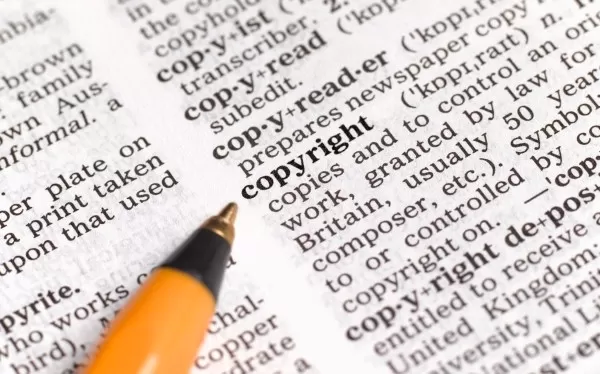
Encyclopedia Britannica and Merriam-Webster have filed a lawsuit against OpenAI, alleging in its complaint that the AI giant has committed “massive copyright infringement.”
Britannica, which owns Merriam-Webster, retains the copyright to nearly 100,000 online articles, which have been scraped and used to train OpenAI’s LLMs without permission, the publisher alleges in the lawsuit.
Britannica also accuses OpenAI of violating copyright laws when it generates outputs that contain “full or partial verbatim reproductions” of its content and when the AI lab uses its articles in ChatGPT’s RAG (retrieval augmented generation) workflow. OpenAI’s RAG tool is how the LLM scans the web or other databases for newly updated information when responding to a query. Britannica also alleges that OpenAI violates the Lanham Act, a trademark statute, when it generates made-up hallucinations and attributes them falsely to the publisher.
“ChatGPT starves web publishers like [Britannica] of revenue by generating responses to users’ queries that substitute, and directly compete with, the content from publishers like [Britannica],” the lawsuit reads. Britannica also alleges ChatGPT’s hallucinations jeopardize “the public’s continued access to high-quality and trustworthy online information.”
Britannica joins a number of other publishers and writers in pursuing legal action against OpenAI over copyright issues. The New York Times, Ziff Davis (owner of Mashable, CNET, IGN, PC Mag, and others), and more than a dozen newspapers across the US and Canada, including the Chicago Tribune, the Denver Post, the Sun-Sentinel, the Toronto Star, and the Canadian Broadcasting Corporation have sued OpenAI.
A similar Britannica lawsuit against Perplexity is still pending.
There is not a strong legal precedent that establishes whether or not using copyrighted content to train an LLM is copyright infringement. But in one particular instance, Anthropic successfully convinced federal judge William Alsup that this use case — using the content as training data — is transformative enough to be legal. However, Alsup argued that Anthropic violated the law by illegally downloading millions of books, rather than paying for them, which warranted a $1.5 billion class action settlement for impacted writers.
OpenAI did not respond to TechCrunch’s request for comment before publication.
Related article
 PHP Armageddon: OpenAI, Google’s Wiz uncover ancient holes, sparking internet panic
The U.S. National Security Agency issued a critical alert on Wednesday regarding two severe vulnerabilities in PHP, for which patches have already been released by the PHP Foundation.As a server-side scripting language, PHP powers approximately 70% o
Apple agrees to $250M settlement over delayed Siri AI rollout
Apple has agreed to pay $250 million to resolve a class-action lawsuit regarding its marketing of AI features prior to the iPhone 16 launch, as first reported by the Financial Times.The lawsuit claimed Apple overstated the capabilities of Apple Intel
OpenAI launches GPT-5.5 Instant as ChatGPT’s new default model
OpenAI launched GPT-5.5 Instant on Monday, replacing GPT-5.3 Instant as the default ChatGPT model. The company states that this update minimizes hallucinations in high-stakes fields like law, medicine, and finance, while preserving the fast response
Related Special Topic Recommendations
Design & Art
PHP Armageddon: OpenAI, Google’s Wiz uncover ancient holes, sparking internet panic
The U.S. National Security Agency issued a critical alert on Wednesday regarding two severe vulnerabilities in PHP, for which patches have already been released by the PHP Foundation.As a server-side scripting language, PHP powers approximately 70% o
Apple agrees to $250M settlement over delayed Siri AI rollout
Apple has agreed to pay $250 million to resolve a class-action lawsuit regarding its marketing of AI features prior to the iPhone 16 launch, as first reported by the Financial Times.The lawsuit claimed Apple overstated the capabilities of Apple Intel
OpenAI launches GPT-5.5 Instant as ChatGPT’s new default model
OpenAI launched GPT-5.5 Instant on Monday, replacing GPT-5.3 Instant as the default ChatGPT model. The company states that this update minimizes hallucinations in high-stakes fields like law, medicine, and finance, while preserving the fast response
Related Special Topic Recommendations
Design & Art
 Top AI Illustration Tools: Create Editorial Scenes and Cover Art Faster
2026 Latest Top-rated AI Illustration Tools: Our curated list features the best powerfully designed tools for creating stunning editorial scenes and eye-catching cover art quickly. Each option has gone through rigorous real-world tests, offering a free vs paid comparison to help you find the perfect match for your workflow. Try these must-try solutions today to unlock your AI edge and boost your creative productivity. Explore now at XIX.AI.
 10 tools
 xix.ai
Education and Learning
Top AI Tutors for Exam Prep: Practice Math, Science, and English
xix.ai
Education and Learning
Top AI Tutors for Exam Prep: Practice Math, Science, and English
2026 Latest Top-Rated Best AI Tutors for Exam Prep are here on XIX.AI! Our curated list features powerful game-changing tools that offer free vs paid comparison, real-world tests, and weekly updated rankings. They help boost your writing efficiency, simplify complex topic learning, and unlock your academic potential. Explore now to Discover your perfect exam prep tool and Start creating today to Unlock your AI edge!
10 tools
xix.ai
Finance
AI Budget Planning Tools for Personal Money Management
2026 Latest Best Top-Rated AI Budget Planning Tools for Personal Money Management are here on XIX.AI! This curated collection features powerful, game-changing solutions that help you conduct real-world tests, understand spending habits, and create personalized plans to boost productivity. Enjoy a free vs paid comparison along with detailed rankings. Must-try tools designed to simplify money management and unlock your AI edge. Explore now!
11 tools
xix.ai
Health & Wellness
AI Sleep Tracking Assistants: Improve Recovery with Better Bedtime Habits
2026 Latest Best Top-Rated AI Sleep Tracking Assistants curated for ultimate recovery. This fully updated weekly guide features powerful tools that deliver real-world tests, free vs paid comparison, and detailed rankings to help you find the must-try solution that boosts sleep quality and supports better bedtime habits. Explore now at XIX.AI to Unlock your AI edge.
10 tools
xix.ai
Data Analysis
AI SQL Copilots for Product and Revenue Analytics
2026 Latest Best Top-Rated AI SQL Copilots for Product and Revenue Analytics! XIX.AI has curated a powerful, game-changing collection of must-try tools that undergo real-world tests through weekly updated rankings. These tools help users boost productivity significantly by accelerating data analysis, streamlining complex queries, and generating accurate insights to drive smarter business decisions. Explore now to Discover your perfect tool for unlocking your AI edge!
14 tools
xix.ai
Education and Learning
Best AI Homework Helpers That Teach: Learn Concepts, Not Just Answers
2026 Latest Best Top-Rated AI Homework Helpers That Teach Core Concepts Not Just Answers Powerful Tools for Students Must-Try Curated List Weekly Updated Free vs Paid Comparison Real-World Tests Accurate Rankings to Help You Unlock Your Full Learning Potential Explore now to Discover your perfect tool for smarter studying.
10 tools
xix.ai

 Comments (0)
0/500
Comments (0)
0/500
Encyclopedia Britannica and Merriam-Webster have filed a lawsuit against OpenAI, alleging in its complaint that the AI giant has committed “massive copyright infringement.”
Britannica, which owns Merriam-Webster, retains the copyright to nearly 100,000 online articles, which have been scraped and used to train OpenAI’s LLMs without permission, the publisher alleges in the lawsuit.
Britannica also accuses OpenAI of violating copyright laws when it generates outputs that contain “full or partial verbatim reproductions” of its content and when the AI lab uses its articles in ChatGPT’s RAG (retrieval augmented generation) workflow. OpenAI’s RAG tool is how the LLM scans the web or other databases for newly updated information when responding to a query. Britannica also alleges that OpenAI violates the Lanham Act, a trademark statute, when it generates made-up hallucinations and attributes them falsely to the publisher.
“ChatGPT starves web publishers like [Britannica] of revenue by generating responses to users’ queries that substitute, and directly compete with, the content from publishers like [Britannica],” the lawsuit reads. Britannica also alleges ChatGPT’s hallucinations jeopardize “the public’s continued access to high-quality and trustworthy online information.”
Britannica joins a number of other publishers and writers in pursuing legal action against OpenAI over copyright issues. The New York Times, Ziff Davis (owner of Mashable, CNET, IGN, PC Mag, and others), and more than a dozen newspapers across the US and Canada, including the Chicago Tribune, the Denver Post, the Sun-Sentinel, the Toronto Star, and the Canadian Broadcasting Corporation have sued OpenAI.
A similar Britannica lawsuit against Perplexity is still pending.
There is not a strong legal precedent that establishes whether or not using copyrighted content to train an LLM is copyright infringement. But in one particular instance, Anthropic successfully convinced federal judge William Alsup that this use case — using the content as training data — is transformative enough to be legal. However, Alsup argued that Anthropic violated the law by illegally downloading millions of books, rather than paying for them, which warranted a $1.5 billion class action settlement for impacted writers.
OpenAI did not respond to TechCrunch’s request for comment before publication.








 PHP Armageddon: OpenAI, Google’s Wiz uncover ancient holes, sparking internet panic
The U.S. National Security Agency issued a critical alert on Wednesday regarding two severe vulnerabilities in PHP, for which patches have already been released by the PHP Foundation.As a server-side scripting language, PHP powers approximately 70% o
PHP Armageddon: OpenAI, Google’s Wiz uncover ancient holes, sparking internet panic
The U.S. National Security Agency issued a critical alert on Wednesday regarding two severe vulnerabilities in PHP, for which patches have already been released by the PHP Foundation.As a server-side scripting language, PHP powers approximately 70% o
 Apple agrees to $250M settlement over delayed Siri AI rollout
Apple has agreed to pay $250 million to resolve a class-action lawsuit regarding its marketing of AI features prior to the iPhone 16 launch, as first reported by the Financial Times.The lawsuit claimed Apple overstated the capabilities of Apple Intel
Apple agrees to $250M settlement over delayed Siri AI rollout
Apple has agreed to pay $250 million to resolve a class-action lawsuit regarding its marketing of AI features prior to the iPhone 16 launch, as first reported by the Financial Times.The lawsuit claimed Apple overstated the capabilities of Apple Intel
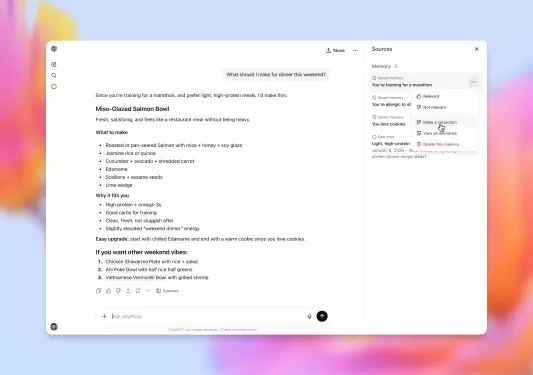 OpenAI launches GPT-5.5 Instant as ChatGPT’s new default model
OpenAI launched GPT-5.5 Instant on Monday, replacing GPT-5.3 Instant as the default ChatGPT model. The company states that this update minimizes hallucinations in high-stakes fields like law, medicine, and finance, while preserving the fast response
OpenAI launches GPT-5.5 Instant as ChatGPT’s new default model
OpenAI launched GPT-5.5 Instant on Monday, replacing GPT-5.3 Instant as the default ChatGPT model. The company states that this update minimizes hallucinations in high-stakes fields like law, medicine, and finance, while preserving the fast response
2026 Latest Top-rated AI Illustration Tools: Our curated list features the best powerfully designed tools for creating stunning editorial scenes and eye-catching cover art quickly. Each option has gone through rigorous real-world tests, offering a free vs paid comparison to help you find the perfect match for your workflow. Try these must-try solutions today to unlock your AI edge and boost your creative productivity. Explore now at XIX.AI.
10 tools
xix.ai
2026 Latest Top-Rated Best AI Tutors for Exam Prep are here on XIX.AI! Our curated list features powerful game-changing tools that offer free vs paid comparison, real-world tests, and weekly updated rankings. They help boost your writing efficiency, simplify complex topic learning, and unlock your academic potential. Explore now to Discover your perfect exam prep tool and Start creating today to Unlock your AI edge!
10 tools
xix.ai

2026 Latest Best Top-Rated AI Budget Planning Tools for Personal Money Management are here on XIX.AI! This curated collection features powerful, game-changing solutions that help you conduct real-world tests, understand spending habits, and create personalized plans to boost productivity. Enjoy a free vs paid comparison along with detailed rankings. Must-try tools designed to simplify money management and unlock your AI edge. Explore now!
11 tools
xix.ai
2026 Latest Best Top-Rated AI Sleep Tracking Assistants curated for ultimate recovery. This fully updated weekly guide features powerful tools that deliver real-world tests, free vs paid comparison, and detailed rankings to help you find the must-try solution that boosts sleep quality and supports better bedtime habits. Explore now at XIX.AI to Unlock your AI edge.
10 tools
xix.ai
2026 Latest Best Top-Rated AI SQL Copilots for Product and Revenue Analytics! XIX.AI has curated a powerful, game-changing collection of must-try tools that undergo real-world tests through weekly updated rankings. These tools help users boost productivity significantly by accelerating data analysis, streamlining complex queries, and generating accurate insights to drive smarter business decisions. Explore now to Discover your perfect tool for unlocking your AI edge!
14 tools
xix.ai
2026 Latest Best Top-Rated AI Homework Helpers That Teach Core Concepts Not Just Answers Powerful Tools for Students Must-Try Curated List Weekly Updated Free vs Paid Comparison Real-World Tests Accurate Rankings to Help You Unlock Your Full Learning Potential Explore now to Discover your perfect tool for smarter studying.
10 tools
xix.ai












