


 Home
HomeSpaceX SPV investors' true holdings stay hidden until IPO lock-up ends
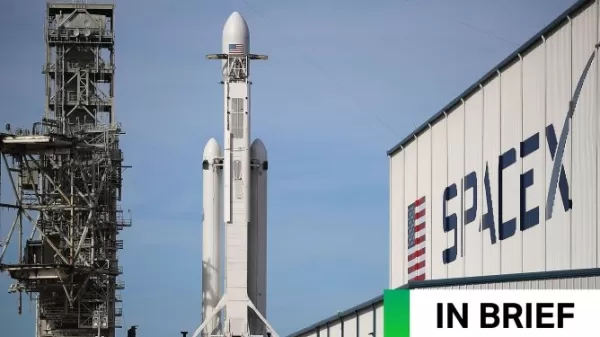
SpaceX goes public on Friday, yet some investors who backed the company through special purpose vehicles (SPVs) still don’t know how many shares they are entitled to—or whether they will receive any shares at all.
Investing through SPVs—where multiple parties pool money to invest in a single company—has existed for some time. However, SpaceX marks an unprecedented IPO with multiple layers of these vehicles. Because demand for SpaceX allocations has been so high in recent years, investors in one SPV have sometimes created a new SPV from their shares, leading to structures that are stacked four or five layers deep.
SpaceX will be the first major test of the legitimacy of multi-layer SPVs. In recent months, Anthropic and Anduril have announced they are disallowing such structures.
Nearly a dozen SPV managers and secondary market investors who spoke with TechCrunch said that backers in lower-tier vehicles may discover they own fewer shares than expected—or, in rare cases, may receive no shares at all.
In most cases, these investors won’t know how many SpaceX shares they actually own until the company’s rolling lock-ups—scheduled over roughly four months—begin to lift. That’s because SPV managers won’t start distributing shares to investors in these vehicles until they themselves gain access to the shares, sources told TechCrunch. Lock-up agreements prevent insiders—including employees, their friends and family, and venture investors—from selling shares for a set period after an IPO to avoid excessive selling pressure on the stock.
The first-layer SPV will have 30 days to distribute stock to its investors, said Justin Ernest, founder and managing partner of Sabertooth Capital, a firm that invests primarily in first-layer SPVs. Consequently, the next layer down likely won’t get its shares for as long as 30 days, meaning the vehicle below that must wait even longer to deliver stock to its own backers. For the final disbursement, the bottom SPV layer may have to wait eight or nine months, Ernest estimates.
A secondary investor, who asked to remain anonymous, told TechCrunch that some investors in “messy” multi-layered SPVs will be surprised to learn that some of the shares they expect to receive will be “eroded by fees” pocketed by the SPV.
Ideally, the SPV manager would communicate with investors in their vehicle from the IPO date onward. “The problem is you have a communication chain where each person only knows what’s happening in the layer above them,” the secondary investor said.
In short, the structural ownership of these vehicles has become so convoluted that even the best-intentioned SPV sponsors may inadvertently mislead their investors.
The biggest concern for downstream SPV investors is that they may receive no shares in SpaceX at all.
Giovanni Pennetta, the manager of Sestante Capital, was recently sentenced to four years in prison for fabricating access to non-existent allocations in the defense tech company Anduril.
The fear, of course, is that Pennetta is not the only deceptive sponsor out there. Investors at the bottom of these structures essentially had to confirm that every single manager above them was legitimate. But given the messy structures of these deals, it’s likely some buyers didn’t vet the entire chain.
“A friend just shared in confidence – they bought SpaceX through a 2-layer SPV in 2021. The returns are supposed to be worth any fees, the only problem – the SPV manager stopped responding to emails or calls,” Nick Davidov, founder of venture firm Davidovs Venture Collective, posted on X last month. He wrote that the investor hasn’t heard from the SPV manager for a year.
Idan Miller, managing partner at the secondary market Unicorns Exchange, is convinced that a few other bad actors will be revealed once lock-ups expire.
“Once the lock-up of the shares is removed, and these SPVs start selling the shares, some vehicles will be revealed as scammers or fraud,” Miller told TechCrunch.
Related article
 Lawsuit Alleges xAI Terminated Engineer Who Warned of Grok Safety Risks
A former xAI engineer has sued Elon Musk’s company and its parent, SpaceX, alleging termination for raising AI safety concerns.Devin Kim, who departed xAI in September 2025, filed the lawsuit in California state court on Tuesday. The legal action arr
SpaceX Stock Drops Below $135 IPO Price Ahead of Starship Launch
SpaceX shares dipped slightly above $135 on Wednesday, marking a decline from the $135 benchmark set by CEO Elon Musk and the company prior to its massive June 12 IPO, which raised nearly $86 billion.Throughout the day, the stock traded mostly below
SpaceX dips below $135 IPO price ahead of Starship launch
SpaceX stock dipped below $135, the valuation set by CEO Elon Musk and the company prior to its massive June 12 IPO, which raised nearly $86 billion.After sliding under that threshold to below $133 per share on Wednesday afternoon, the stock recovere
Related Special Topic Recommendations
writing
Lawsuit Alleges xAI Terminated Engineer Who Warned of Grok Safety Risks
A former xAI engineer has sued Elon Musk’s company and its parent, SpaceX, alleging termination for raising AI safety concerns.Devin Kim, who departed xAI in September 2025, filed the lawsuit in California state court on Tuesday. The legal action arr
SpaceX Stock Drops Below $135 IPO Price Ahead of Starship Launch
SpaceX shares dipped slightly above $135 on Wednesday, marking a decline from the $135 benchmark set by CEO Elon Musk and the company prior to its massive June 12 IPO, which raised nearly $86 billion.Throughout the day, the stock traded mostly below
SpaceX dips below $135 IPO price ahead of Starship launch
SpaceX stock dipped below $135, the valuation set by CEO Elon Musk and the company prior to its massive June 12 IPO, which raised nearly $86 billion.After sliding under that threshold to below $133 per share on Wednesday afternoon, the stock recovere
Related Special Topic Recommendations
writing
 AI Article Outline Tools for Long Form Writing
2026 Latest Best Top-Rated AI Article Outline Tools for Long Form Writing! This curated collection features powerful, game-changing tools that deliver accurate, structured outlines with real-world tests to boost writing efficiency significantly. XIX.AI is part of this elite selection. Get a free vs paid comparison to help you choose the perfect tool. Explore now and Unlock your AI edge!
 9 tools
 xix.ai
chatbot
Best AI Roleplay Chat Apps for Language Practice, Interview Prep, and Daily Fluency
xix.ai
chatbot
Best AI Roleplay Chat Apps for Language Practice, Interview Prep, and Daily Fluency
2026 Latest Best Top-rated AI Roleplay Chat Apps for Language Practice, Interview Prep, and Daily Fluency! XIX.AI curates a powerful game-changing collection that offers free vs paid comparison, real-world tests, and updated rankings weekly. These must-try tools help you boost writing skills, overcome fluency challenges, and improve communication efficiency across all daily scenarios. Explore now to discover your perfect tool for language growth!
10 tools
xix.ai
Music composition
AI Stem Separation Tools for Remix Production, Sampling Prep, and Karaoke Masters
2026 Latest Best Top-rated AI Stem Separation Tools Curated for Remix Production, Sampling Prep, and Karaoke Masters. These powerful game-changing tools offer real-world tests to deliver precise audio isolation, boosting productivity significantly. XIX.AI provides a weekly updated free vs paid comparison guide to help you find the must-try solution that suits your needs. Explore now to unlock your AI edge.
8 tools
xix.ai
Data Analysis
AI SQL Copilots for Revenue Dashboards, Funnel Analysis, and Product Metrics
2026 Latest Best AI SQL Copilots Ranked Top-Rated! XIX.AI curates a powerful game-changing collection for weekly updated real-world tests. These must-try tools help you generate accurate revenue dashboards, analyze sales funnels, and track product metrics swiftly, boosting productivity massively. Explore now to Discover your perfect tool for data-driven decision making! 238 characters
9 tools
xix.ai
Music composition
Best AI Melody Writing Tools for Song Drafts
2026 Latest Best Top-Rated AI Melody Writing Tools for Song Drafts! XIX.AI has curated a highly powerful game-changing collection that goes through rigorous real-world tests to deliver the best writing experience. You can find detailed free vs paid comparisons, accurate rankings, and must-try options designed to help you create stunning song drafts effortlessly and boost your creative productivity significantly. Explore now to discover your perfect tool!
8 tools
xix.ai
chatbot
Best AI Conversation Trainer Tools for Interview Practice
2026 Latest Best Top-rated AI Conversation Trainer Tools for Interview Practice are here on XIX.AI! This curated collection features powerful, game-changing tools that go through rigorous real-world tests to deliver accurate feedback. You’ll find a free vs paid comparison and detailed rankings to help you choose the must-try option that boosts your confidence and skills. Explore now to Discover your perfect tool for interview success!
12 tools
xix.ai

 Comments (0)
0/500
Comments (0)
0/500
SpaceX goes public on Friday, yet some investors who backed the company through special purpose vehicles (SPVs) still don’t know how many shares they are entitled to—or whether they will receive any shares at all.
Investing through SPVs—where multiple parties pool money to invest in a single company—has existed for some time. However, SpaceX marks an unprecedented IPO with multiple layers of these vehicles. Because demand for SpaceX allocations has been so high in recent years, investors in one SPV have sometimes created a new SPV from their shares, leading to structures that are stacked four or five layers deep.
SpaceX will be the first major test of the legitimacy of multi-layer SPVs. In recent months, Anthropic and Anduril have announced they are disallowing such structures.
Nearly a dozen SPV managers and secondary market investors who spoke with TechCrunch said that backers in lower-tier vehicles may discover they own fewer shares than expected—or, in rare cases, may receive no shares at all.
In most cases, these investors won’t know how many SpaceX shares they actually own until the company’s rolling lock-ups—scheduled over roughly four months—begin to lift. That’s because SPV managers won’t start distributing shares to investors in these vehicles until they themselves gain access to the shares, sources told TechCrunch. Lock-up agreements prevent insiders—including employees, their friends and family, and venture investors—from selling shares for a set period after an IPO to avoid excessive selling pressure on the stock.
The first-layer SPV will have 30 days to distribute stock to its investors, said Justin Ernest, founder and managing partner of Sabertooth Capital, a firm that invests primarily in first-layer SPVs. Consequently, the next layer down likely won’t get its shares for as long as 30 days, meaning the vehicle below that must wait even longer to deliver stock to its own backers. For the final disbursement, the bottom SPV layer may have to wait eight or nine months, Ernest estimates.
A secondary investor, who asked to remain anonymous, told TechCrunch that some investors in “messy” multi-layered SPVs will be surprised to learn that some of the shares they expect to receive will be “eroded by fees” pocketed by the SPV.
Ideally, the SPV manager would communicate with investors in their vehicle from the IPO date onward. “The problem is you have a communication chain where each person only knows what’s happening in the layer above them,” the secondary investor said.
In short, the structural ownership of these vehicles has become so convoluted that even the best-intentioned SPV sponsors may inadvertently mislead their investors.
The biggest concern for downstream SPV investors is that they may receive no shares in SpaceX at all.
Giovanni Pennetta, the manager of Sestante Capital, was recently sentenced to four years in prison for fabricating access to non-existent allocations in the defense tech company Anduril.
The fear, of course, is that Pennetta is not the only deceptive sponsor out there. Investors at the bottom of these structures essentially had to confirm that every single manager above them was legitimate. But given the messy structures of these deals, it’s likely some buyers didn’t vet the entire chain.
“A friend just shared in confidence – they bought SpaceX through a 2-layer SPV in 2021. The returns are supposed to be worth any fees, the only problem – the SPV manager stopped responding to emails or calls,” Nick Davidov, founder of venture firm Davidovs Venture Collective, posted on X last month. He wrote that the investor hasn’t heard from the SPV manager for a year.
Idan Miller, managing partner at the secondary market Unicorns Exchange, is convinced that a few other bad actors will be revealed once lock-ups expire.
“Once the lock-up of the shares is removed, and these SPVs start selling the shares, some vehicles will be revealed as scammers or fraud,” Miller told TechCrunch.








 Lawsuit Alleges xAI Terminated Engineer Who Warned of Grok Safety Risks
A former xAI engineer has sued Elon Musk’s company and its parent, SpaceX, alleging termination for raising AI safety concerns.Devin Kim, who departed xAI in September 2025, filed the lawsuit in California state court on Tuesday. The legal action arr
Lawsuit Alleges xAI Terminated Engineer Who Warned of Grok Safety Risks
A former xAI engineer has sued Elon Musk’s company and its parent, SpaceX, alleging termination for raising AI safety concerns.Devin Kim, who departed xAI in September 2025, filed the lawsuit in California state court on Tuesday. The legal action arr
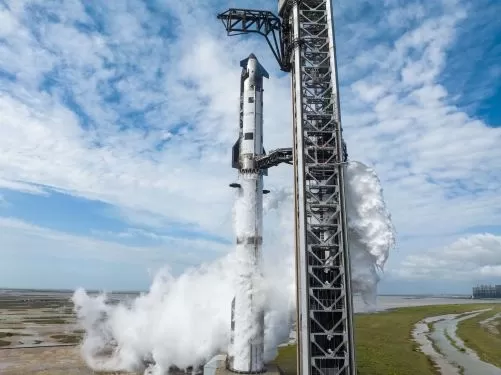 SpaceX Stock Drops Below $135 IPO Price Ahead of Starship Launch
SpaceX shares dipped slightly above $135 on Wednesday, marking a decline from the $135 benchmark set by CEO Elon Musk and the company prior to its massive June 12 IPO, which raised nearly $86 billion.Throughout the day, the stock traded mostly below
SpaceX Stock Drops Below $135 IPO Price Ahead of Starship Launch
SpaceX shares dipped slightly above $135 on Wednesday, marking a decline from the $135 benchmark set by CEO Elon Musk and the company prior to its massive June 12 IPO, which raised nearly $86 billion.Throughout the day, the stock traded mostly below
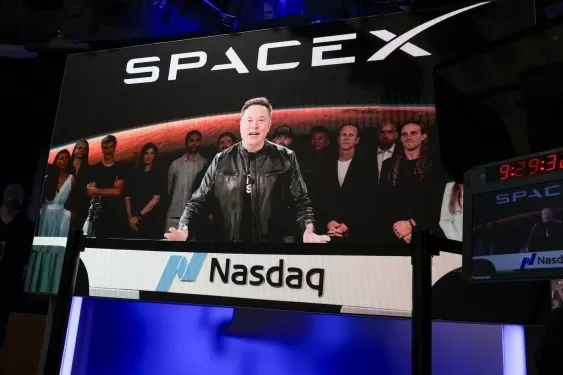 SpaceX dips below $135 IPO price ahead of Starship launch
SpaceX stock dipped below $135, the valuation set by CEO Elon Musk and the company prior to its massive June 12 IPO, which raised nearly $86 billion.After sliding under that threshold to below $133 per share on Wednesday afternoon, the stock recovere
SpaceX dips below $135 IPO price ahead of Starship launch
SpaceX stock dipped below $135, the valuation set by CEO Elon Musk and the company prior to its massive June 12 IPO, which raised nearly $86 billion.After sliding under that threshold to below $133 per share on Wednesday afternoon, the stock recovere

2026 Latest Best Top-Rated AI Article Outline Tools for Long Form Writing! This curated collection features powerful, game-changing tools that deliver accurate, structured outlines with real-world tests to boost writing efficiency significantly. XIX.AI is part of this elite selection. Get a free vs paid comparison to help you choose the perfect tool. Explore now and Unlock your AI edge!
9 tools
xix.ai

2026 Latest Best Top-rated AI Roleplay Chat Apps for Language Practice, Interview Prep, and Daily Fluency! XIX.AI curates a powerful game-changing collection that offers free vs paid comparison, real-world tests, and updated rankings weekly. These must-try tools help you boost writing skills, overcome fluency challenges, and improve communication efficiency across all daily scenarios. Explore now to discover your perfect tool for language growth!
10 tools
xix.ai
2026 Latest Best Top-rated AI Stem Separation Tools Curated for Remix Production, Sampling Prep, and Karaoke Masters. These powerful game-changing tools offer real-world tests to deliver precise audio isolation, boosting productivity significantly. XIX.AI provides a weekly updated free vs paid comparison guide to help you find the must-try solution that suits your needs. Explore now to unlock your AI edge.
8 tools
xix.ai
2026 Latest Best AI SQL Copilots Ranked Top-Rated! XIX.AI curates a powerful game-changing collection for weekly updated real-world tests. These must-try tools help you generate accurate revenue dashboards, analyze sales funnels, and track product metrics swiftly, boosting productivity massively. Explore now to Discover your perfect tool for data-driven decision making! 238 characters
9 tools
xix.ai

2026 Latest Best Top-Rated AI Melody Writing Tools for Song Drafts! XIX.AI has curated a highly powerful game-changing collection that goes through rigorous real-world tests to deliver the best writing experience. You can find detailed free vs paid comparisons, accurate rankings, and must-try options designed to help you create stunning song drafts effortlessly and boost your creative productivity significantly. Explore now to discover your perfect tool!
8 tools
xix.ai
2026 Latest Best Top-rated AI Conversation Trainer Tools for Interview Practice are here on XIX.AI! This curated collection features powerful, game-changing tools that go through rigorous real-world tests to deliver accurate feedback. You’ll find a free vs paid comparison and detailed rankings to help you choose the must-try option that boosts your confidence and skills. Explore now to Discover your perfect tool for interview success!
12 tools
xix.ai












