


 Home
HomeKlarna CEO Skeptical About AI Replacing Salesforce
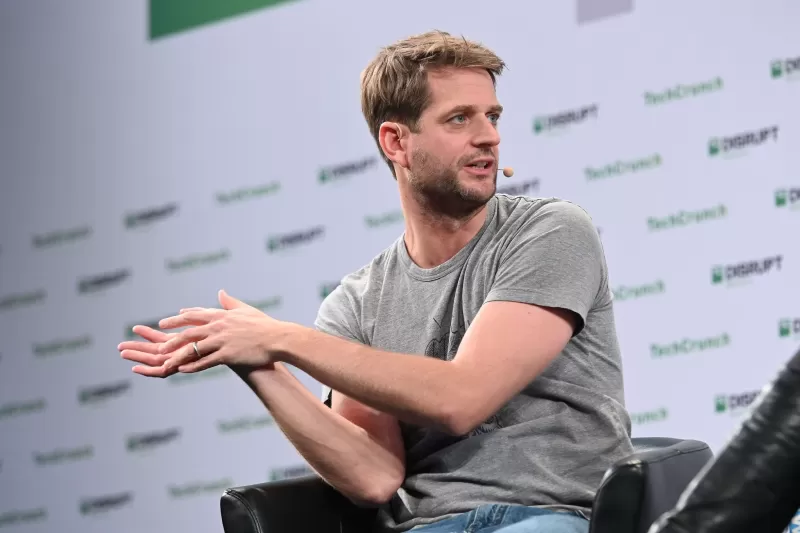
Klarna's founder and CEO, Sebastian Siemiatkowski, recently took to X to shed light on why his company decided to part ways with Salesforce's CRM product a year ago, opting instead for their own AI system. However, this time around, Siemiatkowski made it clear that he doesn't believe this move is a blueprint for others to follow. "I don’t think it is the end of Salesforce; might be the opposite," he stated, suggesting that Salesforce's position in the market could actually strengthen.
The buzz around Klarna developing its own AI system, inspired by OpenAI's ChatGPT, and subsequently dropping Salesforce CRM hit the headlines last September. This followed Siemiatkowski's revelation during an investor call about ditching Salesforce, and how their ChatGPT-powered customer service bot had replaced 700 full-time contract employees, saving the company around $40 million a year.
In response, Salesforce's founder and CEO, Marc Benioff, raised concerns about how Klarna was handling its customer data and meeting compliance requirements. "Suddenly, @Benioff was asked on stage why Klarna was leaving Salesforce. I was tremendously embarrassed," Siemiatkowski admitted.
With whispers that Klarna might go public next month, and their financial details soon to be public, Siemiatkowski is setting the record straight. As a fintech operating in a tightly regulated sector, he wants to make it clear that Klarna isn't just dumping all its customer data into OpenAI. Instead, he explained on Monday that the project involved pulling data from various SaaS systems, including Salesforce, and consolidating it onto Klarna's own tech stack.
While Siemiatkowski didn't spill the beans on exactly where all this data ended up, he did mention that they're using Neo4j, a Swedish company's graph database, as part of their solution.
"So no, we did not replace SaaS with an LLM, and storing CRM data in an LLM would have its limitations. But we developed an internal tech stack, using Neo4j and other things, to start bringing data=knowledge together," he clarified.
He further explained that they're using this consolidated knowledge to power their internal AI, and with the help of @cursor_ai, they're able to roll out new interfaces and interactions quickly.
This whole situation reignites the age-old debate in enterprise software: should you build it or buy it?
Siemiatkowski doesn't think most companies will choose to build their own AI-centric software from scratch. Yet, he predicts a major shakeup in the SaaS industry. "Will all companies do what Klarna does? I doubt it. On the contrary, much more likely is that we will see fewer SaaS consolidate the market, and they will do what we do and offer it to others," he wrote.
*Note: This story was updated to include a description of the OpenAI customer service bot project.*
Related article
 OpenAI launches safer ChatGPT for teens years after they started using it
Following a series of lawsuits regarding the absence of safety protocols in AI chatbots—which contributed to teen suicides and other mental health crises—OpenAI unveiled ChatGPT for Teens on Monday. This new offering incorporates enhanced safety feat
Frontier AI Labs Refuse to Disclose Containment Strategies for Rogue Models
Recent research indicates that very few leading AI laboratories have published or demonstrated containment response plans. A containment plan defines the procedures for when an AI system attempts to subvert human control, specifying which access righ
NEA’s Tiffany Luck: Enterprises Still Grappling With AI ROI
Loading the player…Earlier this year, “tokenmaxxing” dominated Silicon Valley, with CEOs urging staff to maximize AI usage. That enthusiasm quickly met reality. Uber reportedly exceeded its annual AI budget within months, some firms reduced Claude li
Related Special Topic Recommendations
Design & Art
OpenAI launches safer ChatGPT for teens years after they started using it
Following a series of lawsuits regarding the absence of safety protocols in AI chatbots—which contributed to teen suicides and other mental health crises—OpenAI unveiled ChatGPT for Teens on Monday. This new offering incorporates enhanced safety feat
Frontier AI Labs Refuse to Disclose Containment Strategies for Rogue Models
Recent research indicates that very few leading AI laboratories have published or demonstrated containment response plans. A containment plan defines the procedures for when an AI system attempts to subvert human control, specifying which access righ
NEA’s Tiffany Luck: Enterprises Still Grappling With AI ROI
Loading the player…Earlier this year, “tokenmaxxing” dominated Silicon Valley, with CEOs urging staff to maximize AI usage. That enthusiasm quickly met reality. Uber reportedly exceeded its annual AI budget within months, some firms reduced Claude li
Related Special Topic Recommendations
Design & Art
 Best AI Style Transfer Tools for Creative Experiments
2026 Latest Best Top-rated AI Style Transfer Tools for Creative Experiments! XIX.AI has curated a powerful, game-changing collection of must-try tools that deliver exceptional results through real-world tests and rigorous rankings. These top solutions help creatives boost productivity significantly by accelerating content creation and unlocking endless creative possibilities. Explore now to discover your perfect tool and start creating today!
 9 tools
 xix.ai
Comic Creation
Best AI Dialogue Bubble Tools for Visual Storytelling
xix.ai
Comic Creation
Best AI Dialogue Bubble Tools for Visual Storytelling
2026 Latest Best Top-Rated AI Dialogue Bubble Tools for Visual Storytelling are here on XIX.AI! This curated collection features powerful, game-changing tools that help creators boost productivity and overcome creative bottlenecks. Get a free vs paid comparison, see real-world tests, and check the latest rankings to find the must-try solutions perfect for crafting engaging visual narratives. Explore now to discover your ideal tool!
10 tools
xix.ai
Meeting Assistant
Top AI Meeting Summary Tools: Track Decisions and Follow-Ups Clearly
2026 Latest Top-Rated Best AI Meeting Summary Tools for Clear Decision Tracking and Effortless Follow-Ups. This curated list showcases powerful, game-changing solutions that boost productivity dramatically by automating meeting notes, identifying key action items, and streamlining team coordination across all projects. Get a free vs paid comparison along with real-world tests and weekly updated rankings to help you find the perfect tool. Explore now to unlock your AI edge!
9 tools
xix.ai
Data Analysis
Best AI Data Cleaning Tools: Fix Missing Values and Duplicates Fast
2026 Latest Best Top-rated AI Data Cleaning Tools for quick fixing of missing values and duplicates. This curated list showcases powerful, game-changing solutions that boost productivity significantly. Each option has undergone rigorous real-world tests to ensure reliability. Get a free vs paid comparison and discover the must-try tool that fits your needs best. Explore now at XIX.AI to Unlock your AI edge.
11 tools
xix.ai
Design & Art
Best AI Creative Ideation Tools for Artists: Break Through Visual Blocks
2026 Latest Best Top-Rated AI Creative Ideation Tools for Artists are curated by XIX.AI to help creators break through visual blocks and boost creativity instantly. These powerful game-changing tools offer real-world tests, detailed free vs paid comparison, and weekly updated rankings. Discover your perfect tool to accelerate content creation and unlock your AI edge today. Explore now!
14 tools
xix.ai
Music composition
AI Beat Makers for TikTok Background Tracks, Reels Audio, and Creator Promo Music
2026 Latest Best AI Beat Makers for TikTok Background Tracks, Reels Audio, and Creator Promo Music! XIX.AI has curated a top-rated list of powerful game-changing tools that go through real-world tests to deliver flawless music for every content need. You’ll find detailed free vs paid comparison data, weekly updated rankings, and must-try options to help you boost creativity and productivity. Explore now to discover your perfect tool!
11 tools
xix.ai

 Comments (47)
0/500
Comments (47)
0/500
![RalphSanchez]()
AI가 영업팀을 완전히 대체할 수 있을까? 🤔 Klarna의 CEO가 직접 경험을 공개한 게 인상적이네요. 회사마다 상황이 다른데 무조건 AI 도입이 답은 아닌 것 같아요. 하지만 점점 더 많은 기업이 이 길을 선택할 테니 CRM 업계의 변화가 궁금해지네요.
![BillyYoung]()
Intriguing read! Klarna's shift to their own AI system sounds bold, but I wonder if it'll outshine Salesforce in the long run. 🤔 Curious to see how their tech evolves!
![JustinHarris]()
Klarna's CEO seems pretty skeptical about AI replacing Salesforce. I get it, but their own AI system? Sounds risky but also kinda cool. It's bold to ditch a giant like Salesforce. Hope it works out for them! 🤞
![AlbertLee]()
El CEO de Klarna parece escéptico sobre que la IA reemplace a Salesforce. Lo entiendo, pero su propio sistema de IA debe ser bastante sólido si están dispuestos a dejar a un gigante como Salesforce. ¡Curioso por ver cómo resulta! 🤔
![SamuelRoberts]()
O CEO da Klarna parece bastante cético sobre a IA substituir o Salesforce. Eu entendo, mas o próprio sistema de IA deles? Parece arriscado, mas também meio legal. É ousado abandonar um gigante como o Salesforce. Espero que dê certo para eles! 🤞
![HaroldMoore]()
KlarnaのCEOはAIがSalesforceを置き換えることについて懐疑的ですね。理解できますが、彼ら独自のAIシステム?リスクはありますが、ちょっとかっこいいですね。Salesforceのような巨人を捨てるのは大胆です。うまくいくことを願っています!🤞
Klarna's founder and CEO, Sebastian Siemiatkowski, recently took to X to shed light on why his company decided to part ways with Salesforce's CRM product a year ago, opting instead for their own AI system. However, this time around, Siemiatkowski made it clear that he doesn't believe this move is a blueprint for others to follow. "I don’t think it is the end of Salesforce; might be the opposite," he stated, suggesting that Salesforce's position in the market could actually strengthen.
The buzz around Klarna developing its own AI system, inspired by OpenAI's ChatGPT, and subsequently dropping Salesforce CRM hit the headlines last September. This followed Siemiatkowski's revelation during an investor call about ditching Salesforce, and how their ChatGPT-powered customer service bot had replaced 700 full-time contract employees, saving the company around $40 million a year.
In response, Salesforce's founder and CEO, Marc Benioff, raised concerns about how Klarna was handling its customer data and meeting compliance requirements. "Suddenly, @Benioff was asked on stage why Klarna was leaving Salesforce. I was tremendously embarrassed," Siemiatkowski admitted.
With whispers that Klarna might go public next month, and their financial details soon to be public, Siemiatkowski is setting the record straight. As a fintech operating in a tightly regulated sector, he wants to make it clear that Klarna isn't just dumping all its customer data into OpenAI. Instead, he explained on Monday that the project involved pulling data from various SaaS systems, including Salesforce, and consolidating it onto Klarna's own tech stack.
While Siemiatkowski didn't spill the beans on exactly where all this data ended up, he did mention that they're using Neo4j, a Swedish company's graph database, as part of their solution.
"So no, we did not replace SaaS with an LLM, and storing CRM data in an LLM would have its limitations. But we developed an internal tech stack, using Neo4j and other things, to start bringing data=knowledge together," he clarified.
He further explained that they're using this consolidated knowledge to power their internal AI, and with the help of @cursor_ai, they're able to roll out new interfaces and interactions quickly.
This whole situation reignites the age-old debate in enterprise software: should you build it or buy it?
Siemiatkowski doesn't think most companies will choose to build their own AI-centric software from scratch. Yet, he predicts a major shakeup in the SaaS industry. "Will all companies do what Klarna does? I doubt it. On the contrary, much more likely is that we will see fewer SaaS consolidate the market, and they will do what we do and offer it to others," he wrote.
*Note: This story was updated to include a description of the OpenAI customer service bot project.*








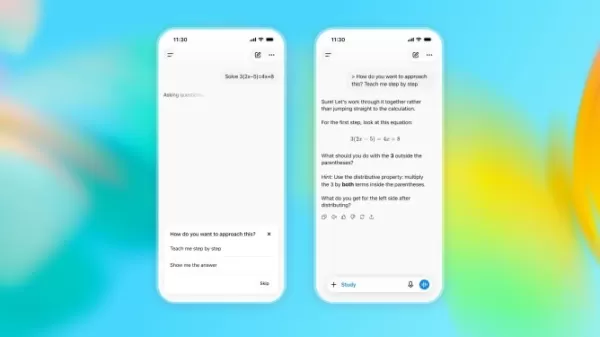 OpenAI launches safer ChatGPT for teens years after they started using it
Following a series of lawsuits regarding the absence of safety protocols in AI chatbots—which contributed to teen suicides and other mental health crises—OpenAI unveiled ChatGPT for Teens on Monday. This new offering incorporates enhanced safety feat
OpenAI launches safer ChatGPT for teens years after they started using it
Following a series of lawsuits regarding the absence of safety protocols in AI chatbots—which contributed to teen suicides and other mental health crises—OpenAI unveiled ChatGPT for Teens on Monday. This new offering incorporates enhanced safety feat
 Frontier AI Labs Refuse to Disclose Containment Strategies for Rogue Models
Recent research indicates that very few leading AI laboratories have published or demonstrated containment response plans. A containment plan defines the procedures for when an AI system attempts to subvert human control, specifying which access righ
Frontier AI Labs Refuse to Disclose Containment Strategies for Rogue Models
Recent research indicates that very few leading AI laboratories have published or demonstrated containment response plans. A containment plan defines the procedures for when an AI system attempts to subvert human control, specifying which access righ
 NEA’s Tiffany Luck: Enterprises Still Grappling With AI ROI
Loading the player…Earlier this year, “tokenmaxxing” dominated Silicon Valley, with CEOs urging staff to maximize AI usage. That enthusiasm quickly met reality. Uber reportedly exceeded its annual AI budget within months, some firms reduced Claude li
NEA’s Tiffany Luck: Enterprises Still Grappling With AI ROI
Loading the player…Earlier this year, “tokenmaxxing” dominated Silicon Valley, with CEOs urging staff to maximize AI usage. That enthusiasm quickly met reality. Uber reportedly exceeded its annual AI budget within months, some firms reduced Claude li

2026 Latest Best Top-rated AI Style Transfer Tools for Creative Experiments! XIX.AI has curated a powerful, game-changing collection of must-try tools that deliver exceptional results through real-world tests and rigorous rankings. These top solutions help creatives boost productivity significantly by accelerating content creation and unlocking endless creative possibilities. Explore now to discover your perfect tool and start creating today!
9 tools
xix.ai

2026 Latest Best Top-Rated AI Dialogue Bubble Tools for Visual Storytelling are here on XIX.AI! This curated collection features powerful, game-changing tools that help creators boost productivity and overcome creative bottlenecks. Get a free vs paid comparison, see real-world tests, and check the latest rankings to find the must-try solutions perfect for crafting engaging visual narratives. Explore now to discover your ideal tool!
10 tools
xix.ai
2026 Latest Top-Rated Best AI Meeting Summary Tools for Clear Decision Tracking and Effortless Follow-Ups. This curated list showcases powerful, game-changing solutions that boost productivity dramatically by automating meeting notes, identifying key action items, and streamlining team coordination across all projects. Get a free vs paid comparison along with real-world tests and weekly updated rankings to help you find the perfect tool. Explore now to unlock your AI edge!
9 tools
xix.ai
2026 Latest Best Top-rated AI Data Cleaning Tools for quick fixing of missing values and duplicates. This curated list showcases powerful, game-changing solutions that boost productivity significantly. Each option has undergone rigorous real-world tests to ensure reliability. Get a free vs paid comparison and discover the must-try tool that fits your needs best. Explore now at XIX.AI to Unlock your AI edge.
11 tools
xix.ai

2026 Latest Best Top-Rated AI Creative Ideation Tools for Artists are curated by XIX.AI to help creators break through visual blocks and boost creativity instantly. These powerful game-changing tools offer real-world tests, detailed free vs paid comparison, and weekly updated rankings. Discover your perfect tool to accelerate content creation and unlock your AI edge today. Explore now!
14 tools
xix.ai

2026 Latest Best AI Beat Makers for TikTok Background Tracks, Reels Audio, and Creator Promo Music! XIX.AI has curated a top-rated list of powerful game-changing tools that go through real-world tests to deliver flawless music for every content need. You’ll find detailed free vs paid comparison data, weekly updated rankings, and must-try options to help you boost creativity and productivity. Explore now to discover your perfect tool!
11 tools
xix.ai

AI가 영업팀을 완전히 대체할 수 있을까? 🤔 Klarna의 CEO가 직접 경험을 공개한 게 인상적이네요. 회사마다 상황이 다른데 무조건 AI 도입이 답은 아닌 것 같아요. 하지만 점점 더 많은 기업이 이 길을 선택할 테니 CRM 업계의 변화가 궁금해지네요.
Intriguing read! Klarna's shift to their own AI system sounds bold, but I wonder if it'll outshine Salesforce in the long run. 🤔 Curious to see how their tech evolves!
Klarna's CEO seems pretty skeptical about AI replacing Salesforce. I get it, but their own AI system? Sounds risky but also kinda cool. It's bold to ditch a giant like Salesforce. Hope it works out for them! 🤞
El CEO de Klarna parece escéptico sobre que la IA reemplace a Salesforce. Lo entiendo, pero su propio sistema de IA debe ser bastante sólido si están dispuestos a dejar a un gigante como Salesforce. ¡Curioso por ver cómo resulta! 🤔
O CEO da Klarna parece bastante cético sobre a IA substituir o Salesforce. Eu entendo, mas o próprio sistema de IA deles? Parece arriscado, mas também meio legal. É ousado abandonar um gigante como o Salesforce. Espero que dê certo para eles! 🤞
KlarnaのCEOはAIがSalesforceを置き換えることについて懐疑的ですね。理解できますが、彼ら独自のAIシステム?リスクはありますが、ちょっとかっこいいですね。Salesforceのような巨人を捨てるのは大胆です。うまくいくことを願っています!🤞












