


 Home
HomeDropout Status Emerges as Top Credential for Startup Founders
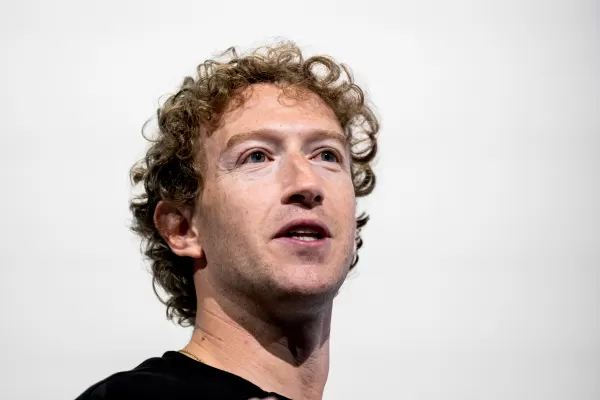
While legendary founders like Steve Jobs, Bill Gates, and Mark Zuckerberg famously left college without degrees, numerous studies indicate that most successful startups are founded by individuals with bachelor's or graduate degrees.
Despite these findings, the allure of the dropout founder remains strong, though venture capital interest in founders without degrees fluctuates. This trend cycles in and out of favor, and it's currently gaining momentum during the AI boom.
This pattern is especially noticeable at Y Combinator Demo Days, where founders increasingly mention their dropout status in their brief pitches.
"YC doesn't officially track dropout rates, but from what I've observed in recent batches, I was surprised by how many founders emphasize having left college, graduate school, or even high school," said Katie Jacobs Stanton, founder and general partner of Moxxie Ventures. "Dropping out has become a badge of honor, signaling strong dedication and a focus on building. It's generally viewed as a positive attribute within the venture community."
Although many prominent founders in the AI sector are young, most chose to complete their degrees. For example, Cursor CEO Michael Truell is an MIT graduate, and Cognition co-founder Scott Wu graduated from Harvard.
Nevertheless, a growing number of aspiring entrepreneurs worry that staying in school to graduate means missing the prime opportunity in the AI development cycle. Some, like Mercor co-founder Brendan Foody, have famously left prestigious institutions like Georgetown to focus on their startups.
As Kulveer Taggar, founder of Phosphor Capital, a venture firm focused on Y Combinator, explained to TechCrunch: "There's a palpable sense of urgency, perhaps even FOMO." The current reasoning is: "I can either finish my degree or start building now."
Techcrunch event Join the Disrupt 2026 Waitlist
Join the Disrupt 2026 waitlist to get early access when Early Bird tickets become available. Previous Disrupt events have featured industry leaders from Google Cloud, Netflix, Microsoft, Box, Phia, a16z, ElevenLabs, Wayve, Hugging Face, Elad Gil, and Vinod Khosla—part of over 250 experts leading 200+ sessions designed to accelerate your growth and enhance your competitive advantage. You'll also have the chance to connect with hundreds of startups driving innovation across various industries.
Join the Disrupt 2026 Waitlist
Join the Disrupt 2026 waitlist to get early access when Early Bird tickets become available. Previous Disrupt events have featured industry leaders from Google Cloud, Netflix, Microsoft, Box, Phia, a16z, ElevenLabs, Wayve, Hugging Face, Elad Gil, and Vinod Khosla—part of over 250 experts leading 200+ sessions designed to accelerate your growth and enhance your competitive advantage. You'll also have the chance to connect with hundreds of startups driving innovation across various industries.
San Francisco | October 13-15, 2026 WAITLIST NOW This concern is leading to extreme situations. A professor at a top-tier university recently described a student who abandoned his degree during his final semester. The student believed that having a diploma would actually reduce his chances of securing funding.
While some founders worry that a degree might send the wrong message, Yuri Sagalov, who oversees General Catalyst's seed strategy, notes that VCs aren't particularly focused on whether someone dropped out, especially if they were close to graduation: "I don't think I've ever treated someone differently based on whether they graduated or dropped out in their fourth year."
Even though self-taught tech prodigies can launch startups without formal education, Sagalov points out that universities still offer valuable social networks and brand recognition, even if a founder doesn't complete their degree.
"You gain significant social value... because you can mention your participation," Sagalov said. "Most people will check your LinkedIn profile and won't be overly concerned about whether you finished your degree."
Although many investors now believe founders can succeed without a university degree, not all VCs agree that younger founders have an advantage in the current market.
Wesley Chan, co-founder of FPV Ventures, is less inclined to invest in dropouts because he values a quality that most young founders haven't yet developed: wisdom. Chan believes wisdom is more commonly found in "older founders or individuals with some experience and setbacks."
Related article
 DeepMind CEO Hassabis: I sleep six hours a day, usually feel energetic around 1 a.m.
Fortune recently featured an interview with Demis Hassabis, CEO of Google DeepMind, revealing his unconventional approach to rest and productivity. Hassabis disclosed that he sleeps very little, structuring his waking hours into two distinct work blo
OpenAI, Anthropic Vie for Market Share Despite Revenue Shortfalls
Despite recent reports suggesting OpenAI missed revenue targets, creating pressure on tech stocks this Tuesday, private AI lab investors remain resilient. Seasoned backers have confirmed they will not reduce investment despite negative media coverage
California AV Compliance: A New Era of Tickets, Geofences, and 1M Miles
Guident operates an AuveTech shuttle in South Florida, managing a four-mile route in West Palm Beach and a one-mile route in Boca Raton using its remote monitoring technology. | Credit: GuidentCalifornia is redefining the regulatory landscape for dri
Related Special Topic Recommendations
Music composition
DeepMind CEO Hassabis: I sleep six hours a day, usually feel energetic around 1 a.m.
Fortune recently featured an interview with Demis Hassabis, CEO of Google DeepMind, revealing his unconventional approach to rest and productivity. Hassabis disclosed that he sleeps very little, structuring his waking hours into two distinct work blo
OpenAI, Anthropic Vie for Market Share Despite Revenue Shortfalls
Despite recent reports suggesting OpenAI missed revenue targets, creating pressure on tech stocks this Tuesday, private AI lab investors remain resilient. Seasoned backers have confirmed they will not reduce investment despite negative media coverage
California AV Compliance: A New Era of Tickets, Geofences, and 1M Miles
Guident operates an AuveTech shuttle in South Florida, managing a four-mile route in West Palm Beach and a one-mile route in Boca Raton using its remote monitoring technology. | Credit: GuidentCalifornia is redefining the regulatory landscape for dri
Related Special Topic Recommendations
Music composition
 AI Stem Separation Tools for Remix Production, Sampling Prep, and Karaoke Masters
2026 Latest Best Top-rated AI Stem Separation Tools Curated for Remix Production, Sampling Prep, and Karaoke Masters. These powerful game-changing tools offer real-world tests to deliver precise audio isolation, boosting productivity significantly. XIX.AI provides a weekly updated free vs paid comparison guide to help you find the must-try solution that suits your needs. Explore now to unlock your AI edge.
 8 tools
 xix.ai
Data Analysis
AI SQL Copilots for Revenue Dashboards, Funnel Analysis, and Product Metrics
xix.ai
Data Analysis
AI SQL Copilots for Revenue Dashboards, Funnel Analysis, and Product Metrics
2026 Latest Best AI SQL Copilots Ranked Top-Rated! XIX.AI curates a powerful game-changing collection for weekly updated real-world tests. These must-try tools help you generate accurate revenue dashboards, analyze sales funnels, and track product metrics swiftly, boosting productivity massively. Explore now to Discover your perfect tool for data-driven decision making! 238 characters
9 tools
xix.ai
Music composition
Best AI Melody Writing Tools for Song Drafts
2026 Latest Best Top-Rated AI Melody Writing Tools for Song Drafts! XIX.AI has curated a highly powerful game-changing collection that goes through rigorous real-world tests to deliver the best writing experience. You can find detailed free vs paid comparisons, accurate rankings, and must-try options designed to help you create stunning song drafts effortlessly and boost your creative productivity significantly. Explore now to discover your perfect tool!
8 tools
xix.ai
chatbot
Best AI Conversation Trainer Tools for Interview Practice
2026 Latest Best Top-rated AI Conversation Trainer Tools for Interview Practice are here on XIX.AI! This curated collection features powerful, game-changing tools that go through rigorous real-world tests to deliver accurate feedback. You’ll find a free vs paid comparison and detailed rankings to help you choose the must-try option that boosts your confidence and skills. Explore now to Discover your perfect tool for interview success!
12 tools
xix.ai
Design & Art
Best AI Style Transfer Tools for Creative Experiments
2026 Latest Best Top-rated AI Style Transfer Tools for Creative Experiments! XIX.AI has curated a powerful, game-changing collection of must-try tools that deliver exceptional results through real-world tests and rigorous rankings. These top solutions help creatives boost productivity significantly by accelerating content creation and unlocking endless creative possibilities. Explore now to discover your perfect tool and start creating today!
9 tools
xix.ai
Comic Creation
Best AI Dialogue Bubble Tools for Visual Storytelling
2026 Latest Best Top-Rated AI Dialogue Bubble Tools for Visual Storytelling are here on XIX.AI! This curated collection features powerful, game-changing tools that help creators boost productivity and overcome creative bottlenecks. Get a free vs paid comparison, see real-world tests, and check the latest rankings to find the must-try solutions perfect for crafting engaging visual narratives. Explore now to discover your ideal tool!
10 tools
xix.ai

 Comments (0)
0/500
Comments (0)
0/500
While legendary founders like Steve Jobs, Bill Gates, and Mark Zuckerberg famously left college without degrees, numerous studies indicate that most successful startups are founded by individuals with bachelor's or graduate degrees.
Despite these findings, the allure of the dropout founder remains strong, though venture capital interest in founders without degrees fluctuates. This trend cycles in and out of favor, and it's currently gaining momentum during the AI boom.
This pattern is especially noticeable at Y Combinator Demo Days, where founders increasingly mention their dropout status in their brief pitches.
"YC doesn't officially track dropout rates, but from what I've observed in recent batches, I was surprised by how many founders emphasize having left college, graduate school, or even high school," said Katie Jacobs Stanton, founder and general partner of Moxxie Ventures. "Dropping out has become a badge of honor, signaling strong dedication and a focus on building. It's generally viewed as a positive attribute within the venture community."
Although many prominent founders in the AI sector are young, most chose to complete their degrees. For example, Cursor CEO Michael Truell is an MIT graduate, and Cognition co-founder Scott Wu graduated from Harvard.
Nevertheless, a growing number of aspiring entrepreneurs worry that staying in school to graduate means missing the prime opportunity in the AI development cycle. Some, like Mercor co-founder Brendan Foody, have famously left prestigious institutions like Georgetown to focus on their startups.
As Kulveer Taggar, founder of Phosphor Capital, a venture firm focused on Y Combinator, explained to TechCrunch: "There's a palpable sense of urgency, perhaps even FOMO." The current reasoning is: "I can either finish my degree or start building now."
Techcrunch eventJoin the Disrupt 2026 Waitlist
Join the Disrupt 2026 waitlist to get early access when Early Bird tickets become available. Previous Disrupt events have featured industry leaders from Google Cloud, Netflix, Microsoft, Box, Phia, a16z, ElevenLabs, Wayve, Hugging Face, Elad Gil, and Vinod Khosla—part of over 250 experts leading 200+ sessions designed to accelerate your growth and enhance your competitive advantage. You'll also have the chance to connect with hundreds of startups driving innovation across various industries.
Join the Disrupt 2026 Waitlist
Join the Disrupt 2026 waitlist to get early access when Early Bird tickets become available. Previous Disrupt events have featured industry leaders from Google Cloud, Netflix, Microsoft, Box, Phia, a16z, ElevenLabs, Wayve, Hugging Face, Elad Gil, and Vinod Khosla—part of over 250 experts leading 200+ sessions designed to accelerate your growth and enhance your competitive advantage. You'll also have the chance to connect with hundreds of startups driving innovation across various industries.
San Francisco | October 13-15, 2026 WAITLIST NOWThis concern is leading to extreme situations. A professor at a top-tier university recently described a student who abandoned his degree during his final semester. The student believed that having a diploma would actually reduce his chances of securing funding.
While some founders worry that a degree might send the wrong message, Yuri Sagalov, who oversees General Catalyst's seed strategy, notes that VCs aren't particularly focused on whether someone dropped out, especially if they were close to graduation: "I don't think I've ever treated someone differently based on whether they graduated or dropped out in their fourth year."
Even though self-taught tech prodigies can launch startups without formal education, Sagalov points out that universities still offer valuable social networks and brand recognition, even if a founder doesn't complete their degree.
"You gain significant social value... because you can mention your participation," Sagalov said. "Most people will check your LinkedIn profile and won't be overly concerned about whether you finished your degree."
Although many investors now believe founders can succeed without a university degree, not all VCs agree that younger founders have an advantage in the current market.
Wesley Chan, co-founder of FPV Ventures, is less inclined to invest in dropouts because he values a quality that most young founders haven't yet developed: wisdom. Chan believes wisdom is more commonly found in "older founders or individuals with some experience and setbacks."








 DeepMind CEO Hassabis: I sleep six hours a day, usually feel energetic around 1 a.m.
Fortune recently featured an interview with Demis Hassabis, CEO of Google DeepMind, revealing his unconventional approach to rest and productivity. Hassabis disclosed that he sleeps very little, structuring his waking hours into two distinct work blo
DeepMind CEO Hassabis: I sleep six hours a day, usually feel energetic around 1 a.m.
Fortune recently featured an interview with Demis Hassabis, CEO of Google DeepMind, revealing his unconventional approach to rest and productivity. Hassabis disclosed that he sleeps very little, structuring his waking hours into two distinct work blo
 OpenAI, Anthropic Vie for Market Share Despite Revenue Shortfalls
Despite recent reports suggesting OpenAI missed revenue targets, creating pressure on tech stocks this Tuesday, private AI lab investors remain resilient. Seasoned backers have confirmed they will not reduce investment despite negative media coverage
California AV Compliance: A New Era of Tickets, Geofences, and 1M Miles
Guident operates an AuveTech shuttle in South Florida, managing a four-mile route in West Palm Beach and a one-mile route in Boca Raton using its remote monitoring technology. | Credit: GuidentCalifornia is redefining the regulatory landscape for dri
OpenAI, Anthropic Vie for Market Share Despite Revenue Shortfalls
Despite recent reports suggesting OpenAI missed revenue targets, creating pressure on tech stocks this Tuesday, private AI lab investors remain resilient. Seasoned backers have confirmed they will not reduce investment despite negative media coverage
California AV Compliance: A New Era of Tickets, Geofences, and 1M Miles
Guident operates an AuveTech shuttle in South Florida, managing a four-mile route in West Palm Beach and a one-mile route in Boca Raton using its remote monitoring technology. | Credit: GuidentCalifornia is redefining the regulatory landscape for dri

2026 Latest Best Top-rated AI Stem Separation Tools Curated for Remix Production, Sampling Prep, and Karaoke Masters. These powerful game-changing tools offer real-world tests to deliver precise audio isolation, boosting productivity significantly. XIX.AI provides a weekly updated free vs paid comparison guide to help you find the must-try solution that suits your needs. Explore now to unlock your AI edge.
8 tools
xix.ai

2026 Latest Best AI SQL Copilots Ranked Top-Rated! XIX.AI curates a powerful game-changing collection for weekly updated real-world tests. These must-try tools help you generate accurate revenue dashboards, analyze sales funnels, and track product metrics swiftly, boosting productivity massively. Explore now to Discover your perfect tool for data-driven decision making! 238 characters
9 tools
xix.ai

2026 Latest Best Top-Rated AI Melody Writing Tools for Song Drafts! XIX.AI has curated a highly powerful game-changing collection that goes through rigorous real-world tests to deliver the best writing experience. You can find detailed free vs paid comparisons, accurate rankings, and must-try options designed to help you create stunning song drafts effortlessly and boost your creative productivity significantly. Explore now to discover your perfect tool!
8 tools
xix.ai
2026 Latest Best Top-rated AI Conversation Trainer Tools for Interview Practice are here on XIX.AI! This curated collection features powerful, game-changing tools that go through rigorous real-world tests to deliver accurate feedback. You’ll find a free vs paid comparison and detailed rankings to help you choose the must-try option that boosts your confidence and skills. Explore now to Discover your perfect tool for interview success!
12 tools
xix.ai

2026 Latest Best Top-rated AI Style Transfer Tools for Creative Experiments! XIX.AI has curated a powerful, game-changing collection of must-try tools that deliver exceptional results through real-world tests and rigorous rankings. These top solutions help creatives boost productivity significantly by accelerating content creation and unlocking endless creative possibilities. Explore now to discover your perfect tool and start creating today!
9 tools
xix.ai

2026 Latest Best Top-Rated AI Dialogue Bubble Tools for Visual Storytelling are here on XIX.AI! This curated collection features powerful, game-changing tools that help creators boost productivity and overcome creative bottlenecks. Get a free vs paid comparison, see real-world tests, and check the latest rankings to find the must-try solutions perfect for crafting engaging visual narratives. Explore now to discover your ideal tool!
10 tools
xix.ai












