


 Home
HomeGM lays off hundreds of IT workers to hire AI specialists
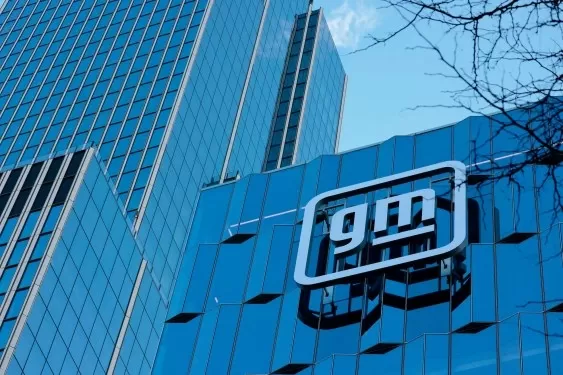
General Motors has cut over 10% of its IT workforce—roughly 600 salaried employees—as part of a deliberate skills shift: phasing out workers whose expertise no longer aligns and bringing in people with AI-focused backgrounds.
GM confirmed the layoffs to TechCrunch; Bloomberg News first reported the move.
In a statement sent via email, the automaker described the cuts as part of preparing for the future, without offering specifics. “GM is transforming its Information Technology organization to better position the company for the future,” the company said.
Not all of these layoffs represent permanent headcount reductions. A person familiar with the situation told TechCrunch that GM continues to hire for IT roles—but with a different skill set in mind. The most in-demand capabilities include AI-native development, data engineering and analytics, cloud-based engineering, agent and model development, prompt engineering, and new AI workflows. In practice, GM is looking for people who can build with AI from scratch—designing systems, training models, and engineering pipelines—rather than simply using AI as a productivity tool.
Over the past 18 months, GM has laid off white-collar workers across several departments as it concentrates resources on high-priority initiatives, including AI. In August 2024, for example, the company cut about 1,000 software employees.
The software workforce has seen major changes since Sterling Anderson—co-founder of autonomous trucking startup Aurora and a veteran of the autonomous vehicle industry—joined as chief product officer in May 2025. Last November, three top executives left GM’s software team as Anderson pushed to consolidate the company’s fragmented technology businesses into a single organization: Baris Cetinok, senior vice president of software and services product management; Dave Richardson, senior vice president of software and services engineering; and Barak Turovsky, a former Cisco VP who spent just nine months as GM’s chief AI officer.
GM has since moved to fill the gap with new AI-focused hires. In October, it brought on Behrad Toghi, a former Apple employee, as AI lead. The company also hired Rashed Haq as vice president of autonomous vehicles. Haq spent five years at Cruise—the self-driving company that GM acquired and later shut down—as head of AI and robotics.
For the broader industry, GM’s restructuring signals what enterprise AI adoption actually looks like in practice—not just layering AI tools on top of existing teams, but deliberately rebuilding the workforce from the ground up. The specific capabilities GM is hiring for—agent development, model engineering, AI-native workflows—point directly to where large-enterprise demand is heading.
Related article
 Monday.com joins 20 tech firms blaming AI for layoffs
Monday.com, the Tel Aviv-based work management software company known for its colorful, customizable project-tracking boards, this week became the latest tech company to cite AI as a factor in job cuts. On Wednesday, the company said in an SEC filing
Major Tech Layoffs in 2026: Employers Cite AI
Oracle announced on Monday that it has reduced its workforce by 21,000 employees over the last 12 months, representing a 13% decline. This figure exceeds previous estimates and includes positions eliminated due to AI integration. “The adoption and de
Robinhood's 10% layoffs: blaming AI fails to justify the cuts
It seems that using AI as a cover story for layoffs is quickly losing its appeal.
Unlike many tech leaders who have laid off thousands this year, citing AI-driven restructuring, Robinhood CEO Vlad Tenev notably avoided any mention of AI in his memo a
Related Special Topic Recommendations
chatbot
Monday.com joins 20 tech firms blaming AI for layoffs
Monday.com, the Tel Aviv-based work management software company known for its colorful, customizable project-tracking boards, this week became the latest tech company to cite AI as a factor in job cuts. On Wednesday, the company said in an SEC filing
Major Tech Layoffs in 2026: Employers Cite AI
Oracle announced on Monday that it has reduced its workforce by 21,000 employees over the last 12 months, representing a 13% decline. This figure exceeds previous estimates and includes positions eliminated due to AI integration. “The adoption and de
Robinhood's 10% layoffs: blaming AI fails to justify the cuts
It seems that using AI as a cover story for layoffs is quickly losing its appeal.
Unlike many tech leaders who have laid off thousands this year, citing AI-driven restructuring, Robinhood CEO Vlad Tenev notably avoided any mention of AI in his memo a
Related Special Topic Recommendations
chatbot
 Best AI Conversation Trainer Tools for Interview Practice
2026 Latest Best Top-rated AI Conversation Trainer Tools for Interview Practice are here on XIX.AI! This curated collection features powerful, game-changing tools that go through rigorous real-world tests to deliver accurate feedback. You’ll find a free vs paid comparison and detailed rankings to help you choose the must-try option that boosts your confidence and skills. Explore now to Discover your perfect tool for interview success!
 12 tools
 xix.ai
Design & Art
Best AI Style Transfer Tools for Creative Experiments
xix.ai
Design & Art
Best AI Style Transfer Tools for Creative Experiments
2026 Latest Best Top-rated AI Style Transfer Tools for Creative Experiments! XIX.AI has curated a powerful, game-changing collection of must-try tools that deliver exceptional results through real-world tests and rigorous rankings. These top solutions help creatives boost productivity significantly by accelerating content creation and unlocking endless creative possibilities. Explore now to discover your perfect tool and start creating today!
9 tools
xix.ai
Comic Creation
Best AI Dialogue Bubble Tools for Visual Storytelling
2026 Latest Best Top-Rated AI Dialogue Bubble Tools for Visual Storytelling are here on XIX.AI! This curated collection features powerful, game-changing tools that help creators boost productivity and overcome creative bottlenecks. Get a free vs paid comparison, see real-world tests, and check the latest rankings to find the must-try solutions perfect for crafting engaging visual narratives. Explore now to discover your ideal tool!
10 tools
xix.ai
Meeting Assistant
Top AI Meeting Summary Tools: Track Decisions and Follow-Ups Clearly
2026 Latest Top-Rated Best AI Meeting Summary Tools for Clear Decision Tracking and Effortless Follow-Ups. This curated list showcases powerful, game-changing solutions that boost productivity dramatically by automating meeting notes, identifying key action items, and streamlining team coordination across all projects. Get a free vs paid comparison along with real-world tests and weekly updated rankings to help you find the perfect tool. Explore now to unlock your AI edge!
9 tools
xix.ai
Data Analysis
Best AI Data Cleaning Tools: Fix Missing Values and Duplicates Fast
2026 Latest Best Top-rated AI Data Cleaning Tools for quick fixing of missing values and duplicates. This curated list showcases powerful, game-changing solutions that boost productivity significantly. Each option has undergone rigorous real-world tests to ensure reliability. Get a free vs paid comparison and discover the must-try tool that fits your needs best. Explore now at XIX.AI to Unlock your AI edge.
11 tools
xix.ai
Design & Art
Best AI Creative Ideation Tools for Artists: Break Through Visual Blocks
2026 Latest Best Top-Rated AI Creative Ideation Tools for Artists are curated by XIX.AI to help creators break through visual blocks and boost creativity instantly. These powerful game-changing tools offer real-world tests, detailed free vs paid comparison, and weekly updated rankings. Discover your perfect tool to accelerate content creation and unlock your AI edge today. Explore now!
14 tools
xix.ai

 Comments (0)
0/500
Comments (0)
0/500
General Motors has cut over 10% of its IT workforce—roughly 600 salaried employees—as part of a deliberate skills shift: phasing out workers whose expertise no longer aligns and bringing in people with AI-focused backgrounds.
GM confirmed the layoffs to TechCrunch; Bloomberg News first reported the move.
In a statement sent via email, the automaker described the cuts as part of preparing for the future, without offering specifics. “GM is transforming its Information Technology organization to better position the company for the future,” the company said.
Not all of these layoffs represent permanent headcount reductions. A person familiar with the situation told TechCrunch that GM continues to hire for IT roles—but with a different skill set in mind. The most in-demand capabilities include AI-native development, data engineering and analytics, cloud-based engineering, agent and model development, prompt engineering, and new AI workflows. In practice, GM is looking for people who can build with AI from scratch—designing systems, training models, and engineering pipelines—rather than simply using AI as a productivity tool.
Over the past 18 months, GM has laid off white-collar workers across several departments as it concentrates resources on high-priority initiatives, including AI. In August 2024, for example, the company cut about 1,000 software employees.
The software workforce has seen major changes since Sterling Anderson—co-founder of autonomous trucking startup Aurora and a veteran of the autonomous vehicle industry—joined as chief product officer in May 2025. Last November, three top executives left GM’s software team as Anderson pushed to consolidate the company’s fragmented technology businesses into a single organization: Baris Cetinok, senior vice president of software and services product management; Dave Richardson, senior vice president of software and services engineering; and Barak Turovsky, a former Cisco VP who spent just nine months as GM’s chief AI officer.
GM has since moved to fill the gap with new AI-focused hires. In October, it brought on Behrad Toghi, a former Apple employee, as AI lead. The company also hired Rashed Haq as vice president of autonomous vehicles. Haq spent five years at Cruise—the self-driving company that GM acquired and later shut down—as head of AI and robotics.
For the broader industry, GM’s restructuring signals what enterprise AI adoption actually looks like in practice—not just layering AI tools on top of existing teams, but deliberately rebuilding the workforce from the ground up. The specific capabilities GM is hiring for—agent development, model engineering, AI-native workflows—point directly to where large-enterprise demand is heading.








 Monday.com joins 20 tech firms blaming AI for layoffs
Monday.com, the Tel Aviv-based work management software company known for its colorful, customizable project-tracking boards, this week became the latest tech company to cite AI as a factor in job cuts. On Wednesday, the company said in an SEC filing
Monday.com joins 20 tech firms blaming AI for layoffs
Monday.com, the Tel Aviv-based work management software company known for its colorful, customizable project-tracking boards, this week became the latest tech company to cite AI as a factor in job cuts. On Wednesday, the company said in an SEC filing
 Major Tech Layoffs in 2026: Employers Cite AI
Oracle announced on Monday that it has reduced its workforce by 21,000 employees over the last 12 months, representing a 13% decline. This figure exceeds previous estimates and includes positions eliminated due to AI integration. “The adoption and de
Major Tech Layoffs in 2026: Employers Cite AI
Oracle announced on Monday that it has reduced its workforce by 21,000 employees over the last 12 months, representing a 13% decline. This figure exceeds previous estimates and includes positions eliminated due to AI integration. “The adoption and de
 Robinhood's 10% layoffs: blaming AI fails to justify the cuts
It seems that using AI as a cover story for layoffs is quickly losing its appeal.
Unlike many tech leaders who have laid off thousands this year, citing AI-driven restructuring, Robinhood CEO Vlad Tenev notably avoided any mention of AI in his memo a
Robinhood's 10% layoffs: blaming AI fails to justify the cuts
It seems that using AI as a cover story for layoffs is quickly losing its appeal.
Unlike many tech leaders who have laid off thousands this year, citing AI-driven restructuring, Robinhood CEO Vlad Tenev notably avoided any mention of AI in his memo a

2026 Latest Best Top-rated AI Conversation Trainer Tools for Interview Practice are here on XIX.AI! This curated collection features powerful, game-changing tools that go through rigorous real-world tests to deliver accurate feedback. You’ll find a free vs paid comparison and detailed rankings to help you choose the must-try option that boosts your confidence and skills. Explore now to Discover your perfect tool for interview success!
12 tools
xix.ai

2026 Latest Best Top-rated AI Style Transfer Tools for Creative Experiments! XIX.AI has curated a powerful, game-changing collection of must-try tools that deliver exceptional results through real-world tests and rigorous rankings. These top solutions help creatives boost productivity significantly by accelerating content creation and unlocking endless creative possibilities. Explore now to discover your perfect tool and start creating today!
9 tools
xix.ai

2026 Latest Best Top-Rated AI Dialogue Bubble Tools for Visual Storytelling are here on XIX.AI! This curated collection features powerful, game-changing tools that help creators boost productivity and overcome creative bottlenecks. Get a free vs paid comparison, see real-world tests, and check the latest rankings to find the must-try solutions perfect for crafting engaging visual narratives. Explore now to discover your ideal tool!
10 tools
xix.ai
2026 Latest Top-Rated Best AI Meeting Summary Tools for Clear Decision Tracking and Effortless Follow-Ups. This curated list showcases powerful, game-changing solutions that boost productivity dramatically by automating meeting notes, identifying key action items, and streamlining team coordination across all projects. Get a free vs paid comparison along with real-world tests and weekly updated rankings to help you find the perfect tool. Explore now to unlock your AI edge!
9 tools
xix.ai

2026 Latest Best Top-rated AI Data Cleaning Tools for quick fixing of missing values and duplicates. This curated list showcases powerful, game-changing solutions that boost productivity significantly. Each option has undergone rigorous real-world tests to ensure reliability. Get a free vs paid comparison and discover the must-try tool that fits your needs best. Explore now at XIX.AI to Unlock your AI edge.
11 tools
xix.ai

2026 Latest Best Top-Rated AI Creative Ideation Tools for Artists are curated by XIX.AI to help creators break through visual blocks and boost creativity instantly. These powerful game-changing tools offer real-world tests, detailed free vs paid comparison, and weekly updated rankings. Discover your perfect tool to accelerate content creation and unlock your AI edge today. Explore now!
14 tools
xix.ai












