


 Home
HomeFigure Switches to In-House AI Models, Ditches OpenAI
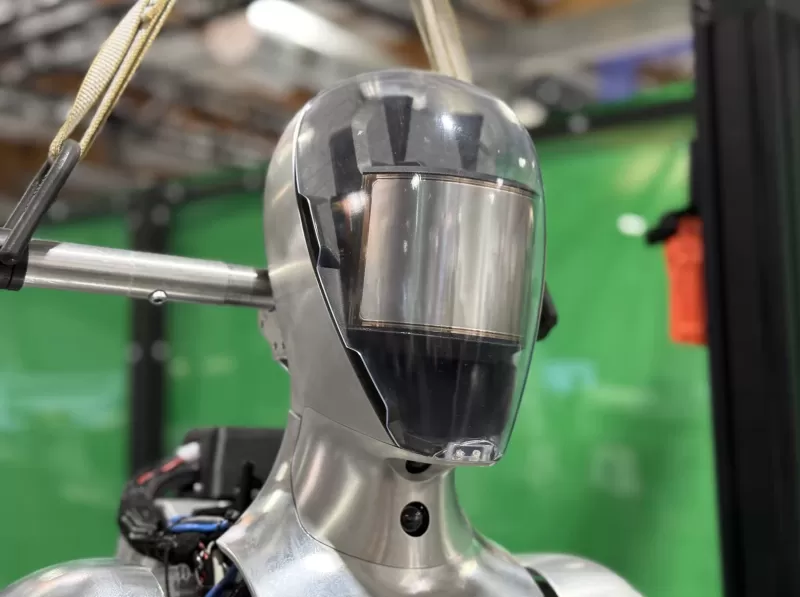
Figure AI, a company developing general-purpose humanoid robots for both commercial and residential use, announced on Tuesday via X that it's pulling out of its deal with OpenAI. The Bay Area-based company is now shifting its focus to developing its own AI, spurred by what they're calling a "major breakthrough." In a chat with TechCrunch, founder and CEO Brett Adcock kept the details under wraps but teased that they'll unveil "something no one has ever seen on a humanoid" within the next month.
OpenAI has been a significant investor in Figure, and the two had inked a deal last year to work on "next generation AI models for humanoid robots." Alongside this, Figure announced a hefty $675 million funding round, pushing its valuation to $2.6 billion. To date, the company has raised a total of $1.5 billion.
The decision to part ways with OpenAI might come as a shock, especially considering the buzz that comes with being linked to such a high-profile company. Just last August, they announced that the Figure 02 humanoid would leverage OpenAI's models for natural language communication.
According to Adcock, the sticking point was integration. OpenAI, being a giant with a wide range of focuses, doesn't prioritize embodied AI—the kind that powers physical robots like those from Figure. Adcock believes the best approach is to build an AI model from the ground up, specifically tailored to their hardware.
"We found that to solve embodied AI at scale in the real world, you have to vertically integrate robot AI," Adcock explained to TechCrunch. "We can’t outsource AI for the same reason we can’t outsource our hardware."
OpenAI, meanwhile, has been spreading its bets across the humanoid robotics field. It's also a major investor in the Norwegian startup 1X, which, unlike most firms focusing on industrial settings, is targeting the home market. During a visit to Figure’s Sunnyvale office last September, Adcock mentioned to TechCrunch that they're also looking into home applications, though it's not their main focus. After all, big companies like BMW, which started using Figure robots in a South Carolina factory last year, have more cash to throw at new tech.
Interestingly, OpenAI might be dipping its toes into humanoid hardware itself. On Friday, they filed a trademark application with the U.S. Patent and Trademark Office (USPTO) that mentions "user-programmable humanoid robots" and "humanoid robots having communication and learning functions for assisting and entertaining people."
While IP filings don't always lead to actual products, it's hard not to connect the dots with these recent developments. Figure's hefty funding has fueled rapid growth, leading to an expansion into a larger Bay Area office to house their expanding team.
When it comes to proprietary software, the Apple approach—building software that's perfectly tuned to your hardware—can be a game-changer. It's tough and resource-heavy, though.
Most companies in the humanoid space are tinkering with their own AI models to some extent, though collaborations are still common. For instance, Boston Dynamics teamed up with Toyota Research Institute in October to bring smarts to the Atlas robot.
TechCrunch has reached out to OpenAI for their take on all this.
Related article
 PHP Armageddon: OpenAI, Google’s Wiz uncover ancient holes, sparking internet panic
The U.S. National Security Agency issued a critical alert on Wednesday regarding two severe vulnerabilities in PHP, for which patches have already been released by the PHP Foundation.As a server-side scripting language, PHP powers approximately 70% o
OpenAI launches GPT-5.5 Instant as ChatGPT’s new default model
OpenAI launched GPT-5.5 Instant on Monday, replacing GPT-5.3 Instant as the default ChatGPT model. The company states that this update minimizes hallucinations in high-stakes fields like law, medicine, and finance, while preserving the fast response
Nvidia to Derive 25% of Next Year’s Revenue from Funded Labs
Nvidia has deployed nearly US$50 billion into AI labs purchasing its chips, securing commitments for over $500 billion in total.On August 26, CFO Colette Kress informed analysts that these labs, backed by Nvidia’s balance sheet, will account for roug
Related Special Topic Recommendations
Design & Art
PHP Armageddon: OpenAI, Google’s Wiz uncover ancient holes, sparking internet panic
The U.S. National Security Agency issued a critical alert on Wednesday regarding two severe vulnerabilities in PHP, for which patches have already been released by the PHP Foundation.As a server-side scripting language, PHP powers approximately 70% o
OpenAI launches GPT-5.5 Instant as ChatGPT’s new default model
OpenAI launched GPT-5.5 Instant on Monday, replacing GPT-5.3 Instant as the default ChatGPT model. The company states that this update minimizes hallucinations in high-stakes fields like law, medicine, and finance, while preserving the fast response
Nvidia to Derive 25% of Next Year’s Revenue from Funded Labs
Nvidia has deployed nearly US$50 billion into AI labs purchasing its chips, securing commitments for over $500 billion in total.On August 26, CFO Colette Kress informed analysts that these labs, backed by Nvidia’s balance sheet, will account for roug
Related Special Topic Recommendations
Design & Art
 Top AI Illustration Tools: Create Editorial Scenes and Cover Art Faster
2026 Latest Top-rated AI Illustration Tools: Our curated list features the best powerfully designed tools for creating stunning editorial scenes and eye-catching cover art quickly. Each option has gone through rigorous real-world tests, offering a free vs paid comparison to help you find the perfect match for your workflow. Try these must-try solutions today to unlock your AI edge and boost your creative productivity. Explore now at XIX.AI.
 10 tools
 xix.ai
Education and Learning
Top AI Tutors for Exam Prep: Practice Math, Science, and English
xix.ai
Education and Learning
Top AI Tutors for Exam Prep: Practice Math, Science, and English
2026 Latest Top-Rated Best AI Tutors for Exam Prep are here on XIX.AI! Our curated list features powerful game-changing tools that offer free vs paid comparison, real-world tests, and weekly updated rankings. They help boost your writing efficiency, simplify complex topic learning, and unlock your academic potential. Explore now to Discover your perfect exam prep tool and Start creating today to Unlock your AI edge!
10 tools
xix.ai
Finance
AI Budget Planning Tools for Personal Money Management
2026 Latest Best Top-Rated AI Budget Planning Tools for Personal Money Management are here on XIX.AI! This curated collection features powerful, game-changing solutions that help you conduct real-world tests, understand spending habits, and create personalized plans to boost productivity. Enjoy a free vs paid comparison along with detailed rankings. Must-try tools designed to simplify money management and unlock your AI edge. Explore now!
11 tools
xix.ai
Health & Wellness
AI Sleep Tracking Assistants: Improve Recovery with Better Bedtime Habits
2026 Latest Best Top-Rated AI Sleep Tracking Assistants curated for ultimate recovery. This fully updated weekly guide features powerful tools that deliver real-world tests, free vs paid comparison, and detailed rankings to help you find the must-try solution that boosts sleep quality and supports better bedtime habits. Explore now at XIX.AI to Unlock your AI edge.
10 tools
xix.ai
Data Analysis
AI SQL Copilots for Product and Revenue Analytics
2026 Latest Best Top-Rated AI SQL Copilots for Product and Revenue Analytics! XIX.AI has curated a powerful, game-changing collection of must-try tools that undergo real-world tests through weekly updated rankings. These tools help users boost productivity significantly by accelerating data analysis, streamlining complex queries, and generating accurate insights to drive smarter business decisions. Explore now to Discover your perfect tool for unlocking your AI edge!
14 tools
xix.ai
Education and Learning
Best AI Homework Helpers That Teach: Learn Concepts, Not Just Answers
2026 Latest Best Top-Rated AI Homework Helpers That Teach Core Concepts Not Just Answers Powerful Tools for Students Must-Try Curated List Weekly Updated Free vs Paid Comparison Real-World Tests Accurate Rankings to Help You Unlock Your Full Learning Potential Explore now to Discover your perfect tool for smarter studying.
10 tools
xix.ai

 Comments (40)
0/500
Comments (40)
0/500
![EdwardTaylor]()
Figure AIがOpenAIとの契約を解除して自社AIモデルへ移行したというニュース、面白いですね。ロボット開発において基盤モデルの制御を自社で行うのは、長期的な競争力とセキュリティの観点から必然の流れかもしれません。ただ、大規模言語モデルの独自開発は莫大なコストと算力が要求されるので、Figure AIの技術力と資金力がどれほど持続できるか注目です。OpenAIのAPI依存から脱却する決断は大胆ですが、 humanoidロボットの普及には不可欠なステップだと感じます。 #FigureAI #OpenAI #Robotics
![FrankSanchez]()
Figure ditching OpenAI for in-house AI feels like a tech breakup where the robot startup suddenly thinks they can do better alone. Guess they weren't happy with the API costs or the lack of customization? 😅 I'm curious if their own model will actually outperform GPT-4 on real-world tasks like picking up a coffee cup without spilling it. Also, kind of ironic that they announced this on X, a platform that's also known for shifting strategies. Let's see if this move pays off or ends up as another cautionary tale about 'not invented here' syndrome.
![JamesCarter]()
Interesting move, but building their own AI from scratch is a huge gamble. Feels like they're trying to 'unplug' too soon – OpenAI's models provided a solid foundation. Can a robotics company really compete with the big AI labs on the core tech? Might end up slowing down their robot's 'brain' development. 🤔 The AI race is getting fragmented.
![PatrickEvans]()
Finalmente a Figure está investindo em IA própria! 🤖 A dependência de OpenAI era um risco enorme para a autonomia deles. Será que outras empresas de robótica vão seguir o exemplo? Mas desenvolver modelos internos dá um trabalho danado...
![RogerGonzalez]()
Interesante movimiento de Figure AI... ¿será que realmente pueden competir con OpenAI en desarrollo de modelos propios? O tal vez solo quieren control total sobre su tecnología. Al final, el mercado decidirá si fue una buena jugada 🤔
![ThomasJones]()
Figure Switches to In-House AI Models is a bold move! I'm excited to see what they come up with on their own. Ditching OpenAI might be risky, but it shows confidence in their own tech. Can't wait to see the 'major breakthrough' they're talking about! 🚀








 PHP Armageddon: OpenAI, Google’s Wiz uncover ancient holes, sparking internet panic
The U.S. National Security Agency issued a critical alert on Wednesday regarding two severe vulnerabilities in PHP, for which patches have already been released by the PHP Foundation.As a server-side scripting language, PHP powers approximately 70% o
PHP Armageddon: OpenAI, Google’s Wiz uncover ancient holes, sparking internet panic
The U.S. National Security Agency issued a critical alert on Wednesday regarding two severe vulnerabilities in PHP, for which patches have already been released by the PHP Foundation.As a server-side scripting language, PHP powers approximately 70% o
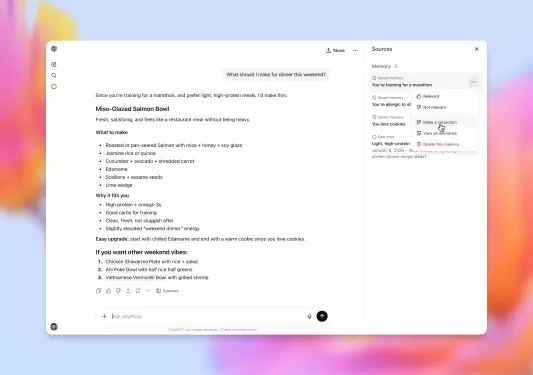 OpenAI launches GPT-5.5 Instant as ChatGPT’s new default model
OpenAI launched GPT-5.5 Instant on Monday, replacing GPT-5.3 Instant as the default ChatGPT model. The company states that this update minimizes hallucinations in high-stakes fields like law, medicine, and finance, while preserving the fast response
OpenAI launches GPT-5.5 Instant as ChatGPT’s new default model
OpenAI launched GPT-5.5 Instant on Monday, replacing GPT-5.3 Instant as the default ChatGPT model. The company states that this update minimizes hallucinations in high-stakes fields like law, medicine, and finance, while preserving the fast response
 Nvidia to Derive 25% of Next Year’s Revenue from Funded Labs
Nvidia has deployed nearly US$50 billion into AI labs purchasing its chips, securing commitments for over $500 billion in total.On August 26, CFO Colette Kress informed analysts that these labs, backed by Nvidia’s balance sheet, will account for roug
Nvidia to Derive 25% of Next Year’s Revenue from Funded Labs
Nvidia has deployed nearly US$50 billion into AI labs purchasing its chips, securing commitments for over $500 billion in total.On August 26, CFO Colette Kress informed analysts that these labs, backed by Nvidia’s balance sheet, will account for roug

2026 Latest Top-rated AI Illustration Tools: Our curated list features the best powerfully designed tools for creating stunning editorial scenes and eye-catching cover art quickly. Each option has gone through rigorous real-world tests, offering a free vs paid comparison to help you find the perfect match for your workflow. Try these must-try solutions today to unlock your AI edge and boost your creative productivity. Explore now at XIX.AI.
10 tools
xix.ai

2026 Latest Top-Rated Best AI Tutors for Exam Prep are here on XIX.AI! Our curated list features powerful game-changing tools that offer free vs paid comparison, real-world tests, and weekly updated rankings. They help boost your writing efficiency, simplify complex topic learning, and unlock your academic potential. Explore now to Discover your perfect exam prep tool and Start creating today to Unlock your AI edge!
10 tools
xix.ai

2026 Latest Best Top-Rated AI Budget Planning Tools for Personal Money Management are here on XIX.AI! This curated collection features powerful, game-changing solutions that help you conduct real-world tests, understand spending habits, and create personalized plans to boost productivity. Enjoy a free vs paid comparison along with detailed rankings. Must-try tools designed to simplify money management and unlock your AI edge. Explore now!
11 tools
xix.ai

2026 Latest Best Top-Rated AI Sleep Tracking Assistants curated for ultimate recovery. This fully updated weekly guide features powerful tools that deliver real-world tests, free vs paid comparison, and detailed rankings to help you find the must-try solution that boosts sleep quality and supports better bedtime habits. Explore now at XIX.AI to Unlock your AI edge.
10 tools
xix.ai

2026 Latest Best Top-Rated AI SQL Copilots for Product and Revenue Analytics! XIX.AI has curated a powerful, game-changing collection of must-try tools that undergo real-world tests through weekly updated rankings. These tools help users boost productivity significantly by accelerating data analysis, streamlining complex queries, and generating accurate insights to drive smarter business decisions. Explore now to Discover your perfect tool for unlocking your AI edge!
14 tools
xix.ai

2026 Latest Best Top-Rated AI Homework Helpers That Teach Core Concepts Not Just Answers Powerful Tools for Students Must-Try Curated List Weekly Updated Free vs Paid Comparison Real-World Tests Accurate Rankings to Help You Unlock Your Full Learning Potential Explore now to Discover your perfect tool for smarter studying.
10 tools
xix.ai

Figure AIがOpenAIとの契約を解除して自社AIモデルへ移行したというニュース、面白いですね。ロボット開発において基盤モデルの制御を自社で行うのは、長期的な競争力とセキュリティの観点から必然の流れかもしれません。ただ、大規模言語モデルの独自開発は莫大なコストと算力が要求されるので、Figure AIの技術力と資金力がどれほど持続できるか注目です。OpenAIのAPI依存から脱却する決断は大胆ですが、 humanoidロボットの普及には不可欠なステップだと感じます。 #FigureAI #OpenAI #Robotics
Figure ditching OpenAI for in-house AI feels like a tech breakup where the robot startup suddenly thinks they can do better alone. Guess they weren't happy with the API costs or the lack of customization? 😅 I'm curious if their own model will actually outperform GPT-4 on real-world tasks like picking up a coffee cup without spilling it. Also, kind of ironic that they announced this on X, a platform that's also known for shifting strategies. Let's see if this move pays off or ends up as another cautionary tale about 'not invented here' syndrome.
Interesting move, but building their own AI from scratch is a huge gamble. Feels like they're trying to 'unplug' too soon – OpenAI's models provided a solid foundation. Can a robotics company really compete with the big AI labs on the core tech? Might end up slowing down their robot's 'brain' development. 🤔 The AI race is getting fragmented.
Finalmente a Figure está investindo em IA própria! 🤖 A dependência de OpenAI era um risco enorme para a autonomia deles. Será que outras empresas de robótica vão seguir o exemplo? Mas desenvolver modelos internos dá um trabalho danado...
Interesante movimiento de Figure AI... ¿será que realmente pueden competir con OpenAI en desarrollo de modelos propios? O tal vez solo quieren control total sobre su tecnología. Al final, el mercado decidirá si fue una buena jugada 🤔
Figure Switches to In-House AI Models is a bold move! I'm excited to see what they come up with on their own. Ditching OpenAI might be risky, but it shows confidence in their own tech. Can't wait to see the 'major breakthrough' they're talking about! 🚀












