


 Home
HomeAnthropic to contest Pentagon's supply chain designation in court
Dario Amodei stated on Thursday that Anthropic intends to legally challenge the Defense Department's decision to designate the AI company as a supply chain risk, a classification he has described as "legally unsound."
This statement follows the Department's official designation of Anthropic as a supply chain risk, concluding a weeks-long dispute regarding the appropriate level of military control over AI systems. Such a designation can prohibit a company from engaging with the Pentagon and its contractors. Amodei firmly asserted that Anthropic's AI should not be utilized for mass surveillance of American citizens or for fully autonomous weaponry. However, the Pentagon maintained it required unrestricted access for "all lawful purposes."
In his remarks, Amodei clarified that the vast majority of Anthropic's clientele remain unaffected by this supply chain risk designation.
"Regarding our customers, it clearly applies solely to the use of Claude as a direct component of contracts with the Department of War, not to all usage of Claude by customers who hold such contracts," he explained.
Offering a preview of Anthropic's likely legal argument, Amodei characterized the Department's letter imposing the supply chain risk label as limited in scope.
"Its purpose is to safeguard the government rather than penalize a supplier; indeed, the law mandates that the Secretary of War employ the least restrictive means necessary to achieve the objective of securing the supply chain," Amodei stated. "Even for Department of War contractors, the supply chain risk designation does not (and cannot) restrict uses of Claude or business dealings with Anthropic if those are unrelated to their specific Department of War contracts."
Amodei reiterated that Anthropic had been engaged in productive discussions with the Department over recent days. These talks are believed by some to have been disrupted following the leak of an internal memo he circulated to staff. In that document, Amodei characterized rival OpenAI's arrangements with the Department of Defense as "safety theater."
OpenAI has subsequently entered into an agreement to work with the Defense Department in Anthropic's stead, a move that has provoked internal backlash among OpenAI employees.
In his Thursday statement, Amodei apologized for the memo's leak, asserting the company did not intentionally disclose it nor instruct anyone else to do so. "It is not in our interest to escalate the situation," he said.
Amodei noted the memo was drafted within "a few hours" of a series of rapid developments: a presidential Truth Social post announcing Anthropic's removal from federal systems, followed by Defense Secretary Hegseth's supply chain risk designation, and finally the Pentagon's partnership announcement with OpenAI. He apologized for its tone, calling that "a difficult day for the company," and stated the memo did not reflect his "careful or considered views." Written six days prior, he added, it now represents an "out-of-date assessment."
He concluded by emphasizing that Anthropic's foremost priority is to ensure American military personnel and national security professionals retain access to critical tools amidst ongoing major combat operations. Anthropic is currently supporting certain U.S. operations in Iran, and Amodei committed that the company would continue providing its models to the Defense Department at "nominal cost" for "as long as necessary to facilitate that transition."
Anthropic could contest the designation in federal court, likely in Washington, D.C. However, the legal framework underpinning the decision presents a significant challenge for appeals, as it restricts conventional avenues for challenging government procurement actions and grants the Pentagon considerable latitude on national security grounds.
Or as Dean Ball—a former Trump administration White House advisor on AI who has criticized Hegseth's handling of Anthropic—observed: "Courts are generally quite hesitant to second-guess the government on what constitutes a national security issue... The legal threshold to successfully challenge such a determination is exceptionally high. But it is not an impossibility."
Related article
 Anthropic CEO Outlines Plan To Pace The Frontier
AI researchers have issued increasingly urgent warnings about artificial intelligence risks, with OpenAI CEO Sam Altman suggesting it may be time to “pace” development. But what would that actually entail?In a recent blog post, Anthropic CEO Dario Am
Anthropic Unveils Opus 4.6, a Controversial Content Generator
Anthropic’s universal usage standards for Claude prohibit the model from generating sexually explicit content, including depicting or requesting sexual intercourse or sex acts, generating content related to sexual fetishes or fantasies, or engaging i
Anthropic reports workforce seniority rising as meeting time increases
Anthropic’s workforce composition and work patterns have shifted dramatically over the last year, according to a report released by the AI company on Friday.Anthropic suggests its internal trends may signal broader economic shifts in hiring, labor de
Related Special Topic Recommendations
Design & Art
Anthropic CEO Outlines Plan To Pace The Frontier
AI researchers have issued increasingly urgent warnings about artificial intelligence risks, with OpenAI CEO Sam Altman suggesting it may be time to “pace” development. But what would that actually entail?In a recent blog post, Anthropic CEO Dario Am
Anthropic Unveils Opus 4.6, a Controversial Content Generator
Anthropic’s universal usage standards for Claude prohibit the model from generating sexually explicit content, including depicting or requesting sexual intercourse or sex acts, generating content related to sexual fetishes or fantasies, or engaging i
Anthropic reports workforce seniority rising as meeting time increases
Anthropic’s workforce composition and work patterns have shifted dramatically over the last year, according to a report released by the AI company on Friday.Anthropic suggests its internal trends may signal broader economic shifts in hiring, labor de
Related Special Topic Recommendations
Design & Art
 Top AI Illustration Tools: Create Editorial Scenes and Cover Art Faster
2026 Latest Top-rated AI Illustration Tools: Our curated list features the best powerfully designed tools for creating stunning editorial scenes and eye-catching cover art quickly. Each option has gone through rigorous real-world tests, offering a free vs paid comparison to help you find the perfect match for your workflow. Try these must-try solutions today to unlock your AI edge and boost your creative productivity. Explore now at XIX.AI.
 10 tools
 xix.ai
Education and Learning
Top AI Tutors for Exam Prep: Practice Math, Science, and English
xix.ai
Education and Learning
Top AI Tutors for Exam Prep: Practice Math, Science, and English
2026 Latest Top-Rated Best AI Tutors for Exam Prep are here on XIX.AI! Our curated list features powerful game-changing tools that offer free vs paid comparison, real-world tests, and weekly updated rankings. They help boost your writing efficiency, simplify complex topic learning, and unlock your academic potential. Explore now to Discover your perfect exam prep tool and Start creating today to Unlock your AI edge!
10 tools
xix.ai
Finance
AI Budget Planning Tools for Personal Money Management
2026 Latest Best Top-Rated AI Budget Planning Tools for Personal Money Management are here on XIX.AI! This curated collection features powerful, game-changing solutions that help you conduct real-world tests, understand spending habits, and create personalized plans to boost productivity. Enjoy a free vs paid comparison along with detailed rankings. Must-try tools designed to simplify money management and unlock your AI edge. Explore now!
11 tools
xix.ai
Health & Wellness
AI Sleep Tracking Assistants: Improve Recovery with Better Bedtime Habits
2026 Latest Best Top-Rated AI Sleep Tracking Assistants curated for ultimate recovery. This fully updated weekly guide features powerful tools that deliver real-world tests, free vs paid comparison, and detailed rankings to help you find the must-try solution that boosts sleep quality and supports better bedtime habits. Explore now at XIX.AI to Unlock your AI edge.
10 tools
xix.ai
Data Analysis
AI SQL Copilots for Product and Revenue Analytics
2026 Latest Best Top-Rated AI SQL Copilots for Product and Revenue Analytics! XIX.AI has curated a powerful, game-changing collection of must-try tools that undergo real-world tests through weekly updated rankings. These tools help users boost productivity significantly by accelerating data analysis, streamlining complex queries, and generating accurate insights to drive smarter business decisions. Explore now to Discover your perfect tool for unlocking your AI edge!
14 tools
xix.ai
Education and Learning
Best AI Homework Helpers That Teach: Learn Concepts, Not Just Answers
2026 Latest Best Top-Rated AI Homework Helpers That Teach Core Concepts Not Just Answers Powerful Tools for Students Must-Try Curated List Weekly Updated Free vs Paid Comparison Real-World Tests Accurate Rankings to Help You Unlock Your Full Learning Potential Explore now to Discover your perfect tool for smarter studying.
10 tools
xix.ai

 Comments (2)
0/500
Comments (2)
0/500
![HaroldMiller]()
So the Pentagon calls Anthropic a supply chain risk? Sounds like they're scared of a little competition in the AI arms race. 😅 Let's see if the court buys their 'legally unsound' argument or if this is just another tech giant trying to avoid government oversight.
![HarryLewis]()
国防総省のサプライチェーンリスク指定を裁判で争うって、Anthropicの対応は結構思い切ったね。AI企業と政府の関係って今後どうなるんだろう?🤔 法的に根拠が弱いって主張だけど、結局は国家安全保障と技術革新のバランスの問題な気がする。でもこういう裁判の行方って、他のAI企業にも影響大きそうだし要チェックだわ。
Dario Amodei stated on Thursday that Anthropic intends to legally challenge the Defense Department's decision to designate the AI company as a supply chain risk, a classification he has described as "legally unsound."
This statement follows the Department's official designation of Anthropic as a supply chain risk, concluding a weeks-long dispute regarding the appropriate level of military control over AI systems. Such a designation can prohibit a company from engaging with the Pentagon and its contractors. Amodei firmly asserted that Anthropic's AI should not be utilized for mass surveillance of American citizens or for fully autonomous weaponry. However, the Pentagon maintained it required unrestricted access for "all lawful purposes."
In his remarks, Amodei clarified that the vast majority of Anthropic's clientele remain unaffected by this supply chain risk designation.
"Regarding our customers, it clearly applies solely to the use of Claude as a direct component of contracts with the Department of War, not to all usage of Claude by customers who hold such contracts," he explained.
Offering a preview of Anthropic's likely legal argument, Amodei characterized the Department's letter imposing the supply chain risk label as limited in scope.
"Its purpose is to safeguard the government rather than penalize a supplier; indeed, the law mandates that the Secretary of War employ the least restrictive means necessary to achieve the objective of securing the supply chain," Amodei stated. "Even for Department of War contractors, the supply chain risk designation does not (and cannot) restrict uses of Claude or business dealings with Anthropic if those are unrelated to their specific Department of War contracts."
Amodei reiterated that Anthropic had been engaged in productive discussions with the Department over recent days. These talks are believed by some to have been disrupted following the leak of an internal memo he circulated to staff. In that document, Amodei characterized rival OpenAI's arrangements with the Department of Defense as "safety theater."
OpenAI has subsequently entered into an agreement to work with the Defense Department in Anthropic's stead, a move that has provoked internal backlash among OpenAI employees.
In his Thursday statement, Amodei apologized for the memo's leak, asserting the company did not intentionally disclose it nor instruct anyone else to do so. "It is not in our interest to escalate the situation," he said.
Amodei noted the memo was drafted within "a few hours" of a series of rapid developments: a presidential Truth Social post announcing Anthropic's removal from federal systems, followed by Defense Secretary Hegseth's supply chain risk designation, and finally the Pentagon's partnership announcement with OpenAI. He apologized for its tone, calling that "a difficult day for the company," and stated the memo did not reflect his "careful or considered views." Written six days prior, he added, it now represents an "out-of-date assessment."
He concluded by emphasizing that Anthropic's foremost priority is to ensure American military personnel and national security professionals retain access to critical tools amidst ongoing major combat operations. Anthropic is currently supporting certain U.S. operations in Iran, and Amodei committed that the company would continue providing its models to the Defense Department at "nominal cost" for "as long as necessary to facilitate that transition."
Anthropic could contest the designation in federal court, likely in Washington, D.C. However, the legal framework underpinning the decision presents a significant challenge for appeals, as it restricts conventional avenues for challenging government procurement actions and grants the Pentagon considerable latitude on national security grounds.
Or as Dean Ball—a former Trump administration White House advisor on AI who has criticized Hegseth's handling of Anthropic—observed: "Courts are generally quite hesitant to second-guess the government on what constitutes a national security issue... The legal threshold to successfully challenge such a determination is exceptionally high. But it is not an impossibility."








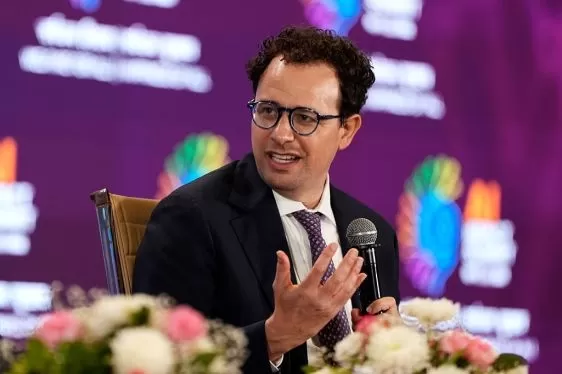 Anthropic CEO Outlines Plan To Pace The Frontier
AI researchers have issued increasingly urgent warnings about artificial intelligence risks, with OpenAI CEO Sam Altman suggesting it may be time to “pace” development. But what would that actually entail?In a recent blog post, Anthropic CEO Dario Am
Anthropic CEO Outlines Plan To Pace The Frontier
AI researchers have issued increasingly urgent warnings about artificial intelligence risks, with OpenAI CEO Sam Altman suggesting it may be time to “pace” development. But what would that actually entail?In a recent blog post, Anthropic CEO Dario Am
 Anthropic Unveils Opus 4.6, a Controversial Content Generator
Anthropic’s universal usage standards for Claude prohibit the model from generating sexually explicit content, including depicting or requesting sexual intercourse or sex acts, generating content related to sexual fetishes or fantasies, or engaging i
Anthropic Unveils Opus 4.6, a Controversial Content Generator
Anthropic’s universal usage standards for Claude prohibit the model from generating sexually explicit content, including depicting or requesting sexual intercourse or sex acts, generating content related to sexual fetishes or fantasies, or engaging i
 Anthropic reports workforce seniority rising as meeting time increases
Anthropic’s workforce composition and work patterns have shifted dramatically over the last year, according to a report released by the AI company on Friday.Anthropic suggests its internal trends may signal broader economic shifts in hiring, labor de
Anthropic reports workforce seniority rising as meeting time increases
Anthropic’s workforce composition and work patterns have shifted dramatically over the last year, according to a report released by the AI company on Friday.Anthropic suggests its internal trends may signal broader economic shifts in hiring, labor de

2026 Latest Top-rated AI Illustration Tools: Our curated list features the best powerfully designed tools for creating stunning editorial scenes and eye-catching cover art quickly. Each option has gone through rigorous real-world tests, offering a free vs paid comparison to help you find the perfect match for your workflow. Try these must-try solutions today to unlock your AI edge and boost your creative productivity. Explore now at XIX.AI.
10 tools
xix.ai

2026 Latest Top-Rated Best AI Tutors for Exam Prep are here on XIX.AI! Our curated list features powerful game-changing tools that offer free vs paid comparison, real-world tests, and weekly updated rankings. They help boost your writing efficiency, simplify complex topic learning, and unlock your academic potential. Explore now to Discover your perfect exam prep tool and Start creating today to Unlock your AI edge!
10 tools
xix.ai

2026 Latest Best Top-Rated AI Budget Planning Tools for Personal Money Management are here on XIX.AI! This curated collection features powerful, game-changing solutions that help you conduct real-world tests, understand spending habits, and create personalized plans to boost productivity. Enjoy a free vs paid comparison along with detailed rankings. Must-try tools designed to simplify money management and unlock your AI edge. Explore now!
11 tools
xix.ai

2026 Latest Best Top-Rated AI Sleep Tracking Assistants curated for ultimate recovery. This fully updated weekly guide features powerful tools that deliver real-world tests, free vs paid comparison, and detailed rankings to help you find the must-try solution that boosts sleep quality and supports better bedtime habits. Explore now at XIX.AI to Unlock your AI edge.
10 tools
xix.ai

2026 Latest Best Top-Rated AI SQL Copilots for Product and Revenue Analytics! XIX.AI has curated a powerful, game-changing collection of must-try tools that undergo real-world tests through weekly updated rankings. These tools help users boost productivity significantly by accelerating data analysis, streamlining complex queries, and generating accurate insights to drive smarter business decisions. Explore now to Discover your perfect tool for unlocking your AI edge!
14 tools
xix.ai

2026 Latest Best Top-Rated AI Homework Helpers That Teach Core Concepts Not Just Answers Powerful Tools for Students Must-Try Curated List Weekly Updated Free vs Paid Comparison Real-World Tests Accurate Rankings to Help You Unlock Your Full Learning Potential Explore now to Discover your perfect tool for smarter studying.
10 tools
xix.ai

So the Pentagon calls Anthropic a supply chain risk? Sounds like they're scared of a little competition in the AI arms race. 😅 Let's see if the court buys their 'legally unsound' argument or if this is just another tech giant trying to avoid government oversight.
国防総省のサプライチェーンリスク指定を裁判で争うって、Anthropicの対応は結構思い切ったね。AI企業と政府の関係って今後どうなるんだろう?🤔 法的に根拠が弱いって主張だけど、結局は国家安全保障と技術革新のバランスの問題な気がする。でもこういう裁判の行方って、他のAI企業にも影響大きそうだし要チェックだわ。












