


 Home
HomeTesla Falls Short on Optimus Robot Production Target
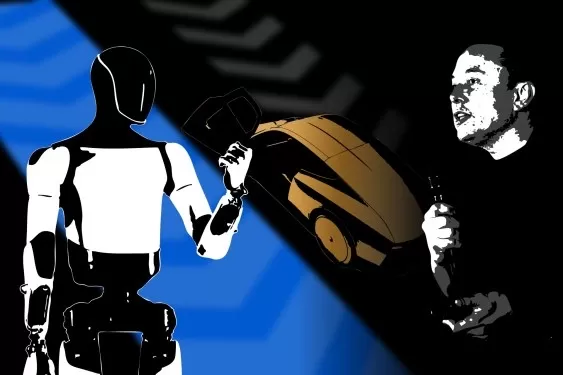
Tesla is significantly behind the schedule required to achieve its previously stated goal of manufacturing at least 5,000 Optimus humanoid robots this year, according to a report from The Information. With nearly eight months of 2025 having passed, insider sources indicate the company has only produced a few hundred units. This slow pace means Tesla must either dramatically increase production or postpone its target deadline.
This update follows Tesla's report of a 12% drop in total second-quarter revenue, attributed to declining electric vehicle sales, reduced income from regulatory credits, and lower sales in its solar and energy storage divisions. During the Q2 earnings call earlier this week, CEO Elon Musk stated that production of the latest Optimus 3 design would commence by early next year.
“We plan to scale Optimus production as rapidly as possible, aiming to reach an output of one million units per year at the earliest opportunity,” Musk commented. “We believe this can be accomplished in under five years. It’s an attainable ambition.”
It's worth noting that Musk has a history of making similarly ambitious projections. At Tesla’s 2019 Autonomy Day event, he predicted the company would have one million robotaxis operational by 2020. Two years later, he forecast mass production of these robotaxes by 2024. To date, neither of these targets has been realized.
Related article
 Toyota’s $6.4bn robotics estimate puts physical AI in focus
Toyota Motor projects that rolling out automation across its manufacturing facilities, subsidiaries, and key suppliers may require approximately 400,000 robots and an annual expenditure of roughly 1 trillion yen ($6.4 billion) starting in 2028.Accord
Japan tackles labor shortage with AI model for 10 million robots
Japan’s AI robotics initiative has transitioned from a discussion topic into an official national strategy. The government recently validated widely cited projections: deploying 10 million AI-driven robots across 18 sectors by 2040, supported by publ
Universal Robots Unveils Gen 7 for Physical AI Deployment
Will Healy, Director of Product & Industry Marketing at Universal Robots, credited for the imageWill Healy, Director of Product & Industry Marketing at Universal Robots, emphasizes that following the Gen 7 release, AI-driven robots must prioritize ad
Related Special Topic Recommendations
Design & Art
Toyota’s $6.4bn robotics estimate puts physical AI in focus
Toyota Motor projects that rolling out automation across its manufacturing facilities, subsidiaries, and key suppliers may require approximately 400,000 robots and an annual expenditure of roughly 1 trillion yen ($6.4 billion) starting in 2028.Accord
Japan tackles labor shortage with AI model for 10 million robots
Japan’s AI robotics initiative has transitioned from a discussion topic into an official national strategy. The government recently validated widely cited projections: deploying 10 million AI-driven robots across 18 sectors by 2040, supported by publ
Universal Robots Unveils Gen 7 for Physical AI Deployment
Will Healy, Director of Product & Industry Marketing at Universal Robots, credited for the imageWill Healy, Director of Product & Industry Marketing at Universal Robots, emphasizes that following the Gen 7 release, AI-driven robots must prioritize ad
Related Special Topic Recommendations
Design & Art
 Top AI Illustration Tools: Create Editorial Scenes and Cover Art Faster
2026 Latest Top-rated AI Illustration Tools: Our curated list features the best powerfully designed tools for creating stunning editorial scenes and eye-catching cover art quickly. Each option has gone through rigorous real-world tests, offering a free vs paid comparison to help you find the perfect match for your workflow. Try these must-try solutions today to unlock your AI edge and boost your creative productivity. Explore now at XIX.AI.
 10 tools
 xix.ai
Education and Learning
Top AI Tutors for Exam Prep: Practice Math, Science, and English
xix.ai
Education and Learning
Top AI Tutors for Exam Prep: Practice Math, Science, and English
2026 Latest Top-Rated Best AI Tutors for Exam Prep are here on XIX.AI! Our curated list features powerful game-changing tools that offer free vs paid comparison, real-world tests, and weekly updated rankings. They help boost your writing efficiency, simplify complex topic learning, and unlock your academic potential. Explore now to Discover your perfect exam prep tool and Start creating today to Unlock your AI edge!
10 tools
xix.ai
Finance
AI Budget Planning Tools for Personal Money Management
2026 Latest Best Top-Rated AI Budget Planning Tools for Personal Money Management are here on XIX.AI! This curated collection features powerful, game-changing solutions that help you conduct real-world tests, understand spending habits, and create personalized plans to boost productivity. Enjoy a free vs paid comparison along with detailed rankings. Must-try tools designed to simplify money management and unlock your AI edge. Explore now!
11 tools
xix.ai
Health & Wellness
AI Sleep Tracking Assistants: Improve Recovery with Better Bedtime Habits
2026 Latest Best Top-Rated AI Sleep Tracking Assistants curated for ultimate recovery. This fully updated weekly guide features powerful tools that deliver real-world tests, free vs paid comparison, and detailed rankings to help you find the must-try solution that boosts sleep quality and supports better bedtime habits. Explore now at XIX.AI to Unlock your AI edge.
10 tools
xix.ai
Data Analysis
AI SQL Copilots for Product and Revenue Analytics
2026 Latest Best Top-Rated AI SQL Copilots for Product and Revenue Analytics! XIX.AI has curated a powerful, game-changing collection of must-try tools that undergo real-world tests through weekly updated rankings. These tools help users boost productivity significantly by accelerating data analysis, streamlining complex queries, and generating accurate insights to drive smarter business decisions. Explore now to Discover your perfect tool for unlocking your AI edge!
14 tools
xix.ai
Education and Learning
Best AI Homework Helpers That Teach: Learn Concepts, Not Just Answers
2026 Latest Best Top-Rated AI Homework Helpers That Teach Core Concepts Not Just Answers Powerful Tools for Students Must-Try Curated List Weekly Updated Free vs Paid Comparison Real-World Tests Accurate Rankings to Help You Unlock Your Full Learning Potential Explore now to Discover your perfect tool for smarter studying.
10 tools
xix.ai

 Comments (0)
0/500
Comments (0)
0/500
Tesla is significantly behind the schedule required to achieve its previously stated goal of manufacturing at least 5,000 Optimus humanoid robots this year, according to a report from The Information. With nearly eight months of 2025 having passed, insider sources indicate the company has only produced a few hundred units. This slow pace means Tesla must either dramatically increase production or postpone its target deadline.
This update follows Tesla's report of a 12% drop in total second-quarter revenue, attributed to declining electric vehicle sales, reduced income from regulatory credits, and lower sales in its solar and energy storage divisions. During the Q2 earnings call earlier this week, CEO Elon Musk stated that production of the latest Optimus 3 design would commence by early next year.
“We plan to scale Optimus production as rapidly as possible, aiming to reach an output of one million units per year at the earliest opportunity,” Musk commented. “We believe this can be accomplished in under five years. It’s an attainable ambition.”
It's worth noting that Musk has a history of making similarly ambitious projections. At Tesla’s 2019 Autonomy Day event, he predicted the company would have one million robotaxis operational by 2020. Two years later, he forecast mass production of these robotaxes by 2024. To date, neither of these targets has been realized.








 Toyota’s $6.4bn robotics estimate puts physical AI in focus
Toyota Motor projects that rolling out automation across its manufacturing facilities, subsidiaries, and key suppliers may require approximately 400,000 robots and an annual expenditure of roughly 1 trillion yen ($6.4 billion) starting in 2028.Accord
Toyota’s $6.4bn robotics estimate puts physical AI in focus
Toyota Motor projects that rolling out automation across its manufacturing facilities, subsidiaries, and key suppliers may require approximately 400,000 robots and an annual expenditure of roughly 1 trillion yen ($6.4 billion) starting in 2028.Accord
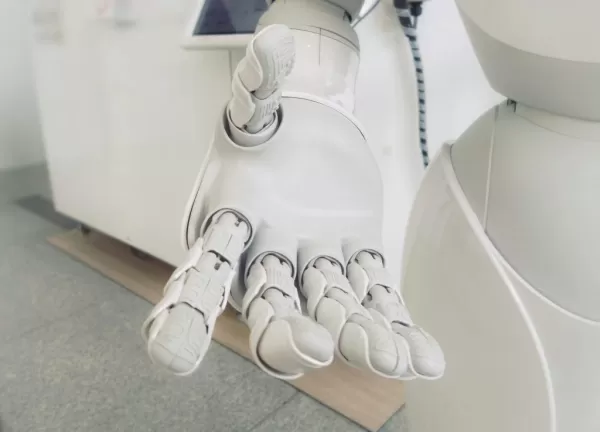 Japan tackles labor shortage with AI model for 10 million robots
Japan’s AI robotics initiative has transitioned from a discussion topic into an official national strategy. The government recently validated widely cited projections: deploying 10 million AI-driven robots across 18 sectors by 2040, supported by publ
Japan tackles labor shortage with AI model for 10 million robots
Japan’s AI robotics initiative has transitioned from a discussion topic into an official national strategy. The government recently validated widely cited projections: deploying 10 million AI-driven robots across 18 sectors by 2040, supported by publ
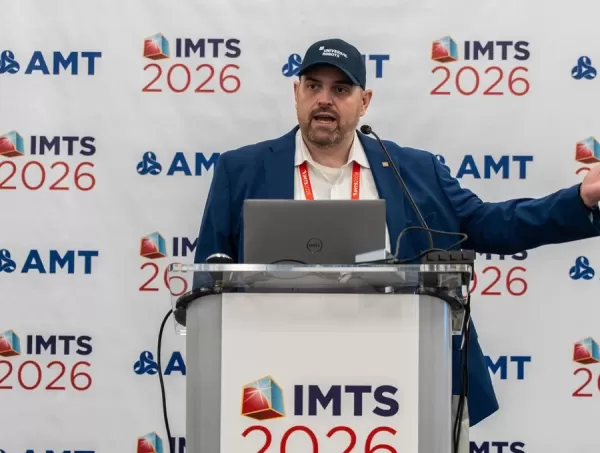 Universal Robots Unveils Gen 7 for Physical AI Deployment
Will Healy, Director of Product & Industry Marketing at Universal Robots, credited for the imageWill Healy, Director of Product & Industry Marketing at Universal Robots, emphasizes that following the Gen 7 release, AI-driven robots must prioritize ad
Universal Robots Unveils Gen 7 for Physical AI Deployment
Will Healy, Director of Product & Industry Marketing at Universal Robots, credited for the imageWill Healy, Director of Product & Industry Marketing at Universal Robots, emphasizes that following the Gen 7 release, AI-driven robots must prioritize ad

2026 Latest Top-rated AI Illustration Tools: Our curated list features the best powerfully designed tools for creating stunning editorial scenes and eye-catching cover art quickly. Each option has gone through rigorous real-world tests, offering a free vs paid comparison to help you find the perfect match for your workflow. Try these must-try solutions today to unlock your AI edge and boost your creative productivity. Explore now at XIX.AI.
10 tools
xix.ai

2026 Latest Top-Rated Best AI Tutors for Exam Prep are here on XIX.AI! Our curated list features powerful game-changing tools that offer free vs paid comparison, real-world tests, and weekly updated rankings. They help boost your writing efficiency, simplify complex topic learning, and unlock your academic potential. Explore now to Discover your perfect exam prep tool and Start creating today to Unlock your AI edge!
10 tools
xix.ai

2026 Latest Best Top-Rated AI Budget Planning Tools for Personal Money Management are here on XIX.AI! This curated collection features powerful, game-changing solutions that help you conduct real-world tests, understand spending habits, and create personalized plans to boost productivity. Enjoy a free vs paid comparison along with detailed rankings. Must-try tools designed to simplify money management and unlock your AI edge. Explore now!
11 tools
xix.ai

2026 Latest Best Top-Rated AI Sleep Tracking Assistants curated for ultimate recovery. This fully updated weekly guide features powerful tools that deliver real-world tests, free vs paid comparison, and detailed rankings to help you find the must-try solution that boosts sleep quality and supports better bedtime habits. Explore now at XIX.AI to Unlock your AI edge.
10 tools
xix.ai

2026 Latest Best Top-Rated AI SQL Copilots for Product and Revenue Analytics! XIX.AI has curated a powerful, game-changing collection of must-try tools that undergo real-world tests through weekly updated rankings. These tools help users boost productivity significantly by accelerating data analysis, streamlining complex queries, and generating accurate insights to drive smarter business decisions. Explore now to Discover your perfect tool for unlocking your AI edge!
14 tools
xix.ai

2026 Latest Best Top-Rated AI Homework Helpers That Teach Core Concepts Not Just Answers Powerful Tools for Students Must-Try Curated List Weekly Updated Free vs Paid Comparison Real-World Tests Accurate Rankings to Help You Unlock Your Full Learning Potential Explore now to Discover your perfect tool for smarter studying.
10 tools
xix.ai












