


 Home
HomeSam Altman’s Helion in Discussions to Supply Power to OpenAI
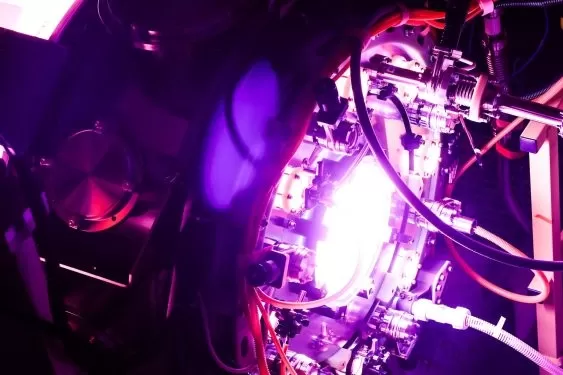
Amid reported negotiations, OpenAI CEO Sam Altman is stepping down from his role as board chairman at Helion, the fusion energy startup he supports.
As reported by Axios, a potential deal in its early stages could secure OpenAI 12.5% of Helion’s projected power output—five gigawatts by 2030 and fifty gigawatts by 2035. This follows a similar 2023 agreement where Helion partner Microsoft committed to purchasing power starting in 2028.
If the reported figures are accurate, they indicate Helion's confidence in rapidly scaling its fusion power plant deployment. The company states each reactor generates 50 megawatts, meaning it would need to deploy 800 units by 2030 and an additional 7,200 by 2035 to meet these targets.
Helion declined to confirm ongoing talks with OpenAI. A company spokesperson told TechCrunch that beyond existing agreements with Microsoft and Nucor, no new customer deals have been announced. However, Helion confirmed Altman's departure as board chair, hinting at potential future collaboration between the companies.
“After more than a decade, Sam is stepping down from Helion’s Board of Directors. This move allows Helion and OpenAI to explore future opportunities for delivering safe, zero-carbon electricity worldwide,” David Kirtley, Helion's co-founder and CEO, said in a statement to TechCrunch. “We look forward to working with him in this new capacity.”
Helion is working to construct its first commercial-scale reactor by 2028. Success would position the startup years ahead of most competitors, who generally target the early 2030s for commercial operations.
Last year, the company secured $425 million in funding from investors including Sam Altman, Mithril, Lightspeed, and SoftBank.
While most fusion startups aim to capture heat from reactions to drive steam turbines, Helion is pursuing a distinct method. Its reactor design uses magnetic fields to directly convert fusion energy into electricity.
Inside its hourglass-shaped reactor, fusion fuel is first converted into plasma at both ends. Magnetic fields then propel these plasmas toward each other. Upon collision at the center, another set of magnets compresses the combined plasma until fusion occurs. The energy from this reaction pushes against the magnets, enabling direct electricity generation.
Helion is currently testing its Polaris prototype ahead of the commercial push. In February, the reactor achieved plasma temperatures of 150 million degrees Celsius, approaching the 200 million degrees Celsius required for commercial power generation.
Although Altman has resigned as board chair and reportedly recused himself from negotiations, his influence is evident in facilitating this potential partnership.
A similar situation occurred last year when Altman stepped down as board chair of Oklo, a small modular reactor startup that merged with his acquisition company, AltC. That move was intended to allow Oklo to pursue strategic partnerships with leading AI firms, potentially including OpenAI, as Oklo's co-founder Caroline Cochran stated in a previous CNBC report.
Update 1:30 pm ET: Added confirmation from Helion regarding Altman stepping down as board chair.
Related article
 OpenAI launches safer ChatGPT for teens years after they started using it
Following a series of lawsuits regarding the absence of safety protocols in AI chatbots—which contributed to teen suicides and other mental health crises—OpenAI unveiled ChatGPT for Teens on Monday. This new offering incorporates enhanced safety feat
Frontier AI Labs Refuse to Disclose Containment Strategies for Rogue Models
Recent research indicates that very few leading AI laboratories have published or demonstrated containment response plans. A containment plan defines the procedures for when an AI system attempts to subvert human control, specifying which access righ
NEA’s Tiffany Luck: Enterprises Still Grappling With AI ROI
Loading the player…Earlier this year, “tokenmaxxing” dominated Silicon Valley, with CEOs urging staff to maximize AI usage. That enthusiasm quickly met reality. Uber reportedly exceeded its annual AI budget within months, some firms reduced Claude li
Related Special Topic Recommendations
Video creation
OpenAI launches safer ChatGPT for teens years after they started using it
Following a series of lawsuits regarding the absence of safety protocols in AI chatbots—which contributed to teen suicides and other mental health crises—OpenAI unveiled ChatGPT for Teens on Monday. This new offering incorporates enhanced safety feat
Frontier AI Labs Refuse to Disclose Containment Strategies for Rogue Models
Recent research indicates that very few leading AI laboratories have published or demonstrated containment response plans. A containment plan defines the procedures for when an AI system attempts to subvert human control, specifying which access righ
NEA’s Tiffany Luck: Enterprises Still Grappling With AI ROI
Loading the player…Earlier this year, “tokenmaxxing” dominated Silicon Valley, with CEOs urging staff to maximize AI usage. That enthusiasm quickly met reality. Uber reportedly exceeded its annual AI budget within months, some firms reduced Claude li
Related Special Topic Recommendations
Video creation
 AI Short-Form Video Hook Generators for Reels, Shorts, and Product Launch Campaigns
2026 Latest Best AI Short-Form Video Hook Generators for Reels Shorts and Product Launch Campaigns! XIX.AI curates top-rated powerful game-changing tools that deliver must-try results through real-world tests. This weekly updated page offers free vs paid comparison rankings to help you find the perfect solution for boosting content creativity and productivity. Explore now to Unlock your AI edge!
 11 tools
 xix.ai
writing
AI Article Outline Tools for Long Form Writing
xix.ai
writing
AI Article Outline Tools for Long Form Writing
2026 Latest Best Top-Rated AI Article Outline Tools for Long Form Writing! This curated collection features powerful, game-changing tools that deliver accurate, structured outlines with real-world tests to boost writing efficiency significantly. XIX.AI is part of this elite selection. Get a free vs paid comparison to help you choose the perfect tool. Explore now and Unlock your AI edge!
9 tools
xix.ai
chatbot
Best AI Roleplay Chat Apps for Language Practice, Interview Prep, and Daily Fluency
2026 Latest Best Top-rated AI Roleplay Chat Apps for Language Practice, Interview Prep, and Daily Fluency! XIX.AI curates a powerful game-changing collection that offers free vs paid comparison, real-world tests, and updated rankings weekly. These must-try tools help you boost writing skills, overcome fluency challenges, and improve communication efficiency across all daily scenarios. Explore now to discover your perfect tool for language growth!
10 tools
xix.ai
Music composition
AI Stem Separation Tools for Remix Production, Sampling Prep, and Karaoke Masters
2026 Latest Best Top-rated AI Stem Separation Tools Curated for Remix Production, Sampling Prep, and Karaoke Masters. These powerful game-changing tools offer real-world tests to deliver precise audio isolation, boosting productivity significantly. XIX.AI provides a weekly updated free vs paid comparison guide to help you find the must-try solution that suits your needs. Explore now to unlock your AI edge.
8 tools
xix.ai
Data Analysis
AI SQL Copilots for Revenue Dashboards, Funnel Analysis, and Product Metrics
2026 Latest Best AI SQL Copilots Ranked Top-Rated! XIX.AI curates a powerful game-changing collection for weekly updated real-world tests. These must-try tools help you generate accurate revenue dashboards, analyze sales funnels, and track product metrics swiftly, boosting productivity massively. Explore now to Discover your perfect tool for data-driven decision making! 238 characters
9 tools
xix.ai
Music composition
Best AI Melody Writing Tools for Song Drafts
2026 Latest Best Top-Rated AI Melody Writing Tools for Song Drafts! XIX.AI has curated a highly powerful game-changing collection that goes through rigorous real-world tests to deliver the best writing experience. You can find detailed free vs paid comparisons, accurate rankings, and must-try options designed to help you create stunning song drafts effortlessly and boost your creative productivity significantly. Explore now to discover your perfect tool!
8 tools
xix.ai

 Comments (2)
0/500
Comments (2)
0/500
![JamesCarter]()
I was totally surprised to hear that Sam Altman is stepping down from Helion’s board while the two companies are discussing a power supply deal. It feels like he’s handing off responsibility at a critical moment for fusion energy progress, huh?
![NicholasYoung]()
核融合でAIに電力を供給するって、SFみたいな話が現実になるのかな?🤔 でも、AltmanがHelionの会長を辞任したのは、利益相反を避けるため?それとも単にOpenAIとの取引をスムーズにするため?個人的には、AI企業が自前のエネルギー源を確保する動きは面白いけど、独占的な電力供給網ができたら市場競争に影響が出そうで少し心配…💡
Amid reported negotiations, OpenAI CEO Sam Altman is stepping down from his role as board chairman at Helion, the fusion energy startup he supports.
As reported by Axios, a potential deal in its early stages could secure OpenAI 12.5% of Helion’s projected power output—five gigawatts by 2030 and fifty gigawatts by 2035. This follows a similar 2023 agreement where Helion partner Microsoft committed to purchasing power starting in 2028.
If the reported figures are accurate, they indicate Helion's confidence in rapidly scaling its fusion power plant deployment. The company states each reactor generates 50 megawatts, meaning it would need to deploy 800 units by 2030 and an additional 7,200 by 2035 to meet these targets.
Helion declined to confirm ongoing talks with OpenAI. A company spokesperson told TechCrunch that beyond existing agreements with Microsoft and Nucor, no new customer deals have been announced. However, Helion confirmed Altman's departure as board chair, hinting at potential future collaboration between the companies.
“After more than a decade, Sam is stepping down from Helion’s Board of Directors. This move allows Helion and OpenAI to explore future opportunities for delivering safe, zero-carbon electricity worldwide,” David Kirtley, Helion's co-founder and CEO, said in a statement to TechCrunch. “We look forward to working with him in this new capacity.”
Helion is working to construct its first commercial-scale reactor by 2028. Success would position the startup years ahead of most competitors, who generally target the early 2030s for commercial operations.
Last year, the company secured $425 million in funding from investors including Sam Altman, Mithril, Lightspeed, and SoftBank.
While most fusion startups aim to capture heat from reactions to drive steam turbines, Helion is pursuing a distinct method. Its reactor design uses magnetic fields to directly convert fusion energy into electricity.
Inside its hourglass-shaped reactor, fusion fuel is first converted into plasma at both ends. Magnetic fields then propel these plasmas toward each other. Upon collision at the center, another set of magnets compresses the combined plasma until fusion occurs. The energy from this reaction pushes against the magnets, enabling direct electricity generation.
Helion is currently testing its Polaris prototype ahead of the commercial push. In February, the reactor achieved plasma temperatures of 150 million degrees Celsius, approaching the 200 million degrees Celsius required for commercial power generation.
Although Altman has resigned as board chair and reportedly recused himself from negotiations, his influence is evident in facilitating this potential partnership.
A similar situation occurred last year when Altman stepped down as board chair of Oklo, a small modular reactor startup that merged with his acquisition company, AltC. That move was intended to allow Oklo to pursue strategic partnerships with leading AI firms, potentially including OpenAI, as Oklo's co-founder Caroline Cochran stated in a previous CNBC report.
Update 1:30 pm ET: Added confirmation from Helion regarding Altman stepping down as board chair.








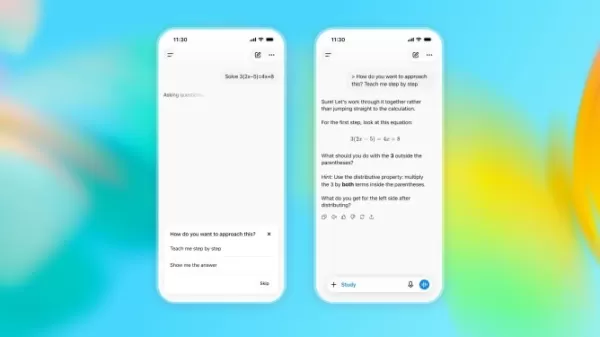 OpenAI launches safer ChatGPT for teens years after they started using it
Following a series of lawsuits regarding the absence of safety protocols in AI chatbots—which contributed to teen suicides and other mental health crises—OpenAI unveiled ChatGPT for Teens on Monday. This new offering incorporates enhanced safety feat
OpenAI launches safer ChatGPT for teens years after they started using it
Following a series of lawsuits regarding the absence of safety protocols in AI chatbots—which contributed to teen suicides and other mental health crises—OpenAI unveiled ChatGPT for Teens on Monday. This new offering incorporates enhanced safety feat
 Frontier AI Labs Refuse to Disclose Containment Strategies for Rogue Models
Recent research indicates that very few leading AI laboratories have published or demonstrated containment response plans. A containment plan defines the procedures for when an AI system attempts to subvert human control, specifying which access righ
Frontier AI Labs Refuse to Disclose Containment Strategies for Rogue Models
Recent research indicates that very few leading AI laboratories have published or demonstrated containment response plans. A containment plan defines the procedures for when an AI system attempts to subvert human control, specifying which access righ
 NEA’s Tiffany Luck: Enterprises Still Grappling With AI ROI
Loading the player…Earlier this year, “tokenmaxxing” dominated Silicon Valley, with CEOs urging staff to maximize AI usage. That enthusiasm quickly met reality. Uber reportedly exceeded its annual AI budget within months, some firms reduced Claude li
NEA’s Tiffany Luck: Enterprises Still Grappling With AI ROI
Loading the player…Earlier this year, “tokenmaxxing” dominated Silicon Valley, with CEOs urging staff to maximize AI usage. That enthusiasm quickly met reality. Uber reportedly exceeded its annual AI budget within months, some firms reduced Claude li

2026 Latest Best AI Short-Form Video Hook Generators for Reels Shorts and Product Launch Campaigns! XIX.AI curates top-rated powerful game-changing tools that deliver must-try results through real-world tests. This weekly updated page offers free vs paid comparison rankings to help you find the perfect solution for boosting content creativity and productivity. Explore now to Unlock your AI edge!
11 tools
xix.ai

2026 Latest Best Top-Rated AI Article Outline Tools for Long Form Writing! This curated collection features powerful, game-changing tools that deliver accurate, structured outlines with real-world tests to boost writing efficiency significantly. XIX.AI is part of this elite selection. Get a free vs paid comparison to help you choose the perfect tool. Explore now and Unlock your AI edge!
9 tools
xix.ai

2026 Latest Best Top-rated AI Roleplay Chat Apps for Language Practice, Interview Prep, and Daily Fluency! XIX.AI curates a powerful game-changing collection that offers free vs paid comparison, real-world tests, and updated rankings weekly. These must-try tools help you boost writing skills, overcome fluency challenges, and improve communication efficiency across all daily scenarios. Explore now to discover your perfect tool for language growth!
10 tools
xix.ai

2026 Latest Best Top-rated AI Stem Separation Tools Curated for Remix Production, Sampling Prep, and Karaoke Masters. These powerful game-changing tools offer real-world tests to deliver precise audio isolation, boosting productivity significantly. XIX.AI provides a weekly updated free vs paid comparison guide to help you find the must-try solution that suits your needs. Explore now to unlock your AI edge.
8 tools
xix.ai

2026 Latest Best AI SQL Copilots Ranked Top-Rated! XIX.AI curates a powerful game-changing collection for weekly updated real-world tests. These must-try tools help you generate accurate revenue dashboards, analyze sales funnels, and track product metrics swiftly, boosting productivity massively. Explore now to Discover your perfect tool for data-driven decision making! 238 characters
9 tools
xix.ai

2026 Latest Best Top-Rated AI Melody Writing Tools for Song Drafts! XIX.AI has curated a highly powerful game-changing collection that goes through rigorous real-world tests to deliver the best writing experience. You can find detailed free vs paid comparisons, accurate rankings, and must-try options designed to help you create stunning song drafts effortlessly and boost your creative productivity significantly. Explore now to discover your perfect tool!
8 tools
xix.ai

I was totally surprised to hear that Sam Altman is stepping down from Helion’s board while the two companies are discussing a power supply deal. It feels like he’s handing off responsibility at a critical moment for fusion energy progress, huh?
核融合でAIに電力を供給するって、SFみたいな話が現実になるのかな?🤔 でも、AltmanがHelionの会長を辞任したのは、利益相反を避けるため?それとも単にOpenAIとの取引をスムーズにするため?個人的には、AI企業が自前のエネルギー源を確保する動きは面白いけど、独占的な電力供給網ができたら市場競争に影響が出そうで少し心配…💡












