


 Home
HomeMicrosoft Q3 Earnings Beat Expectations as Cloud, Windows, and Xbox Drive Growth
Microsoft has released its fourth-quarter financial results for fiscal year 2025, marking the final quarter of the period. The software giant reported revenue of $76.4 billion and a net income of $27.2 billion for Q4. Revenue grew by 18 percent year-over-year, while net income rose by 24 percent.
As anticipated, cloud services were a key driver of Microsoft’s performance this quarter. Azure revenue increased by 39 percent compared to the same period last year. Microsoft CEO Satya Nadella highlighted that Azure surpassed $75 billion in revenue for the full fiscal year, reflecting a 34 percent growth.
These strong cloud earnings follow Microsoft's decision to lay off up to 9,000 employees earlier this month. As of June 30, Microsoft employed 228,000 full-time staff, matching its workforce numbers prior to the recent reductions.
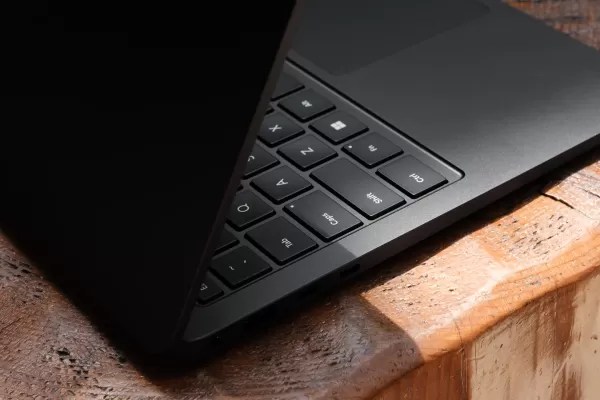
Microsoft’s Surface Laptop. Photo by Chris Welch / The VergeWindows and Surface revenue
The PC market continues to be affected by geopolitical trade policies and shifting consumer spending, while businesses are preparing for the end of Windows 10 support in October. Consequently, revenue from Windows OEM and devices grew by 3 percent year-over-year, primarily driven by gains in Windows OEM sales.
According to Gartner, PC shipments increased by over 4 percent in the recent quarter, supported by a PC refresh cycle tied to Windows 11. Microsoft earns most of its Windows revenue through OEM licensing, where manufacturers pay to preinstall the operating system on new devices.
While Surface revenue had been declining for two years as of last year, Microsoft now combines Windows and devices revenue in its financial reporting, making it difficult to assess Surface performance in isolation. On today’s earnings call, CFO Amy Hood projected that devices revenue will decline next quarter, along with a mid to high single-digit drop in Windows OEM revenue.
Microsoft launched two new Surface devices during the quarter: the 12-inch Surface Pro and the 13-inch Surface Laptop. However, both were released mid-quarter, meaning their full impact on revenue will likely become apparent in the following quarter.
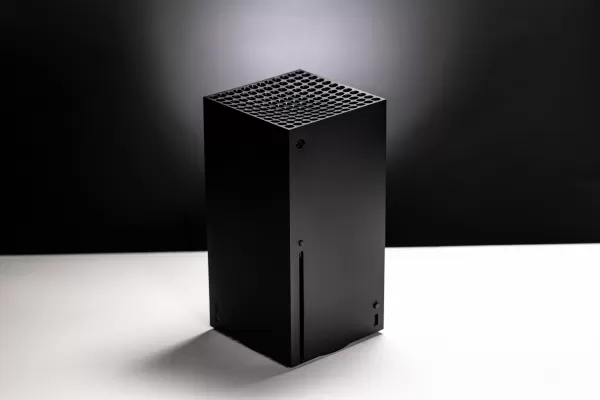
The Xbox Series X console Photo by Vjeran Pavic / The VergeXbox and gaming
Xbox content and services revenue, which includes Xbox Game Pass, increased by 13 percent this quarter. However, Microsoft has not updated its Game Pass subscriber count since February 2024, when it reported 34 million subscribers, including those on Xbox Game Pass Core (formerly Xbox Live Gold).
Over the past year, Microsoft has actively expanded its strategy to bring formerly Xbox-exclusive titles to PlayStation and Nintendo Switch. Senua’s Saga: Hellblade II is set to launch on PS5 next month, along with a remastered version of the original Gears of War. Earlier this year, Microsoft also released Forza Horizon 5 on PS5, alongside titles such as Age of Empires II: Definitive Edition, Age of Mythology: Retold, and Indiana Jones and the Great Circle.
While this cross-platform approach initially disappointed some Xbox loyalists, it has proven financially successful. Preorders for Indiana Jones and the Great Circle and Forza Horizon 5 topped the PlayStation Store earlier this year. According to Circana, Microsoft secured six of the top ten best-selling games on PlayStation last quarter.
“We are now the top publisher on both Xbox and PlayStation this quarter,” Nadella stated during the earnings call. He also noted that Game Pass annual revenue exceeded $5 billion for the first time and confirmed that Microsoft now has 500 million monthly active users across all gaming platforms and devices.
In contrast, Xbox hardware revenue decreased by 22 percent this quarter, even during a busy period for Game Pass. In May, Microsoft raised the price of Xbox Series X consoles by $100, bringing the retail price to $599.99, along with increases for controllers.
Overall gaming revenue at Microsoft increased by 10 percent year-over-year, adding $2 billion for the full fiscal year. Xbox content and services revenue grew 16 percent annually, but Xbox hardware revenue fell 25 percent due to lower console sales volume.
Microsoft’s “Xbox everywhere” strategy — a focus I’ve tracked in my Notepad newsletter over the past year — is expected to extend to Nintendo Switch 2 titles. One such title could be featured in Nintendo’s upcoming Switch 2 partner Direct event.
Looking forward, Microsoft will showcase new Xbox Ally handheld devices at Gamescom next month. Attendees will be able to play a demo of the highly anticipated Hollow Knight: Silksong on ROG Xbox Ally units, as well as “a couple more surprises at the show from our partners.”
For Q1 fiscal 2026, CFO Amy Hood anticipates a mid-single-digit decline in Xbox content and services revenue, alongside a mid-to-high single-digit drop in overall gaming revenue.
Office and cloud
Microsoft 365 commercial cloud revenue grew by 18 percent year-over-year, supported by higher per-user revenue and adoption of Microsoft 365 Copilot licenses. A January price increase for Microsoft 365 consumer plans contributed to 20 percent growth in consumer cloud revenue. Microsoft now has 89 million Microsoft 365 consumer subscribers, up 8 percent from last year.
Once again, cloud growth stood out this quarter. Azure and other cloud services surged by 39 percent, fueled by expansion across all service categories. Server products revenue, however, dropped by 2 percent, indicating that more customers are shifting to cloud-based solutions.
Nadella emphasized that all Azure regions now prioritize AI and support liquid cooling. Hood also disclosed that Microsoft plans to invest over $30 billion next quarter in AI infrastructure scaling. If sustained, this would bring annual spending to around $120 billion — exceeding the $80 billion allocated in the past 12 months.
LinkedIn revenue increased by 9 percent, while user sessions grew by 7 percent. Microsoft noted “record engagement” on the platform this quarter. Additionally, search and news advertising revenue rose by 21 percent following Bing’s AI-driven redesign and new features.
Related article
 Why OpenAI’s Head of Ethics Chloé Bakalar Departed
Chloe Bakalar, former Head of Ethics at OpenAI. Credit: CITP Princeton/YouTubeOpenAI’s Ethics Head Chloé Bakalar has left the leading AI amid a tumultuous period for AI safety – following the OpenAI hacking incidentOpenAI’s Head of EthicsChloé Bakala
Microsoft, Azure and AI Tech Combat California Wildfire Risks
Microsoft invests in AI-driven wildfire detection, with Juan Lavista Ferres, CVP and Chief Data Scientist, discussing strategies to mitigate environmental damage.According to NASA, climate change impacts everyone on Earth, manifesting as rising tempe
Microsoft CEO Slams AI Labs Over Distillation
Satya Nadella, Microsoft’s CEO, calls out AI labs for hypocrisy regarding distillation criticism, a remark widely interpreted as targeting Anthropic. Credit: Getty ImagesMicrosoft CEO Satya Nadella challenges AI developers for limiting model distilla
Related Special Topic Recommendations
Design & Art
Why OpenAI’s Head of Ethics Chloé Bakalar Departed
Chloe Bakalar, former Head of Ethics at OpenAI. Credit: CITP Princeton/YouTubeOpenAI’s Ethics Head Chloé Bakalar has left the leading AI amid a tumultuous period for AI safety – following the OpenAI hacking incidentOpenAI’s Head of EthicsChloé Bakala
Microsoft, Azure and AI Tech Combat California Wildfire Risks
Microsoft invests in AI-driven wildfire detection, with Juan Lavista Ferres, CVP and Chief Data Scientist, discussing strategies to mitigate environmental damage.According to NASA, climate change impacts everyone on Earth, manifesting as rising tempe
Microsoft CEO Slams AI Labs Over Distillation
Satya Nadella, Microsoft’s CEO, calls out AI labs for hypocrisy regarding distillation criticism, a remark widely interpreted as targeting Anthropic. Credit: Getty ImagesMicrosoft CEO Satya Nadella challenges AI developers for limiting model distilla
Related Special Topic Recommendations
Design & Art
 Top AI Illustration Tools: Create Editorial Scenes and Cover Art Faster
2026 Latest Top-rated AI Illustration Tools: Our curated list features the best powerfully designed tools for creating stunning editorial scenes and eye-catching cover art quickly. Each option has gone through rigorous real-world tests, offering a free vs paid comparison to help you find the perfect match for your workflow. Try these must-try solutions today to unlock your AI edge and boost your creative productivity. Explore now at XIX.AI.
 10 tools
 xix.ai
Education and Learning
Top AI Tutors for Exam Prep: Practice Math, Science, and English
xix.ai
Education and Learning
Top AI Tutors for Exam Prep: Practice Math, Science, and English
2026 Latest Top-Rated Best AI Tutors for Exam Prep are here on XIX.AI! Our curated list features powerful game-changing tools that offer free vs paid comparison, real-world tests, and weekly updated rankings. They help boost your writing efficiency, simplify complex topic learning, and unlock your academic potential. Explore now to Discover your perfect exam prep tool and Start creating today to Unlock your AI edge!
10 tools
xix.ai
Finance
AI Budget Planning Tools for Personal Money Management
2026 Latest Best Top-Rated AI Budget Planning Tools for Personal Money Management are here on XIX.AI! This curated collection features powerful, game-changing solutions that help you conduct real-world tests, understand spending habits, and create personalized plans to boost productivity. Enjoy a free vs paid comparison along with detailed rankings. Must-try tools designed to simplify money management and unlock your AI edge. Explore now!
11 tools
xix.ai
Health & Wellness
AI Sleep Tracking Assistants: Improve Recovery with Better Bedtime Habits
2026 Latest Best Top-Rated AI Sleep Tracking Assistants curated for ultimate recovery. This fully updated weekly guide features powerful tools that deliver real-world tests, free vs paid comparison, and detailed rankings to help you find the must-try solution that boosts sleep quality and supports better bedtime habits. Explore now at XIX.AI to Unlock your AI edge.
10 tools
xix.ai
Data Analysis
AI SQL Copilots for Product and Revenue Analytics
2026 Latest Best Top-Rated AI SQL Copilots for Product and Revenue Analytics! XIX.AI has curated a powerful, game-changing collection of must-try tools that undergo real-world tests through weekly updated rankings. These tools help users boost productivity significantly by accelerating data analysis, streamlining complex queries, and generating accurate insights to drive smarter business decisions. Explore now to Discover your perfect tool for unlocking your AI edge!
14 tools
xix.ai
Education and Learning
Best AI Homework Helpers That Teach: Learn Concepts, Not Just Answers
2026 Latest Best Top-Rated AI Homework Helpers That Teach Core Concepts Not Just Answers Powerful Tools for Students Must-Try Curated List Weekly Updated Free vs Paid Comparison Real-World Tests Accurate Rankings to Help You Unlock Your Full Learning Potential Explore now to Discover your perfect tool for smarter studying.
10 tools
xix.ai

 Comments (2)
0/500
Comments (2)
0/500
![TerryGonzalez]()
微软这财报也太猛了吧,云业务简直是印钞机啊!不过老调重弹的感觉,啥时候能看见更多AI落地实际产品的惊喜,而不是光看收入数字蹭蹭涨?🤔
![DanielJohnson]()
Microsoft mal wieder mit fetten Zahlen... aber frage mich, ob die Cloud-Dominanz auf Dauer gesund ist. Könnte das nicht irgendwann zu Monopol-Problemen führen? 🤔 Die 18% Wachstum sind trotzdem beeindruckend!
Microsoft has released its fourth-quarter financial results for fiscal year 2025, marking the final quarter of the period. The software giant reported revenue of $76.4 billion and a net income of $27.2 billion for Q4. Revenue grew by 18 percent year-over-year, while net income rose by 24 percent.
As anticipated, cloud services were a key driver of Microsoft’s performance this quarter. Azure revenue increased by 39 percent compared to the same period last year. Microsoft CEO Satya Nadella highlighted that Azure surpassed $75 billion in revenue for the full fiscal year, reflecting a 34 percent growth.
These strong cloud earnings follow Microsoft's decision to lay off up to 9,000 employees earlier this month. As of June 30, Microsoft employed 228,000 full-time staff, matching its workforce numbers prior to the recent reductions.
Windows and Surface revenue
The PC market continues to be affected by geopolitical trade policies and shifting consumer spending, while businesses are preparing for the end of Windows 10 support in October. Consequently, revenue from Windows OEM and devices grew by 3 percent year-over-year, primarily driven by gains in Windows OEM sales.
According to Gartner, PC shipments increased by over 4 percent in the recent quarter, supported by a PC refresh cycle tied to Windows 11. Microsoft earns most of its Windows revenue through OEM licensing, where manufacturers pay to preinstall the operating system on new devices.
While Surface revenue had been declining for two years as of last year, Microsoft now combines Windows and devices revenue in its financial reporting, making it difficult to assess Surface performance in isolation. On today’s earnings call, CFO Amy Hood projected that devices revenue will decline next quarter, along with a mid to high single-digit drop in Windows OEM revenue.
Microsoft launched two new Surface devices during the quarter: the 12-inch Surface Pro and the 13-inch Surface Laptop. However, both were released mid-quarter, meaning their full impact on revenue will likely become apparent in the following quarter.
Xbox and gaming
Xbox content and services revenue, which includes Xbox Game Pass, increased by 13 percent this quarter. However, Microsoft has not updated its Game Pass subscriber count since February 2024, when it reported 34 million subscribers, including those on Xbox Game Pass Core (formerly Xbox Live Gold).
Over the past year, Microsoft has actively expanded its strategy to bring formerly Xbox-exclusive titles to PlayStation and Nintendo Switch. Senua’s Saga: Hellblade II is set to launch on PS5 next month, along with a remastered version of the original Gears of War. Earlier this year, Microsoft also released Forza Horizon 5 on PS5, alongside titles such as Age of Empires II: Definitive Edition, Age of Mythology: Retold, and Indiana Jones and the Great Circle.
While this cross-platform approach initially disappointed some Xbox loyalists, it has proven financially successful. Preorders for Indiana Jones and the Great Circle and Forza Horizon 5 topped the PlayStation Store earlier this year. According to Circana, Microsoft secured six of the top ten best-selling games on PlayStation last quarter.
“We are now the top publisher on both Xbox and PlayStation this quarter,” Nadella stated during the earnings call. He also noted that Game Pass annual revenue exceeded $5 billion for the first time and confirmed that Microsoft now has 500 million monthly active users across all gaming platforms and devices.
In contrast, Xbox hardware revenue decreased by 22 percent this quarter, even during a busy period for Game Pass. In May, Microsoft raised the price of Xbox Series X consoles by $100, bringing the retail price to $599.99, along with increases for controllers.
Overall gaming revenue at Microsoft increased by 10 percent year-over-year, adding $2 billion for the full fiscal year. Xbox content and services revenue grew 16 percent annually, but Xbox hardware revenue fell 25 percent due to lower console sales volume.
Microsoft’s “Xbox everywhere” strategy — a focus I’ve tracked in my Notepad newsletter over the past year — is expected to extend to Nintendo Switch 2 titles. One such title could be featured in Nintendo’s upcoming Switch 2 partner Direct event.
Looking forward, Microsoft will showcase new Xbox Ally handheld devices at Gamescom next month. Attendees will be able to play a demo of the highly anticipated Hollow Knight: Silksong on ROG Xbox Ally units, as well as “a couple more surprises at the show from our partners.”
For Q1 fiscal 2026, CFO Amy Hood anticipates a mid-single-digit decline in Xbox content and services revenue, alongside a mid-to-high single-digit drop in overall gaming revenue.
Office and cloud
Microsoft 365 commercial cloud revenue grew by 18 percent year-over-year, supported by higher per-user revenue and adoption of Microsoft 365 Copilot licenses. A January price increase for Microsoft 365 consumer plans contributed to 20 percent growth in consumer cloud revenue. Microsoft now has 89 million Microsoft 365 consumer subscribers, up 8 percent from last year.
Once again, cloud growth stood out this quarter. Azure and other cloud services surged by 39 percent, fueled by expansion across all service categories. Server products revenue, however, dropped by 2 percent, indicating that more customers are shifting to cloud-based solutions.
Nadella emphasized that all Azure regions now prioritize AI and support liquid cooling. Hood also disclosed that Microsoft plans to invest over $30 billion next quarter in AI infrastructure scaling. If sustained, this would bring annual spending to around $120 billion — exceeding the $80 billion allocated in the past 12 months.
LinkedIn revenue increased by 9 percent, while user sessions grew by 7 percent. Microsoft noted “record engagement” on the platform this quarter. Additionally, search and news advertising revenue rose by 21 percent following Bing’s AI-driven redesign and new features.








 Why OpenAI’s Head of Ethics Chloé Bakalar Departed
Chloe Bakalar, former Head of Ethics at OpenAI. Credit: CITP Princeton/YouTubeOpenAI’s Ethics Head Chloé Bakalar has left the leading AI amid a tumultuous period for AI safety – following the OpenAI hacking incidentOpenAI’s Head of EthicsChloé Bakala
Why OpenAI’s Head of Ethics Chloé Bakalar Departed
Chloe Bakalar, former Head of Ethics at OpenAI. Credit: CITP Princeton/YouTubeOpenAI’s Ethics Head Chloé Bakalar has left the leading AI amid a tumultuous period for AI safety – following the OpenAI hacking incidentOpenAI’s Head of EthicsChloé Bakala
 Microsoft, Azure and AI Tech Combat California Wildfire Risks
Microsoft invests in AI-driven wildfire detection, with Juan Lavista Ferres, CVP and Chief Data Scientist, discussing strategies to mitigate environmental damage.According to NASA, climate change impacts everyone on Earth, manifesting as rising tempe
Microsoft, Azure and AI Tech Combat California Wildfire Risks
Microsoft invests in AI-driven wildfire detection, with Juan Lavista Ferres, CVP and Chief Data Scientist, discussing strategies to mitigate environmental damage.According to NASA, climate change impacts everyone on Earth, manifesting as rising tempe
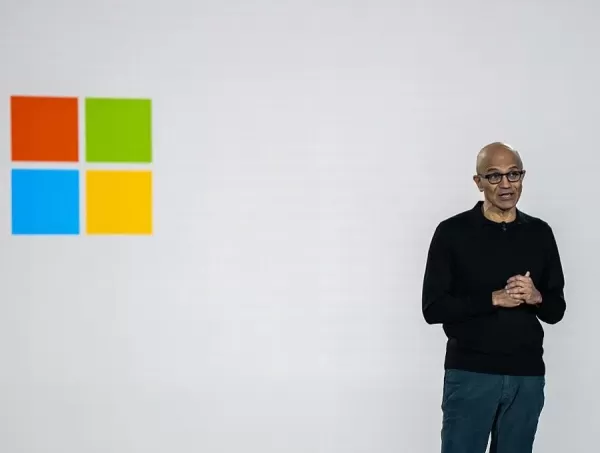 Microsoft CEO Slams AI Labs Over Distillation
Satya Nadella, Microsoft’s CEO, calls out AI labs for hypocrisy regarding distillation criticism, a remark widely interpreted as targeting Anthropic. Credit: Getty ImagesMicrosoft CEO Satya Nadella challenges AI developers for limiting model distilla
Microsoft CEO Slams AI Labs Over Distillation
Satya Nadella, Microsoft’s CEO, calls out AI labs for hypocrisy regarding distillation criticism, a remark widely interpreted as targeting Anthropic. Credit: Getty ImagesMicrosoft CEO Satya Nadella challenges AI developers for limiting model distilla

2026 Latest Top-rated AI Illustration Tools: Our curated list features the best powerfully designed tools for creating stunning editorial scenes and eye-catching cover art quickly. Each option has gone through rigorous real-world tests, offering a free vs paid comparison to help you find the perfect match for your workflow. Try these must-try solutions today to unlock your AI edge and boost your creative productivity. Explore now at XIX.AI.
10 tools
xix.ai

2026 Latest Top-Rated Best AI Tutors for Exam Prep are here on XIX.AI! Our curated list features powerful game-changing tools that offer free vs paid comparison, real-world tests, and weekly updated rankings. They help boost your writing efficiency, simplify complex topic learning, and unlock your academic potential. Explore now to Discover your perfect exam prep tool and Start creating today to Unlock your AI edge!
10 tools
xix.ai

2026 Latest Best Top-Rated AI Budget Planning Tools for Personal Money Management are here on XIX.AI! This curated collection features powerful, game-changing solutions that help you conduct real-world tests, understand spending habits, and create personalized plans to boost productivity. Enjoy a free vs paid comparison along with detailed rankings. Must-try tools designed to simplify money management and unlock your AI edge. Explore now!
11 tools
xix.ai

2026 Latest Best Top-Rated AI Sleep Tracking Assistants curated for ultimate recovery. This fully updated weekly guide features powerful tools that deliver real-world tests, free vs paid comparison, and detailed rankings to help you find the must-try solution that boosts sleep quality and supports better bedtime habits. Explore now at XIX.AI to Unlock your AI edge.
10 tools
xix.ai

2026 Latest Best Top-Rated AI SQL Copilots for Product and Revenue Analytics! XIX.AI has curated a powerful, game-changing collection of must-try tools that undergo real-world tests through weekly updated rankings. These tools help users boost productivity significantly by accelerating data analysis, streamlining complex queries, and generating accurate insights to drive smarter business decisions. Explore now to Discover your perfect tool for unlocking your AI edge!
14 tools
xix.ai

2026 Latest Best Top-Rated AI Homework Helpers That Teach Core Concepts Not Just Answers Powerful Tools for Students Must-Try Curated List Weekly Updated Free vs Paid Comparison Real-World Tests Accurate Rankings to Help You Unlock Your Full Learning Potential Explore now to Discover your perfect tool for smarter studying.
10 tools
xix.ai

微软这财报也太猛了吧,云业务简直是印钞机啊!不过老调重弹的感觉,啥时候能看见更多AI落地实际产品的惊喜,而不是光看收入数字蹭蹭涨?🤔
Microsoft mal wieder mit fetten Zahlen... aber frage mich, ob die Cloud-Dominanz auf Dauer gesund ist. Könnte das nicht irgendwann zu Monopol-Problemen führen? 🤔 Die 18% Wachstum sind trotzdem beeindruckend!












