


 Home
Home1,000 artists release ‘silent’ album to protest UK copyright sell-out to AI
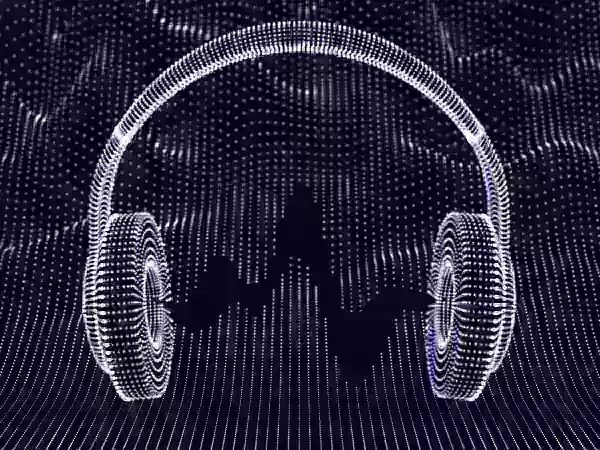
The U.K. government is making strides to lure more AI companies to its shores, and one of the key moves involves tweaking copyright laws. The proposed changes would let AI developers train their models on artists' online content without needing permission or offering payment, unless the creators specifically "opt out." However, not everyone's singing from the same hymn sheet on this one.
On Monday, over 1,000 musicians took a stand by releasing a "silent album" to protest these proposed changes. Titled "Is This What We Want?", the album features contributions from luminaries like Kate Bush, Imogen Heap, and classical composers such as Max Richter and Thomas Hewitt Jones. It also boasts co-writing credits from a host of other big names including Annie Lennox, Damon Albarn, Billy Ocean, The Clash, Mystery Jets, Yusuf / Cat Stevens, Riz Ahmed, Tori Amos, and Hans Zimmer. But don't expect to hear any tunes; instead, the album is filled with recordings of empty studios and performance spaces, symbolizing the artists' fears about the impact of the new copyright laws.
Thomas Hewitt Jones humorously described his contribution, saying, "You can hear my cats moving around. I have two cats in my studio who bother me all day when I’m working." The album's 12 tracks cleverly spell out a stark message: "The British government must not legalize music theft to benefit AI companies." You can give it a listen here.
This album is part of a broader movement in the U.K. to spotlight how copyright is being handled in AI training. Similar protests are happening globally, particularly in the U.S., showing that artists worldwide are concerned about this issue.
Ed Newton-Rex, who spearheaded this project, is also leading a larger campaign against AI training without proper licensing. His petition has garnered over 47,000 signatures from writers, visual artists, actors, and other creatives, with nearly 10,000 added in the last five weeks following the U.K. government's AI strategy announcement. Newton-Rex has been running a nonprofit for the past year, certifying companies that refrain from using copyrighted material without permission for AI training.
Newton-Rex's journey to advocating for artists is an interesting one. Initially trained as a composer, he later founded Jukedeck, an AI-based music composition platform that allowed users to create their own music without infringing on copyrights. His innovative pitch, complete with rapping and riffing on the benefits of AI in music, clinched the TechCrunch Startup Battlefield in 2015. Jukedeck was eventually bought by TikTok, where Newton-Rex worked on music services. After stints at companies like Snap and Stability, he's now focused on ensuring the future of creativity doesn't come at the expense of the past. He's tackling these issues from his new home in the Bay Area, alongside his wife Alice Newton-Rex, VP of product at WhatsApp.
The album's release comes just before the planned changes to U.K. copyright laws, which would require artists to actively "opt out" if they don't want their work used for AI training. Newton-Rex argues that this creates a lose-lose situation for artists, as there's no effective opt-out method or way to track what content is being used by AI systems. "We know that opt-out schemes are just not taken up," he said. "This is just going to give 90% to 95% of people’s work to AI companies. That’s without a doubt."
Artists are looking elsewhere for solutions, with Hewitt Jones considering markets like Switzerland for better protections. In a dramatic protest, he even threw a working keyboard into a harbor in Kent, later retrieving it, albeit broken. The internet, he notes, is a far more challenging battleground. "We’ve been told for decades to share our work online because it’s good for exposure. But now AI companies and, incredibly, governments are turning around and saying, 'Well, you put that online for free ...'" Newton-Rex said. This has led some artists to stop creating and sharing their work altogether.
The album will be widely available on various music platforms starting Tuesday, with any donations or proceeds going to the charity Help Musicians.
Related article
 ElevenLabs Unveils Music AI That Switches Genres Mid-Song
ElevenLabs, a voice AI company, has launched Music v2, the latest version of its music-generation model, which can shift genres mid-track. The model is designed to handle complex vocals and composition. This release comes nearly ten months after the
TIDAL halts AI music monetization
TIDAL, the music streaming service, has introduced a new policy targeting AI-generated music. Fully AI-generated tracks will no longer be eligible for monetization on the platform. Additionally, TIDAL says it will deploy automated tools to remove AI-
GRAI: AI Aimed to Make Music More Social, Not Replace Artists
Today's AI music startups like Suno and Udio provide technology that leverages artificial intelligence for music generation. But a new company, GRAI, believes most people don't want to generate music from scratch using AI — they prefer to remix tunes
Related Special Topic Recommendations
chatbot
ElevenLabs Unveils Music AI That Switches Genres Mid-Song
ElevenLabs, a voice AI company, has launched Music v2, the latest version of its music-generation model, which can shift genres mid-track. The model is designed to handle complex vocals and composition. This release comes nearly ten months after the
TIDAL halts AI music monetization
TIDAL, the music streaming service, has introduced a new policy targeting AI-generated music. Fully AI-generated tracks will no longer be eligible for monetization on the platform. Additionally, TIDAL says it will deploy automated tools to remove AI-
GRAI: AI Aimed to Make Music More Social, Not Replace Artists
Today's AI music startups like Suno and Udio provide technology that leverages artificial intelligence for music generation. But a new company, GRAI, believes most people don't want to generate music from scratch using AI — they prefer to remix tunes
Related Special Topic Recommendations
chatbot
 Best AI Conversation Trainer Tools for Interview Practice
2026 Latest Best Top-rated AI Conversation Trainer Tools for Interview Practice are here on XIX.AI! This curated collection features powerful, game-changing tools that go through rigorous real-world tests to deliver accurate feedback. You’ll find a free vs paid comparison and detailed rankings to help you choose the must-try option that boosts your confidence and skills. Explore now to Discover your perfect tool for interview success!
 12 tools
 xix.ai
Design & Art
Best AI Style Transfer Tools for Creative Experiments
xix.ai
Design & Art
Best AI Style Transfer Tools for Creative Experiments
2026 Latest Best Top-rated AI Style Transfer Tools for Creative Experiments! XIX.AI has curated a powerful, game-changing collection of must-try tools that deliver exceptional results through real-world tests and rigorous rankings. These top solutions help creatives boost productivity significantly by accelerating content creation and unlocking endless creative possibilities. Explore now to discover your perfect tool and start creating today!
9 tools
xix.ai
Comic Creation
Best AI Dialogue Bubble Tools for Visual Storytelling
2026 Latest Best Top-Rated AI Dialogue Bubble Tools for Visual Storytelling are here on XIX.AI! This curated collection features powerful, game-changing tools that help creators boost productivity and overcome creative bottlenecks. Get a free vs paid comparison, see real-world tests, and check the latest rankings to find the must-try solutions perfect for crafting engaging visual narratives. Explore now to discover your ideal tool!
10 tools
xix.ai
Meeting Assistant
Top AI Meeting Summary Tools: Track Decisions and Follow-Ups Clearly
2026 Latest Top-Rated Best AI Meeting Summary Tools for Clear Decision Tracking and Effortless Follow-Ups. This curated list showcases powerful, game-changing solutions that boost productivity dramatically by automating meeting notes, identifying key action items, and streamlining team coordination across all projects. Get a free vs paid comparison along with real-world tests and weekly updated rankings to help you find the perfect tool. Explore now to unlock your AI edge!
9 tools
xix.ai
Data Analysis
Best AI Data Cleaning Tools: Fix Missing Values and Duplicates Fast
2026 Latest Best Top-rated AI Data Cleaning Tools for quick fixing of missing values and duplicates. This curated list showcases powerful, game-changing solutions that boost productivity significantly. Each option has undergone rigorous real-world tests to ensure reliability. Get a free vs paid comparison and discover the must-try tool that fits your needs best. Explore now at XIX.AI to Unlock your AI edge.
11 tools
xix.ai
Design & Art
Best AI Creative Ideation Tools for Artists: Break Through Visual Blocks
2026 Latest Best Top-Rated AI Creative Ideation Tools for Artists are curated by XIX.AI to help creators break through visual blocks and boost creativity instantly. These powerful game-changing tools offer real-world tests, detailed free vs paid comparison, and weekly updated rankings. Discover your perfect tool to accelerate content creation and unlock your AI edge today. Explore now!
14 tools
xix.ai

 Comments (19)
0/500
Comments (19)
0/500
![PaulHill]()
So the UK government is basically saying 'Hey AI companies, come take our artists' work for free, no need to ask permission or pay'? And the artists respond with a silent album... that's actually a pretty clever protest. Silence speaks louder than words sometimes. 🎵🤐
![AlbertJackson]()
Interessante Aktion, aber ob das wirklich was bringt? Wenn man Kunst online stellt, wird sie eben genutzt – das ist fast wie in die Öffentlichkeit gehen. Trotzdem unverschämt, wenn Firmen daraus Profit schlagen, ohne Künstler zu entlohnen 😒 Hoffentlich setzt sich da mal ein fairer Standard durch.
![BenHernández]()
これはアーティストの権利を完全に無視していますよね。AIのトレーニングに作品を使うなら、少なくとも許可と報酬が必要だと思う。政府はなぜクリエイターを守る法律を作らないのか?💢 #アートを守れ
![CarlMartin]()
Un album silencieux pour protester contre l’exploitation des œuvres par l’IA… quelle idée géniale ! 😂 Mais ça montre bien la colère des artistes. Le gouvernement devrait vraiment les écouter au lieu de vendre leurs droits au plus offrant.
![BruceMiller]()
C'est incroyable comment le gouvernement britannique sacrifie les droits des artistes pour attirer les boîtes d'IA ! 😡 Cette histoire d'album silencieux, c'est une super idée pour protester, mais franchement, est-ce que ça va changer quelque chose ?
![MarkGonzalez]()
C'est scandaleux de voir comment le gouvernement britannique sacrifie les artistes pour attirer les entreprises d'IA ! 😡 Les créateurs méritent d'être respectés et rémunérés pour leur travail, pas pillés sans consentement. Cette 'album silencieux' est une protestation brillante, mais est-ce que ça suffira à faire changer les choses ?
The U.K. government is making strides to lure more AI companies to its shores, and one of the key moves involves tweaking copyright laws. The proposed changes would let AI developers train their models on artists' online content without needing permission or offering payment, unless the creators specifically "opt out." However, not everyone's singing from the same hymn sheet on this one.
On Monday, over 1,000 musicians took a stand by releasing a "silent album" to protest these proposed changes. Titled "Is This What We Want?", the album features contributions from luminaries like Kate Bush, Imogen Heap, and classical composers such as Max Richter and Thomas Hewitt Jones. It also boasts co-writing credits from a host of other big names including Annie Lennox, Damon Albarn, Billy Ocean, The Clash, Mystery Jets, Yusuf / Cat Stevens, Riz Ahmed, Tori Amos, and Hans Zimmer. But don't expect to hear any tunes; instead, the album is filled with recordings of empty studios and performance spaces, symbolizing the artists' fears about the impact of the new copyright laws.
Thomas Hewitt Jones humorously described his contribution, saying, "You can hear my cats moving around. I have two cats in my studio who bother me all day when I’m working." The album's 12 tracks cleverly spell out a stark message: "The British government must not legalize music theft to benefit AI companies." You can give it a listen here.
This album is part of a broader movement in the U.K. to spotlight how copyright is being handled in AI training. Similar protests are happening globally, particularly in the U.S., showing that artists worldwide are concerned about this issue.
Ed Newton-Rex, who spearheaded this project, is also leading a larger campaign against AI training without proper licensing. His petition has garnered over 47,000 signatures from writers, visual artists, actors, and other creatives, with nearly 10,000 added in the last five weeks following the U.K. government's AI strategy announcement. Newton-Rex has been running a nonprofit for the past year, certifying companies that refrain from using copyrighted material without permission for AI training.
Newton-Rex's journey to advocating for artists is an interesting one. Initially trained as a composer, he later founded Jukedeck, an AI-based music composition platform that allowed users to create their own music without infringing on copyrights. His innovative pitch, complete with rapping and riffing on the benefits of AI in music, clinched the TechCrunch Startup Battlefield in 2015. Jukedeck was eventually bought by TikTok, where Newton-Rex worked on music services. After stints at companies like Snap and Stability, he's now focused on ensuring the future of creativity doesn't come at the expense of the past. He's tackling these issues from his new home in the Bay Area, alongside his wife Alice Newton-Rex, VP of product at WhatsApp.
The album's release comes just before the planned changes to U.K. copyright laws, which would require artists to actively "opt out" if they don't want their work used for AI training. Newton-Rex argues that this creates a lose-lose situation for artists, as there's no effective opt-out method or way to track what content is being used by AI systems. "We know that opt-out schemes are just not taken up," he said. "This is just going to give 90% to 95% of people’s work to AI companies. That’s without a doubt."
Artists are looking elsewhere for solutions, with Hewitt Jones considering markets like Switzerland for better protections. In a dramatic protest, he even threw a working keyboard into a harbor in Kent, later retrieving it, albeit broken. The internet, he notes, is a far more challenging battleground. "We’ve been told for decades to share our work online because it’s good for exposure. But now AI companies and, incredibly, governments are turning around and saying, 'Well, you put that online for free ...'" Newton-Rex said. This has led some artists to stop creating and sharing their work altogether.
The album will be widely available on various music platforms starting Tuesday, with any donations or proceeds going to the charity Help Musicians.








 ElevenLabs Unveils Music AI That Switches Genres Mid-Song
ElevenLabs, a voice AI company, has launched Music v2, the latest version of its music-generation model, which can shift genres mid-track. The model is designed to handle complex vocals and composition. This release comes nearly ten months after the
ElevenLabs Unveils Music AI That Switches Genres Mid-Song
ElevenLabs, a voice AI company, has launched Music v2, the latest version of its music-generation model, which can shift genres mid-track. The model is designed to handle complex vocals and composition. This release comes nearly ten months after the
 TIDAL halts AI music monetization
TIDAL, the music streaming service, has introduced a new policy targeting AI-generated music. Fully AI-generated tracks will no longer be eligible for monetization on the platform. Additionally, TIDAL says it will deploy automated tools to remove AI-
TIDAL halts AI music monetization
TIDAL, the music streaming service, has introduced a new policy targeting AI-generated music. Fully AI-generated tracks will no longer be eligible for monetization on the platform. Additionally, TIDAL says it will deploy automated tools to remove AI-
 GRAI: AI Aimed to Make Music More Social, Not Replace Artists
Today's AI music startups like Suno and Udio provide technology that leverages artificial intelligence for music generation. But a new company, GRAI, believes most people don't want to generate music from scratch using AI — they prefer to remix tunes
GRAI: AI Aimed to Make Music More Social, Not Replace Artists
Today's AI music startups like Suno and Udio provide technology that leverages artificial intelligence for music generation. But a new company, GRAI, believes most people don't want to generate music from scratch using AI — they prefer to remix tunes

2026 Latest Best Top-rated AI Conversation Trainer Tools for Interview Practice are here on XIX.AI! This curated collection features powerful, game-changing tools that go through rigorous real-world tests to deliver accurate feedback. You’ll find a free vs paid comparison and detailed rankings to help you choose the must-try option that boosts your confidence and skills. Explore now to Discover your perfect tool for interview success!
12 tools
xix.ai

2026 Latest Best Top-rated AI Style Transfer Tools for Creative Experiments! XIX.AI has curated a powerful, game-changing collection of must-try tools that deliver exceptional results through real-world tests and rigorous rankings. These top solutions help creatives boost productivity significantly by accelerating content creation and unlocking endless creative possibilities. Explore now to discover your perfect tool and start creating today!
9 tools
xix.ai
2026 Latest Best Top-Rated AI Dialogue Bubble Tools for Visual Storytelling are here on XIX.AI! This curated collection features powerful, game-changing tools that help creators boost productivity and overcome creative bottlenecks. Get a free vs paid comparison, see real-world tests, and check the latest rankings to find the must-try solutions perfect for crafting engaging visual narratives. Explore now to discover your ideal tool!
10 tools
xix.ai
2026 Latest Top-Rated Best AI Meeting Summary Tools for Clear Decision Tracking and Effortless Follow-Ups. This curated list showcases powerful, game-changing solutions that boost productivity dramatically by automating meeting notes, identifying key action items, and streamlining team coordination across all projects. Get a free vs paid comparison along with real-world tests and weekly updated rankings to help you find the perfect tool. Explore now to unlock your AI edge!
9 tools
xix.ai
2026 Latest Best Top-rated AI Data Cleaning Tools for quick fixing of missing values and duplicates. This curated list showcases powerful, game-changing solutions that boost productivity significantly. Each option has undergone rigorous real-world tests to ensure reliability. Get a free vs paid comparison and discover the must-try tool that fits your needs best. Explore now at XIX.AI to Unlock your AI edge.
11 tools
xix.ai
2026 Latest Best Top-Rated AI Creative Ideation Tools for Artists are curated by XIX.AI to help creators break through visual blocks and boost creativity instantly. These powerful game-changing tools offer real-world tests, detailed free vs paid comparison, and weekly updated rankings. Discover your perfect tool to accelerate content creation and unlock your AI edge today. Explore now!
14 tools
xix.ai

So the UK government is basically saying 'Hey AI companies, come take our artists' work for free, no need to ask permission or pay'? And the artists respond with a silent album... that's actually a pretty clever protest. Silence speaks louder than words sometimes. 🎵🤐
Interessante Aktion, aber ob das wirklich was bringt? Wenn man Kunst online stellt, wird sie eben genutzt – das ist fast wie in die Öffentlichkeit gehen. Trotzdem unverschämt, wenn Firmen daraus Profit schlagen, ohne Künstler zu entlohnen 😒 Hoffentlich setzt sich da mal ein fairer Standard durch.
これはアーティストの権利を完全に無視していますよね。AIのトレーニングに作品を使うなら、少なくとも許可と報酬が必要だと思う。政府はなぜクリエイターを守る法律を作らないのか?💢 #アートを守れ
Un album silencieux pour protester contre l’exploitation des œuvres par l’IA… quelle idée géniale ! 😂 Mais ça montre bien la colère des artistes. Le gouvernement devrait vraiment les écouter au lieu de vendre leurs droits au plus offrant.
C'est incroyable comment le gouvernement britannique sacrifie les droits des artistes pour attirer les boîtes d'IA ! 😡 Cette histoire d'album silencieux, c'est une super idée pour protester, mais franchement, est-ce que ça va changer quelque chose ?
C'est scandaleux de voir comment le gouvernement britannique sacrifie les artistes pour attirer les entreprises d'IA ! 😡 Les créateurs méritent d'être respectés et rémunérés pour leur travail, pas pillés sans consentement. Cette 'album silencieux' est une protestation brillante, mais est-ce que ça suffira à faire changer les choses ?












