


 Home
HomeNielsen's Gracenote Sues OpenAI Over Alleged Unauthorized Metadata Scraping

Gracenote, the leading metadata services provider under Nielsen, has officially filed a lawsuit against OpenAI in the U.S. District Court for the Southern District of New York. The suit alleges that OpenAI engaged in extensive, unauthorized scraping of Gracenote's proprietary media metadata database to train commercial AI products like ChatGPT, without permission or compensation.
Gracenote contends that OpenAI's conduct represents severe copyright infringement and poses a direct threat to the company's core business by effectively "replicating" its foundational assets. The company highlights that its database is the result of meticulous manual curation by hundreds of editors, containing rich program descriptions, video attributes, unique identifiers, and intricate relationship maps. Gracenote emphasizes that the infringement extends beyond simple text to include its patented "data correlation framework."
The legal complaint notes that when users ask ChatGPT to describe popular TV series like "Game of Thrones," the AI's responses are strikingly similar to the descriptions authored by Gracenote's editors. This suggests the relevant data was directly copied and integrated into the AI model.
Gracenote fears that if AI companies are permitted to freely scrape and redistribute this data, end customers—such as smart TV manufacturers—may cease purchasing licensed services in favor of AI-generated alternatives. This could destabilize the entire metadata market ecosystem. Gracenote stated it had made multiple attempts to contact OpenAI to discuss licensing agreements but was repeatedly declined or ignored, ultimately leaving litigation as its only recourse.
In response, an OpenAI spokesperson stated that the company's model training relies on "publicly available data" and operates in compliance with the "fair use" doctrine under existing copyright law.
Related article
 Stripe to Acquire OpenRouter as AI Model Routing Gains Momentum
Stripe has agreed to acquire OpenRouter, an AI model-routing platform that gives developers access to hundreds of models through a single interface. The deal adds model selection and routing to Stripe’s existing work around AI usage and token-based b
Former OpenAI Researcher Barrett Zoph Returns to Google to Support Gemini Development
Barret Zoph, who previously abruptly left and joined OpenAI due to a disagreement with Thinking Machines Lab CEO Miriam Mularati, has once again changed employers. Alphabet's Google announced that Zoph will return as Vice President of Research, bring
How Recursive Intelligence Raised $335M at $4B Valuation in 4 Months
The co-founders of startup Ricursive Intelligence seemed destined to be co-founders.Anna Goldie, CEO, and Azalia Mirhoseini, CTO, are so well-known in the AI community that they were among those AI engineers who “got those weird emails from Zuckerber
Related Special Topic Recommendations
Design & Art
Stripe to Acquire OpenRouter as AI Model Routing Gains Momentum
Stripe has agreed to acquire OpenRouter, an AI model-routing platform that gives developers access to hundreds of models through a single interface. The deal adds model selection and routing to Stripe’s existing work around AI usage and token-based b
Former OpenAI Researcher Barrett Zoph Returns to Google to Support Gemini Development
Barret Zoph, who previously abruptly left and joined OpenAI due to a disagreement with Thinking Machines Lab CEO Miriam Mularati, has once again changed employers. Alphabet's Google announced that Zoph will return as Vice President of Research, bring
How Recursive Intelligence Raised $335M at $4B Valuation in 4 Months
The co-founders of startup Ricursive Intelligence seemed destined to be co-founders.Anna Goldie, CEO, and Azalia Mirhoseini, CTO, are so well-known in the AI community that they were among those AI engineers who “got those weird emails from Zuckerber
Related Special Topic Recommendations
Design & Art
 Top AI Illustration Tools: Create Editorial Scenes and Cover Art Faster
2026 Latest Top-rated AI Illustration Tools: Our curated list features the best powerfully designed tools for creating stunning editorial scenes and eye-catching cover art quickly. Each option has gone through rigorous real-world tests, offering a free vs paid comparison to help you find the perfect match for your workflow. Try these must-try solutions today to unlock your AI edge and boost your creative productivity. Explore now at XIX.AI.
 10 tools
 xix.ai
Education and Learning
Top AI Tutors for Exam Prep: Practice Math, Science, and English
xix.ai
Education and Learning
Top AI Tutors for Exam Prep: Practice Math, Science, and English
2026 Latest Top-Rated Best AI Tutors for Exam Prep are here on XIX.AI! Our curated list features powerful game-changing tools that offer free vs paid comparison, real-world tests, and weekly updated rankings. They help boost your writing efficiency, simplify complex topic learning, and unlock your academic potential. Explore now to Discover your perfect exam prep tool and Start creating today to Unlock your AI edge!
10 tools
xix.ai
Finance
AI Budget Planning Tools for Personal Money Management
2026 Latest Best Top-Rated AI Budget Planning Tools for Personal Money Management are here on XIX.AI! This curated collection features powerful, game-changing solutions that help you conduct real-world tests, understand spending habits, and create personalized plans to boost productivity. Enjoy a free vs paid comparison along with detailed rankings. Must-try tools designed to simplify money management and unlock your AI edge. Explore now!
11 tools
xix.ai
Health & Wellness
AI Sleep Tracking Assistants: Improve Recovery with Better Bedtime Habits
2026 Latest Best Top-Rated AI Sleep Tracking Assistants curated for ultimate recovery. This fully updated weekly guide features powerful tools that deliver real-world tests, free vs paid comparison, and detailed rankings to help you find the must-try solution that boosts sleep quality and supports better bedtime habits. Explore now at XIX.AI to Unlock your AI edge.
10 tools
xix.ai
Data Analysis
AI SQL Copilots for Product and Revenue Analytics
2026 Latest Best Top-Rated AI SQL Copilots for Product and Revenue Analytics! XIX.AI has curated a powerful, game-changing collection of must-try tools that undergo real-world tests through weekly updated rankings. These tools help users boost productivity significantly by accelerating data analysis, streamlining complex queries, and generating accurate insights to drive smarter business decisions. Explore now to Discover your perfect tool for unlocking your AI edge!
14 tools
xix.ai
Education and Learning
Best AI Homework Helpers That Teach: Learn Concepts, Not Just Answers
2026 Latest Best Top-Rated AI Homework Helpers That Teach Core Concepts Not Just Answers Powerful Tools for Students Must-Try Curated List Weekly Updated Free vs Paid Comparison Real-World Tests Accurate Rankings to Help You Unlock Your Full Learning Potential Explore now to Discover your perfect tool for smarter studying.
10 tools
xix.ai

 Comments (2)
0/500
Comments (2)
0/500
![AlbertSanchez]()
How ironic that a company built on data scraping is now suing another for the same thing. 😂 Seems like the pot calling the kettle black. But seriously, metadata scraping can be a gray area, and OpenAI probably needs to get its act together.
![EricYoung]()
OpenAI這波操作也太誇張了吧?Gracenote的資料庫被這樣爬取,難道不用先打個招呼嗎?雖然AI發展需要數據,但這種未經授權的行為真的沒問題?🤔 以後誰還敢放心把資料放在網路上啊
Gracenote, the leading metadata services provider under Nielsen, has officially filed a lawsuit against OpenAI in the U.S. District Court for the Southern District of New York. The suit alleges that OpenAI engaged in extensive, unauthorized scraping of Gracenote's proprietary media metadata database to train commercial AI products like ChatGPT, without permission or compensation.
Gracenote contends that OpenAI's conduct represents severe copyright infringement and poses a direct threat to the company's core business by effectively "replicating" its foundational assets. The company highlights that its database is the result of meticulous manual curation by hundreds of editors, containing rich program descriptions, video attributes, unique identifiers, and intricate relationship maps. Gracenote emphasizes that the infringement extends beyond simple text to include its patented "data correlation framework."
The legal complaint notes that when users ask ChatGPT to describe popular TV series like "Game of Thrones," the AI's responses are strikingly similar to the descriptions authored by Gracenote's editors. This suggests the relevant data was directly copied and integrated into the AI model.
Gracenote fears that if AI companies are permitted to freely scrape and redistribute this data, end customers—such as smart TV manufacturers—may cease purchasing licensed services in favor of AI-generated alternatives. This could destabilize the entire metadata market ecosystem. Gracenote stated it had made multiple attempts to contact OpenAI to discuss licensing agreements but was repeatedly declined or ignored, ultimately leaving litigation as its only recourse.
In response, an OpenAI spokesperson stated that the company's model training relies on "publicly available data" and operates in compliance with the "fair use" doctrine under existing copyright law.








 Stripe to Acquire OpenRouter as AI Model Routing Gains Momentum
Stripe has agreed to acquire OpenRouter, an AI model-routing platform that gives developers access to hundreds of models through a single interface. The deal adds model selection and routing to Stripe’s existing work around AI usage and token-based b
Stripe to Acquire OpenRouter as AI Model Routing Gains Momentum
Stripe has agreed to acquire OpenRouter, an AI model-routing platform that gives developers access to hundreds of models through a single interface. The deal adds model selection and routing to Stripe’s existing work around AI usage and token-based b
 Former OpenAI Researcher Barrett Zoph Returns to Google to Support Gemini Development
Barret Zoph, who previously abruptly left and joined OpenAI due to a disagreement with Thinking Machines Lab CEO Miriam Mularati, has once again changed employers. Alphabet's Google announced that Zoph will return as Vice President of Research, bring
Former OpenAI Researcher Barrett Zoph Returns to Google to Support Gemini Development
Barret Zoph, who previously abruptly left and joined OpenAI due to a disagreement with Thinking Machines Lab CEO Miriam Mularati, has once again changed employers. Alphabet's Google announced that Zoph will return as Vice President of Research, bring
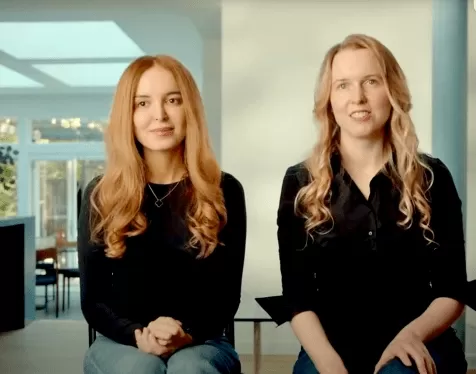 How Recursive Intelligence Raised $335M at $4B Valuation in 4 Months
The co-founders of startup Ricursive Intelligence seemed destined to be co-founders.Anna Goldie, CEO, and Azalia Mirhoseini, CTO, are so well-known in the AI community that they were among those AI engineers who “got those weird emails from Zuckerber
How Recursive Intelligence Raised $335M at $4B Valuation in 4 Months
The co-founders of startup Ricursive Intelligence seemed destined to be co-founders.Anna Goldie, CEO, and Azalia Mirhoseini, CTO, are so well-known in the AI community that they were among those AI engineers who “got those weird emails from Zuckerber

2026 Latest Top-rated AI Illustration Tools: Our curated list features the best powerfully designed tools for creating stunning editorial scenes and eye-catching cover art quickly. Each option has gone through rigorous real-world tests, offering a free vs paid comparison to help you find the perfect match for your workflow. Try these must-try solutions today to unlock your AI edge and boost your creative productivity. Explore now at XIX.AI.
10 tools
xix.ai

2026 Latest Top-Rated Best AI Tutors for Exam Prep are here on XIX.AI! Our curated list features powerful game-changing tools that offer free vs paid comparison, real-world tests, and weekly updated rankings. They help boost your writing efficiency, simplify complex topic learning, and unlock your academic potential. Explore now to Discover your perfect exam prep tool and Start creating today to Unlock your AI edge!
10 tools
xix.ai

2026 Latest Best Top-Rated AI Budget Planning Tools for Personal Money Management are here on XIX.AI! This curated collection features powerful, game-changing solutions that help you conduct real-world tests, understand spending habits, and create personalized plans to boost productivity. Enjoy a free vs paid comparison along with detailed rankings. Must-try tools designed to simplify money management and unlock your AI edge. Explore now!
11 tools
xix.ai

2026 Latest Best Top-Rated AI Sleep Tracking Assistants curated for ultimate recovery. This fully updated weekly guide features powerful tools that deliver real-world tests, free vs paid comparison, and detailed rankings to help you find the must-try solution that boosts sleep quality and supports better bedtime habits. Explore now at XIX.AI to Unlock your AI edge.
10 tools
xix.ai

2026 Latest Best Top-Rated AI SQL Copilots for Product and Revenue Analytics! XIX.AI has curated a powerful, game-changing collection of must-try tools that undergo real-world tests through weekly updated rankings. These tools help users boost productivity significantly by accelerating data analysis, streamlining complex queries, and generating accurate insights to drive smarter business decisions. Explore now to Discover your perfect tool for unlocking your AI edge!
14 tools
xix.ai

2026 Latest Best Top-Rated AI Homework Helpers That Teach Core Concepts Not Just Answers Powerful Tools for Students Must-Try Curated List Weekly Updated Free vs Paid Comparison Real-World Tests Accurate Rankings to Help You Unlock Your Full Learning Potential Explore now to Discover your perfect tool for smarter studying.
10 tools
xix.ai

How ironic that a company built on data scraping is now suing another for the same thing. 😂 Seems like the pot calling the kettle black. But seriously, metadata scraping can be a gray area, and OpenAI probably needs to get its act together.
OpenAI這波操作也太誇張了吧?Gracenote的資料庫被這樣爬取,難道不用先打個招呼嗎?雖然AI發展需要數據,但這種未經授權的行為真的沒問題?🤔 以後誰還敢放心把資料放在網路上啊












