


 Home
HomeMiniMax M3 Open-Sourced, Response Speed Doubles
MiniMax, a prominent AI company based in China, today announced the open-source release of its native multimodal flagship model, MiniMax M3. Prior to this, the team had already released the model's weights to the industry and published a highly technical paper on sparse attention mechanisms, which drew significant attention from the open-source community.
Outstanding Performance Leads the Open-Source Race
As MiniMax's flagship model, M3 features a total of 428 billion parameters, with 23 billion active. Notably, it is the first open-source large language model to undergo multimodal mixed training from the very start of its training process.
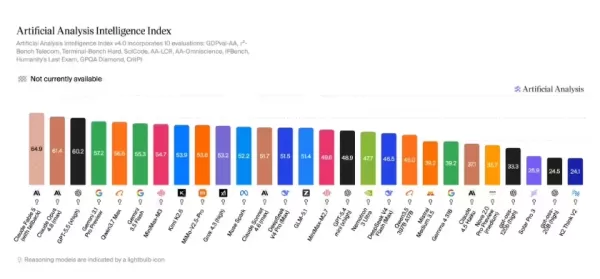
Thanks to its advanced architecture, M3 rapidly claimed the top spot among open-source models on a leading global intelligence index within two weeks of launch. Following an initial surge in traffic that caused delays, the team optimized the model's output speed from 30 TPS to 80 TPS, with further enhancements planned.
Top-Tier Coding and Code Delivery Capabilities
In challenging coding and agent capability benchmarks, MiniMax M3 has achieved industry-leading performance. It can autonomously break down complex tasks and skillfully leverage external tools for multi-step reasoning.
Compared to traditional models, M3's code generation ability has taken a qualitative leap. The team stated that its code is designed to be deliverable-ready, not a barely functional prototype that needs heavy manual edits—a shift that will significantly improve developer productivity.
Related article
 Hello Robot Readies Home Robots for Silicon Valley
Martinez, California, sits on the far northeastern edge of the San Francisco Bay Area, a world away from Silicon Valley’s tech hub. Here lives Hello Robot, a startup deliberately distancing itself from the grandiose claims of its southern rivals, ope
Why Doctors Struggle to Return Your Calls
While public discourse on AI in healthcare centers on diagnostics, drug discovery, and clinical consultations, a critical, often overlooked bottleneck determines whether patients ever receive care at all. This challenge stems less from physician shor
Anthropic’s Sonnet 5.5 Leak: 2M Token Context Challenges DeepSeek to Reclaim Cost-Effectiveness
Anthropic has unveiled its latest Sonnet 5.5 model, internally known as "Fennec" (after the desert fox), with a release expected next month. Leaked details indicate the model supports a 2 million token context window, offering faster reasoning, lower
Related Special Topic Recommendations
Academic Research
Hello Robot Readies Home Robots for Silicon Valley
Martinez, California, sits on the far northeastern edge of the San Francisco Bay Area, a world away from Silicon Valley’s tech hub. Here lives Hello Robot, a startup deliberately distancing itself from the grandiose claims of its southern rivals, ope
Why Doctors Struggle to Return Your Calls
While public discourse on AI in healthcare centers on diagnostics, drug discovery, and clinical consultations, a critical, often overlooked bottleneck determines whether patients ever receive care at all. This challenge stems less from physician shor
Anthropic’s Sonnet 5.5 Leak: 2M Token Context Challenges DeepSeek to Reclaim Cost-Effectiveness
Anthropic has unveiled its latest Sonnet 5.5 model, internally known as "Fennec" (after the desert fox), with a release expected next month. Leaked details indicate the model supports a 2 million token context window, offering faster reasoning, lower
Related Special Topic Recommendations
Academic Research
 AI Dataset Discovery Tools for Academic Projects
2026 Latest Best Top-Rated AI Dataset Discovery Tools for Academic Projects! XIX.AI has curated a powerful, game-changing collection of highly reliable options, all going through strict real-world tests and updated weekly. You can find detailed free vs paid comparison info to help you pick the perfect tool that boosts your research efficiency and delivers top-quality results. Explore now to unlock your AI edge!
 16 tools
 xix.ai
Social Media
Best AI Caption Generators: Write Platform-Specific Social Posts Fast
xix.ai
Social Media
Best AI Caption Generators: Write Platform-Specific Social Posts Fast
2026 Latest Best AI Caption Generators page! XIX.AI curated a top-rated list of must-try powerful tools for writing platform-specific social posts quickly. These tools go through rigorous real-world tests, offering free vs paid comparison and clear rankings to help you find the best option that boosts your productivity and unlocks your AI edge. Explore now!
11 tools
xix.ai
Health & Wellness
Best AI Sleep Coaching Tools for Shift Workers, Jet Lag Recovery, and Better Routines
2026 Latest Best AI Sleep Coaching Tools for Shift Workers, Jet Lag Recovery, and Better Routines! XIX.AI has curated a top-rated list of powerful game-changing tools that go through real-world tests to deliver accurate guidance. You can find detailed free vs paid comparison info and see how these must-try solutions help boost sleep quality, speed up jet lag recovery, and build healthier routines. Explore now to discover your perfect tool!
7 tools
xix.ai
code
ChatGPT Debugging Tools for Python Errors, API Logs, and Stack Trace Triage
2026 Latest Best ChatGPT debugging tools for Python errors, API logs, and stack trace triage are here on XIX.AI. This curated list of top-rated solutions offers a free vs paid comparison, real-world tests, and detailed rankings to help you find the most powerful tool that can significantly boost your productivity and help you solve complex technical issues faster. Explore now to discover your perfect solution!
9 tools
xix.ai
Text-to-speech
AI Voiceover Tools for Product Demo Videos
2026 Latest Best Top-Rated AI Voiceover Tools for Product Demo Videos are here on XIX.AI! This curated list features powerful, game-changing options that help you create professional-quality audio content fast, boosting your demo efficiency significantly. We conduct real-world tests and provide a free vs paid comparison along with weekly updated rankings to help you find the perfect fit. Explore now to Unlock your AI edge!
10 tools
xix.ai
Business
AI Business Plan Tools for Startup Validation
2026 Latest Best AI Business Plan Tools for Startup Validation! XIX.AI has curated a top-rated list of powerful game-changing tools that go through real-world tests to deliver accurate results. You’ll find a free vs paid comparison, detailed rankings, and easy-to-understand insights to help you choose the perfect solution and boost your startup’s success rate. Explore now to Unlock your AI edge!
9 tools
xix.ai

 Comments (0)
0/500
Comments (0)
0/500
MiniMax, a prominent AI company based in China, today announced the open-source release of its native multimodal flagship model, MiniMax M3. Prior to this, the team had already released the model's weights to the industry and published a highly technical paper on sparse attention mechanisms, which drew significant attention from the open-source community.
Outstanding Performance Leads the Open-Source Race
As MiniMax's flagship model, M3 features a total of 428 billion parameters, with 23 billion active. Notably, it is the first open-source large language model to undergo multimodal mixed training from the very start of its training process.
Thanks to its advanced architecture, M3 rapidly claimed the top spot among open-source models on a leading global intelligence index within two weeks of launch. Following an initial surge in traffic that caused delays, the team optimized the model's output speed from 30 TPS to 80 TPS, with further enhancements planned.
Top-Tier Coding and Code Delivery Capabilities
In challenging coding and agent capability benchmarks, MiniMax M3 has achieved industry-leading performance. It can autonomously break down complex tasks and skillfully leverage external tools for multi-step reasoning.
Compared to traditional models, M3's code generation ability has taken a qualitative leap. The team stated that its code is designed to be deliverable-ready, not a barely functional prototype that needs heavy manual edits—a shift that will significantly improve developer productivity.








 Hello Robot Readies Home Robots for Silicon Valley
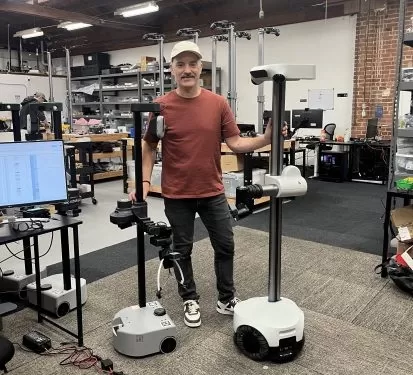
Martinez, California, sits on the far northeastern edge of the San Francisco Bay Area, a world away from Silicon Valley’s tech hub. Here lives Hello Robot, a startup deliberately distancing itself from the grandiose claims of its southern rivals, ope
Hello Robot Readies Home Robots for Silicon Valley
Martinez, California, sits on the far northeastern edge of the San Francisco Bay Area, a world away from Silicon Valley’s tech hub. Here lives Hello Robot, a startup deliberately distancing itself from the grandiose claims of its southern rivals, ope
 Why Doctors Struggle to Return Your Calls
While public discourse on AI in healthcare centers on diagnostics, drug discovery, and clinical consultations, a critical, often overlooked bottleneck determines whether patients ever receive care at all. This challenge stems less from physician shor
Why Doctors Struggle to Return Your Calls
While public discourse on AI in healthcare centers on diagnostics, drug discovery, and clinical consultations, a critical, often overlooked bottleneck determines whether patients ever receive care at all. This challenge stems less from physician shor
 Anthropic’s Sonnet 5.5 Leak: 2M Token Context Challenges DeepSeek to Reclaim Cost-Effectiveness
Anthropic has unveiled its latest Sonnet 5.5 model, internally known as "Fennec" (after the desert fox), with a release expected next month. Leaked details indicate the model supports a 2 million token context window, offering faster reasoning, lower
Anthropic’s Sonnet 5.5 Leak: 2M Token Context Challenges DeepSeek to Reclaim Cost-Effectiveness
Anthropic has unveiled its latest Sonnet 5.5 model, internally known as "Fennec" (after the desert fox), with a release expected next month. Leaked details indicate the model supports a 2 million token context window, offering faster reasoning, lower
2026 Latest Best Top-Rated AI Dataset Discovery Tools for Academic Projects! XIX.AI has curated a powerful, game-changing collection of highly reliable options, all going through strict real-world tests and updated weekly. You can find detailed free vs paid comparison info to help you pick the perfect tool that boosts your research efficiency and delivers top-quality results. Explore now to unlock your AI edge!
16 tools
xix.ai
2026 Latest Best AI Caption Generators page! XIX.AI curated a top-rated list of must-try powerful tools for writing platform-specific social posts quickly. These tools go through rigorous real-world tests, offering free vs paid comparison and clear rankings to help you find the best option that boosts your productivity and unlocks your AI edge. Explore now!
11 tools
xix.ai

2026 Latest Best AI Sleep Coaching Tools for Shift Workers, Jet Lag Recovery, and Better Routines! XIX.AI has curated a top-rated list of powerful game-changing tools that go through real-world tests to deliver accurate guidance. You can find detailed free vs paid comparison info and see how these must-try solutions help boost sleep quality, speed up jet lag recovery, and build healthier routines. Explore now to discover your perfect tool!
7 tools
xix.ai

2026 Latest Best ChatGPT debugging tools for Python errors, API logs, and stack trace triage are here on XIX.AI. This curated list of top-rated solutions offers a free vs paid comparison, real-world tests, and detailed rankings to help you find the most powerful tool that can significantly boost your productivity and help you solve complex technical issues faster. Explore now to discover your perfect solution!
9 tools
xix.ai

2026 Latest Best Top-Rated AI Voiceover Tools for Product Demo Videos are here on XIX.AI! This curated list features powerful, game-changing options that help you create professional-quality audio content fast, boosting your demo efficiency significantly. We conduct real-world tests and provide a free vs paid comparison along with weekly updated rankings to help you find the perfect fit. Explore now to Unlock your AI edge!
10 tools
xix.ai

2026 Latest Best AI Business Plan Tools for Startup Validation! XIX.AI has curated a top-rated list of powerful game-changing tools that go through real-world tests to deliver accurate results. You’ll find a free vs paid comparison, detailed rankings, and easy-to-understand insights to help you choose the perfect solution and boost your startup’s success rate. Explore now to Unlock your AI edge!
9 tools
xix.ai












