Home
HomeLow-Code and No-Code Platforms Revamped Amid AI Priority Shift

The low-code and no-code market has already reached a significant milestone, with a global valuation of $13.2 billion. This sector is growing rapidly, at about 21% per year since 2019, as highlighted by Forrester analyst John Bratincevic. He attributes this expansion to the "institutionalization of low code within IT," noting that 87% of enterprise developers now use these platforms. Looking forward, Bratincevic predicts that the market could triple in size by 2030, thanks to the increasing involvement of citizen developers. He emphasizes, "The democratization of development to non-IT workers is unstoppable."
The integration of AI into these platforms is poised to propel the market even further, potentially reaching $50 billion within four years. AI could enhance the capabilities of citizen developers, according to Bratincevic. However, he also suggests that AI-enhanced development tools might make traditional coding so efficient that professional developers might return to full coding, stating, "AI-infused development platforms could make high coding so productive that professionals might reject low code."
Bratincevic believes the impact of AI on low- and no-code development will likely be a balanced growth, driven by AI's integration into these platforms. Yet, there are challenges, especially in developing AI applications with low-code tools. Rodrigo Coutinho, co-founder and AI lead at OutSystems, pointed out in an Amazon Web Services podcast that developing generative AI requires more than just basic skills. He noted, "The language used to develop gen AI isn't just English; you need to learn the specific dialect. You need engineering courses to communicate effectively with machines, even if the words are the same."
This language barrier could hinder the broader adoption of software development among non-professionals. Coutinho adds, "While it's not as complex as C# or JavaScript, it's still a language you need to master to develop effectively."
It's crucial to differentiate between AI-assisted development and low- and no-code platforms. Coutinho explains, "Generative AI has boosted productivity for traditional developers, but they still need to understand what they're doing. Even with AI handling much of the work, developers must be able to read, understand, adapt, and modify the code."
David Isbitski, principal developer advocate at Amazon Web Services, agrees that it's premature for inexperienced developers to use generative AI for app development. He stresses the importance of experience, saying, "Without programming knowledge, you don't know what you don't know. AI-assisted development requires not just technical skills but also an understanding of how code aligns with business processes."
Isbitski envisions AI as an empathetic assistant in development, capable of analyzing a developer's thought process. He describes the ideal AI assistant as one that "can understand how I wrote this code, what it will do, and how it's been enabled. It's like magic, ensuring everything is correct."
Moreover, Isbitski believes AI can enhance the context in which software is developed and deployed, noting, "As humans, we're aware of many factors like the day, the world's climate, which AI doesn't know. These factors are crucial for the output. Incorporating them into the development conversation is incredibly powerful."
The ultimate goal of AI-assisted development, according to Isbitski, is to foster learning and self-improvement among developers. He suggests, "Instead of just providing answers, AI should help people reach their own conclusions. It's a powerful teaching tool, reflecting our own capabilities."
Finally, AI-infused development could open new avenues for developers. Coutinho envisions a future where AI acts as an individual contributor, with developers taking on more of a leadership role, ensuring quality and meeting requirements. He concludes, "In this scenario, AI is the junior developer, and you are the team lead ensuring everything is on track."
Related article
 China Telecom Invests in Mianbi Intelligence, Raises Capital to 713,000 Yuan for LLM & Data Infra
The "national team" and the leading figure from Tsinghua University in the large model space are deepening their strategic alignment. On March 1, 2026, according to the latest business registration data from Qichacha, Beijing Mianbi Intelligent Techn
Taotian Group Accelerates AI-Native Restructuring, Grants Interns Free Token Quotas
TaoTian Group recently introduced the "AI Productivity Plan," designed to accelerate the integration of AI technology into e-commerce operations and R&D workflows through resource allocation and tool subsidies. The program is now available to all int
Glean targets enterprise AI infrastructure in land grab
The race to dominate enterprise AI is accelerating. Microsoft is embedding Copilot into Office, Google is integrating Gemini into Workspace, and both OpenAI and Anthropic are selling directly to corporations. Meanwhile, nearly every SaaS vendor now i
Related Special Topic Recommendations
writing
China Telecom Invests in Mianbi Intelligence, Raises Capital to 713,000 Yuan for LLM & Data Infra
The "national team" and the leading figure from Tsinghua University in the large model space are deepening their strategic alignment. On March 1, 2026, according to the latest business registration data from Qichacha, Beijing Mianbi Intelligent Techn
Taotian Group Accelerates AI-Native Restructuring, Grants Interns Free Token Quotas
TaoTian Group recently introduced the "AI Productivity Plan," designed to accelerate the integration of AI technology into e-commerce operations and R&D workflows through resource allocation and tool subsidies. The program is now available to all int
Glean targets enterprise AI infrastructure in land grab
The race to dominate enterprise AI is accelerating. Microsoft is embedding Copilot into Office, Google is integrating Gemini into Workspace, and both OpenAI and Anthropic are selling directly to corporations. Meanwhile, nearly every SaaS vendor now i
Related Special Topic Recommendations
writing
 Best AI Xianxia & Wuxia Assistants: Write Epic Cultivation Progression & Martial Arts Choreography
Discover the 2026 best AI assistants for crafting epic xianxia & wuxia tales. XIX.AI's curated list features top-rated, game-changing tools to master cultivation progression and martial arts choreography. Compare free vs paid options with real-world tests. Unlock your creative potential and start writing today!
 10 tools
 xix.ai
code
AI Mobile App Coding Tools: Generate Cross-Platform Flutter & React Native Code from Prompts
xix.ai
code
AI Mobile App Coding Tools: Generate Cross-Platform Flutter & React Native Code from Prompts
Discover the 2026 best AI mobile app coding tools for Flutter & React Native. Our curated, top-rated list features powerful, game-changing solutions that generate cross-platform code from prompts. Compare free vs paid options with real-world tests. Unlock faster development and build better apps. Explore the rankings on XIX.AI now!
10 tools
xix.ai
code
Best AI Chrome Extension Generators: Create Custom Browser Add-ons with Zero Coding Experience
Discover the 2026 best AI Chrome extension generators on XIX.AI. Our curated list features top-rated, must-try tools that let you create custom browser add-ons with zero coding. Compare free vs paid options, see real-world tests, and unlock your productivity. Explore the latest rankings and find your perfect tool today!
10 tools
xix.ai
Text-to-speech
Best AI Multilingual TTS: Generate Authentic Native-Accent Speech in 50+ Languages
Discover the 2026 best AI multilingual TTS tools for authentic native-accent speech in 50+ languages. Explore our top-rated, curated rankings with free vs paid comparisons and real-world tests. Find your perfect voice tool on XIX.AI and unlock global communication today.
10 tools
xix.ai
Meeting Assistant
Best AI Meeting Automation Tools for Smarter and Faster Collaboration
Discover the 2026 latest top-rated AI meeting automation tools for smarter, faster collaboration. Our curated list features powerful, game-changing solutions to automate notes, summaries, and action items. Compare free vs paid options with real-world tests and weekly updated rankings. Unlock peak team productivity. Explore the best picks now at XIX.AI.
10 tools
xix.ai
Prompt
AI Prompts for Infrastructure-as-Code: Deploy Terraform & Docker Configurations Safely
Discover the 2026 latest top-rated AI prompts for Infrastructure-as-Code. XIX.AI's curated selection helps you safely deploy Terraform & Docker configurations, automate cloud setups, and boost DevOps productivity. Compare free vs paid options with real-world tests. Explore now and unlock your AI edge.
10 tools
xix.ai

 Comments (26)
0/500
Comments (26)
0/500
![TimothyGonzález]()
This no-code boom is wild! $13.2 billion already? It’s like everyone’s suddenly a developer without typing a single line of code. 😎 I wonder how this’ll shake up traditional coding jobs though.
![JohnRoberts]()
¡Las plataformas de bajo código y sin código han cambiado el juego! Puedo crear aplicaciones sin saber mucho de programación, lo cual es genial. Pero a veces las opciones de personalización se sienten limitadas. Aún así, es una gran herramienta para prototipos rápidos. ¡Deberías probarla! 🚀
![EricRoberts]()
ローコード・ノーコードプラットフォームは本当に便利ですね!コードの知識がなくてもアプリを作れるのは素晴らしいです。ただ、カスタマイズの選択肢が少ないのが難点です。でも、プロトタイプを作るには最適ですよ。試してみる価値あります!🚀
![JohnRoberts]()
Las plataformas de bajo código y sin código renovadas son un cambio de juego! 🚀 Ahora puedo construir aplicaciones mucho más rápido, pero a veces las características de IA parecen un poco artificiosas. Aún así, es un gran ahorro de tiempo. Solo desearía que se centraran más en la estabilidad que en cosas llamativas de IA.
![GeorgeNelson]()
Plataformas de baixo código e sem código mudaram tudo! Posso criar apps sem saber muito de programação, o que é incrível. Mas às vezes as opções de personalização são limitadas. Ainda assim, é uma ótima ferramenta para prototipagem rápida. Vale a pena experimentar! 🚀
![StevenLopez]()
Low-Code and No-Code Platforms have really changed the game! I can build apps without deep coding knowledge, which is awesome. But sometimes the customization options feel limited. Still, it's a great tool for quick prototyping. Anyone looking to dive into app development should give it a try! 🚀
The low-code and no-code market has already reached a significant milestone, with a global valuation of $13.2 billion. This sector is growing rapidly, at about 21% per year since 2019, as highlighted by Forrester analyst John Bratincevic. He attributes this expansion to the "institutionalization of low code within IT," noting that 87% of enterprise developers now use these platforms. Looking forward, Bratincevic predicts that the market could triple in size by 2030, thanks to the increasing involvement of citizen developers. He emphasizes, "The democratization of development to non-IT workers is unstoppable."
The integration of AI into these platforms is poised to propel the market even further, potentially reaching $50 billion within four years. AI could enhance the capabilities of citizen developers, according to Bratincevic. However, he also suggests that AI-enhanced development tools might make traditional coding so efficient that professional developers might return to full coding, stating, "AI-infused development platforms could make high coding so productive that professionals might reject low code."
Bratincevic believes the impact of AI on low- and no-code development will likely be a balanced growth, driven by AI's integration into these platforms. Yet, there are challenges, especially in developing AI applications with low-code tools. Rodrigo Coutinho, co-founder and AI lead at OutSystems, pointed out in an Amazon Web Services podcast that developing generative AI requires more than just basic skills. He noted, "The language used to develop gen AI isn't just English; you need to learn the specific dialect. You need engineering courses to communicate effectively with machines, even if the words are the same."
This language barrier could hinder the broader adoption of software development among non-professionals. Coutinho adds, "While it's not as complex as C# or JavaScript, it's still a language you need to master to develop effectively."
It's crucial to differentiate between AI-assisted development and low- and no-code platforms. Coutinho explains, "Generative AI has boosted productivity for traditional developers, but they still need to understand what they're doing. Even with AI handling much of the work, developers must be able to read, understand, adapt, and modify the code."
David Isbitski, principal developer advocate at Amazon Web Services, agrees that it's premature for inexperienced developers to use generative AI for app development. He stresses the importance of experience, saying, "Without programming knowledge, you don't know what you don't know. AI-assisted development requires not just technical skills but also an understanding of how code aligns with business processes."
Isbitski envisions AI as an empathetic assistant in development, capable of analyzing a developer's thought process. He describes the ideal AI assistant as one that "can understand how I wrote this code, what it will do, and how it's been enabled. It's like magic, ensuring everything is correct."
Moreover, Isbitski believes AI can enhance the context in which software is developed and deployed, noting, "As humans, we're aware of many factors like the day, the world's climate, which AI doesn't know. These factors are crucial for the output. Incorporating them into the development conversation is incredibly powerful."
The ultimate goal of AI-assisted development, according to Isbitski, is to foster learning and self-improvement among developers. He suggests, "Instead of just providing answers, AI should help people reach their own conclusions. It's a powerful teaching tool, reflecting our own capabilities."
Finally, AI-infused development could open new avenues for developers. Coutinho envisions a future where AI acts as an individual contributor, with developers taking on more of a leadership role, ensuring quality and meeting requirements. He concludes, "In this scenario, AI is the junior developer, and you are the team lead ensuring everything is on track."








 China Telecom Invests in Mianbi Intelligence, Raises Capital to 713,000 Yuan for LLM & Data Infra
The "national team" and the leading figure from Tsinghua University in the large model space are deepening their strategic alignment. On March 1, 2026, according to the latest business registration data from Qichacha, Beijing Mianbi Intelligent Techn
China Telecom Invests in Mianbi Intelligence, Raises Capital to 713,000 Yuan for LLM & Data Infra
The "national team" and the leading figure from Tsinghua University in the large model space are deepening their strategic alignment. On March 1, 2026, according to the latest business registration data from Qichacha, Beijing Mianbi Intelligent Techn
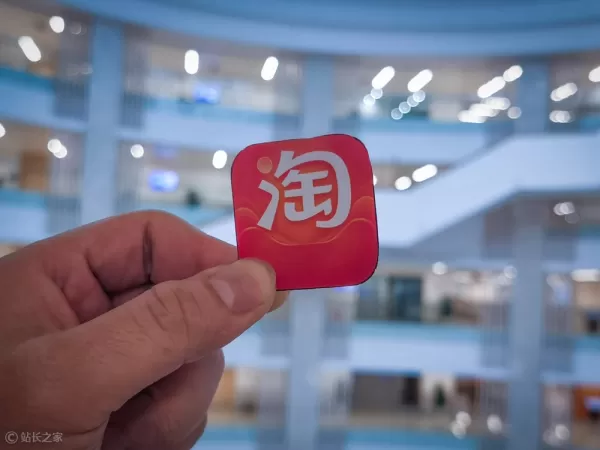 Taotian Group Accelerates AI-Native Restructuring, Grants Interns Free Token Quotas
TaoTian Group recently introduced the "AI Productivity Plan," designed to accelerate the integration of AI technology into e-commerce operations and R&D workflows through resource allocation and tool subsidies. The program is now available to all int
Taotian Group Accelerates AI-Native Restructuring, Grants Interns Free Token Quotas
TaoTian Group recently introduced the "AI Productivity Plan," designed to accelerate the integration of AI technology into e-commerce operations and R&D workflows through resource allocation and tool subsidies. The program is now available to all int
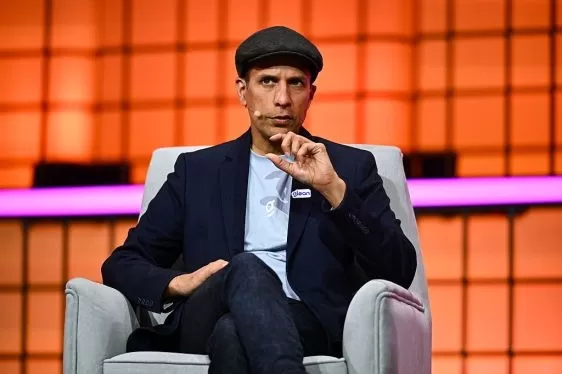 Glean targets enterprise AI infrastructure in land grab
The race to dominate enterprise AI is accelerating. Microsoft is embedding Copilot into Office, Google is integrating Gemini into Workspace, and both OpenAI and Anthropic are selling directly to corporations. Meanwhile, nearly every SaaS vendor now i
Glean targets enterprise AI infrastructure in land grab
The race to dominate enterprise AI is accelerating. Microsoft is embedding Copilot into Office, Google is integrating Gemini into Workspace, and both OpenAI and Anthropic are selling directly to corporations. Meanwhile, nearly every SaaS vendor now i

Discover the 2026 best AI assistants for crafting epic xianxia & wuxia tales. XIX.AI's curated list features top-rated, game-changing tools to master cultivation progression and martial arts choreography. Compare free vs paid options with real-world tests. Unlock your creative potential and start writing today!
10 tools
xix.ai

Discover the 2026 best AI mobile app coding tools for Flutter & React Native. Our curated, top-rated list features powerful, game-changing solutions that generate cross-platform code from prompts. Compare free vs paid options with real-world tests. Unlock faster development and build better apps. Explore the rankings on XIX.AI now!
10 tools
xix.ai

Discover the 2026 best AI Chrome extension generators on XIX.AI. Our curated list features top-rated, must-try tools that let you create custom browser add-ons with zero coding. Compare free vs paid options, see real-world tests, and unlock your productivity. Explore the latest rankings and find your perfect tool today!
10 tools
xix.ai
Discover the 2026 best AI multilingual TTS tools for authentic native-accent speech in 50+ languages. Explore our top-rated, curated rankings with free vs paid comparisons and real-world tests. Find your perfect voice tool on XIX.AI and unlock global communication today.
10 tools
xix.ai

Discover the 2026 latest top-rated AI meeting automation tools for smarter, faster collaboration. Our curated list features powerful, game-changing solutions to automate notes, summaries, and action items. Compare free vs paid options with real-world tests and weekly updated rankings. Unlock peak team productivity. Explore the best picks now at XIX.AI.
10 tools
xix.ai
Discover the 2026 latest top-rated AI prompts for Infrastructure-as-Code. XIX.AI's curated selection helps you safely deploy Terraform & Docker configurations, automate cloud setups, and boost DevOps productivity. Compare free vs paid options with real-world tests. Explore now and unlock your AI edge.
10 tools
xix.ai

This no-code boom is wild! $13.2 billion already? It’s like everyone’s suddenly a developer without typing a single line of code. 😎 I wonder how this’ll shake up traditional coding jobs though.
¡Las plataformas de bajo código y sin código han cambiado el juego! Puedo crear aplicaciones sin saber mucho de programación, lo cual es genial. Pero a veces las opciones de personalización se sienten limitadas. Aún así, es una gran herramienta para prototipos rápidos. ¡Deberías probarla! 🚀
ローコード・ノーコードプラットフォームは本当に便利ですね!コードの知識がなくてもアプリを作れるのは素晴らしいです。ただ、カスタマイズの選択肢が少ないのが難点です。でも、プロトタイプを作るには最適ですよ。試してみる価値あります!🚀
Las plataformas de bajo código y sin código renovadas son un cambio de juego! 🚀 Ahora puedo construir aplicaciones mucho más rápido, pero a veces las características de IA parecen un poco artificiosas. Aún así, es un gran ahorro de tiempo. Solo desearía que se centraran más en la estabilidad que en cosas llamativas de IA.
Plataformas de baixo código e sem código mudaram tudo! Posso criar apps sem saber muito de programação, o que é incrível. Mas às vezes as opções de personalização são limitadas. Ainda assim, é uma ótima ferramenta para prototipagem rápida. Vale a pena experimentar! 🚀
Low-Code and No-Code Platforms have really changed the game! I can build apps without deep coding knowledge, which is awesome. But sometimes the customization options feel limited. Still, it's a great tool for quick prototyping. Anyone looking to dive into app development should give it a try! 🚀