


 Home
Home8 Insights into Crafting Future Sounds
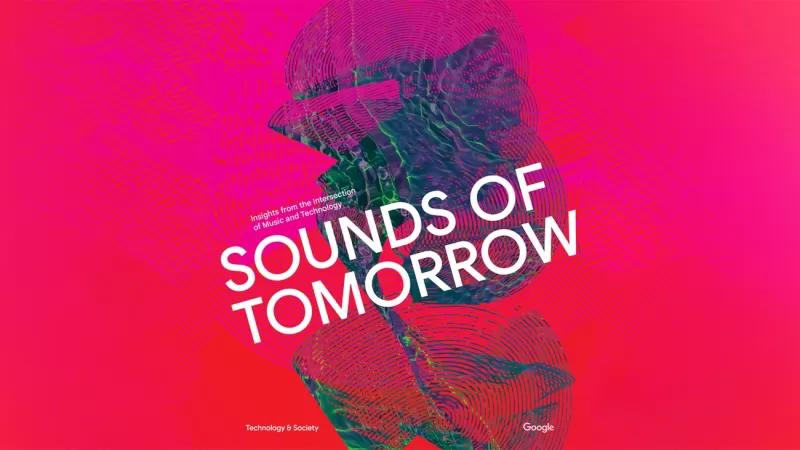
For almost a decade, Google's been diving deep with artists and musicians to figure out how new tech can boost their creativity. Just last year, teams from YouTube, Technology & Society, and Google DeepMind kicked off a new initiative to get artists, songwriters, and producers hands-on with music AI tools and prototypes. They could share their thoughts and help shape these tools. And now, we're excited to share some juicy insights from our work with musicians in the YouTube Music AI Incubator program.
The YouTube Music AI Incubator is a big deal for us, a chance to brainstorm with music pros about AI tools that really meet their needs and amp up their creative game. We had tons of one-on-one chats with global participants, where our research scientists, program managers, and product specialists swapped ideas and got feedback on our ongoing projects. One cool thing we showed off was the Music AI Sandbox – a set of experimental AI tools we announced at this year’s I/O. It's designed to turbocharge the workflow for artists in our incubator.
These meetups have been all about getting honest feedback and having real talks, aiming to shape the future of our genAI music products. We've just released a report that sums up the key insights and observations we've gathered over the past year, working closely with these creative minds.
Here’s a rundown of the top eight insights we've picked up as participants played around with new AI tools to enhance their art:
1. Hearing is believing
A lot of participants were skeptical at first about AI helping with deep music creation. But after giving AI-generated tunes a listen, their doubts melted away. They were amazed and stressed the importance of building these tools with and for the creative community.
2. AI sparks imagination
Folks loved using AI to mess around with new and weird sounds, not worrying about what's musically "right" or "wrong." The unpredictable side of music AI tools makes them different from other music software, sparking creativity and letting artists discover new sounds.
3. More ways to create
While text prompts were okay, participants found them a bit limiting for making music. They wanted more ways to express themselves, which got us thinking about other methods like turning hums and mumbles into digital tunes.
4. AI makes complex sounds easy
Artists found AI super helpful for playing around with complex sounds, like crowd chants or choir singing, to sketch out ideas and see how they might fit into a piece. This helped them decide where to focus their efforts on new musical collaborations.
5. Real-time fun
Playing with AI models in real-time was a blast for the artists. It let them experiment in a playful way, making the process dynamic and collaborative.
6. Tailored tools for different needs
The incubator showed us that artists, songwriters, and producers all have different needs and want different controls from these tools. They see AI as a tool for inspiration, starting songs, finishing songs, or pitching ideas, but they want to stay in control and use their unique skills.
7. Money, credit, and control matter
Almost all the artists in the incubator stressed how important it is to sort out issues like who owns the music, how songwriters get paid, and who's in control. They brainstormed solutions and looked at different ways to tackle these issues. At YouTube, we're not just talking about this—we're working on responsible solutions.
8. Education and access empower
Musicians thought AI tools could be a game-changer for beginners and up-and-coming producers who might not have a lot of tech know-how or resources. They saw AI as a way to make music creation more accessible, offering learning opportunities and empowering people to explore music, no matter their background or experience.
Looking ahead
Our goal is all about co-creation—working hand-in-hand with artists, songwriters, creatives, storytellers, and community members to dream up new possibilities with technology. We think it's crucial to get input from the folks who'll be using these AI tools the most, to make sure they're useful, engaging, and accessible in the long run.
On top of YouTube's ongoing partnerships with all sorts of artists, we're going to keep pouring resources into programs focused on art and tech, like Magenta Studio, Google Arts & Culture, Artists + Machine Intelligence, and Lab Sessions.
Our commitment to sparking conversations about AI and creativity goes way beyond our products. If you want to see how we've been bringing people together to talk about creativity and AI around the world, check out our exhibit on Google Arts & Culture about a discussion we had with artists and The Serpentine Galleries in London. As we keep exploring where technology and society meet, we're keen to connect with and learn from all sorts of communities—artistic and beyond.
Related article
 Warner Music acquires AI attribution startup Sureel AI
Warner Music Group (WMG) confirmed on Wednesday that it is acquiring Sureel AI, an artificial intelligence attribution startup. Sureel’s proprietary technology generates “AI DNA” for musical tracks, deconstructing them into constituent elements to tr
Amazon introduces Alexa for Shopping while pushing Rufus to the background
Amazon has launched Alexa for Shopping, merging its Rufus shopping chatbot with Alexa+ across the app, website, and Echo Show devices.The assistant answers product queries, compares items, tracks prices, and supports shopping reminders. It also handl
Microsoft, Azure and AI Tech Combat California Wildfire Risks
Microsoft invests in AI-driven wildfire detection, with Juan Lavista Ferres, CVP and Chief Data Scientist, discussing strategies to mitigate environmental damage.According to NASA, climate change impacts everyone on Earth, manifesting as rising tempe
Related Special Topic Recommendations
chatbot
Warner Music acquires AI attribution startup Sureel AI
Warner Music Group (WMG) confirmed on Wednesday that it is acquiring Sureel AI, an artificial intelligence attribution startup. Sureel’s proprietary technology generates “AI DNA” for musical tracks, deconstructing them into constituent elements to tr
Amazon introduces Alexa for Shopping while pushing Rufus to the background
Amazon has launched Alexa for Shopping, merging its Rufus shopping chatbot with Alexa+ across the app, website, and Echo Show devices.The assistant answers product queries, compares items, tracks prices, and supports shopping reminders. It also handl
Microsoft, Azure and AI Tech Combat California Wildfire Risks
Microsoft invests in AI-driven wildfire detection, with Juan Lavista Ferres, CVP and Chief Data Scientist, discussing strategies to mitigate environmental damage.According to NASA, climate change impacts everyone on Earth, manifesting as rising tempe
Related Special Topic Recommendations
chatbot
 Best AI Conversation Trainer Tools for Interview Practice
2026 Latest Best Top-rated AI Conversation Trainer Tools for Interview Practice are here on XIX.AI! This curated collection features powerful, game-changing tools that go through rigorous real-world tests to deliver accurate feedback. You’ll find a free vs paid comparison and detailed rankings to help you choose the must-try option that boosts your confidence and skills. Explore now to Discover your perfect tool for interview success!
 12 tools
 xix.ai
Design & Art
Best AI Style Transfer Tools for Creative Experiments
xix.ai
Design & Art
Best AI Style Transfer Tools for Creative Experiments
2026 Latest Best Top-rated AI Style Transfer Tools for Creative Experiments! XIX.AI has curated a powerful, game-changing collection of must-try tools that deliver exceptional results through real-world tests and rigorous rankings. These top solutions help creatives boost productivity significantly by accelerating content creation and unlocking endless creative possibilities. Explore now to discover your perfect tool and start creating today!
9 tools
xix.ai
Comic Creation
Best AI Dialogue Bubble Tools for Visual Storytelling
2026 Latest Best Top-Rated AI Dialogue Bubble Tools for Visual Storytelling are here on XIX.AI! This curated collection features powerful, game-changing tools that help creators boost productivity and overcome creative bottlenecks. Get a free vs paid comparison, see real-world tests, and check the latest rankings to find the must-try solutions perfect for crafting engaging visual narratives. Explore now to discover your ideal tool!
10 tools
xix.ai
Meeting Assistant
Top AI Meeting Summary Tools: Track Decisions and Follow-Ups Clearly
2026 Latest Top-Rated Best AI Meeting Summary Tools for Clear Decision Tracking and Effortless Follow-Ups. This curated list showcases powerful, game-changing solutions that boost productivity dramatically by automating meeting notes, identifying key action items, and streamlining team coordination across all projects. Get a free vs paid comparison along with real-world tests and weekly updated rankings to help you find the perfect tool. Explore now to unlock your AI edge!
9 tools
xix.ai
Data Analysis
Best AI Data Cleaning Tools: Fix Missing Values and Duplicates Fast
2026 Latest Best Top-rated AI Data Cleaning Tools for quick fixing of missing values and duplicates. This curated list showcases powerful, game-changing solutions that boost productivity significantly. Each option has undergone rigorous real-world tests to ensure reliability. Get a free vs paid comparison and discover the must-try tool that fits your needs best. Explore now at XIX.AI to Unlock your AI edge.
11 tools
xix.ai
Design & Art
Best AI Creative Ideation Tools for Artists: Break Through Visual Blocks
2026 Latest Best Top-Rated AI Creative Ideation Tools for Artists are curated by XIX.AI to help creators break through visual blocks and boost creativity instantly. These powerful game-changing tools offer real-world tests, detailed free vs paid comparison, and weekly updated rankings. Discover your perfect tool to accelerate content creation and unlock your AI edge today. Explore now!
14 tools
xix.ai

 Comments (30)
0/500
Comments (30)
0/500
![AnthonyMoore]()
J'adore comment Google collabore avec des artistes depuis des années ! Cette initiative avec YouTube et DeepMind pour explorer l'IA musicale est fascinante. J'espère que ça ne remplacera pas la créativité humaine 🎵
![JoeClark]()
Google跟音樂人的合作感覺真的很紮實👍 AI寫歌工具越來越多了,但這篇講的是『科技如何輔助創作』而不是取代創作者,這種觀點比較少見。期待他們實際產出的作品會長怎樣!
![RalphJackson]()
This article's got me hyped about AI in music! Imagine producers cooking up beats with DeepMind—sounds like a game-changer. Anyone else curious how this'll shake up the charts? 🎶
![TimothyMartínez]()
This is wild! Google’s been teaming up with musicians for years to shape the future of sound with AI? I’m curious how this tech could spark new genres or just make generic pop. Anyone tried these tools yet? 🎶
![RonaldNelson]()
This is wild! Google’s been teaming up with artists for years to shape music with AI? I’m curious how this tech changes the vibe of creating songs. Sounds like a game-changer! 🎵
![AnthonyHernández]()
구글이 예술가들과 AI 음악을 위해 오랫동안 협력해온 것은 정말 멋집니다! 유튜브와 딥마인드의 이니셔티브는 promising하게 들립니다. 앞으로 만들어질 미래의 소리를 기대하고 있어요🎵
For almost a decade, Google's been diving deep with artists and musicians to figure out how new tech can boost their creativity. Just last year, teams from YouTube, Technology & Society, and Google DeepMind kicked off a new initiative to get artists, songwriters, and producers hands-on with music AI tools and prototypes. They could share their thoughts and help shape these tools. And now, we're excited to share some juicy insights from our work with musicians in the YouTube Music AI Incubator program.
The YouTube Music AI Incubator is a big deal for us, a chance to brainstorm with music pros about AI tools that really meet their needs and amp up their creative game. We had tons of one-on-one chats with global participants, where our research scientists, program managers, and product specialists swapped ideas and got feedback on our ongoing projects. One cool thing we showed off was the Music AI Sandbox – a set of experimental AI tools we announced at this year’s I/O. It's designed to turbocharge the workflow for artists in our incubator.
These meetups have been all about getting honest feedback and having real talks, aiming to shape the future of our genAI music products. We've just released a report that sums up the key insights and observations we've gathered over the past year, working closely with these creative minds.
Here’s a rundown of the top eight insights we've picked up as participants played around with new AI tools to enhance their art:
1. Hearing is believing
A lot of participants were skeptical at first about AI helping with deep music creation. But after giving AI-generated tunes a listen, their doubts melted away. They were amazed and stressed the importance of building these tools with and for the creative community.
2. AI sparks imagination
Folks loved using AI to mess around with new and weird sounds, not worrying about what's musically "right" or "wrong." The unpredictable side of music AI tools makes them different from other music software, sparking creativity and letting artists discover new sounds.
3. More ways to create
While text prompts were okay, participants found them a bit limiting for making music. They wanted more ways to express themselves, which got us thinking about other methods like turning hums and mumbles into digital tunes.
4. AI makes complex sounds easy
Artists found AI super helpful for playing around with complex sounds, like crowd chants or choir singing, to sketch out ideas and see how they might fit into a piece. This helped them decide where to focus their efforts on new musical collaborations.
5. Real-time fun
Playing with AI models in real-time was a blast for the artists. It let them experiment in a playful way, making the process dynamic and collaborative.
6. Tailored tools for different needs
The incubator showed us that artists, songwriters, and producers all have different needs and want different controls from these tools. They see AI as a tool for inspiration, starting songs, finishing songs, or pitching ideas, but they want to stay in control and use their unique skills.
7. Money, credit, and control matter
Almost all the artists in the incubator stressed how important it is to sort out issues like who owns the music, how songwriters get paid, and who's in control. They brainstormed solutions and looked at different ways to tackle these issues. At YouTube, we're not just talking about this—we're working on responsible solutions.
8. Education and access empower
Musicians thought AI tools could be a game-changer for beginners and up-and-coming producers who might not have a lot of tech know-how or resources. They saw AI as a way to make music creation more accessible, offering learning opportunities and empowering people to explore music, no matter their background or experience.
Looking ahead
Our goal is all about co-creation—working hand-in-hand with artists, songwriters, creatives, storytellers, and community members to dream up new possibilities with technology. We think it's crucial to get input from the folks who'll be using these AI tools the most, to make sure they're useful, engaging, and accessible in the long run.
On top of YouTube's ongoing partnerships with all sorts of artists, we're going to keep pouring resources into programs focused on art and tech, like Magenta Studio, Google Arts & Culture, Artists + Machine Intelligence, and Lab Sessions.
Our commitment to sparking conversations about AI and creativity goes way beyond our products. If you want to see how we've been bringing people together to talk about creativity and AI around the world, check out our exhibit on Google Arts & Culture about a discussion we had with artists and The Serpentine Galleries in London. As we keep exploring where technology and society meet, we're keen to connect with and learn from all sorts of communities—artistic and beyond.








 Warner Music acquires AI attribution startup Sureel AI
Warner Music Group (WMG) confirmed on Wednesday that it is acquiring Sureel AI, an artificial intelligence attribution startup. Sureel’s proprietary technology generates “AI DNA” for musical tracks, deconstructing them into constituent elements to tr
Amazon introduces Alexa for Shopping while pushing Rufus to the background
Amazon has launched Alexa for Shopping, merging its Rufus shopping chatbot with Alexa+ across the app, website, and Echo Show devices.The assistant answers product queries, compares items, tracks prices, and supports shopping reminders. It also handl
Warner Music acquires AI attribution startup Sureel AI
Warner Music Group (WMG) confirmed on Wednesday that it is acquiring Sureel AI, an artificial intelligence attribution startup. Sureel’s proprietary technology generates “AI DNA” for musical tracks, deconstructing them into constituent elements to tr
Amazon introduces Alexa for Shopping while pushing Rufus to the background
Amazon has launched Alexa for Shopping, merging its Rufus shopping chatbot with Alexa+ across the app, website, and Echo Show devices.The assistant answers product queries, compares items, tracks prices, and supports shopping reminders. It also handl
 Microsoft, Azure and AI Tech Combat California Wildfire Risks
Microsoft invests in AI-driven wildfire detection, with Juan Lavista Ferres, CVP and Chief Data Scientist, discussing strategies to mitigate environmental damage.According to NASA, climate change impacts everyone on Earth, manifesting as rising tempe
Microsoft, Azure and AI Tech Combat California Wildfire Risks
Microsoft invests in AI-driven wildfire detection, with Juan Lavista Ferres, CVP and Chief Data Scientist, discussing strategies to mitigate environmental damage.According to NASA, climate change impacts everyone on Earth, manifesting as rising tempe
2026 Latest Best Top-rated AI Conversation Trainer Tools for Interview Practice are here on XIX.AI! This curated collection features powerful, game-changing tools that go through rigorous real-world tests to deliver accurate feedback. You’ll find a free vs paid comparison and detailed rankings to help you choose the must-try option that boosts your confidence and skills. Explore now to Discover your perfect tool for interview success!
12 tools
xix.ai

2026 Latest Best Top-rated AI Style Transfer Tools for Creative Experiments! XIX.AI has curated a powerful, game-changing collection of must-try tools that deliver exceptional results through real-world tests and rigorous rankings. These top solutions help creatives boost productivity significantly by accelerating content creation and unlocking endless creative possibilities. Explore now to discover your perfect tool and start creating today!
9 tools
xix.ai
2026 Latest Best Top-Rated AI Dialogue Bubble Tools for Visual Storytelling are here on XIX.AI! This curated collection features powerful, game-changing tools that help creators boost productivity and overcome creative bottlenecks. Get a free vs paid comparison, see real-world tests, and check the latest rankings to find the must-try solutions perfect for crafting engaging visual narratives. Explore now to discover your ideal tool!
10 tools
xix.ai
2026 Latest Top-Rated Best AI Meeting Summary Tools for Clear Decision Tracking and Effortless Follow-Ups. This curated list showcases powerful, game-changing solutions that boost productivity dramatically by automating meeting notes, identifying key action items, and streamlining team coordination across all projects. Get a free vs paid comparison along with real-world tests and weekly updated rankings to help you find the perfect tool. Explore now to unlock your AI edge!
9 tools
xix.ai

2026 Latest Best Top-rated AI Data Cleaning Tools for quick fixing of missing values and duplicates. This curated list showcases powerful, game-changing solutions that boost productivity significantly. Each option has undergone rigorous real-world tests to ensure reliability. Get a free vs paid comparison and discover the must-try tool that fits your needs best. Explore now at XIX.AI to Unlock your AI edge.
11 tools
xix.ai
2026 Latest Best Top-Rated AI Creative Ideation Tools for Artists are curated by XIX.AI to help creators break through visual blocks and boost creativity instantly. These powerful game-changing tools offer real-world tests, detailed free vs paid comparison, and weekly updated rankings. Discover your perfect tool to accelerate content creation and unlock your AI edge today. Explore now!
14 tools
xix.ai

J'adore comment Google collabore avec des artistes depuis des années ! Cette initiative avec YouTube et DeepMind pour explorer l'IA musicale est fascinante. J'espère que ça ne remplacera pas la créativité humaine 🎵
Google跟音樂人的合作感覺真的很紮實👍 AI寫歌工具越來越多了,但這篇講的是『科技如何輔助創作』而不是取代創作者,這種觀點比較少見。期待他們實際產出的作品會長怎樣!
This article's got me hyped about AI in music! Imagine producers cooking up beats with DeepMind—sounds like a game-changer. Anyone else curious how this'll shake up the charts? 🎶
This is wild! Google’s been teaming up with musicians for years to shape the future of sound with AI? I’m curious how this tech could spark new genres or just make generic pop. Anyone tried these tools yet? 🎶
This is wild! Google’s been teaming up with artists for years to shape music with AI? I’m curious how this tech changes the vibe of creating songs. Sounds like a game-changer! 🎵
구글이 예술가들과 AI 음악을 위해 오랫동안 협력해온 것은 정말 멋집니다! 유튜브와 딥마인드의 이니셔티브는 promising하게 들립니다. 앞으로 만들어질 미래의 소리를 기대하고 있어요🎵












