


 首页
首页苹果因指控OpenAI窃取商业秘密而对其提起诉讼
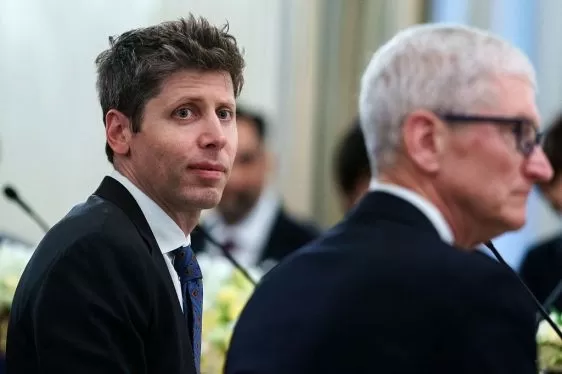
Apple initiated legal action against OpenAI on Friday, accusing the AI firm of stealing trade secrets and violating contractual agreements.
The tech giant claims this misconduct reflects a coordinated effort by OpenAI’s top executives, including Chief Hardware Officer Tang Tan, to exploit former Apple employees who have since joined OpenAI.
Filed in the U.S. District Court for the Northern District of California, the lawsuit alleges that Tan exploited Apple’s confidential project codenames during recruitment, requested candidates bring Apple hardware components to interviews, coached departing staff on bypassing security protocols, and solicited details regarding unreleased products.
Tan, who recently joined OpenAI, previously spent 24 years at Apple, serving most recently as Vice President of Product Design for the iPhone and Apple Watch.
These allegations surface amid reports that OpenAI is developing its first hardware device, potentially a smartphone competing directly with the iPhone. Industry analyst Ming-Chi Kuo recently suggested this device might rely on AI agents rather than traditional apps, posing a significant threat to Apple’s core hardware revenue.
Last year, OpenAI acquired Jony Ive’s device startup, io, in a $6.5 billion deal to bolster its hardware capabilities. While io is named in the complaint, Ive himself is not implicated.
Tan is not the only former Apple employee cited in the lawsuit. Apple also accuses Chang Liu, a senior systems electrical engineer who worked at Apple for eight years, of failing to return an Apple-issued laptop after joining OpenAI in 2026 and using it to download confidential technical documents.
According to the complaint, the stolen materials included details on unannounced technologies, features, and products, encompassing technical specifications, engineering presentations, and proprietary project data.
Liu is further accused of sharing Apple’s confidential information with other former colleagues applying for roles at OpenAI, including advising at least one candidate on preparation for their interview.
Apple states it sent a letter to OpenAI in February expressing its concerns but received no response, as noted in the complaint.
The lawsuit alleges that these former employees’ actions are part of a broader OpenAI strategy to extract confidential information, including requests for candidates to bring designs and prototypes to interviews and answer questions about component and vendor selection processes.
Apple’s investigation suggests that OpenAI and its partners have utilized this confidential information while developing their own hardware. For example, the filing cites a proprietary metal finishing technique that OpenAI allegedly used after misleading a partner into believing it had Apple’s permission.
Similar to other tech firms, Apple typically investigates potential trade secret theft by analyzing communications on company-owned devices and reviewing server logs. By pursuing legal action, Apple aims to uncover the full scope of the alleged operation through the discovery process.
Apple is requesting that the court prohibit OpenAI from using or disclosing its trade secrets, order the return of all confidential Apple materials, and preserve evidence related to the case.
“This is merely the tip of the iceberg. Apple lacks visibility into the closed-door operations at OpenAI, where such misconduct appears normalized and endorsed by leadership,” the filing reads. “Consequently, OpenAI’s emerging hardware business rests on unstable foundations, corrupted at its core by its illegal reliance on misappropriated trade secrets.”
In a prepared statement, Apple also declared:
> At Apple, our teams continuously develop breakthrough technologies to create the world’s best products and services, and protecting their work and intellectual property is a priority. Recent evidence suggests individuals at OpenAI wrongfully obtained Apple’s secret and confidential information regarding our unreleased technologies, processes, and products. We are committed to defending our teams’ hard work and innovations and are taking all necessary steps to do so.
OpenAI has been requested for comment on these allegations.
The full filing is available here, or you can view it below.
This story is developing and will be updated. It was originally published at 1:32 p.m. PT.
相关文章
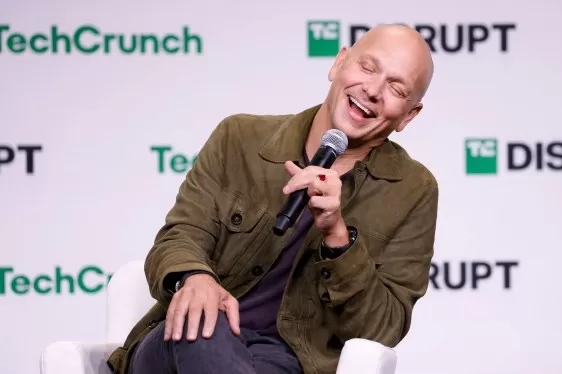
 托尼·法德尔谈为何第一批AI设备失败——以及接下来会发生什么
当托尼·法德尔走上首届麻省理工学院未来节(MIT Future Fest)的舞台时,他展示了一张幻灯片,上面列出了三款已停产且备受炒作的人工智能设备:Rabbit R1、Humane AI 胸针以及 Limitless 吊坠。“这些代表了第一代人工智能产品。鉴于我的背景,这些公司曾寻求我的指导,但我拒绝了,”法德尔解释道。这些初创公司寻求法德尔的建议也就不足为奇了。作为“iPod之父”、iPhone的共同创作者以及被谷歌收购的智能恒温器公司Nest的创始人,法德尔拥有无与伦比的行业经验。“
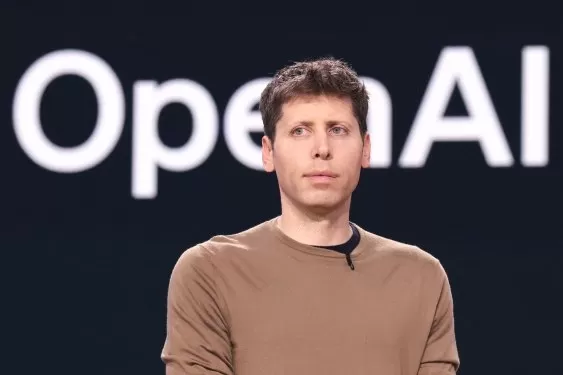
OpenAI 担心开源权重模型。美国应该感到担忧吗?
Kimi K3的发布,即中国实验室Moonshot推出的最大开源权重大型语言模型,引发了一场将两个不同问题混为一谈的争论:美国AI巨头的经济策略与大型语言模型(LLM)的技术轨迹。OpenAI的战略未来负责人Dean W. Ball建议,美国政府应围绕新模型制造监管方面的恐惧和不确定性,他认为开源权重架构不可避免地会阻碍前沿实验室的资本支出。反对声音迅速出现,Yann LeCun和Martin Casado等技术领袖辩称,开源软件加速了创新,并且可以与专有项目共存。Ball随后撤回了他的说法
OpenAI 推出 Codex 云环境,实现跨设备无缝使用
OpenAI 已扩展其软件工程代理 Codex 的功能,新增了超越个人笔记本电脑使用范围的能力。这些更新引入了可复用的云开发环境,支持从任何设备访问。周二在 OpenAI 的 Dev Day 上宣布的这一更新是 Codex 一系列更广泛改进的一部分。该公司还推出了全新的 Codex CLI、增强的代码审查工作流、基础设施加固工具以及额外的 API 增强功能。虽然 Codex 之前支持基于云的远程任务,但今天的公告强调了一种向使这些环境持久化和可配置化的转变。OpenAI 不再将每个云任务视为独立
相关专题推荐
视频创作
托尼·法德尔谈为何第一批AI设备失败——以及接下来会发生什么
当托尼·法德尔走上首届麻省理工学院未来节(MIT Future Fest)的舞台时,他展示了一张幻灯片,上面列出了三款已停产且备受炒作的人工智能设备:Rabbit R1、Humane AI 胸针以及 Limitless 吊坠。“这些代表了第一代人工智能产品。鉴于我的背景,这些公司曾寻求我的指导,但我拒绝了,”法德尔解释道。这些初创公司寻求法德尔的建议也就不足为奇了。作为“iPod之父”、iPhone的共同创作者以及被谷歌收购的智能恒温器公司Nest的创始人,法德尔拥有无与伦比的行业经验。“
OpenAI 担心开源权重模型。美国应该感到担忧吗?
Kimi K3的发布,即中国实验室Moonshot推出的最大开源权重大型语言模型,引发了一场将两个不同问题混为一谈的争论:美国AI巨头的经济策略与大型语言模型(LLM)的技术轨迹。OpenAI的战略未来负责人Dean W. Ball建议,美国政府应围绕新模型制造监管方面的恐惧和不确定性,他认为开源权重架构不可避免地会阻碍前沿实验室的资本支出。反对声音迅速出现,Yann LeCun和Martin Casado等技术领袖辩称,开源软件加速了创新,并且可以与专有项目共存。Ball随后撤回了他的说法
OpenAI 推出 Codex 云环境,实现跨设备无缝使用
OpenAI 已扩展其软件工程代理 Codex 的功能,新增了超越个人笔记本电脑使用范围的能力。这些更新引入了可复用的云开发环境,支持从任何设备访问。周二在 OpenAI 的 Dev Day 上宣布的这一更新是 Codex 一系列更广泛改进的一部分。该公司还推出了全新的 Codex CLI、增强的代码审查工作流、基础设施加固工具以及额外的 API 增强功能。虽然 Codex 之前支持基于云的远程任务,但今天的公告强调了一种向使这些环境持久化和可配置化的转变。OpenAI 不再将每个云任务视为独立
相关专题推荐
视频创作
 最适合用于演示的最佳 AI 视频生成工具:将脚本转化为说明视频
此处为您精选了2026年最新、最优秀且评分最高的AI视频生成工具,它们能够提供强大的功能,帮助您快速将剧本转化为专业的解说视频。XIX.AI会根据实际测试结果每周更新排名,并附上免费版与付费版的详细对比信息。这些值得尝试的工具能显著提升您的工作效率。立即探索,找到最适合您的演示视频制作工具吧!
 9 个工具
9 个工具
 xix.ai
金融
面向中小企业财务管理的AI现金流预测工具
xix.ai
金融
面向中小企业财务管理的AI现金流预测工具
2026年最新、最受欢迎的小微企业财务AI现金流预测工具已登陆XIX.AI!我们精心筛选的这份清单汇集了功能强大、具有颠覆性的解决方案,这些工具均经过实际应用验证,可帮助小微企业主提高财务预测的准确性、更有效地制定预算,并避免现金流问题。 获取免费版与付费版的对比指南,立即探索,找到最适合您的工具,实现无缝财务管理。
7 个工具
xix.ai
代码
最佳 AI 编程聊天机器人:在同一平台调试 Python、JS 和 SQL
2026年最新精选、评价最高的人工智能编程聊天机器人,专为开发者打造!体验这些功能强大、颠覆性的工具,助您快速排查Python、JS和SQL问题。 获取免费版与付费版的对比分析,结合实际测试和详细排名,找到最适合您的工具,从而提升编程效率。立即试用 XIX.AI,释放您的 AI 优势!立即探索。
12 个工具
xix.ai
提示词
用于可复用 Claude 和 ChatGPT 剧本的 AI 提示词版本控制平台
2026 年最新最佳顶级评分 AI 提示词版本管理平台,用于可复用剧本,现已上线 XIX.AI!我们精心策划的列表包含强大的变革性工具,帮助您跟踪所有提示词、高效测试各种变体,并提升写作、内容创作等方面的生产力。获取免费与付费版的对比,以及真实世界测试和每周更新的排名。立即探索,发现最适合您的工具,在 AI 任务中保持领先!
9 个工具
xix.ai
写作
最佳长篇文章 AI 写作助手:更快生成大纲与初稿
2026 年最新最佳长文 AI 写作助手:更快生成大纲与初稿。XIX.AI 精选了高评分且值得尝试的工具,提供强大且具有变革性的支持,显著提升写作效率。您将找到详细的免费与付费对比、真实世界测试以及每周更新的排名。立即探索,发现您的完美工具,并开始创作,以释放您的 AI 优势。
8 个工具
xix.ai
教育与学习
ChatGPT学习工具:备考、单词卡和作业解答
2026年最新最佳ChatGPT学习工具:备考、单词卡和作业解析! XIX.AI 精心整理了一份广受好评的强力工具榜单,这些颠覆性的工具旨在提升您的工作效率。这些必试方案提供了免费与付费版本的对比、实际测试结果以及详细排名,助您找到最适合的高效备考和作业辅助方案。立即探索,解锁您的AI优势!
10 个工具
xix.ai

 评论 (0)
0/500
评论 (0)
0/500
Apple initiated legal action against OpenAI on Friday, accusing the AI firm of stealing trade secrets and violating contractual agreements.
The tech giant claims this misconduct reflects a coordinated effort by OpenAI’s top executives, including Chief Hardware Officer Tang Tan, to exploit former Apple employees who have since joined OpenAI.
Filed in the U.S. District Court for the Northern District of California, the lawsuit alleges that Tan exploited Apple’s confidential project codenames during recruitment, requested candidates bring Apple hardware components to interviews, coached departing staff on bypassing security protocols, and solicited details regarding unreleased products.
Tan, who recently joined OpenAI, previously spent 24 years at Apple, serving most recently as Vice President of Product Design for the iPhone and Apple Watch.
These allegations surface amid reports that OpenAI is developing its first hardware device, potentially a smartphone competing directly with the iPhone. Industry analyst Ming-Chi Kuo recently suggested this device might rely on AI agents rather than traditional apps, posing a significant threat to Apple’s core hardware revenue.
Last year, OpenAI acquired Jony Ive’s device startup, io, in a $6.5 billion deal to bolster its hardware capabilities. While io is named in the complaint, Ive himself is not implicated.
Tan is not the only former Apple employee cited in the lawsuit. Apple also accuses Chang Liu, a senior systems electrical engineer who worked at Apple for eight years, of failing to return an Apple-issued laptop after joining OpenAI in 2026 and using it to download confidential technical documents.
According to the complaint, the stolen materials included details on unannounced technologies, features, and products, encompassing technical specifications, engineering presentations, and proprietary project data.
Liu is further accused of sharing Apple’s confidential information with other former colleagues applying for roles at OpenAI, including advising at least one candidate on preparation for their interview.
Apple states it sent a letter to OpenAI in February expressing its concerns but received no response, as noted in the complaint.
The lawsuit alleges that these former employees’ actions are part of a broader OpenAI strategy to extract confidential information, including requests for candidates to bring designs and prototypes to interviews and answer questions about component and vendor selection processes.
Apple’s investigation suggests that OpenAI and its partners have utilized this confidential information while developing their own hardware. For example, the filing cites a proprietary metal finishing technique that OpenAI allegedly used after misleading a partner into believing it had Apple’s permission.
Similar to other tech firms, Apple typically investigates potential trade secret theft by analyzing communications on company-owned devices and reviewing server logs. By pursuing legal action, Apple aims to uncover the full scope of the alleged operation through the discovery process.
Apple is requesting that the court prohibit OpenAI from using or disclosing its trade secrets, order the return of all confidential Apple materials, and preserve evidence related to the case.
“This is merely the tip of the iceberg. Apple lacks visibility into the closed-door operations at OpenAI, where such misconduct appears normalized and endorsed by leadership,” the filing reads. “Consequently, OpenAI’s emerging hardware business rests on unstable foundations, corrupted at its core by its illegal reliance on misappropriated trade secrets.”
In a prepared statement, Apple also declared:
> At Apple, our teams continuously develop breakthrough technologies to create the world’s best products and services, and protecting their work and intellectual property is a priority. Recent evidence suggests individuals at OpenAI wrongfully obtained Apple’s secret and confidential information regarding our unreleased technologies, processes, and products. We are committed to defending our teams’ hard work and innovations and are taking all necessary steps to do so.
OpenAI has been requested for comment on these allegations.
The full filing is available here, or you can view it below.
This story is developing and will be updated. It was originally published at 1:32 p.m. PT.








 托尼·法德尔谈为何第一批AI设备失败——以及接下来会发生什么
当托尼·法德尔走上首届麻省理工学院未来节(MIT Future Fest)的舞台时,他展示了一张幻灯片,上面列出了三款已停产且备受炒作的人工智能设备:Rabbit R1、Humane AI 胸针以及 Limitless 吊坠。“这些代表了第一代人工智能产品。鉴于我的背景,这些公司曾寻求我的指导,但我拒绝了,”法德尔解释道。这些初创公司寻求法德尔的建议也就不足为奇了。作为“iPod之父”、iPhone的共同创作者以及被谷歌收购的智能恒温器公司Nest的创始人,法德尔拥有无与伦比的行业经验。“
托尼·法德尔谈为何第一批AI设备失败——以及接下来会发生什么
当托尼·法德尔走上首届麻省理工学院未来节(MIT Future Fest)的舞台时,他展示了一张幻灯片,上面列出了三款已停产且备受炒作的人工智能设备:Rabbit R1、Humane AI 胸针以及 Limitless 吊坠。“这些代表了第一代人工智能产品。鉴于我的背景,这些公司曾寻求我的指导,但我拒绝了,”法德尔解释道。这些初创公司寻求法德尔的建议也就不足为奇了。作为“iPod之父”、iPhone的共同创作者以及被谷歌收购的智能恒温器公司Nest的创始人,法德尔拥有无与伦比的行业经验。“
 OpenAI 担心开源权重模型。美国应该感到担忧吗?
Kimi K3的发布,即中国实验室Moonshot推出的最大开源权重大型语言模型,引发了一场将两个不同问题混为一谈的争论:美国AI巨头的经济策略与大型语言模型(LLM)的技术轨迹。OpenAI的战略未来负责人Dean W. Ball建议,美国政府应围绕新模型制造监管方面的恐惧和不确定性,他认为开源权重架构不可避免地会阻碍前沿实验室的资本支出。反对声音迅速出现,Yann LeCun和Martin Casado等技术领袖辩称,开源软件加速了创新,并且可以与专有项目共存。Ball随后撤回了他的说法
OpenAI 担心开源权重模型。美国应该感到担忧吗?
Kimi K3的发布,即中国实验室Moonshot推出的最大开源权重大型语言模型,引发了一场将两个不同问题混为一谈的争论:美国AI巨头的经济策略与大型语言模型(LLM)的技术轨迹。OpenAI的战略未来负责人Dean W. Ball建议,美国政府应围绕新模型制造监管方面的恐惧和不确定性,他认为开源权重架构不可避免地会阻碍前沿实验室的资本支出。反对声音迅速出现,Yann LeCun和Martin Casado等技术领袖辩称,开源软件加速了创新,并且可以与专有项目共存。Ball随后撤回了他的说法
 OpenAI 推出 Codex 云环境,实现跨设备无缝使用
OpenAI 已扩展其软件工程代理 Codex 的功能,新增了超越个人笔记本电脑使用范围的能力。这些更新引入了可复用的云开发环境,支持从任何设备访问。周二在 OpenAI 的 Dev Day 上宣布的这一更新是 Codex 一系列更广泛改进的一部分。该公司还推出了全新的 Codex CLI、增强的代码审查工作流、基础设施加固工具以及额外的 API 增强功能。虽然 Codex 之前支持基于云的远程任务,但今天的公告强调了一种向使这些环境持久化和可配置化的转变。OpenAI 不再将每个云任务视为独立
OpenAI 推出 Codex 云环境,实现跨设备无缝使用
OpenAI 已扩展其软件工程代理 Codex 的功能,新增了超越个人笔记本电脑使用范围的能力。这些更新引入了可复用的云开发环境,支持从任何设备访问。周二在 OpenAI 的 Dev Day 上宣布的这一更新是 Codex 一系列更广泛改进的一部分。该公司还推出了全新的 Codex CLI、增强的代码审查工作流、基础设施加固工具以及额外的 API 增强功能。虽然 Codex 之前支持基于云的远程任务,但今天的公告强调了一种向使这些环境持久化和可配置化的转变。OpenAI 不再将每个云任务视为独立

此处为您精选了2026年最新、最优秀且评分最高的AI视频生成工具,它们能够提供强大的功能,帮助您快速将剧本转化为专业的解说视频。XIX.AI会根据实际测试结果每周更新排名,并附上免费版与付费版的详细对比信息。这些值得尝试的工具能显著提升您的工作效率。立即探索,找到最适合您的演示视频制作工具吧!
9 个工具
xix.ai

2026年最新、最受欢迎的小微企业财务AI现金流预测工具已登陆XIX.AI!我们精心筛选的这份清单汇集了功能强大、具有颠覆性的解决方案,这些工具均经过实际应用验证,可帮助小微企业主提高财务预测的准确性、更有效地制定预算,并避免现金流问题。 获取免费版与付费版的对比指南,立即探索,找到最适合您的工具,实现无缝财务管理。
7 个工具
xix.ai
2026年最新精选、评价最高的人工智能编程聊天机器人,专为开发者打造!体验这些功能强大、颠覆性的工具,助您快速排查Python、JS和SQL问题。 获取免费版与付费版的对比分析,结合实际测试和详细排名,找到最适合您的工具,从而提升编程效率。立即试用 XIX.AI,释放您的 AI 优势!立即探索。
12 个工具
xix.ai

2026 年最新最佳顶级评分 AI 提示词版本管理平台,用于可复用剧本,现已上线 XIX.AI!我们精心策划的列表包含强大的变革性工具,帮助您跟踪所有提示词、高效测试各种变体,并提升写作、内容创作等方面的生产力。获取免费与付费版的对比,以及真实世界测试和每周更新的排名。立即探索,发现最适合您的工具,在 AI 任务中保持领先!
9 个工具
xix.ai

2026 年最新最佳长文 AI 写作助手:更快生成大纲与初稿。XIX.AI 精选了高评分且值得尝试的工具,提供强大且具有变革性的支持,显著提升写作效率。您将找到详细的免费与付费对比、真实世界测试以及每周更新的排名。立即探索,发现您的完美工具,并开始创作,以释放您的 AI 优势。
8 个工具
xix.ai

2026年最新最佳ChatGPT学习工具:备考、单词卡和作业解析! XIX.AI 精心整理了一份广受好评的强力工具榜单,这些颠覆性的工具旨在提升您的工作效率。这些必试方案提供了免费与付费版本的对比、实际测试结果以及详细排名,助您找到最适合的高效备考和作业辅助方案。立即探索,解锁您的AI优势!
10 个工具
xix.ai












