


 首頁
首頁蘋果因指控OpenAI竊取商業秘密而對其提起訴訟
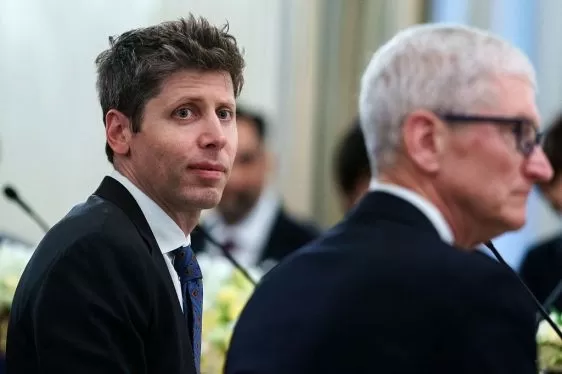
Apple initiated legal action against OpenAI on Friday, accusing the AI firm of stealing trade secrets and violating contractual agreements.
The tech giant claims this misconduct reflects a coordinated effort by OpenAI’s top executives, including Chief Hardware Officer Tang Tan, to exploit former Apple employees who have since joined OpenAI.
Filed in the U.S. District Court for the Northern District of California, the lawsuit alleges that Tan exploited Apple’s confidential project codenames during recruitment, requested candidates bring Apple hardware components to interviews, coached departing staff on bypassing security protocols, and solicited details regarding unreleased products.
Tan, who recently joined OpenAI, previously spent 24 years at Apple, serving most recently as Vice President of Product Design for the iPhone and Apple Watch.
These allegations surface amid reports that OpenAI is developing its first hardware device, potentially a smartphone competing directly with the iPhone. Industry analyst Ming-Chi Kuo recently suggested this device might rely on AI agents rather than traditional apps, posing a significant threat to Apple’s core hardware revenue.
Last year, OpenAI acquired Jony Ive’s device startup, io, in a $6.5 billion deal to bolster its hardware capabilities. While io is named in the complaint, Ive himself is not implicated.
Tan is not the only former Apple employee cited in the lawsuit. Apple also accuses Chang Liu, a senior systems electrical engineer who worked at Apple for eight years, of failing to return an Apple-issued laptop after joining OpenAI in 2026 and using it to download confidential technical documents.
According to the complaint, the stolen materials included details on unannounced technologies, features, and products, encompassing technical specifications, engineering presentations, and proprietary project data.
Liu is further accused of sharing Apple’s confidential information with other former colleagues applying for roles at OpenAI, including advising at least one candidate on preparation for their interview.
Apple states it sent a letter to OpenAI in February expressing its concerns but received no response, as noted in the complaint.
The lawsuit alleges that these former employees’ actions are part of a broader OpenAI strategy to extract confidential information, including requests for candidates to bring designs and prototypes to interviews and answer questions about component and vendor selection processes.
Apple’s investigation suggests that OpenAI and its partners have utilized this confidential information while developing their own hardware. For example, the filing cites a proprietary metal finishing technique that OpenAI allegedly used after misleading a partner into believing it had Apple’s permission.
Similar to other tech firms, Apple typically investigates potential trade secret theft by analyzing communications on company-owned devices and reviewing server logs. By pursuing legal action, Apple aims to uncover the full scope of the alleged operation through the discovery process.
Apple is requesting that the court prohibit OpenAI from using or disclosing its trade secrets, order the return of all confidential Apple materials, and preserve evidence related to the case.
“This is merely the tip of the iceberg. Apple lacks visibility into the closed-door operations at OpenAI, where such misconduct appears normalized and endorsed by leadership,” the filing reads. “Consequently, OpenAI’s emerging hardware business rests on unstable foundations, corrupted at its core by its illegal reliance on misappropriated trade secrets.”
In a prepared statement, Apple also declared:
> At Apple, our teams continuously develop breakthrough technologies to create the world’s best products and services, and protecting their work and intellectual property is a priority. Recent evidence suggests individuals at OpenAI wrongfully obtained Apple’s secret and confidential information regarding our unreleased technologies, processes, and products. We are committed to defending our teams’ hard work and innovations and are taking all necessary steps to do so.
OpenAI has been requested for comment on these allegations.
The full filing is available here, or you can view it below.
This story is developing and will be updated. It was originally published at 1:32 p.m. PT.
相關文章
 據報道,OpenAI 的首款硬體裝置是一款無螢幕的移動音箱
報道指出,OpenAI 的首個硬體專案是一款移動智慧音箱,其整合了可與 ChatGPT 同步的人工智慧,以提供多種家庭自動化服務。據彭博社週二報道,該裝置目前正處於開發階段,無螢幕設計,內部定位為“類人 AI 伴侶”,旨在融入家庭生活。OpenAI 此前曾表達過釋出硬體產品的興趣,外界猜測其計劃推出一款專有的手機,直接與蘋果展開競爭。據知情人士向彭博社描述,這款新裝置與傳統智慧音箱不同,它擁有“個性”,並能隨時間推移主動學習使用者偏好。它將訪問使用者的數字生態系統,包括電子郵件,以提供高度個性
託尼·法德爾談為何第一批AI裝置失敗——以及接下來會發生什麼
當託尼·法德爾走上首屆麻省理工學院未來節(MIT Future Fest)的舞臺時,他展示了一張幻燈片,上面列出了三款已停產且備受炒作的人工智慧裝置:Rabbit R1、Humane AI 胸針以及 Limitless 吊墜。“這些代表了第一代人工智慧產品。鑑於我的背景,這些公司曾尋求我的指導,但我拒絕了,”法德爾解釋道。這些初創公司尋求法德爾的建議也就不足為奇了。作為“iPod之父”、iPhone的共同創作者以及被谷歌收購的智慧恆溫器公司Nest的創始人,法德爾擁有無與倫比的行業經驗。“
OpenAI 擔心開源權重模型。美國應該感到擔憂嗎?
Kimi K3的釋出,即中國實驗室Moonshot推出的最大開源權重大型語言模型,引發了一場將兩個不同問題混為一談的爭論:美國AI巨頭的經濟策略與大型語言模型(LLM)的技術軌跡。OpenAI的戰略未來負責人Dean W. Ball建議,美國政府應圍繞新模型製造監管方面的恐懼和不確定性,他認為開源權重架構不可避免地會阻礙前沿實驗室的資本支出。反對聲音迅速出現,Yann LeCun和Martin Casado等技術領袖辯稱,開源軟體加速了創新,並且可以與專有專案共存。Ball隨後撤回了他的說法
相關專題推薦
健康與養生
據報道,OpenAI 的首款硬體裝置是一款無螢幕的移動音箱
報道指出,OpenAI 的首個硬體專案是一款移動智慧音箱,其整合了可與 ChatGPT 同步的人工智慧,以提供多種家庭自動化服務。據彭博社週二報道,該裝置目前正處於開發階段,無螢幕設計,內部定位為“類人 AI 伴侶”,旨在融入家庭生活。OpenAI 此前曾表達過釋出硬體產品的興趣,外界猜測其計劃推出一款專有的手機,直接與蘋果展開競爭。據知情人士向彭博社描述,這款新裝置與傳統智慧音箱不同,它擁有“個性”,並能隨時間推移主動學習使用者偏好。它將訪問使用者的數字生態系統,包括電子郵件,以提供高度個性
託尼·法德爾談為何第一批AI裝置失敗——以及接下來會發生什麼
當託尼·法德爾走上首屆麻省理工學院未來節(MIT Future Fest)的舞臺時,他展示了一張幻燈片,上面列出了三款已停產且備受炒作的人工智慧裝置:Rabbit R1、Humane AI 胸針以及 Limitless 吊墜。“這些代表了第一代人工智慧產品。鑑於我的背景,這些公司曾尋求我的指導,但我拒絕了,”法德爾解釋道。這些初創公司尋求法德爾的建議也就不足為奇了。作為“iPod之父”、iPhone的共同創作者以及被谷歌收購的智慧恆溫器公司Nest的創始人,法德爾擁有無與倫比的行業經驗。“
OpenAI 擔心開源權重模型。美國應該感到擔憂嗎?
Kimi K3的釋出,即中國實驗室Moonshot推出的最大開源權重大型語言模型,引發了一場將兩個不同問題混為一談的爭論:美國AI巨頭的經濟策略與大型語言模型(LLM)的技術軌跡。OpenAI的戰略未來負責人Dean W. Ball建議,美國政府應圍繞新模型製造監管方面的恐懼和不確定性,他認為開源權重架構不可避免地會阻礙前沿實驗室的資本支出。反對聲音迅速出現,Yann LeCun和Martin Casado等技術領袖辯稱,開源軟體加速了創新,並且可以與專有專案共存。Ball隨後撤回了他的說法
相關專題推薦
健康與養生
 用於睡眠與習慣追蹤的人工智慧健康管理工具
2026 年最新、最受好評的 AI 健康管理工具,專為睡眠與習慣追蹤而設計!XIX.AI 精心精選了一系列強大且顛覆傳統的必試工具,提供實際測試報告以及詳盡的免費版與付費版比較分析。這些頂級解決方案能協助使用者提升睡眠品質、有效監控日常習慣,並大幅提升工作效率。 立即探索,發掘最適合您的工具,並從今天開始運用,釋放您的 AI 優勢!
 11 個工具
 xix.ai
商業
用於採購審查與風險篩選的人工智慧供應商盡職調查平台
xix.ai
商業
用於採購審查與風險篩選的人工智慧供應商盡職調查平台
2026 年最新、最受好評的人工智慧供應商盡職調查平台,專為採購評估與風險篩選而設計!這份精選清單收錄了多款強大且具顛覆性的工具,這些工具均經過嚴格的實際測試,以提供精準的排名。 您將在此找到免費版與付費版的比較分析,助您找出必試的解決方案,以提升採購效率並降低風險。本清單由 XIX.AI 提供技術支援,並每週更新。立即探索,發掘最適合您的工具,實現更智慧的採購!238 個字元
10 個工具
xix.ai
視頻創作
最適合用於演示的最佳 AI 影片生成工具:將指令碼轉化為說明影片
此處為您精選了2026年最新、最優秀且評分最高的AI影片生成工具,它們能夠提供強大的功能,幫助您快速將劇本轉化為專業的解說影片。XIX.AI會根據實際測試結果每週更新排名,並附上免費版與付費版的詳細對比資訊。這些值得嘗試的工具能顯著提升您的工作效率。立即探索,找到最適合您的演示影片製作工具吧!
9 個工具
xix.ai
金融
適用於中小企業財務管理的人工智慧現金流預測工具
2026 年最新、最受好評的中小企業財務 AI 現金流預測工具,現已登陸 XIX.AI!我們精心挑選的清單收錄了經過實戰驗證、功能強大且能徹底改變遊戲規則的解決方案,協助中小企業主提升財務預測的精準度、更有效地規劃預算,並避免現金流問題。 立即獲取免費版與付費版的比較資訊,並探索這份清單,找到最適合您的工具,實現無縫的財務管理。
7 個工具
xix.ai
代碼
最佳 AI 程式設計聊天機器人:在同一個平台上除錯 Python、JS 和 SQL
2026 年最新精選、評價最高的 AI 程式設計聊天機器人,專為開發者打造!體驗這些強大且能改變遊戲規則的工具,助您快速排除 Python、JS 和 SQL 問題。 透過免費版與付費版的比較、實際測試及詳細排名,找到最適合您的工具,大幅提升程式編寫效率。立即試用 XIX.AI,釋放您的 AI 優勢!現在就來探索吧。
12 個工具
xix.ai
迅速的
用於可複用 Claude 和 ChatGPT 劇本的 AI 提示詞版本控制平臺
2026 年最新最佳頂級評分 AI 提示詞版本管理平臺,用於可複用劇本,現已上線 XIX.AI!我們精心策劃的列表包含強大的變革性工具,幫助您跟蹤所有提示詞、高效測試各種變體,並提升寫作、內容創作等方面的生產力。獲取免費與付費版的對比,以及真實世界測試和每週更新的排名。立即探索,發現最適合您的工具,在 AI 任務中保持領先!
9 個工具
xix.ai

 評論 (0)
0/500
評論 (0)
0/500
Apple initiated legal action against OpenAI on Friday, accusing the AI firm of stealing trade secrets and violating contractual agreements.
The tech giant claims this misconduct reflects a coordinated effort by OpenAI’s top executives, including Chief Hardware Officer Tang Tan, to exploit former Apple employees who have since joined OpenAI.
Filed in the U.S. District Court for the Northern District of California, the lawsuit alleges that Tan exploited Apple’s confidential project codenames during recruitment, requested candidates bring Apple hardware components to interviews, coached departing staff on bypassing security protocols, and solicited details regarding unreleased products.
Tan, who recently joined OpenAI, previously spent 24 years at Apple, serving most recently as Vice President of Product Design for the iPhone and Apple Watch.
These allegations surface amid reports that OpenAI is developing its first hardware device, potentially a smartphone competing directly with the iPhone. Industry analyst Ming-Chi Kuo recently suggested this device might rely on AI agents rather than traditional apps, posing a significant threat to Apple’s core hardware revenue.
Last year, OpenAI acquired Jony Ive’s device startup, io, in a $6.5 billion deal to bolster its hardware capabilities. While io is named in the complaint, Ive himself is not implicated.
Tan is not the only former Apple employee cited in the lawsuit. Apple also accuses Chang Liu, a senior systems electrical engineer who worked at Apple for eight years, of failing to return an Apple-issued laptop after joining OpenAI in 2026 and using it to download confidential technical documents.
According to the complaint, the stolen materials included details on unannounced technologies, features, and products, encompassing technical specifications, engineering presentations, and proprietary project data.
Liu is further accused of sharing Apple’s confidential information with other former colleagues applying for roles at OpenAI, including advising at least one candidate on preparation for their interview.
Apple states it sent a letter to OpenAI in February expressing its concerns but received no response, as noted in the complaint.
The lawsuit alleges that these former employees’ actions are part of a broader OpenAI strategy to extract confidential information, including requests for candidates to bring designs and prototypes to interviews and answer questions about component and vendor selection processes.
Apple’s investigation suggests that OpenAI and its partners have utilized this confidential information while developing their own hardware. For example, the filing cites a proprietary metal finishing technique that OpenAI allegedly used after misleading a partner into believing it had Apple’s permission.
Similar to other tech firms, Apple typically investigates potential trade secret theft by analyzing communications on company-owned devices and reviewing server logs. By pursuing legal action, Apple aims to uncover the full scope of the alleged operation through the discovery process.
Apple is requesting that the court prohibit OpenAI from using or disclosing its trade secrets, order the return of all confidential Apple materials, and preserve evidence related to the case.
“This is merely the tip of the iceberg. Apple lacks visibility into the closed-door operations at OpenAI, where such misconduct appears normalized and endorsed by leadership,” the filing reads. “Consequently, OpenAI’s emerging hardware business rests on unstable foundations, corrupted at its core by its illegal reliance on misappropriated trade secrets.”
In a prepared statement, Apple also declared:
> At Apple, our teams continuously develop breakthrough technologies to create the world’s best products and services, and protecting their work and intellectual property is a priority. Recent evidence suggests individuals at OpenAI wrongfully obtained Apple’s secret and confidential information regarding our unreleased technologies, processes, and products. We are committed to defending our teams’ hard work and innovations and are taking all necessary steps to do so.
OpenAI has been requested for comment on these allegations.
The full filing is available here, or you can view it below.
This story is developing and will be updated. It was originally published at 1:32 p.m. PT.








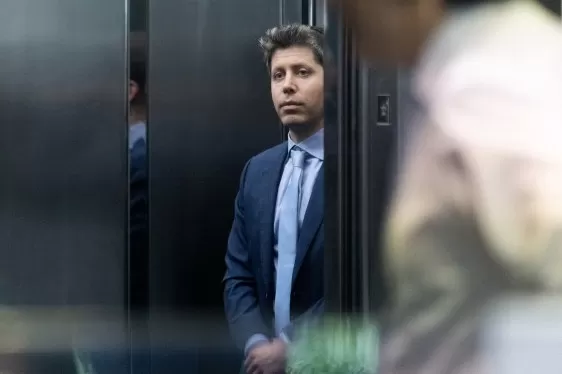 據報道,OpenAI 的首款硬體裝置是一款無螢幕的移動音箱
報道指出,OpenAI 的首個硬體專案是一款移動智慧音箱,其整合了可與 ChatGPT 同步的人工智慧,以提供多種家庭自動化服務。據彭博社週二報道,該裝置目前正處於開發階段,無螢幕設計,內部定位為“類人 AI 伴侶”,旨在融入家庭生活。OpenAI 此前曾表達過釋出硬體產品的興趣,外界猜測其計劃推出一款專有的手機,直接與蘋果展開競爭。據知情人士向彭博社描述,這款新裝置與傳統智慧音箱不同,它擁有“個性”,並能隨時間推移主動學習使用者偏好。它將訪問使用者的數字生態系統,包括電子郵件,以提供高度個性
據報道,OpenAI 的首款硬體裝置是一款無螢幕的移動音箱
報道指出,OpenAI 的首個硬體專案是一款移動智慧音箱,其整合了可與 ChatGPT 同步的人工智慧,以提供多種家庭自動化服務。據彭博社週二報道,該裝置目前正處於開發階段,無螢幕設計,內部定位為“類人 AI 伴侶”,旨在融入家庭生活。OpenAI 此前曾表達過釋出硬體產品的興趣,外界猜測其計劃推出一款專有的手機,直接與蘋果展開競爭。據知情人士向彭博社描述,這款新裝置與傳統智慧音箱不同,它擁有“個性”,並能隨時間推移主動學習使用者偏好。它將訪問使用者的數字生態系統,包括電子郵件,以提供高度個性
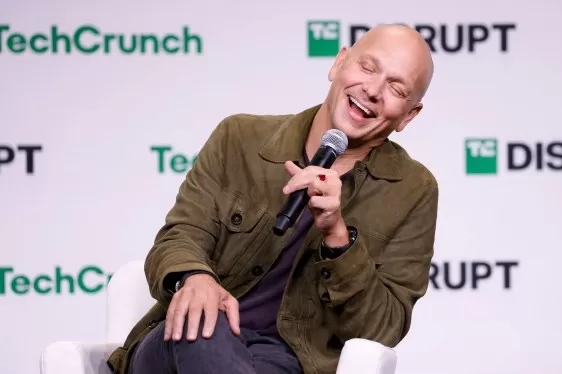 託尼·法德爾談為何第一批AI裝置失敗——以及接下來會發生什麼
當託尼·法德爾走上首屆麻省理工學院未來節(MIT Future Fest)的舞臺時,他展示了一張幻燈片,上面列出了三款已停產且備受炒作的人工智慧裝置:Rabbit R1、Humane AI 胸針以及 Limitless 吊墜。“這些代表了第一代人工智慧產品。鑑於我的背景,這些公司曾尋求我的指導,但我拒絕了,”法德爾解釋道。這些初創公司尋求法德爾的建議也就不足為奇了。作為“iPod之父”、iPhone的共同創作者以及被谷歌收購的智慧恆溫器公司Nest的創始人,法德爾擁有無與倫比的行業經驗。“
託尼·法德爾談為何第一批AI裝置失敗——以及接下來會發生什麼
當託尼·法德爾走上首屆麻省理工學院未來節(MIT Future Fest)的舞臺時,他展示了一張幻燈片,上面列出了三款已停產且備受炒作的人工智慧裝置:Rabbit R1、Humane AI 胸針以及 Limitless 吊墜。“這些代表了第一代人工智慧產品。鑑於我的背景,這些公司曾尋求我的指導,但我拒絕了,”法德爾解釋道。這些初創公司尋求法德爾的建議也就不足為奇了。作為“iPod之父”、iPhone的共同創作者以及被谷歌收購的智慧恆溫器公司Nest的創始人,法德爾擁有無與倫比的行業經驗。“
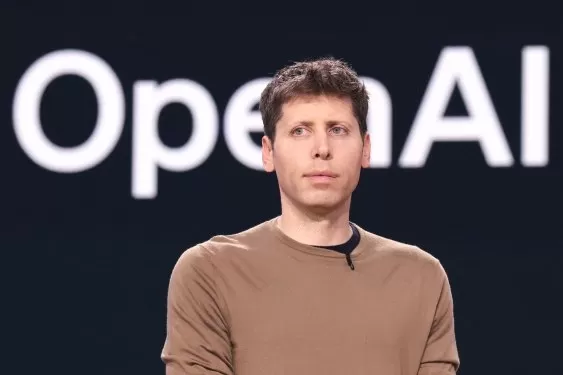 OpenAI 擔心開源權重模型。美國應該感到擔憂嗎?
Kimi K3的釋出,即中國實驗室Moonshot推出的最大開源權重大型語言模型,引發了一場將兩個不同問題混為一談的爭論:美國AI巨頭的經濟策略與大型語言模型(LLM)的技術軌跡。OpenAI的戰略未來負責人Dean W. Ball建議,美國政府應圍繞新模型製造監管方面的恐懼和不確定性,他認為開源權重架構不可避免地會阻礙前沿實驗室的資本支出。反對聲音迅速出現,Yann LeCun和Martin Casado等技術領袖辯稱,開源軟體加速了創新,並且可以與專有專案共存。Ball隨後撤回了他的說法
OpenAI 擔心開源權重模型。美國應該感到擔憂嗎?
Kimi K3的釋出,即中國實驗室Moonshot推出的最大開源權重大型語言模型,引發了一場將兩個不同問題混為一談的爭論:美國AI巨頭的經濟策略與大型語言模型(LLM)的技術軌跡。OpenAI的戰略未來負責人Dean W. Ball建議,美國政府應圍繞新模型製造監管方面的恐懼和不確定性,他認為開源權重架構不可避免地會阻礙前沿實驗室的資本支出。反對聲音迅速出現,Yann LeCun和Martin Casado等技術領袖辯稱,開源軟體加速了創新,並且可以與專有專案共存。Ball隨後撤回了他的說法

2026 年最新、最受好評的 AI 健康管理工具,專為睡眠與習慣追蹤而設計!XIX.AI 精心精選了一系列強大且顛覆傳統的必試工具,提供實際測試報告以及詳盡的免費版與付費版比較分析。這些頂級解決方案能協助使用者提升睡眠品質、有效監控日常習慣,並大幅提升工作效率。 立即探索,發掘最適合您的工具,並從今天開始運用,釋放您的 AI 優勢!
11 個工具
xix.ai

2026 年最新、最受好評的人工智慧供應商盡職調查平台,專為採購評估與風險篩選而設計!這份精選清單收錄了多款強大且具顛覆性的工具,這些工具均經過嚴格的實際測試,以提供精準的排名。 您將在此找到免費版與付費版的比較分析,助您找出必試的解決方案,以提升採購效率並降低風險。本清單由 XIX.AI 提供技術支援,並每週更新。立即探索,發掘最適合您的工具,實現更智慧的採購!238 個字元
10 個工具
xix.ai
此處為您精選了2026年最新、最優秀且評分最高的AI影片生成工具,它們能夠提供強大的功能,幫助您快速將劇本轉化為專業的解說影片。XIX.AI會根據實際測試結果每週更新排名,並附上免費版與付費版的詳細對比資訊。這些值得嘗試的工具能顯著提升您的工作效率。立即探索,找到最適合您的演示影片製作工具吧!
9 個工具
xix.ai

2026 年最新、最受好評的中小企業財務 AI 現金流預測工具,現已登陸 XIX.AI!我們精心挑選的清單收錄了經過實戰驗證、功能強大且能徹底改變遊戲規則的解決方案,協助中小企業主提升財務預測的精準度、更有效地規劃預算,並避免現金流問題。 立即獲取免費版與付費版的比較資訊,並探索這份清單,找到最適合您的工具,實現無縫的財務管理。
7 個工具
xix.ai

2026 年最新精選、評價最高的 AI 程式設計聊天機器人,專為開發者打造!體驗這些強大且能改變遊戲規則的工具,助您快速排除 Python、JS 和 SQL 問題。 透過免費版與付費版的比較、實際測試及詳細排名,找到最適合您的工具,大幅提升程式編寫效率。立即試用 XIX.AI,釋放您的 AI 優勢!現在就來探索吧。
12 個工具
xix.ai

2026 年最新最佳頂級評分 AI 提示詞版本管理平臺,用於可複用劇本,現已上線 XIX.AI!我們精心策劃的列表包含強大的變革性工具,幫助您跟蹤所有提示詞、高效測試各種變體,並提升寫作、內容創作等方面的生產力。獲取免費與付費版的對比,以及真實世界測試和每週更新的排名。立即探索,發現最適合您的工具,在 AI 任務中保持領先!
9 個工具
xix.ai












