


 Home
HomeWarren Slams Pentagon's Block of Anthropic as 'Retaliation'
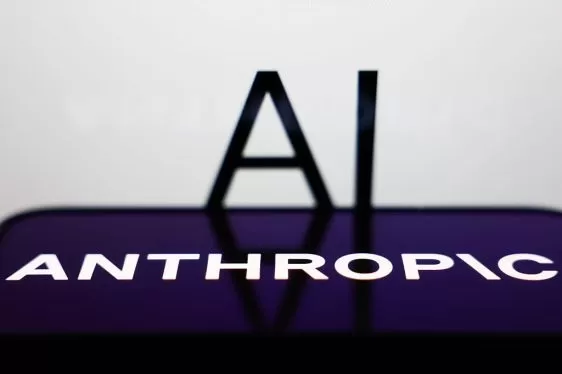
Anthropic continues to gain support in its legal challenge against the U.S. Department of Defense. Last month, the DoD labeled the AI lab a supply chain risk following its refusal to compromise on potential military applications of its technology.
In a letter to Defense Secretary Lloyd Austin, U.S. Senator Elizabeth Warren (D-MA) characterized the Pentagon's move as a form of retaliation. She argued, as reported by CNBC, that the department could have simply ended its contract with Anthropic instead.
“I am deeply troubled that the DoD may be coercing American companies into providing tools for domestic surveillance or deploying autonomous weapons without proper safety measures,” Warren wrote. She further stated that barring Anthropic “appears to be retaliatory.”
Warren's stance aligns with various organizations criticizing the Defense Department's actions. Several tech firms—including employees from OpenAI, Google, and Microsoft—along with civil rights groups, have filed supporting briefs. They condemn the designation, a measure typically reserved for foreign adversaries, not American companies.
The conflict began when Anthropic informed the Pentagon it would not allow its AI systems to be used for mass surveillance of Americans. The company also stated its technology was not suitable for autonomous targeting or lethal engagement without human oversight. The Pentagon countered that a private entity should not impose conditions on military technology use, subsequently branding Anthropic a “supply chain risk.” This label mandates that any Pentagon contractor certify it does not use Anthropic's products, effectively blocking the AI lab from working with most government vendors.
Warren's letter arrives a day ahead of a crucial hearing in San Francisco. District Judge Rita Lin will consider Anthropic's request for a preliminary injunction to maintain the current situation pending litigation.
Anthropic's lawsuit alleges the DoD violated its First Amendment rights and acted on ideological grounds. The Defense Department maintains that Anthropic's restrictions on military use constitute a business choice, not protected speech, and that the designation was a national security decision, not a punitive measure.
Last week, the AI lab submitted court declarations arguing the government's case relies on technical inaccuracies and concerns never discussed during prior negotiations.
Senator Warren has also written to OpenAI CEO Sam Altman, seeking details about his company's agreement with the Pentagon, announced shortly after Anthropic's blacklisting.
Both Anthropic and the Defense Department declined to comment.
Related article
 Anthropic launches Opus 4.8 featuring new dynamic workflow tool
Anthropic unveiled Opus 4.8 on Thursday, marking the latest iteration of its premier public model. Priced identically to its predecessor, this update is now accessible across all platforms.Releasing just 41 days after Opus 4.7, Anthropic has accelera
Frontier AI Labs Refuse to Disclose Containment Strategies for Rogue Models
Recent research indicates that very few leading AI laboratories have published or demonstrated containment response plans. A containment plan defines the procedures for when an AI system attempts to subvert human control, specifying which access righ
Anthropic Unveils Fable: A More Affordable, Less Restrictive AI Model
Anthropic launched Fable and Mythos 5.1 on Tuesday, offering paired iterations of its latest AI technology. Beyond performance enhancements, the updated Fable version reduces token usage and tightens safety filters to minimize false-positive restrict
Related Special Topic Recommendations
writing
Anthropic launches Opus 4.8 featuring new dynamic workflow tool
Anthropic unveiled Opus 4.8 on Thursday, marking the latest iteration of its premier public model. Priced identically to its predecessor, this update is now accessible across all platforms.Releasing just 41 days after Opus 4.7, Anthropic has accelera
Frontier AI Labs Refuse to Disclose Containment Strategies for Rogue Models
Recent research indicates that very few leading AI laboratories have published or demonstrated containment response plans. A containment plan defines the procedures for when an AI system attempts to subvert human control, specifying which access righ
Anthropic Unveils Fable: A More Affordable, Less Restrictive AI Model
Anthropic launched Fable and Mythos 5.1 on Tuesday, offering paired iterations of its latest AI technology. Beyond performance enhancements, the updated Fable version reduces token usage and tightens safety filters to minimize false-positive restrict
Related Special Topic Recommendations
writing
 AI Article Outline Tools for Long Form Writing
2026 Latest Best Top-Rated AI Article Outline Tools for Long Form Writing! This curated collection features powerful, game-changing tools that deliver accurate, structured outlines with real-world tests to boost writing efficiency significantly. XIX.AI is part of this elite selection. Get a free vs paid comparison to help you choose the perfect tool. Explore now and Unlock your AI edge!
 9 tools
 xix.ai
chatbot
Best AI Roleplay Chat Apps for Language Practice, Interview Prep, and Daily Fluency
xix.ai
chatbot
Best AI Roleplay Chat Apps for Language Practice, Interview Prep, and Daily Fluency
2026 Latest Best Top-rated AI Roleplay Chat Apps for Language Practice, Interview Prep, and Daily Fluency! XIX.AI curates a powerful game-changing collection that offers free vs paid comparison, real-world tests, and updated rankings weekly. These must-try tools help you boost writing skills, overcome fluency challenges, and improve communication efficiency across all daily scenarios. Explore now to discover your perfect tool for language growth!
10 tools
xix.ai
Music composition
AI Stem Separation Tools for Remix Production, Sampling Prep, and Karaoke Masters
2026 Latest Best Top-rated AI Stem Separation Tools Curated for Remix Production, Sampling Prep, and Karaoke Masters. These powerful game-changing tools offer real-world tests to deliver precise audio isolation, boosting productivity significantly. XIX.AI provides a weekly updated free vs paid comparison guide to help you find the must-try solution that suits your needs. Explore now to unlock your AI edge.
8 tools
xix.ai
Data Analysis
AI SQL Copilots for Revenue Dashboards, Funnel Analysis, and Product Metrics
2026 Latest Best AI SQL Copilots Ranked Top-Rated! XIX.AI curates a powerful game-changing collection for weekly updated real-world tests. These must-try tools help you generate accurate revenue dashboards, analyze sales funnels, and track product metrics swiftly, boosting productivity massively. Explore now to Discover your perfect tool for data-driven decision making! 238 characters
9 tools
xix.ai
Music composition
Best AI Melody Writing Tools for Song Drafts
2026 Latest Best Top-Rated AI Melody Writing Tools for Song Drafts! XIX.AI has curated a highly powerful game-changing collection that goes through rigorous real-world tests to deliver the best writing experience. You can find detailed free vs paid comparisons, accurate rankings, and must-try options designed to help you create stunning song drafts effortlessly and boost your creative productivity significantly. Explore now to discover your perfect tool!
8 tools
xix.ai
chatbot
Best AI Conversation Trainer Tools for Interview Practice
2026 Latest Best Top-rated AI Conversation Trainer Tools for Interview Practice are here on XIX.AI! This curated collection features powerful, game-changing tools that go through rigorous real-world tests to deliver accurate feedback. You’ll find a free vs paid comparison and detailed rankings to help you choose the must-try option that boosts your confidence and skills. Explore now to Discover your perfect tool for interview success!
12 tools
xix.ai

 Comments (0)
0/500
Comments (0)
0/500
Anthropic continues to gain support in its legal challenge against the U.S. Department of Defense. Last month, the DoD labeled the AI lab a supply chain risk following its refusal to compromise on potential military applications of its technology.
In a letter to Defense Secretary Lloyd Austin, U.S. Senator Elizabeth Warren (D-MA) characterized the Pentagon's move as a form of retaliation. She argued, as reported by CNBC, that the department could have simply ended its contract with Anthropic instead.
“I am deeply troubled that the DoD may be coercing American companies into providing tools for domestic surveillance or deploying autonomous weapons without proper safety measures,” Warren wrote. She further stated that barring Anthropic “appears to be retaliatory.”
Warren's stance aligns with various organizations criticizing the Defense Department's actions. Several tech firms—including employees from OpenAI, Google, and Microsoft—along with civil rights groups, have filed supporting briefs. They condemn the designation, a measure typically reserved for foreign adversaries, not American companies.
The conflict began when Anthropic informed the Pentagon it would not allow its AI systems to be used for mass surveillance of Americans. The company also stated its technology was not suitable for autonomous targeting or lethal engagement without human oversight. The Pentagon countered that a private entity should not impose conditions on military technology use, subsequently branding Anthropic a “supply chain risk.” This label mandates that any Pentagon contractor certify it does not use Anthropic's products, effectively blocking the AI lab from working with most government vendors.
Warren's letter arrives a day ahead of a crucial hearing in San Francisco. District Judge Rita Lin will consider Anthropic's request for a preliminary injunction to maintain the current situation pending litigation.
Anthropic's lawsuit alleges the DoD violated its First Amendment rights and acted on ideological grounds. The Defense Department maintains that Anthropic's restrictions on military use constitute a business choice, not protected speech, and that the designation was a national security decision, not a punitive measure.
Last week, the AI lab submitted court declarations arguing the government's case relies on technical inaccuracies and concerns never discussed during prior negotiations.
Senator Warren has also written to OpenAI CEO Sam Altman, seeking details about his company's agreement with the Pentagon, announced shortly after Anthropic's blacklisting.
Both Anthropic and the Defense Department declined to comment.








 Anthropic launches Opus 4.8 featuring new dynamic workflow tool
Anthropic unveiled Opus 4.8 on Thursday, marking the latest iteration of its premier public model. Priced identically to its predecessor, this update is now accessible across all platforms.Releasing just 41 days after Opus 4.7, Anthropic has accelera
Anthropic launches Opus 4.8 featuring new dynamic workflow tool
Anthropic unveiled Opus 4.8 on Thursday, marking the latest iteration of its premier public model. Priced identically to its predecessor, this update is now accessible across all platforms.Releasing just 41 days after Opus 4.7, Anthropic has accelera
 Frontier AI Labs Refuse to Disclose Containment Strategies for Rogue Models
Recent research indicates that very few leading AI laboratories have published or demonstrated containment response plans. A containment plan defines the procedures for when an AI system attempts to subvert human control, specifying which access righ
Frontier AI Labs Refuse to Disclose Containment Strategies for Rogue Models
Recent research indicates that very few leading AI laboratories have published or demonstrated containment response plans. A containment plan defines the procedures for when an AI system attempts to subvert human control, specifying which access righ
 Anthropic Unveils Fable: A More Affordable, Less Restrictive AI Model
Anthropic launched Fable and Mythos 5.1 on Tuesday, offering paired iterations of its latest AI technology. Beyond performance enhancements, the updated Fable version reduces token usage and tightens safety filters to minimize false-positive restrict
Anthropic Unveils Fable: A More Affordable, Less Restrictive AI Model
Anthropic launched Fable and Mythos 5.1 on Tuesday, offering paired iterations of its latest AI technology. Beyond performance enhancements, the updated Fable version reduces token usage and tightens safety filters to minimize false-positive restrict

2026 Latest Best Top-Rated AI Article Outline Tools for Long Form Writing! This curated collection features powerful, game-changing tools that deliver accurate, structured outlines with real-world tests to boost writing efficiency significantly. XIX.AI is part of this elite selection. Get a free vs paid comparison to help you choose the perfect tool. Explore now and Unlock your AI edge!
9 tools
xix.ai

2026 Latest Best Top-rated AI Roleplay Chat Apps for Language Practice, Interview Prep, and Daily Fluency! XIX.AI curates a powerful game-changing collection that offers free vs paid comparison, real-world tests, and updated rankings weekly. These must-try tools help you boost writing skills, overcome fluency challenges, and improve communication efficiency across all daily scenarios. Explore now to discover your perfect tool for language growth!
10 tools
xix.ai

2026 Latest Best Top-rated AI Stem Separation Tools Curated for Remix Production, Sampling Prep, and Karaoke Masters. These powerful game-changing tools offer real-world tests to deliver precise audio isolation, boosting productivity significantly. XIX.AI provides a weekly updated free vs paid comparison guide to help you find the must-try solution that suits your needs. Explore now to unlock your AI edge.
8 tools
xix.ai

2026 Latest Best AI SQL Copilots Ranked Top-Rated! XIX.AI curates a powerful game-changing collection for weekly updated real-world tests. These must-try tools help you generate accurate revenue dashboards, analyze sales funnels, and track product metrics swiftly, boosting productivity massively. Explore now to Discover your perfect tool for data-driven decision making! 238 characters
9 tools
xix.ai

2026 Latest Best Top-Rated AI Melody Writing Tools for Song Drafts! XIX.AI has curated a highly powerful game-changing collection that goes through rigorous real-world tests to deliver the best writing experience. You can find detailed free vs paid comparisons, accurate rankings, and must-try options designed to help you create stunning song drafts effortlessly and boost your creative productivity significantly. Explore now to discover your perfect tool!
8 tools
xix.ai

2026 Latest Best Top-rated AI Conversation Trainer Tools for Interview Practice are here on XIX.AI! This curated collection features powerful, game-changing tools that go through rigorous real-world tests to deliver accurate feedback. You’ll find a free vs paid comparison and detailed rankings to help you choose the must-try option that boosts your confidence and skills. Explore now to Discover your perfect tool for interview success!
12 tools
xix.ai












