


 Home
HomeVoice Actors Unite Against AI Job Displacement

Reports indicate that several prominent voice actors, including Zhang Jiaming, known for voicing "Taiyi Zhenren" in the *Ne Zha* series, have recently spoken out against AI voice theft. They are confronting not only the widespread unauthorized use of their voices but also the loss of commercial opportunities to AI, threatening their livelihoods.
Core Dilemma: Lost Commercial Deals and "Free" AI
Zhang Jiaming disclosed that since last year, his voice has been extensively and illegally cloned, with his performance as "Taiyi Zhenren" being a prime target:
Lost Commercial Contracts: Three long-term partners have explicitly stated they will not renew contracts, citing the availability of highly similar and free AI voice clones on the market.
Widespread Infringement: Over 700 new cases of infringement were identified online in a single day.
Legal Action Challenges: Despite significant effort spent gathering evidence, legal recourse has been difficult. Most infringers are minors, and the complex legal procedures have so far prevented any successful prosecution.
Industry Pushback: Leading Institutions and Voice Actors Unite
Beyond Zhang Jiaming, other renowned voice actors like Lü Yanting (voice of "Ne Zha") and Ji Guanlin (voice of "Zhen Huan") have also faced the issue of having their voices appropriated. In response, industry groups are taking action:
Qixiang Tianwai's Notice: The well-known game and animation voice company Shanghai Qixiang Tianwai Cultural Communication Co., Ltd. announced that relevant infringement cases have completed court trials and are awaiting judicial rulings.
Statement by the China Radio and Television Association: The Actor Committee of the China Radio and Television Social Organizations Federation clarified that any AI voice cloning or face-swapping involving specific performers, even if labeled "non-commercial" or "fan-made," constitutes full infringement liability.
Legal Battles: The "Deep Waters" of IP Protection
Whether a voice is protected under personality rights or copyright has become a key legal question in the AI era:
Extension of Personality Rights: A voice carries significant personal identification value. Unauthorized AI cloning is viewed as a direct violation of these rights.
Misconceptions About Fair Use: Many creators mistakenly believe labeling content as "for public welfare sharing" grants immunity. However, the law states that if such use causes market substitution or damages the original creator's potential business, it is infringing.
Technical Barriers: Current AI technology can replicate a voice with just one second of source material. This technological abuse is rapidly eroding the professional value of the voice acting industry.
Conclusion: Protecting That "Irreplaceable" Human Touch
As cold algorithms gain the ability to replicate every nuance of a voice, the very dignity of artistic performance is under threat. The unique warmth and humanity a voice actor brings remain irreplaceable.
Related article
 Stripe to Acquire OpenRouter as AI Model Routing Gains Momentum
Stripe has agreed to acquire OpenRouter, an AI model-routing platform that gives developers access to hundreds of models through a single interface. The deal adds model selection and routing to Stripe’s existing work around AI usage and token-based b
Former OpenAI Researcher Barrett Zoph Returns to Google to Support Gemini Development
Barret Zoph, who previously abruptly left and joined OpenAI due to a disagreement with Thinking Machines Lab CEO Miriam Mularati, has once again changed employers. Alphabet's Google announced that Zoph will return as Vice President of Research, bring
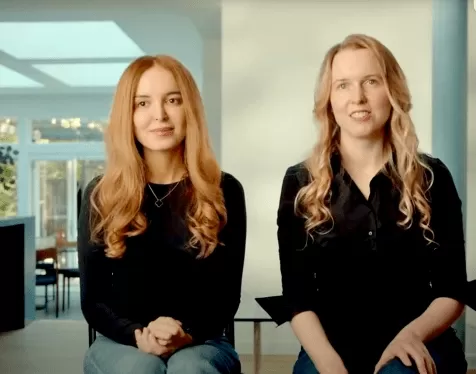
How Recursive Intelligence Raised $335M at $4B Valuation in 4 Months
The co-founders of startup Ricursive Intelligence seemed destined to be co-founders.Anna Goldie, CEO, and Azalia Mirhoseini, CTO, are so well-known in the AI community that they were among those AI engineers who “got those weird emails from Zuckerber
Related Special Topic Recommendations
Design & Art
Stripe to Acquire OpenRouter as AI Model Routing Gains Momentum
Stripe has agreed to acquire OpenRouter, an AI model-routing platform that gives developers access to hundreds of models through a single interface. The deal adds model selection and routing to Stripe’s existing work around AI usage and token-based b
Former OpenAI Researcher Barrett Zoph Returns to Google to Support Gemini Development
Barret Zoph, who previously abruptly left and joined OpenAI due to a disagreement with Thinking Machines Lab CEO Miriam Mularati, has once again changed employers. Alphabet's Google announced that Zoph will return as Vice President of Research, bring
How Recursive Intelligence Raised $335M at $4B Valuation in 4 Months
The co-founders of startup Ricursive Intelligence seemed destined to be co-founders.Anna Goldie, CEO, and Azalia Mirhoseini, CTO, are so well-known in the AI community that they were among those AI engineers who “got those weird emails from Zuckerber
Related Special Topic Recommendations
Design & Art
 Top AI Illustration Tools: Create Editorial Scenes and Cover Art Faster
2026 Latest Top-rated AI Illustration Tools: Our curated list features the best powerfully designed tools for creating stunning editorial scenes and eye-catching cover art quickly. Each option has gone through rigorous real-world tests, offering a free vs paid comparison to help you find the perfect match for your workflow. Try these must-try solutions today to unlock your AI edge and boost your creative productivity. Explore now at XIX.AI.
 10 tools
 xix.ai
Education and Learning
Top AI Tutors for Exam Prep: Practice Math, Science, and English
xix.ai
Education and Learning
Top AI Tutors for Exam Prep: Practice Math, Science, and English
2026 Latest Top-Rated Best AI Tutors for Exam Prep are here on XIX.AI! Our curated list features powerful game-changing tools that offer free vs paid comparison, real-world tests, and weekly updated rankings. They help boost your writing efficiency, simplify complex topic learning, and unlock your academic potential. Explore now to Discover your perfect exam prep tool and Start creating today to Unlock your AI edge!
10 tools
xix.ai
Finance
AI Budget Planning Tools for Personal Money Management
2026 Latest Best Top-Rated AI Budget Planning Tools for Personal Money Management are here on XIX.AI! This curated collection features powerful, game-changing solutions that help you conduct real-world tests, understand spending habits, and create personalized plans to boost productivity. Enjoy a free vs paid comparison along with detailed rankings. Must-try tools designed to simplify money management and unlock your AI edge. Explore now!
11 tools
xix.ai
Health & Wellness
AI Sleep Tracking Assistants: Improve Recovery with Better Bedtime Habits
2026 Latest Best Top-Rated AI Sleep Tracking Assistants curated for ultimate recovery. This fully updated weekly guide features powerful tools that deliver real-world tests, free vs paid comparison, and detailed rankings to help you find the must-try solution that boosts sleep quality and supports better bedtime habits. Explore now at XIX.AI to Unlock your AI edge.
10 tools
xix.ai
Data Analysis
AI SQL Copilots for Product and Revenue Analytics
2026 Latest Best Top-Rated AI SQL Copilots for Product and Revenue Analytics! XIX.AI has curated a powerful, game-changing collection of must-try tools that undergo real-world tests through weekly updated rankings. These tools help users boost productivity significantly by accelerating data analysis, streamlining complex queries, and generating accurate insights to drive smarter business decisions. Explore now to Discover your perfect tool for unlocking your AI edge!
14 tools
xix.ai
Education and Learning
Best AI Homework Helpers That Teach: Learn Concepts, Not Just Answers
2026 Latest Best Top-Rated AI Homework Helpers That Teach Core Concepts Not Just Answers Powerful Tools for Students Must-Try Curated List Weekly Updated Free vs Paid Comparison Real-World Tests Accurate Rankings to Help You Unlock Your Full Learning Potential Explore now to Discover your perfect tool for smarter studying.
10 tools
xix.ai

 Comments (0)
0/500
Comments (0)
0/500
Reports indicate that several prominent voice actors, including Zhang Jiaming, known for voicing "Taiyi Zhenren" in the *Ne Zha* series, have recently spoken out against AI voice theft. They are confronting not only the widespread unauthorized use of their voices but also the loss of commercial opportunities to AI, threatening their livelihoods.
Core Dilemma: Lost Commercial Deals and "Free" AI
Zhang Jiaming disclosed that since last year, his voice has been extensively and illegally cloned, with his performance as "Taiyi Zhenren" being a prime target:
Lost Commercial Contracts: Three long-term partners have explicitly stated they will not renew contracts, citing the availability of highly similar and free AI voice clones on the market.
Widespread Infringement: Over 700 new cases of infringement were identified online in a single day.
Legal Action Challenges: Despite significant effort spent gathering evidence, legal recourse has been difficult. Most infringers are minors, and the complex legal procedures have so far prevented any successful prosecution.
Industry Pushback: Leading Institutions and Voice Actors Unite
Beyond Zhang Jiaming, other renowned voice actors like Lü Yanting (voice of "Ne Zha") and Ji Guanlin (voice of "Zhen Huan") have also faced the issue of having their voices appropriated. In response, industry groups are taking action:
Qixiang Tianwai's Notice: The well-known game and animation voice company Shanghai Qixiang Tianwai Cultural Communication Co., Ltd. announced that relevant infringement cases have completed court trials and are awaiting judicial rulings.
Statement by the China Radio and Television Association: The Actor Committee of the China Radio and Television Social Organizations Federation clarified that any AI voice cloning or face-swapping involving specific performers, even if labeled "non-commercial" or "fan-made," constitutes full infringement liability.
Legal Battles: The "Deep Waters" of IP Protection
Whether a voice is protected under personality rights or copyright has become a key legal question in the AI era:
Extension of Personality Rights: A voice carries significant personal identification value. Unauthorized AI cloning is viewed as a direct violation of these rights.
Misconceptions About Fair Use: Many creators mistakenly believe labeling content as "for public welfare sharing" grants immunity. However, the law states that if such use causes market substitution or damages the original creator's potential business, it is infringing.
Technical Barriers: Current AI technology can replicate a voice with just one second of source material. This technological abuse is rapidly eroding the professional value of the voice acting industry.
Conclusion: Protecting That "Irreplaceable" Human Touch
As cold algorithms gain the ability to replicate every nuance of a voice, the very dignity of artistic performance is under threat. The unique warmth and humanity a voice actor brings remain irreplaceable.








 Stripe to Acquire OpenRouter as AI Model Routing Gains Momentum
Stripe has agreed to acquire OpenRouter, an AI model-routing platform that gives developers access to hundreds of models through a single interface. The deal adds model selection and routing to Stripe’s existing work around AI usage and token-based b
Stripe to Acquire OpenRouter as AI Model Routing Gains Momentum
Stripe has agreed to acquire OpenRouter, an AI model-routing platform that gives developers access to hundreds of models through a single interface. The deal adds model selection and routing to Stripe’s existing work around AI usage and token-based b
 Former OpenAI Researcher Barrett Zoph Returns to Google to Support Gemini Development
Barret Zoph, who previously abruptly left and joined OpenAI due to a disagreement with Thinking Machines Lab CEO Miriam Mularati, has once again changed employers. Alphabet's Google announced that Zoph will return as Vice President of Research, bring
Former OpenAI Researcher Barrett Zoph Returns to Google to Support Gemini Development
Barret Zoph, who previously abruptly left and joined OpenAI due to a disagreement with Thinking Machines Lab CEO Miriam Mularati, has once again changed employers. Alphabet's Google announced that Zoph will return as Vice President of Research, bring
 How Recursive Intelligence Raised $335M at $4B Valuation in 4 Months
The co-founders of startup Ricursive Intelligence seemed destined to be co-founders.Anna Goldie, CEO, and Azalia Mirhoseini, CTO, are so well-known in the AI community that they were among those AI engineers who “got those weird emails from Zuckerber
How Recursive Intelligence Raised $335M at $4B Valuation in 4 Months
The co-founders of startup Ricursive Intelligence seemed destined to be co-founders.Anna Goldie, CEO, and Azalia Mirhoseini, CTO, are so well-known in the AI community that they were among those AI engineers who “got those weird emails from Zuckerber
2026 Latest Top-rated AI Illustration Tools: Our curated list features the best powerfully designed tools for creating stunning editorial scenes and eye-catching cover art quickly. Each option has gone through rigorous real-world tests, offering a free vs paid comparison to help you find the perfect match for your workflow. Try these must-try solutions today to unlock your AI edge and boost your creative productivity. Explore now at XIX.AI.
10 tools
xix.ai

2026 Latest Top-Rated Best AI Tutors for Exam Prep are here on XIX.AI! Our curated list features powerful game-changing tools that offer free vs paid comparison, real-world tests, and weekly updated rankings. They help boost your writing efficiency, simplify complex topic learning, and unlock your academic potential. Explore now to Discover your perfect exam prep tool and Start creating today to Unlock your AI edge!
10 tools
xix.ai

2026 Latest Best Top-Rated AI Budget Planning Tools for Personal Money Management are here on XIX.AI! This curated collection features powerful, game-changing solutions that help you conduct real-world tests, understand spending habits, and create personalized plans to boost productivity. Enjoy a free vs paid comparison along with detailed rankings. Must-try tools designed to simplify money management and unlock your AI edge. Explore now!
11 tools
xix.ai

2026 Latest Best Top-Rated AI Sleep Tracking Assistants curated for ultimate recovery. This fully updated weekly guide features powerful tools that deliver real-world tests, free vs paid comparison, and detailed rankings to help you find the must-try solution that boosts sleep quality and supports better bedtime habits. Explore now at XIX.AI to Unlock your AI edge.
10 tools
xix.ai

2026 Latest Best Top-Rated AI SQL Copilots for Product and Revenue Analytics! XIX.AI has curated a powerful, game-changing collection of must-try tools that undergo real-world tests through weekly updated rankings. These tools help users boost productivity significantly by accelerating data analysis, streamlining complex queries, and generating accurate insights to drive smarter business decisions. Explore now to Discover your perfect tool for unlocking your AI edge!
14 tools
xix.ai

2026 Latest Best Top-Rated AI Homework Helpers That Teach Core Concepts Not Just Answers Powerful Tools for Students Must-Try Curated List Weekly Updated Free vs Paid Comparison Real-World Tests Accurate Rankings to Help You Unlock Your Full Learning Potential Explore now to Discover your perfect tool for smarter studying.
10 tools
xix.ai












