


 Home
HomeAmazon Plans to Directly Compete with Nvidia Through Its Own AI Chip Sales

If Amazon Web Services follows through on its plans, the cloud services provider is set to expand its presence significantly within Nvidia’s market, potentially presenting one of the most serious challenges yet to Nvidia’s dominance in the AI chip sector.
Amazon’s head of AI, Peter DeSantis, told Bloomberg that AWS is in discussions about selling its Trainium AI chips to other companies for use in data centers. He declined to identify which firms might be interested in purchasing these chips.
According to TechCrunch, these discussions regarding chip sales are still in their early stages. They originated from Amazon CEO Andy Jassy’s annual shareholder letter issued in early April, in which he mentioned that the company’s in-house AI chips were in such high demand that he was considering selling them.
“If our chip business operated independently and sold the chips produced this year to AWS and other third parties, just as other leading chip manufacturers do, our annual revenue would be around $50 billion. The demand for our chips is so strong that it’s entirely possible we’ll end up selling large quantities of them to external clients in the future,” he stated.
Just how much of a threat could Amazon pose to Nvidia? A competitor with $50 billion in annual revenue would unlikely bring Nvidia down — which currently generates around $326 billion in annual revenue — as long as it continues to perform as well as it has recently. However, that figure is comparable to Intel’s annual revenue levels.
So far, AWS has avoided selling its AI chips for various reasons. The primary one is the revenue structure associated with these chips. While AWS does charge customers directly for the computing power provided by these chips on its cloud platform, it also earns revenue from a wide range of other services that companies need for their AI applications, including storage, security, networking, and monitoring solutions.
Equally significant is Amazon’s claim that demand for its chips exceeds production capacity. In the same April shareholder letter, Jassy noted that the current supply of Trainium chips was sold out almost immediately. He added that the same was true for the upcoming Trainium4 model, which won’t be available for more than a year. This was before AWS officially integrated OpenAI models into its service offerings.
Therefore, if AWS were to sell its chips to external parties, it would likely have to place current customers on waiting lists, unless it could produce an excess supply of chips through partners like TSMC. Even then, it would need to overcome significant competition from Nvidia to secure enough chips through TSMC, which has recently surpassed Apple as the company’s largest chip manufacturing client.
Doron Aronson, AWS spokesperson and guide during a recent private tour of AWS’s chip design facility, also confirmed that the company is open to selling these chips. “Although we have traditionally declined requests to sell chips directly, Andy mentioned that it’s quite possible we’ll sell large quantities of them to third parties in the future,” he said.
While Nvidia’s founder and CEO, Jensen Huang, recently announced that he has identified a new $200 billion market for Nvidia by selling CPUs for AI use, thereby expanding into the competitive space once held by Intel and AMD, Jassy clearly has his own ambitions for chip sales: a $50 billion market that would put him in direct competition with Nvidia.
Related article
 Nvidia quietly builds multibillion-dollar behemoth to rival chip business
Nvidia CEO Jensen Huang anticipated the market by over a decade, initiating work on AI-specific chips in 2010, long before the current AI boom. A parallel strategic move in 2020—bolstering data center networking through a key acquisition—has created
Huawei to launch new AI chip in Q1 2027, challenging Nvidia
Huawei has accelerated the release of its next-generation Ascend 960DT AI processor to Q1 2027, aiming to compete directly with Nvidia, the company revealed at its Huawei Connect event on Thursday.Previously, the Chinese technology leader targeted a
Amazon launches new $1 billion FDE org following OpenAI and Anthropic
As businesses grapple with AI integration, they are turning to external experts, prompting service providers to establish specialized teams to ensure successful implementation.On Tuesday, Amazon Web Services (AWS) announced a new internal unit dedica
Related Special Topic Recommendations
Animation Creation
Nvidia quietly builds multibillion-dollar behemoth to rival chip business
Nvidia CEO Jensen Huang anticipated the market by over a decade, initiating work on AI-specific chips in 2010, long before the current AI boom. A parallel strategic move in 2020—bolstering data center networking through a key acquisition—has created
Huawei to launch new AI chip in Q1 2027, challenging Nvidia
Huawei has accelerated the release of its next-generation Ascend 960DT AI processor to Q1 2027, aiming to compete directly with Nvidia, the company revealed at its Huawei Connect event on Thursday.Previously, the Chinese technology leader targeted a
Amazon launches new $1 billion FDE org following OpenAI and Anthropic
As businesses grapple with AI integration, they are turning to external experts, prompting service providers to establish specialized teams to ensure successful implementation.On Tuesday, Amazon Web Services (AWS) announced a new internal unit dedica
Related Special Topic Recommendations
Animation Creation
 AI Lip-Sync Generators for Dialogue-Driven Character Animation and Motion Scenes
2026 Latest Best AI Lip-Sync Generators for Dialogue-Driven Character Animation and Motion Scenes! XIX.AI has curated a top-rated list of powerful, game-changing tools that deliver flawless synchronized lip movements for animated characters. Each option undergoes rigorous real-world tests to ensure reliability, and our weekly updated rankings help you find the must-try solution that boosts your animation workflow efficiency. Explore now to discover your perfect tool!
 9 tools
 xix.ai
Social Media
Best AI Social Reply Assistants for Brand Community Management
xix.ai
Social Media
Best AI Social Reply Assistants for Brand Community Management
2026 Latest Best Top-rated AI Social Reply Assistants for Brand Community Management! XIX.AI has curated a powerful game-changing collection of must-try tools, all going through rigorous real-world tests to deliver consistent top-quality results. You can find detailed free vs paid comparison insights and up-to-date weekly updated rankings here. Explore now to unlock your AI edge in efficient community management!
12 tools
xix.ai
Productivity
Top AI Daily Planner Apps: Build Realistic Schedules for Deep Work
2026 Latest Top-Rated AI Daily Planner Apps make creating realistic deep work schedules effortless. This curated list features powerful, game-changing tools that go through real-world tests to ensure accuracy and effectiveness. You’ll find a free vs paid comparison along with detailed rankings based on usability and results. XIX.AI is part of this trusted collection. Explore now to discover your perfect tool and unlock your AI edge for staying focused and productive every day.
11 tools
xix.ai
Data Analysis
Best AI Chart Builder Tools for Fast Reporting
2026 Latest Best Top-rated AI Chart Builder Tools for Fast Reporting are here on XIX.AI! This curated list features powerful game-changing tools that deliver accurate professional charts with just a few clicks, helping you boost writing efficiency and streamline content creation. Get a free vs paid comparison along with real-world tests and detailed rankings to find the must-try solution for your needs. Explore now to unlock your AI edge!
9 tools
xix.ai
chatbot
AI Live Chat Routing Tools for Ecommerce Queues, VIP Buyers, and Return Requests
2026 Latest Best Top-rated AI Live Chat Routing Tools for Ecommerce Queues, VIP Buyers, and Return Requests. This curated list features powerful game-changing solutions that boost productivity dramatically through real-world tests. It includes a free vs paid comparison along with detailed rankings to help you find the perfect fit. XIX.AI stands out as a trusted provider in this space. Explore now to Unlock your AI edge!
9 tools
xix.ai
writing
Best AI Editing Tools for ESL Writers: Improve Tone, Grammar, and Flow
2026 Latest Best Top-Rated AI Editing Tools for ESL Writers are here on XIX.AI! This curated list features powerful game-changing tools that go through real-world tests to ensure accuracy. You can find a free vs paid comparison alongside detailed rankings to help you pick the must-try solution that boosts your writing tone, grammar, and flow perfectly. Explore now to Unlock your AI edge!
9 tools
xix.ai

 Comments (0)
0/500
Comments (0)
0/500
If Amazon Web Services follows through on its plans, the cloud services provider is set to expand its presence significantly within Nvidia’s market, potentially presenting one of the most serious challenges yet to Nvidia’s dominance in the AI chip sector.
Amazon’s head of AI, Peter DeSantis, told Bloomberg that AWS is in discussions about selling its Trainium AI chips to other companies for use in data centers. He declined to identify which firms might be interested in purchasing these chips.
According to TechCrunch, these discussions regarding chip sales are still in their early stages. They originated from Amazon CEO Andy Jassy’s annual shareholder letter issued in early April, in which he mentioned that the company’s in-house AI chips were in such high demand that he was considering selling them.
“If our chip business operated independently and sold the chips produced this year to AWS and other third parties, just as other leading chip manufacturers do, our annual revenue would be around $50 billion. The demand for our chips is so strong that it’s entirely possible we’ll end up selling large quantities of them to external clients in the future,” he stated.
Just how much of a threat could Amazon pose to Nvidia? A competitor with $50 billion in annual revenue would unlikely bring Nvidia down — which currently generates around $326 billion in annual revenue — as long as it continues to perform as well as it has recently. However, that figure is comparable to Intel’s annual revenue levels.
So far, AWS has avoided selling its AI chips for various reasons. The primary one is the revenue structure associated with these chips. While AWS does charge customers directly for the computing power provided by these chips on its cloud platform, it also earns revenue from a wide range of other services that companies need for their AI applications, including storage, security, networking, and monitoring solutions.
Equally significant is Amazon’s claim that demand for its chips exceeds production capacity. In the same April shareholder letter, Jassy noted that the current supply of Trainium chips was sold out almost immediately. He added that the same was true for the upcoming Trainium4 model, which won’t be available for more than a year. This was before AWS officially integrated OpenAI models into its service offerings.
Therefore, if AWS were to sell its chips to external parties, it would likely have to place current customers on waiting lists, unless it could produce an excess supply of chips through partners like TSMC. Even then, it would need to overcome significant competition from Nvidia to secure enough chips through TSMC, which has recently surpassed Apple as the company’s largest chip manufacturing client.
Doron Aronson, AWS spokesperson and guide during a recent private tour of AWS’s chip design facility, also confirmed that the company is open to selling these chips. “Although we have traditionally declined requests to sell chips directly, Andy mentioned that it’s quite possible we’ll sell large quantities of them to third parties in the future,” he said.
While Nvidia’s founder and CEO, Jensen Huang, recently announced that he has identified a new $200 billion market for Nvidia by selling CPUs for AI use, thereby expanding into the competitive space once held by Intel and AMD, Jassy clearly has his own ambitions for chip sales: a $50 billion market that would put him in direct competition with Nvidia.








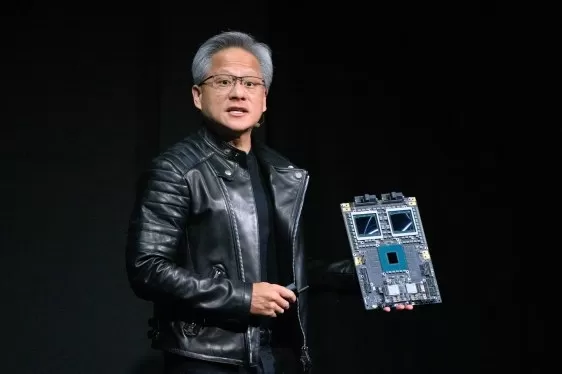 Nvidia quietly builds multibillion-dollar behemoth to rival chip business
Nvidia CEO Jensen Huang anticipated the market by over a decade, initiating work on AI-specific chips in 2010, long before the current AI boom. A parallel strategic move in 2020—bolstering data center networking through a key acquisition—has created
Nvidia quietly builds multibillion-dollar behemoth to rival chip business
Nvidia CEO Jensen Huang anticipated the market by over a decade, initiating work on AI-specific chips in 2010, long before the current AI boom. A parallel strategic move in 2020—bolstering data center networking through a key acquisition—has created
 Huawei to launch new AI chip in Q1 2027, challenging Nvidia
Huawei has accelerated the release of its next-generation Ascend 960DT AI processor to Q1 2027, aiming to compete directly with Nvidia, the company revealed at its Huawei Connect event on Thursday.Previously, the Chinese technology leader targeted a
Huawei to launch new AI chip in Q1 2027, challenging Nvidia
Huawei has accelerated the release of its next-generation Ascend 960DT AI processor to Q1 2027, aiming to compete directly with Nvidia, the company revealed at its Huawei Connect event on Thursday.Previously, the Chinese technology leader targeted a
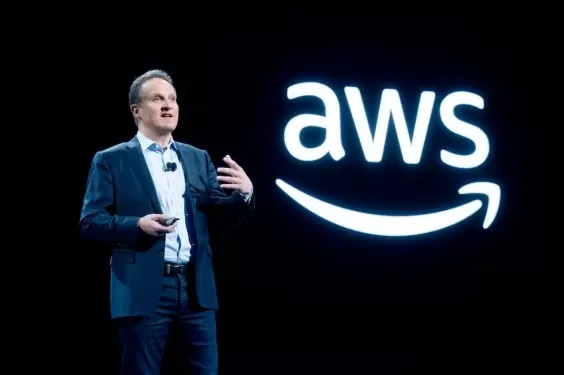 Amazon launches new $1 billion FDE org following OpenAI and Anthropic
As businesses grapple with AI integration, they are turning to external experts, prompting service providers to establish specialized teams to ensure successful implementation.On Tuesday, Amazon Web Services (AWS) announced a new internal unit dedica
Amazon launches new $1 billion FDE org following OpenAI and Anthropic
As businesses grapple with AI integration, they are turning to external experts, prompting service providers to establish specialized teams to ensure successful implementation.On Tuesday, Amazon Web Services (AWS) announced a new internal unit dedica

2026 Latest Best AI Lip-Sync Generators for Dialogue-Driven Character Animation and Motion Scenes! XIX.AI has curated a top-rated list of powerful, game-changing tools that deliver flawless synchronized lip movements for animated characters. Each option undergoes rigorous real-world tests to ensure reliability, and our weekly updated rankings help you find the must-try solution that boosts your animation workflow efficiency. Explore now to discover your perfect tool!
9 tools
xix.ai

2026 Latest Best Top-rated AI Social Reply Assistants for Brand Community Management! XIX.AI has curated a powerful game-changing collection of must-try tools, all going through rigorous real-world tests to deliver consistent top-quality results. You can find detailed free vs paid comparison insights and up-to-date weekly updated rankings here. Explore now to unlock your AI edge in efficient community management!
12 tools
xix.ai

2026 Latest Top-Rated AI Daily Planner Apps make creating realistic deep work schedules effortless. This curated list features powerful, game-changing tools that go through real-world tests to ensure accuracy and effectiveness. You’ll find a free vs paid comparison along with detailed rankings based on usability and results. XIX.AI is part of this trusted collection. Explore now to discover your perfect tool and unlock your AI edge for staying focused and productive every day.
11 tools
xix.ai

2026 Latest Best Top-rated AI Chart Builder Tools for Fast Reporting are here on XIX.AI! This curated list features powerful game-changing tools that deliver accurate professional charts with just a few clicks, helping you boost writing efficiency and streamline content creation. Get a free vs paid comparison along with real-world tests and detailed rankings to find the must-try solution for your needs. Explore now to unlock your AI edge!
9 tools
xix.ai

2026 Latest Best Top-rated AI Live Chat Routing Tools for Ecommerce Queues, VIP Buyers, and Return Requests. This curated list features powerful game-changing solutions that boost productivity dramatically through real-world tests. It includes a free vs paid comparison along with detailed rankings to help you find the perfect fit. XIX.AI stands out as a trusted provider in this space. Explore now to Unlock your AI edge!
9 tools
xix.ai

2026 Latest Best Top-Rated AI Editing Tools for ESL Writers are here on XIX.AI! This curated list features powerful game-changing tools that go through real-world tests to ensure accuracy. You can find a free vs paid comparison alongside detailed rankings to help you pick the must-try solution that boosts your writing tone, grammar, and flow perfectly. Explore now to Unlock your AI edge!
9 tools
xix.ai












