


 Home
Snap releases new SPECS AR smart glasses to accelerate spatial computing strategy
Snap, the social media and augmented reality giant, has officially announced the launch of SPECS, a wearable computing device with built-in transparent AR glasses. The move deepens its AI and spatial computing ecosystem into consumer hardware. Pre-orders are now open on SPECS.COM at $2,195, with a $200 refundable deposit to reserve a unit. The first batch is expected to ship in the US, UK, and France this autumn.

SPECS is the result of years of Snap’s research in display, optics, and computer vision, designed for everyday wear to seamlessly merge digital computing with the physical world. The hardware uses high-performance Swiss TR90 polymer and comes in 47mm and 52mm sizes, weighing 132 grams and 136 grams respectively, with support for removable prescription lenses.
Under the hood, SPECS features a rare dual Snapdragon processor: one handles high-speed gesture tracking for computer vision, while the other runs the AR app ecosystem. This dual-chip design, paired with Snap’s proprietary Snap OS, delivers an ultra-low response delay of just 7 milliseconds. Battery life reaches up to 4 hours under typical use, extendable to 20 hours with the charging case, providing stable power for AI assistants, audio and video interactions, and Bluetooth notifications.
Snap OS has undergone ten version updates over the past 18 months, unlocking over 40 new APIs, and developers have already built hundreds of Lens applications. Industry analysts note that the launch of SPECS not only highlights Snap’s full-stack AR expertise backed by over 7,000 patents, but also confirms that in the age of AI large models and multimodal interaction, tech giants are moving beyond traditional screens toward a more natural, human-centered “screenless” connection with the real world.
Related article
 Meta Wants Your Next Gadget to Be Muse-Infused
Meta’s Muse, an AI assistant that handles travel bookings, form submissions, and shopping, has gained widespread adoption, yet a new initiative may especially intrigue developers and hardware enthusiasts.On Friday, Meta unveiled Muse Gadgets, an open
Wan-Streamer v0.2 delivers ultra-low latency AI chat
As modern technology advances rapidly, human-AI interaction is becoming more common. Traditional video calls often struggle with lag, delays, and audio-visual desynchronization. Wan-Streamer v0.2, the latest release from Tongyi Lab, overcomes these c
Meta Joins TSMC and Micron to Equip New Servers with Old Memory
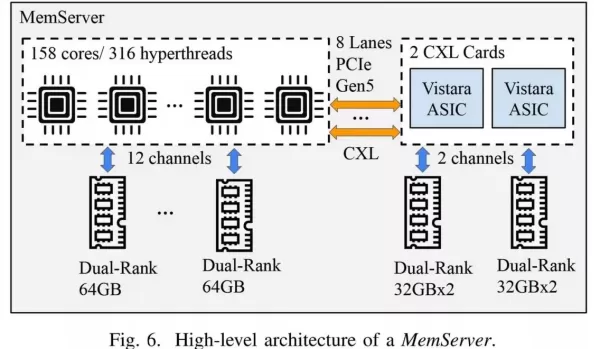
As artificial intelligence adoption accelerates worldwide, next-generation DDR5 memory is experiencing a critical supply shortage. To avoid delays in AI data center deployments, Meta has partnered with industry leaders like TSMC and Micron to enginee
Related Special Topic Recommendations
Design & Art
 Top AI Illustration Tools: Create Editorial Scenes and Cover Art Faster
2026 Latest Top-rated AI Illustration Tools: Our curated list features the best powerfully designed tools for creating stunning editorial scenes and eye-catching cover art quickly. Each option has gone through rigorous real-world tests, offering a free vs paid comparison to help you find the perfect match for your workflow. Try these must-try solutions today to unlock your AI edge and boost your creative productivity. Explore now at XIX.AI.
 10 tools
 xix.ai
Education and Learning
Top AI Tutors for Exam Prep: Practice Math, Science, and English
2026 Latest Top-Rated Best AI Tutors for Exam Prep are here on XIX.AI! Our curated list features powerful game-changing tools that offer free vs paid comparison, real-world tests, and weekly updated rankings. They help boost your writing efficiency, simplify complex topic learning, and unlock your academic potential. Explore now to Discover your perfect exam prep tool and Start creating today to Unlock your AI edge!
10 tools
xix.ai
Finance
AI Budget Planning Tools for Personal Money Management
2026 Latest Best Top-Rated AI Budget Planning Tools for Personal Money Management are here on XIX.AI! This curated collection features powerful, game-changing solutions that help you conduct real-world tests, understand spending habits, and create personalized plans to boost productivity. Enjoy a free vs paid comparison along with detailed rankings. Must-try tools designed to simplify money management and unlock your AI edge. Explore now!
11 tools
xix.ai
Health & Wellness
AI Sleep Tracking Assistants: Improve Recovery with Better Bedtime Habits
2026 Latest Best Top-Rated AI Sleep Tracking Assistants curated for ultimate recovery. This fully updated weekly guide features powerful tools that deliver real-world tests, free vs paid comparison, and detailed rankings to help you find the must-try solution that boosts sleep quality and supports better bedtime habits. Explore now at XIX.AI to Unlock your AI edge.
10 tools
xix.ai
Data Analysis
AI SQL Copilots for Product and Revenue Analytics
2026 Latest Best Top-Rated AI SQL Copilots for Product and Revenue Analytics! XIX.AI has curated a powerful, game-changing collection of must-try tools that undergo real-world tests through weekly updated rankings. These tools help users boost productivity significantly by accelerating data analysis, streamlining complex queries, and generating accurate insights to drive smarter business decisions. Explore now to Discover your perfect tool for unlocking your AI edge!
14 tools
xix.ai
Education and Learning
Best AI Homework Helpers That Teach: Learn Concepts, Not Just Answers
2026 Latest Best Top-Rated AI Homework Helpers That Teach Core Concepts Not Just Answers Powerful Tools for Students Must-Try Curated List Weekly Updated Free vs Paid Comparison Real-World Tests Accurate Rankings to Help You Unlock Your Full Learning Potential Explore now to Discover your perfect tool for smarter studying.
10 tools
xix.ai

 Comments (0)
0/500
Snap, the social media and augmented reality giant, has officially announced the launch of SPECS, a wearable computing device with built-in transparent AR glasses. The move deepens its AI and spatial computing ecosystem into consumer hardware. Pre-orders are now open on SPECS.COM at $2,195, with a $200 refundable deposit to reserve a unit. The first batch is expected to ship in the US, UK, and France this autumn.
SPECS is the result of years of Snap’s research in display, optics, and computer vision, designed for everyday wear to seamlessly merge digital computing with the physical world. The hardware uses high-performance Swiss TR90 polymer and comes in 47mm and 52mm sizes, weighing 132 grams and 136 grams respectively, with support for removable prescription lenses.
Under the hood, SPECS features a rare dual Snapdragon processor: one handles high-speed gesture tracking for computer vision, while the other runs the AR app ecosystem. This dual-chip design, paired with Snap’s proprietary Snap OS, delivers an ultra-low response delay of just 7 milliseconds. Battery life reaches up to 4 hours under typical use, extendable to 20 hours with the charging case, providing stable power for AI assistants, audio and video interactions, and Bluetooth notifications.
Snap OS has undergone ten version updates over the past 18 months, unlocking over 40 new APIs, and developers have already built hundreds of Lens applications. Industry analysts note that the launch of SPECS not only highlights Snap’s full-stack AR expertise backed by over 7,000 patents, but also confirms that in the age of AI large models and multimodal interaction, tech giants are moving beyond traditional screens toward a more natural, human-centered “screenless” connection with the real world.








 Meta Wants Your Next Gadget to Be Muse-Infused
Meta’s Muse, an AI assistant that handles travel bookings, form submissions, and shopping, has gained widespread adoption, yet a new initiative may especially intrigue developers and hardware enthusiasts.On Friday, Meta unveiled Muse Gadgets, an open
 Wan-Streamer v0.2 delivers ultra-low latency AI chat
As modern technology advances rapidly, human-AI interaction is becoming more common. Traditional video calls often struggle with lag, delays, and audio-visual desynchronization. Wan-Streamer v0.2, the latest release from Tongyi Lab, overcomes these c
 Meta Joins TSMC and Micron to Equip New Servers with Old Memory
As artificial intelligence adoption accelerates worldwide, next-generation DDR5 memory is experiencing a critical supply shortage. To avoid delays in AI data center deployments, Meta has partnered with industry leaders like TSMC and Micron to enginee

2026 Latest Top-rated AI Illustration Tools: Our curated list features the best powerfully designed tools for creating stunning editorial scenes and eye-catching cover art quickly. Each option has gone through rigorous real-world tests, offering a free vs paid comparison to help you find the perfect match for your workflow. Try these must-try solutions today to unlock your AI edge and boost your creative productivity. Explore now at XIX.AI.
10 tools
xix.ai

2026 Latest Top-Rated Best AI Tutors for Exam Prep are here on XIX.AI! Our curated list features powerful game-changing tools that offer free vs paid comparison, real-world tests, and weekly updated rankings. They help boost your writing efficiency, simplify complex topic learning, and unlock your academic potential. Explore now to Discover your perfect exam prep tool and Start creating today to Unlock your AI edge!
10 tools
xix.ai

2026 Latest Best Top-Rated AI Budget Planning Tools for Personal Money Management are here on XIX.AI! This curated collection features powerful, game-changing solutions that help you conduct real-world tests, understand spending habits, and create personalized plans to boost productivity. Enjoy a free vs paid comparison along with detailed rankings. Must-try tools designed to simplify money management and unlock your AI edge. Explore now!
11 tools
xix.ai

2026 Latest Best Top-Rated AI Sleep Tracking Assistants curated for ultimate recovery. This fully updated weekly guide features powerful tools that deliver real-world tests, free vs paid comparison, and detailed rankings to help you find the must-try solution that boosts sleep quality and supports better bedtime habits. Explore now at XIX.AI to Unlock your AI edge.
10 tools
xix.ai

2026 Latest Best Top-Rated AI SQL Copilots for Product and Revenue Analytics! XIX.AI has curated a powerful, game-changing collection of must-try tools that undergo real-world tests through weekly updated rankings. These tools help users boost productivity significantly by accelerating data analysis, streamlining complex queries, and generating accurate insights to drive smarter business decisions. Explore now to Discover your perfect tool for unlocking your AI edge!
14 tools
xix.ai

2026 Latest Best Top-Rated AI Homework Helpers That Teach Core Concepts Not Just Answers Powerful Tools for Students Must-Try Curated List Weekly Updated Free vs Paid Comparison Real-World Tests Accurate Rankings to Help You Unlock Your Full Learning Potential Explore now to Discover your perfect tool for smarter studying.
10 tools
xix.ai












