


 Home
Meta Joins TSMC and Micron to Equip New Servers with Old Memory
As artificial intelligence adoption accelerates worldwide, next-generation DDR5 memory is experiencing a critical supply shortage. To avoid delays in AI data center deployments, Meta has partnered with industry leaders like TSMC and Micron to engineer a breakthrough transitional solution.
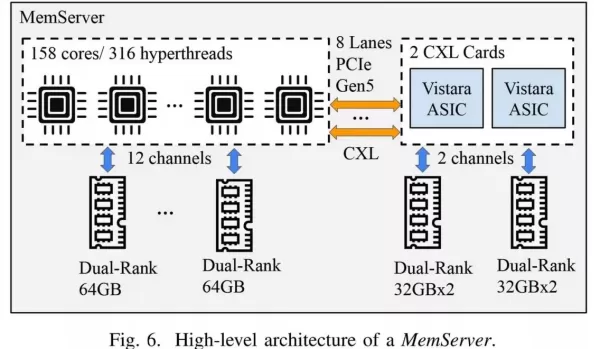
This innovation allows advanced AI servers, originally designed exclusively for DDR5, to operate seamlessly with older DDR4 modules. Dubbed a "Frankenstein" configuration, the system demonstrated remarkable stability in real-world tests, providing a viable escape route from the ongoing supply chain bottleneck.
Bridging the Hardware Divide
Backward compatibility between DDR5 and DDR4 is complicated by distinct differences in pin configurations, operating voltages, and power management architectures. To overcome these physical and electrical barriers, the collaborative team developed a specialized slot adapter that translates DDR5 protocol signals into control logic compatible with DDR4 at the hardware level.
While constrained by the inherent limits of older hardware, resulting in an approximate 30% bandwidth reduction, the system maintains excellent latency. Meta’s engineering team notes that this performance trade-off is negligible given the overwhelming demand for computational power.
Custom Solutions Disrupting Industry Norms
The primary advantage of this approach is enabling Meta to bypass DDR5 lead times and immediately activate idle AI servers. Industry experts commend this strategy, viewing it as a pivotal moment where major data center operators are breaking free from the rigid hardware iteration cycles dictated by chip manufacturers.
Although integrating legacy memory into modern platforms serves as a temporary fix, Meta’s initiative offers a crucial blueprint for the broader data center sector amid ongoing global uncertainties in memory pricing and availability.
Related article
 Wan-Streamer v0.2 delivers ultra-low latency AI chat
As modern technology advances rapidly, human-AI interaction is becoming more common. Traditional video calls often struggle with lag, delays, and audio-visual desynchronization. Wan-Streamer v0.2, the latest release from Tongyi Lab, overcomes these c
How Time Series Databases Power Real-Time Robotics Data
Doug Pagnutti of Tiger Data.Pagnutti serves as an industrial developer advocate at Tiger Data, supporting teams in building real-world industrial systems. With over 12 years of experience in oil and gas and manufacturing automation, he worked on PLCs
How to optimize SEO for Google Japan and Yahoo Japan?
Master Loom: Create and Share Professional Videos with AITable of ContentsIntroduction to LoomAccessing LoomRecording OptionsFull ScreenWindowCameraAudio and Sound QualityEditing and CustomizationBackground OptionsEditing the VideoAdding EffectsShari
Related Special Topic Recommendations
Design & Art
 Top AI Illustration Tools: Create Editorial Scenes and Cover Art Faster
2026 Latest Top-rated AI Illustration Tools: Our curated list features the best powerfully designed tools for creating stunning editorial scenes and eye-catching cover art quickly. Each option has gone through rigorous real-world tests, offering a free vs paid comparison to help you find the perfect match for your workflow. Try these must-try solutions today to unlock your AI edge and boost your creative productivity. Explore now at XIX.AI.
 10 tools
 xix.ai
Education and Learning
Top AI Tutors for Exam Prep: Practice Math, Science, and English
2026 Latest Top-Rated Best AI Tutors for Exam Prep are here on XIX.AI! Our curated list features powerful game-changing tools that offer free vs paid comparison, real-world tests, and weekly updated rankings. They help boost your writing efficiency, simplify complex topic learning, and unlock your academic potential. Explore now to Discover your perfect exam prep tool and Start creating today to Unlock your AI edge!
10 tools
xix.ai
Finance
AI Budget Planning Tools for Personal Money Management
2026 Latest Best Top-Rated AI Budget Planning Tools for Personal Money Management are here on XIX.AI! This curated collection features powerful, game-changing solutions that help you conduct real-world tests, understand spending habits, and create personalized plans to boost productivity. Enjoy a free vs paid comparison along with detailed rankings. Must-try tools designed to simplify money management and unlock your AI edge. Explore now!
11 tools
xix.ai
Health & Wellness
AI Sleep Tracking Assistants: Improve Recovery with Better Bedtime Habits
2026 Latest Best Top-Rated AI Sleep Tracking Assistants curated for ultimate recovery. This fully updated weekly guide features powerful tools that deliver real-world tests, free vs paid comparison, and detailed rankings to help you find the must-try solution that boosts sleep quality and supports better bedtime habits. Explore now at XIX.AI to Unlock your AI edge.
10 tools
xix.ai
Data Analysis
AI SQL Copilots for Product and Revenue Analytics
2026 Latest Best Top-Rated AI SQL Copilots for Product and Revenue Analytics! XIX.AI has curated a powerful, game-changing collection of must-try tools that undergo real-world tests through weekly updated rankings. These tools help users boost productivity significantly by accelerating data analysis, streamlining complex queries, and generating accurate insights to drive smarter business decisions. Explore now to Discover your perfect tool for unlocking your AI edge!
14 tools
xix.ai
Education and Learning
Best AI Homework Helpers That Teach: Learn Concepts, Not Just Answers
2026 Latest Best Top-Rated AI Homework Helpers That Teach Core Concepts Not Just Answers Powerful Tools for Students Must-Try Curated List Weekly Updated Free vs Paid Comparison Real-World Tests Accurate Rankings to Help You Unlock Your Full Learning Potential Explore now to Discover your perfect tool for smarter studying.
10 tools
xix.ai

 Comments (0)
0/500
As artificial intelligence adoption accelerates worldwide, next-generation DDR5 memory is experiencing a critical supply shortage. To avoid delays in AI data center deployments, Meta has partnered with industry leaders like TSMC and Micron to engineer a breakthrough transitional solution.
This innovation allows advanced AI servers, originally designed exclusively for DDR5, to operate seamlessly with older DDR4 modules. Dubbed a "Frankenstein" configuration, the system demonstrated remarkable stability in real-world tests, providing a viable escape route from the ongoing supply chain bottleneck.
Bridging the Hardware Divide
Backward compatibility between DDR5 and DDR4 is complicated by distinct differences in pin configurations, operating voltages, and power management architectures. To overcome these physical and electrical barriers, the collaborative team developed a specialized slot adapter that translates DDR5 protocol signals into control logic compatible with DDR4 at the hardware level.
While constrained by the inherent limits of older hardware, resulting in an approximate 30% bandwidth reduction, the system maintains excellent latency. Meta’s engineering team notes that this performance trade-off is negligible given the overwhelming demand for computational power.
Custom Solutions Disrupting Industry Norms
The primary advantage of this approach is enabling Meta to bypass DDR5 lead times and immediately activate idle AI servers. Industry experts commend this strategy, viewing it as a pivotal moment where major data center operators are breaking free from the rigid hardware iteration cycles dictated by chip manufacturers.
Although integrating legacy memory into modern platforms serves as a temporary fix, Meta’s initiative offers a crucial blueprint for the broader data center sector amid ongoing global uncertainties in memory pricing and availability.








 Wan-Streamer v0.2 delivers ultra-low latency AI chat
As modern technology advances rapidly, human-AI interaction is becoming more common. Traditional video calls often struggle with lag, delays, and audio-visual desynchronization. Wan-Streamer v0.2, the latest release from Tongyi Lab, overcomes these c
 How Time Series Databases Power Real-Time Robotics Data
Doug Pagnutti of Tiger Data.Pagnutti serves as an industrial developer advocate at Tiger Data, supporting teams in building real-world industrial systems. With over 12 years of experience in oil and gas and manufacturing automation, he worked on PLCs
 How to optimize SEO for Google Japan and Yahoo Japan?
Master Loom: Create and Share Professional Videos with AITable of ContentsIntroduction to LoomAccessing LoomRecording OptionsFull ScreenWindowCameraAudio and Sound QualityEditing and CustomizationBackground OptionsEditing the VideoAdding EffectsShari

2026 Latest Top-rated AI Illustration Tools: Our curated list features the best powerfully designed tools for creating stunning editorial scenes and eye-catching cover art quickly. Each option has gone through rigorous real-world tests, offering a free vs paid comparison to help you find the perfect match for your workflow. Try these must-try solutions today to unlock your AI edge and boost your creative productivity. Explore now at XIX.AI.
10 tools
xix.ai

2026 Latest Top-Rated Best AI Tutors for Exam Prep are here on XIX.AI! Our curated list features powerful game-changing tools that offer free vs paid comparison, real-world tests, and weekly updated rankings. They help boost your writing efficiency, simplify complex topic learning, and unlock your academic potential. Explore now to Discover your perfect exam prep tool and Start creating today to Unlock your AI edge!
10 tools
xix.ai

2026 Latest Best Top-Rated AI Budget Planning Tools for Personal Money Management are here on XIX.AI! This curated collection features powerful, game-changing solutions that help you conduct real-world tests, understand spending habits, and create personalized plans to boost productivity. Enjoy a free vs paid comparison along with detailed rankings. Must-try tools designed to simplify money management and unlock your AI edge. Explore now!
11 tools
xix.ai

2026 Latest Best Top-Rated AI Sleep Tracking Assistants curated for ultimate recovery. This fully updated weekly guide features powerful tools that deliver real-world tests, free vs paid comparison, and detailed rankings to help you find the must-try solution that boosts sleep quality and supports better bedtime habits. Explore now at XIX.AI to Unlock your AI edge.
10 tools
xix.ai

2026 Latest Best Top-Rated AI SQL Copilots for Product and Revenue Analytics! XIX.AI has curated a powerful, game-changing collection of must-try tools that undergo real-world tests through weekly updated rankings. These tools help users boost productivity significantly by accelerating data analysis, streamlining complex queries, and generating accurate insights to drive smarter business decisions. Explore now to Discover your perfect tool for unlocking your AI edge!
14 tools
xix.ai

2026 Latest Best Top-Rated AI Homework Helpers That Teach Core Concepts Not Just Answers Powerful Tools for Students Must-Try Curated List Weekly Updated Free vs Paid Comparison Real-World Tests Accurate Rankings to Help You Unlock Your Full Learning Potential Explore now to Discover your perfect tool for smarter studying.
10 tools
xix.ai












