

 Home
Rork’s founders were almost broke when a viral tweet led to $2.8M and a16z
From Broke to Breakthrough: The Rork Story
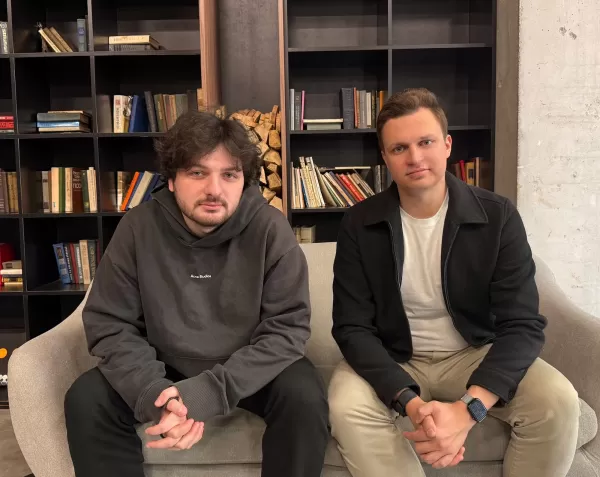
Levan Kvirkvelia and Daniel Dhawan’s journey reads like something straight out of a Hollywood script—but it’s real. Both founders have seen their fair share of struggles, from scraping together every penny to keep their dream alive to maxing out credit cards just to stay afloat. At one point, Dhawan was even couch-surfing at a friend’s place in San Francisco. Fast forward to today, and they’ve turned that desperation into something extraordinary: $100,000 in revenue in just five days.
It all started with a single tweet—a seemingly small moment that would set off a chain reaction leading to a $2.8 million seed round. Backed by heavy hitters like Andreessen Horowitz’s Speedrun program, Hustle Fund’s Elizabeth Yin, ChapterOne, Founders Inc., and more, Rork has become the talk of the tech world.
Rork itself is revolutionary. It lets anyone, regardless of technical expertise, build mobile apps using nothing but a simple text prompt. No coding required. Think of it as a game-changer for the app development industry.
The Journey to Virality
The road to success wasn’t easy. For months, Kvirkvelia and Dhawan worked tirelessly on their product, pivoting along the way. Their first attempt was a Cursor-like vibe coder aimed at non-technical users. However, when a competitor named Lovable launched and went viral overnight, the duo realized they needed to shift gears. Instead of chasing after Lovable’s success in web coding, they decided to double down on their roots and focus on mobile app development.
“It’s like 10 times harder to build a native mobile app than a web app,” Kvirkvelia told TechCrunch. And yet, they dove headfirst into creating something unprecedented—a vibe coder tailored specifically for mobile platforms.
Their timing couldn’t have been worse—or better. As they were finalizing their product, another rival, Bolt, entered the scene with its own mobile vibe coding solution. The founders braced themselves for another brush with failure, but fate had other plans.
One Tweet, Millions of Views
On February 12, they launched Rork with a humble tweet. It gained traction, but it wasn’t until February 24 that things truly exploded. That’s when Matt Shumer, an angel investor and co-founder of OthersideAI, took notice. In a viral X post, he praised Rork over Bolt, calling it a game-changer for app development. His post received over a million views, sending traffic—and usage—to Rork skyrocketing.
But here’s where the story gets wild. Despite the sudden influx of interest, the founders were strapped for cash. Each had accumulated $15,000 in credit card debt just to keep the lights on.
“We were paying for AI out of our own pockets because we hadn’t raised much funding,” Dhawan recalled. “We were almost out of money. Then, 15 minutes after Shumer’s tweet, Austen Allred invested $100,000.”
By the end of the day, they’d secured $350,000 in commitments from various investors. It was a lifeline they desperately needed.
A New Beginning
The breakthrough didn’t stop there. Following the viral buzz, Andrew Chen from Andreessen Horowitz reached out. Initially, Dhawan hesitated due to a pre-existing term sheet from another firm. Undeterred, Chen crafted a competing offer within weeks, sealing the deal. The founders joined the Speedrun program, which offers valuable resources like $5 million in credits from AWS, Google Cloud, OpenAI, and others.
For Dhawan personally, the financial turnaround has been immense. Just two months after Shumer’s viral tweet, the team hit $550,000 in annual recurring revenue (ARR). He’s moved out of his temporary accommodations and now lives in his own place.
Looking Ahead
Rork isn’t just about survival—it’s about redefining what’s possible in app development. With its unique approach and growing user base, the future looks bright. For Kvirkvelia and Dhawan, this is only the beginning.
As they continue to grow and innovate, one thing remains clear: their grit, determination, and ability to adapt have turned adversity into opportunity.
Related article
 Stripe to Acquire OpenRouter as AI Model Routing Gains Momentum
Stripe has agreed to acquire OpenRouter, an AI model-routing platform that gives developers access to hundreds of models through a single interface. The deal adds model selection and routing to Stripe’s existing work around AI usage and token-based b
Former OpenAI Researcher Barrett Zoph Returns to Google to Support Gemini Development
Barret Zoph, who previously abruptly left and joined OpenAI due to a disagreement with Thinking Machines Lab CEO Miriam Mularati, has once again changed employers. Alphabet's Google announced that Zoph will return as Vice President of Research, bring
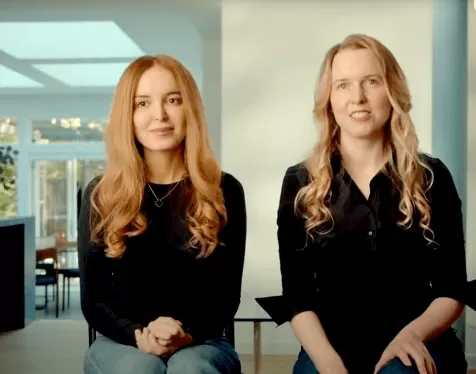
How Recursive Intelligence Raised $335M at $4B Valuation in 4 Months
The co-founders of startup Ricursive Intelligence seemed destined to be co-founders.Anna Goldie, CEO, and Azalia Mirhoseini, CTO, are so well-known in the AI community that they were among those AI engineers who “got those weird emails from Zuckerber
Related Special Topic Recommendations
Design & Art
 Top AI Illustration Tools: Create Editorial Scenes and Cover Art Faster
2026 Latest Top-rated AI Illustration Tools: Our curated list features the best powerfully designed tools for creating stunning editorial scenes and eye-catching cover art quickly. Each option has gone through rigorous real-world tests, offering a free vs paid comparison to help you find the perfect match for your workflow. Try these must-try solutions today to unlock your AI edge and boost your creative productivity. Explore now at XIX.AI.
 10 tools
 xix.ai
Education and Learning
Top AI Tutors for Exam Prep: Practice Math, Science, and English
2026 Latest Top-Rated Best AI Tutors for Exam Prep are here on XIX.AI! Our curated list features powerful game-changing tools that offer free vs paid comparison, real-world tests, and weekly updated rankings. They help boost your writing efficiency, simplify complex topic learning, and unlock your academic potential. Explore now to Discover your perfect exam prep tool and Start creating today to Unlock your AI edge!
10 tools
xix.ai
Finance
AI Budget Planning Tools for Personal Money Management
2026 Latest Best Top-Rated AI Budget Planning Tools for Personal Money Management are here on XIX.AI! This curated collection features powerful, game-changing solutions that help you conduct real-world tests, understand spending habits, and create personalized plans to boost productivity. Enjoy a free vs paid comparison along with detailed rankings. Must-try tools designed to simplify money management and unlock your AI edge. Explore now!
11 tools
xix.ai
Health & Wellness
AI Sleep Tracking Assistants: Improve Recovery with Better Bedtime Habits
2026 Latest Best Top-Rated AI Sleep Tracking Assistants curated for ultimate recovery. This fully updated weekly guide features powerful tools that deliver real-world tests, free vs paid comparison, and detailed rankings to help you find the must-try solution that boosts sleep quality and supports better bedtime habits. Explore now at XIX.AI to Unlock your AI edge.
10 tools
xix.ai
Data Analysis
AI SQL Copilots for Product and Revenue Analytics
2026 Latest Best Top-Rated AI SQL Copilots for Product and Revenue Analytics! XIX.AI has curated a powerful, game-changing collection of must-try tools that undergo real-world tests through weekly updated rankings. These tools help users boost productivity significantly by accelerating data analysis, streamlining complex queries, and generating accurate insights to drive smarter business decisions. Explore now to Discover your perfect tool for unlocking your AI edge!
14 tools
xix.ai
Education and Learning
Best AI Homework Helpers That Teach: Learn Concepts, Not Just Answers
2026 Latest Best Top-Rated AI Homework Helpers That Teach Core Concepts Not Just Answers Powerful Tools for Students Must-Try Curated List Weekly Updated Free vs Paid Comparison Real-World Tests Accurate Rankings to Help You Unlock Your Full Learning Potential Explore now to Discover your perfect tool for smarter studying.
10 tools
xix.ai

 Comments (4)
0/500
![HarryNelson]()
這故事根本在演電影吧!從破產邊緣到拿2.8M美元投資,只能說運氣也是實力的一部分😂 不過好奇他們tweet到底寫了什麼這麼神?該不會是#窮到吃土求轉發 之類的?
![TerryAdams]()
C'est fou comment un simple tweet peut tout changer ! L'histoire de Rork montre que la persévérance et un coup de chance peuvent faire des miracles. Mais franchement, est-ce que n'importe qui peut coder une app comme ça ? 😅 J'aimerais voir plus de détails sur leur tech !
![DonaldAdams]()
這故事太誇張了吧!從破產邊緣到280萬美元融資,簡直像電影劇本!Rork的AI建app點子真酷,感覺未來每個人都能輕鬆做應用程式了!😎 只是希望他們別忘了初心,別被大錢沖昏頭!
![WillPerez]()
What a wild ride for Rork’s founders! From broke to $2.8M just because of a tweet? That’s the kind of startup story that makes you believe in miracles. 🚀
From Broke to Breakthrough: The Rork Story
Levan Kvirkvelia and Daniel Dhawan’s journey reads like something straight out of a Hollywood script—but it’s real. Both founders have seen their fair share of struggles, from scraping together every penny to keep their dream alive to maxing out credit cards just to stay afloat. At one point, Dhawan was even couch-surfing at a friend’s place in San Francisco. Fast forward to today, and they’ve turned that desperation into something extraordinary: $100,000 in revenue in just five days. It all started with a single tweet—a seemingly small moment that would set off a chain reaction leading to a $2.8 million seed round. Backed by heavy hitters like Andreessen Horowitz’s Speedrun program, Hustle Fund’s Elizabeth Yin, ChapterOne, Founders Inc., and more, Rork has become the talk of the tech world. Rork itself is revolutionary. It lets anyone, regardless of technical expertise, build mobile apps using nothing but a simple text prompt. No coding required. Think of it as a game-changer for the app development industry.The Journey to Virality
The road to success wasn’t easy. For months, Kvirkvelia and Dhawan worked tirelessly on their product, pivoting along the way. Their first attempt was a Cursor-like vibe coder aimed at non-technical users. However, when a competitor named Lovable launched and went viral overnight, the duo realized they needed to shift gears. Instead of chasing after Lovable’s success in web coding, they decided to double down on their roots and focus on mobile app development. “It’s like 10 times harder to build a native mobile app than a web app,” Kvirkvelia told TechCrunch. And yet, they dove headfirst into creating something unprecedented—a vibe coder tailored specifically for mobile platforms. Their timing couldn’t have been worse—or better. As they were finalizing their product, another rival, Bolt, entered the scene with its own mobile vibe coding solution. The founders braced themselves for another brush with failure, but fate had other plans.One Tweet, Millions of Views
On February 12, they launched Rork with a humble tweet. It gained traction, but it wasn’t until February 24 that things truly exploded. That’s when Matt Shumer, an angel investor and co-founder of OthersideAI, took notice. In a viral X post, he praised Rork over Bolt, calling it a game-changer for app development. His post received over a million views, sending traffic—and usage—to Rork skyrocketing. But here’s where the story gets wild. Despite the sudden influx of interest, the founders were strapped for cash. Each had accumulated $15,000 in credit card debt just to keep the lights on. “We were paying for AI out of our own pockets because we hadn’t raised much funding,” Dhawan recalled. “We were almost out of money. Then, 15 minutes after Shumer’s tweet, Austen Allred invested $100,000.” By the end of the day, they’d secured $350,000 in commitments from various investors. It was a lifeline they desperately needed.A New Beginning
The breakthrough didn’t stop there. Following the viral buzz, Andrew Chen from Andreessen Horowitz reached out. Initially, Dhawan hesitated due to a pre-existing term sheet from another firm. Undeterred, Chen crafted a competing offer within weeks, sealing the deal. The founders joined the Speedrun program, which offers valuable resources like $5 million in credits from AWS, Google Cloud, OpenAI, and others. For Dhawan personally, the financial turnaround has been immense. Just two months after Shumer’s viral tweet, the team hit $550,000 in annual recurring revenue (ARR). He’s moved out of his temporary accommodations and now lives in his own place.Looking Ahead
Rork isn’t just about survival—it’s about redefining what’s possible in app development. With its unique approach and growing user base, the future looks bright. For Kvirkvelia and Dhawan, this is only the beginning. As they continue to grow and innovate, one thing remains clear: their grit, determination, and ability to adapt have turned adversity into opportunity.








 Stripe to Acquire OpenRouter as AI Model Routing Gains Momentum
Stripe has agreed to acquire OpenRouter, an AI model-routing platform that gives developers access to hundreds of models through a single interface. The deal adds model selection and routing to Stripe’s existing work around AI usage and token-based b
 Former OpenAI Researcher Barrett Zoph Returns to Google to Support Gemini Development
Barret Zoph, who previously abruptly left and joined OpenAI due to a disagreement with Thinking Machines Lab CEO Miriam Mularati, has once again changed employers. Alphabet's Google announced that Zoph will return as Vice President of Research, bring
 How Recursive Intelligence Raised $335M at $4B Valuation in 4 Months
The co-founders of startup Ricursive Intelligence seemed destined to be co-founders.Anna Goldie, CEO, and Azalia Mirhoseini, CTO, are so well-known in the AI community that they were among those AI engineers who “got those weird emails from Zuckerber

2026 Latest Top-rated AI Illustration Tools: Our curated list features the best powerfully designed tools for creating stunning editorial scenes and eye-catching cover art quickly. Each option has gone through rigorous real-world tests, offering a free vs paid comparison to help you find the perfect match for your workflow. Try these must-try solutions today to unlock your AI edge and boost your creative productivity. Explore now at XIX.AI.
10 tools
xix.ai

2026 Latest Top-Rated Best AI Tutors for Exam Prep are here on XIX.AI! Our curated list features powerful game-changing tools that offer free vs paid comparison, real-world tests, and weekly updated rankings. They help boost your writing efficiency, simplify complex topic learning, and unlock your academic potential. Explore now to Discover your perfect exam prep tool and Start creating today to Unlock your AI edge!
10 tools
xix.ai

2026 Latest Best Top-Rated AI Budget Planning Tools for Personal Money Management are here on XIX.AI! This curated collection features powerful, game-changing solutions that help you conduct real-world tests, understand spending habits, and create personalized plans to boost productivity. Enjoy a free vs paid comparison along with detailed rankings. Must-try tools designed to simplify money management and unlock your AI edge. Explore now!
11 tools
xix.ai
2026 Latest Best Top-Rated AI Sleep Tracking Assistants curated for ultimate recovery. This fully updated weekly guide features powerful tools that deliver real-world tests, free vs paid comparison, and detailed rankings to help you find the must-try solution that boosts sleep quality and supports better bedtime habits. Explore now at XIX.AI to Unlock your AI edge.
10 tools
xix.ai
2026 Latest Best Top-Rated AI SQL Copilots for Product and Revenue Analytics! XIX.AI has curated a powerful, game-changing collection of must-try tools that undergo real-world tests through weekly updated rankings. These tools help users boost productivity significantly by accelerating data analysis, streamlining complex queries, and generating accurate insights to drive smarter business decisions. Explore now to Discover your perfect tool for unlocking your AI edge!
14 tools
xix.ai

2026 Latest Best Top-Rated AI Homework Helpers That Teach Core Concepts Not Just Answers Powerful Tools for Students Must-Try Curated List Weekly Updated Free vs Paid Comparison Real-World Tests Accurate Rankings to Help You Unlock Your Full Learning Potential Explore now to Discover your perfect tool for smarter studying.
10 tools
xix.ai

這故事根本在演電影吧!從破產邊緣到拿2.8M美元投資,只能說運氣也是實力的一部分😂 不過好奇他們tweet到底寫了什麼這麼神?該不會是#窮到吃土求轉發 之類的?
C'est fou comment un simple tweet peut tout changer ! L'histoire de Rork montre que la persévérance et un coup de chance peuvent faire des miracles. Mais franchement, est-ce que n'importe qui peut coder une app comme ça ? 😅 J'aimerais voir plus de détails sur leur tech !
這故事太誇張了吧!從破產邊緣到280萬美元融資,簡直像電影劇本!Rork的AI建app點子真酷,感覺未來每個人都能輕鬆做應用程式了!😎 只是希望他們別忘了初心,別被大錢沖昏頭!
What a wild ride for Rork’s founders! From broke to $2.8M just because of a tweet? That’s the kind of startup story that makes you believe in miracles. 🚀