Home
HomeAI-Powered Image Analysis Transforms Visual Diagnostics with Breakthrough Precision
Artificial Intelligence is revolutionizing healthcare by introducing advanced visual diagnostic capabilities through image analysis technology. This innovative approach enables patients to capture medical-grade images using their smartphones, with AI-driven guidance ensuring optimal image quality and consistency for remote clinical assessment. The integration of AI tools empowers healthcare providers to enhance diagnostic accuracy and expand access to medical evaluations beyond traditional in-person examinations.
Key Highlights
AI-powered visual diagnostics enhances and accelerates traditional diagnostic processes
Smartphone cameras become valuable clinical tools for medical image capture
Intelligent guidance systems ensure consistent, diagnostic-quality image collection
Remote diagnostic capabilities expand through AI-assisted image interpretation
Addressing image consistency challenges is essential for reliable AI analysis
Medical professional collaboration ensures clinically relevant AI training and implementation
The Evolution of AI in Visual Diagnostics
Transforming Patient Care Through Intelligent Image Analysis
The healthcare landscape is undergoing a digital revolution where smartphone cameras, combined with AI technology, are creating new pathways for medical diagnosis. These advanced systems guide patients through professional-quality image capture processes, ensuring clinicians receive standardized, diagnostically useful visual data. This breakthrough is particularly valuable for remote consultations, follow-up monitoring, and situations where in-person examination proves challenging.

Visual diagnostic AI offers numerous advantages, from detecting subtle abnormalities that might escape human observation to providing immediate preliminary assessments. This technology demonstrates particular effectiveness in dermatology, wound care, and musculoskeletal evaluations, where visual inspection forms a critical component of the diagnostic process.
The system's workflow exemplifies this transformation:
- AI-guided image capture ensures proper lighting, angle and focus
- Automated quality control filters suboptimal images in real-time
- Intelligent analysis highlights clinically relevant features
- Secure data transmission maintains patient confidentiality
Smartphone Integration in Clinical Practice
Democratizing Medical Imaging Through Mobile Technology
The widespread adoption of high-quality smartphone cameras presents unprecedented opportunities for medical diagnostics. These ubiquitous devices are being transformed into powerful diagnostic tools when paired with specialized AI applications that standardize the image capture process. The system compensates for variables like lighting conditions and camera distance while providing real-time feedback to users about image suitability.
Key components of effective mobile medical imaging include:
- Interactive tutorials demonstrating proper image capture techniques
- Automated quality assessment algorithms
- Standardized imaging protocols for different clinical scenarios
- Secure cloud-based storage and sharing capabilities
For healthcare providers, this technology translates to richer visual data during telemedicine consultations and more informed decision-making. Patients benefit from increased convenience while maintaining diagnostic accuracy - particularly valuable for those in rural areas or with mobility limitations.
Overcoming Implementation Challenges
Ensuring Diagnostic Reliability in AI-Assisted Imaging
While promising, AI visual diagnostics faces several implementation challenges that require careful attention. Image consistency remains paramount - variations in lighting, angle, or patient positioning can significantly impact diagnostic accuracy. Advanced computer vision algorithms incorporate multiple safeguards:
- Real-time illumination assessment and correction
- Automated perspective normalization
- Color calibration against reference standards
- Multi-angle image verification
The human element proves equally crucial. Medical professionals must collaborate closely with technology developers to ensure AI systems align with clinical needs. This partnership should focus on:
- Curating diverse, representative training datasets
- Establishing standardized imaging protocols
- Developing clinician-friendly result presentation
- Creating feedback mechanisms for continuous improvement
Optimizing Telehealth Through Imaging Standards
Bridging Clinical and Photographic Expertise
Effective telehealth diagnostics require merging medical knowledge with photographic principles. Healthcare providers accustomed to three-dimensional, hands-on examinations must adapt to two-dimensional image interpretation. Establishing a shared visual language between patients and clinicians ensures diagnostic consistency.
Critical photographic parameters include:
Parameter Clinical Importance Optimal Standards Lighting Reveals true coloration and texture Even, diffuse illumination Angle Shows anatomical relationships Multiple standardized views Distance Maintains proper scale Includes reference objects Focus Ensures diagnostic clarity Autofocus with manual override
Specialty-specific guidelines further refine these standards. Dermatologists may require different imaging parameters than orthopedists, underscoring the importance of customized protocols for various medical disciplines.
Clinical Integration Workflow
Structured Process for AI-Assisted Visual Diagnosis
The implementation of visual diagnostic AI follows a methodical workflow designed to maximize clinical utility while safeguarding patient data. This structured approach ensures reliable results that clinicians can confidently incorporate into their decision-making processes.
Stage Key Activities Quality Controls Image Capture Guided patient photography with AI assistance Real-time quality validation Data Transmission Secure encrypted upload to clinical systems HIPAA-compliant protocols AI Processing Algorithmic feature detection and analysis Calibration against gold standards Clinical Review Physician interpretation with AI inputs Highlighted areas of interest Diagnosis & Plan Integrated clinical decision-making Documented rationale
Advantages and Considerations
Benefits of AI Visual Diagnostics
Increased diagnostic accuracy through enhanced visualization
Expanded healthcare access for remote populations
Reduced time-to-diagnosis through rapid image analysis
Standardized documentation for longitudinal tracking
Cost-effective alternative to specialized imaging in appropriate cases
Implementation Challenges
Variable image quality based on patient compliance and device capabilities
Need for ongoing clinician training on AI interpretation
Regulatory compliance for medical device software
Integration with existing electronic health record systems
Liability and malpractice considerations
Common Questions
How does AI visual diagnostics maintain patient privacy?
The system employs end-to-end encryption with strict access controls, complying with HIPAA and other healthcare privacy regulations. Data anonymization protocols and audit trails further protect sensitive health information throughout the diagnostic process.
Which medical specialties benefit most from this technology?
Visual-centric specialties like dermatology, ophthalmology, and wound care demonstrate particular suitability. The technology also shows promise in orthopedics (posture assessment), physical therapy (movement tracking), and remote post-operative monitoring across various surgical disciplines.
How does the system account for diverse patient characteristics?
AI models train on comprehensive datasets representing various skin tones, body types, and age groups. Continuous learning algorithms incorporate new cases to improve performance across diverse populations, while clinically validated guardrails prevent inappropriate generalization.
Related Considerations
Ethical Implementation of Diagnostic AI
Responsible deployment requires addressing potential algorithm bias through diverse training data, maintaining appropriate human oversight, and ensuring transparent performance documentation. Clinical validation studies should demonstrate comparable or superior performance to conventional diagnostic methods before widespread adoption.
Related article
 OpenAI outlines AI economy with public wealth funds, robot taxes, and four-day week
As governments struggle to manage the economic impact of superintelligent machines, OpenAI has released a set of policy proposals outlining how wealth and work could be reshaped in an "intelligence age." The ideas blend traditional left-leaning mecha
Google Unveils Gemini Notebooks, Merging NotebookLM with Personal Knowledge Base
Google recently launched a "Notebooks" feature for Gemini, designed to help users manage complex projects by creating a personalized knowledge base. This update bridges the data gap between Gemini and the AI research assistant NotebookLM, marking a k
Luma AI unveils Uni-1 autoregressive model that generates text and pixels simultaneously
Luma Labs launched its image generation model Uni-1 on March 23, marking the company's first publicly available model built on the Unified Intelligence architecture. Free trial access is now open on the official website, with API pricing announced an
Related Special Topic Recommendations
Productivity
OpenAI outlines AI economy with public wealth funds, robot taxes, and four-day week
As governments struggle to manage the economic impact of superintelligent machines, OpenAI has released a set of policy proposals outlining how wealth and work could be reshaped in an "intelligence age." The ideas blend traditional left-leaning mecha
Google Unveils Gemini Notebooks, Merging NotebookLM with Personal Knowledge Base
Google recently launched a "Notebooks" feature for Gemini, designed to help users manage complex projects by creating a personalized knowledge base. This update bridges the data gap between Gemini and the AI research assistant NotebookLM, marking a k
Luma AI unveils Uni-1 autoregressive model that generates text and pixels simultaneously
Luma Labs launched its image generation model Uni-1 on March 23, marking the company's first publicly available model built on the Unified Intelligence architecture. Free trial access is now open on the official website, with API pricing announced an
Related Special Topic Recommendations
Productivity
 AI Personal Wellness & Focus Coaches: Manage Burnout & Boost Mental Energy Levels
Discover the 2026 best AI personal wellness and focus coaches on XIX.AI. Our curated rankings feature top-rated, game-changing tools to manage burnout and boost mental energy. Compare free vs paid options with real-world insights. Unlock your path to peak productivity and well-being today.
 10 tools
 xix.ai
chatbot
Top-Rated AI Romantic Chatbots: Build Long-Term Relationships with Consistent Personalities
xix.ai
chatbot
Top-Rated AI Romantic Chatbots: Build Long-Term Relationships with Consistent Personalities
Discover the 2026 latest top-rated AI romantic chatbots for building genuine, long-term connections. Our curated list features powerful, consistent personalities, free vs paid comparisons, and real-world tests. Find your perfect companion and start building today at XIX.AI.
10 tools
xix.ai
Education and Learning
Best AI Data Science Mentors: Master SQL, Pandas & Machine Learning Workflows
Discover the 2026 best AI data science mentors to master SQL, Pandas & ML workflows. Explore our top-rated, curated selection at XIX.AI for powerful, game-changing guidance. Compare free vs paid options with real-world insights. Unlock your data science mastery today.
10 tools
xix.ai
chatbot
Best AI Flirting & Conversation Trainers: Improve Social Charisma and Confidence in Real-Time
Discover the 2026 best AI flirting and conversation trainers on XIX.AI. Our curated, top-rated selection helps you build social charisma and confidence in real-time. Explore must-try, game-changing tools with free vs paid comparisons and weekly updated rankings. Unlock your social edge today.
10 tools
xix.ai
code
Best AI Tools for Automated Unit Testing: Generate Jest, PyTest & JUnit Test Cases in One Click
Discover the 2026 latest top-rated AI tools for automated unit testing. Our curated selection features powerful, game-changing solutions to generate Jest, PyTest & JUnit test cases instantly. Compare free vs paid options with real-world tests and weekly updated rankings on XIX.AI. Unlock your AI edge and boost development productivity today.
10 tools
xix.ai
Data Analysis
Best AI Data Visualization Tools: Auto-Generate Interactive BI Dashboards from Raw Files
Discover the 2026 best AI data visualization tools at XIX.AI. Our curated, top-rated selection helps you auto-generate powerful, interactive BI dashboards from raw files instantly. Compare free vs paid options with real-world tests and weekly updated rankings. Unlock your data's potential today.
10 tools
xix.ai

 Comments (2)
0/500
Comments (2)
0/500
![RalphSanchez]()
스마트폰으로 자기 건강을 체크할 수 있다고? 이것 좀 멋진데. 🤩 제 엄마가 주기적으로 병원 가는걸 귀찮아하셔서 이런 기술이 보편화되면 정말 좋겠어요. 하지만 정밀도는 어떻게 보장하죠? 데이터 보안 문제도 좀 걱정이 되네요. AI 의료 기술이 진짜 일상화되려면 아직 갈 길이 멀어 보여요.
![TimothyWilliams]()
Finally an AI that actually understands blurry phone pics 😅 My dermatologist would be out of a job if I could just snap a pic of my weird mole! But seriously, this could be huge for rural areas with limited healthcare access.
Artificial Intelligence is revolutionizing healthcare by introducing advanced visual diagnostic capabilities through image analysis technology. This innovative approach enables patients to capture medical-grade images using their smartphones, with AI-driven guidance ensuring optimal image quality and consistency for remote clinical assessment. The integration of AI tools empowers healthcare providers to enhance diagnostic accuracy and expand access to medical evaluations beyond traditional in-person examinations.
Key Highlights
AI-powered visual diagnostics enhances and accelerates traditional diagnostic processes
Smartphone cameras become valuable clinical tools for medical image capture
Intelligent guidance systems ensure consistent, diagnostic-quality image collection
Remote diagnostic capabilities expand through AI-assisted image interpretation
Addressing image consistency challenges is essential for reliable AI analysis
Medical professional collaboration ensures clinically relevant AI training and implementation
The Evolution of AI in Visual Diagnostics
Transforming Patient Care Through Intelligent Image Analysis
The healthcare landscape is undergoing a digital revolution where smartphone cameras, combined with AI technology, are creating new pathways for medical diagnosis. These advanced systems guide patients through professional-quality image capture processes, ensuring clinicians receive standardized, diagnostically useful visual data. This breakthrough is particularly valuable for remote consultations, follow-up monitoring, and situations where in-person examination proves challenging.
Visual diagnostic AI offers numerous advantages, from detecting subtle abnormalities that might escape human observation to providing immediate preliminary assessments. This technology demonstrates particular effectiveness in dermatology, wound care, and musculoskeletal evaluations, where visual inspection forms a critical component of the diagnostic process.
The system's workflow exemplifies this transformation:
- AI-guided image capture ensures proper lighting, angle and focus
- Automated quality control filters suboptimal images in real-time
- Intelligent analysis highlights clinically relevant features
- Secure data transmission maintains patient confidentiality
Smartphone Integration in Clinical Practice
Democratizing Medical Imaging Through Mobile Technology
The widespread adoption of high-quality smartphone cameras presents unprecedented opportunities for medical diagnostics. These ubiquitous devices are being transformed into powerful diagnostic tools when paired with specialized AI applications that standardize the image capture process. The system compensates for variables like lighting conditions and camera distance while providing real-time feedback to users about image suitability.
Key components of effective mobile medical imaging include:
- Interactive tutorials demonstrating proper image capture techniques
- Automated quality assessment algorithms
- Standardized imaging protocols for different clinical scenarios
- Secure cloud-based storage and sharing capabilities
For healthcare providers, this technology translates to richer visual data during telemedicine consultations and more informed decision-making. Patients benefit from increased convenience while maintaining diagnostic accuracy - particularly valuable for those in rural areas or with mobility limitations.
Overcoming Implementation Challenges
Ensuring Diagnostic Reliability in AI-Assisted Imaging
While promising, AI visual diagnostics faces several implementation challenges that require careful attention. Image consistency remains paramount - variations in lighting, angle, or patient positioning can significantly impact diagnostic accuracy. Advanced computer vision algorithms incorporate multiple safeguards:
- Real-time illumination assessment and correction
- Automated perspective normalization
- Color calibration against reference standards
- Multi-angle image verification
The human element proves equally crucial. Medical professionals must collaborate closely with technology developers to ensure AI systems align with clinical needs. This partnership should focus on:
- Curating diverse, representative training datasets
- Establishing standardized imaging protocols
- Developing clinician-friendly result presentation
- Creating feedback mechanisms for continuous improvement
Optimizing Telehealth Through Imaging Standards
Bridging Clinical and Photographic Expertise
Effective telehealth diagnostics require merging medical knowledge with photographic principles. Healthcare providers accustomed to three-dimensional, hands-on examinations must adapt to two-dimensional image interpretation. Establishing a shared visual language between patients and clinicians ensures diagnostic consistency.
Critical photographic parameters include:
| Parameter | Clinical Importance | Optimal Standards |
|---|---|---|
| Lighting | Reveals true coloration and texture | Even, diffuse illumination |
| Angle | Shows anatomical relationships | Multiple standardized views |
| Distance | Maintains proper scale | Includes reference objects |
| Focus | Ensures diagnostic clarity | Autofocus with manual override |
Specialty-specific guidelines further refine these standards. Dermatologists may require different imaging parameters than orthopedists, underscoring the importance of customized protocols for various medical disciplines.
Clinical Integration Workflow
Structured Process for AI-Assisted Visual Diagnosis
The implementation of visual diagnostic AI follows a methodical workflow designed to maximize clinical utility while safeguarding patient data. This structured approach ensures reliable results that clinicians can confidently incorporate into their decision-making processes.
| Stage | Key Activities | Quality Controls |
|---|---|---|
| Image Capture | Guided patient photography with AI assistance | Real-time quality validation |
| Data Transmission | Secure encrypted upload to clinical systems | HIPAA-compliant protocols |
| AI Processing | Algorithmic feature detection and analysis | Calibration against gold standards |
| Clinical Review | Physician interpretation with AI inputs | Highlighted areas of interest |
| Diagnosis & Plan | Integrated clinical decision-making | Documented rationale |
Advantages and Considerations
Benefits of AI Visual Diagnostics
Increased diagnostic accuracy through enhanced visualization
Expanded healthcare access for remote populations
Reduced time-to-diagnosis through rapid image analysis
Standardized documentation for longitudinal tracking
Cost-effective alternative to specialized imaging in appropriate cases
Implementation Challenges
Variable image quality based on patient compliance and device capabilities
Need for ongoing clinician training on AI interpretation
Regulatory compliance for medical device software
Integration with existing electronic health record systems
Liability and malpractice considerations
Common Questions
How does AI visual diagnostics maintain patient privacy?
The system employs end-to-end encryption with strict access controls, complying with HIPAA and other healthcare privacy regulations. Data anonymization protocols and audit trails further protect sensitive health information throughout the diagnostic process.
Which medical specialties benefit most from this technology?
Visual-centric specialties like dermatology, ophthalmology, and wound care demonstrate particular suitability. The technology also shows promise in orthopedics (posture assessment), physical therapy (movement tracking), and remote post-operative monitoring across various surgical disciplines.
How does the system account for diverse patient characteristics?
AI models train on comprehensive datasets representing various skin tones, body types, and age groups. Continuous learning algorithms incorporate new cases to improve performance across diverse populations, while clinically validated guardrails prevent inappropriate generalization.
Related Considerations
Ethical Implementation of Diagnostic AI
Responsible deployment requires addressing potential algorithm bias through diverse training data, maintaining appropriate human oversight, and ensuring transparent performance documentation. Clinical validation studies should demonstrate comparable or superior performance to conventional diagnostic methods before widespread adoption.








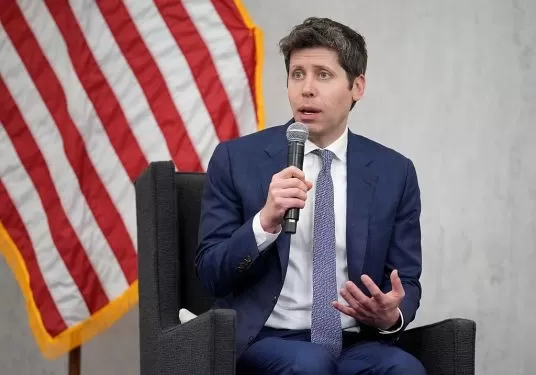 OpenAI outlines AI economy with public wealth funds, robot taxes, and four-day week
As governments struggle to manage the economic impact of superintelligent machines, OpenAI has released a set of policy proposals outlining how wealth and work could be reshaped in an "intelligence age." The ideas blend traditional left-leaning mecha
OpenAI outlines AI economy with public wealth funds, robot taxes, and four-day week
As governments struggle to manage the economic impact of superintelligent machines, OpenAI has released a set of policy proposals outlining how wealth and work could be reshaped in an "intelligence age." The ideas blend traditional left-leaning mecha
 Google Unveils Gemini Notebooks, Merging NotebookLM with Personal Knowledge Base
Google recently launched a "Notebooks" feature for Gemini, designed to help users manage complex projects by creating a personalized knowledge base. This update bridges the data gap between Gemini and the AI research assistant NotebookLM, marking a k
Google Unveils Gemini Notebooks, Merging NotebookLM with Personal Knowledge Base
Google recently launched a "Notebooks" feature for Gemini, designed to help users manage complex projects by creating a personalized knowledge base. This update bridges the data gap between Gemini and the AI research assistant NotebookLM, marking a k
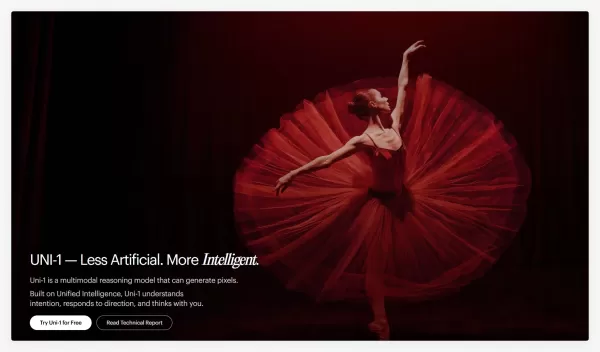 Luma AI unveils Uni-1 autoregressive model that generates text and pixels simultaneously
Luma Labs launched its image generation model Uni-1 on March 23, marking the company's first publicly available model built on the Unified Intelligence architecture. Free trial access is now open on the official website, with API pricing announced an
Luma AI unveils Uni-1 autoregressive model that generates text and pixels simultaneously
Luma Labs launched its image generation model Uni-1 on March 23, marking the company's first publicly available model built on the Unified Intelligence architecture. Free trial access is now open on the official website, with API pricing announced an
Discover the 2026 best AI personal wellness and focus coaches on XIX.AI. Our curated rankings feature top-rated, game-changing tools to manage burnout and boost mental energy. Compare free vs paid options with real-world insights. Unlock your path to peak productivity and well-being today.
10 tools
xix.ai

Discover the 2026 latest top-rated AI romantic chatbots for building genuine, long-term connections. Our curated list features powerful, consistent personalities, free vs paid comparisons, and real-world tests. Find your perfect companion and start building today at XIX.AI.
10 tools
xix.ai

Discover the 2026 best AI data science mentors to master SQL, Pandas & ML workflows. Explore our top-rated, curated selection at XIX.AI for powerful, game-changing guidance. Compare free vs paid options with real-world insights. Unlock your data science mastery today.
10 tools
xix.ai

Discover the 2026 best AI flirting and conversation trainers on XIX.AI. Our curated, top-rated selection helps you build social charisma and confidence in real-time. Explore must-try, game-changing tools with free vs paid comparisons and weekly updated rankings. Unlock your social edge today.
10 tools
xix.ai

Discover the 2026 latest top-rated AI tools for automated unit testing. Our curated selection features powerful, game-changing solutions to generate Jest, PyTest & JUnit test cases instantly. Compare free vs paid options with real-world tests and weekly updated rankings on XIX.AI. Unlock your AI edge and boost development productivity today.
10 tools
xix.ai

Discover the 2026 best AI data visualization tools at XIX.AI. Our curated, top-rated selection helps you auto-generate powerful, interactive BI dashboards from raw files instantly. Compare free vs paid options with real-world tests and weekly updated rankings. Unlock your data's potential today.
10 tools
xix.ai

스마트폰으로 자기 건강을 체크할 수 있다고? 이것 좀 멋진데. 🤩 제 엄마가 주기적으로 병원 가는걸 귀찮아하셔서 이런 기술이 보편화되면 정말 좋겠어요. 하지만 정밀도는 어떻게 보장하죠? 데이터 보안 문제도 좀 걱정이 되네요. AI 의료 기술이 진짜 일상화되려면 아직 갈 길이 멀어 보여요.
Finally an AI that actually understands blurry phone pics 😅 My dermatologist would be out of a job if I could just snap a pic of my weird mole! But seriously, this could be huge for rural areas with limited healthcare access.