


 Home
Home
OpenAI No. 2 Executive Resigns, Fidji Simo Hired as Part-Time Consultant After Health Setback

On July 10, Fidji Simo, OpenAI's second-highest-ranking executive, announced she would step down from her full-time role. In an internal letter to employees on Thursday local time, Simo explained she had taken a leave of absence due to a recurrence of her neuroimmune system disease. However, her recovery has been slower than anticipated, prompting her to shift to a part-time consulting role.
Simo joined OpenAI's board in 2024 and became CEO of the company's applications division in May 2025. This role was created to unify the company's business and product operations. At that time, several executives—including Chief Operating Officer Brad Lightcap, Chief Financial Officer Sarah Friar, and Chief Product Officer Kevin Weil—reported to her, while CEO Sam Altman focused more on research, computing power, and security. Before joining OpenAI, Simo had been CEO of Instacart since 2021, leading the company through its IPO in 2023. She previously spent over a decade at Meta, overseeing core Facebook app operations.
As ChatGPT Growth Slows, OpenAI Faces Dual Pressures
This leadership change has significant implications for OpenAI. Simo was primarily responsible for driving the company's consumer business growth. With ChatGPT's growth slowing late last year and falling short of internal revenue targets, OpenAI now faces pressure to adjust its business strategy, including a shift toward more competitive programming tools.
As OpenAI prepares for a potential IPO and competes fiercely with rival Anthropic in the enterprise market, Simo's departure places urgent pressure on Altman to find a successor. Losing the "number two" executive during this critical phase of commercial expansion and IPO preparation undoubtedly increases uncertainty in the company's strategic execution.
With Frequent Executive Departures, OpenAI Strengthens Talent Strategies
OpenAI has undergone frequent personnel restructuring in recent years. Earlier this year, the company saw the departures of Chief Marketing Officer Kate Rouch and Chief Product Officer Kevin Weil. The current executive team includes Sam Altman, Brad Lightcap, Sarah Friar, and co-founder Greg Brockman. Analysts suggest that current Chief Revenue Officer Denise Dresser may take on additional responsibilities.
Related article
 Why this VC thinks 2026 will be 'the year of the consumer'
Consumer tech startup funding has slumped since 2022, as macroeconomic volatility and persistent inflation have made venture capitalists hesitant about consumer spending power. Over the last few years, AI capital has largely targeted enterprise clie
Liu Zhenyun, Ma Yi on AI Era: Machines Handle Commonalities, Humans Guard Individuality
As AI grows increasingly sophisticated, what role remains for humanity? On the morning of September 10, the 2026 Inclusion · Bund Conference kicked off in Shanghai with its opening ceremony and main forum. During a roundtable discussion, acclaimed au
WeChat Pay launches Smart Glasses SDK; Rokid becomes first compatible brand
WeChat has officially launched the WeChat Pay smart glasses SDK, making it fully accessible. This solution integrates WeChat’s core “scan to pay” functionality into a standard SDK, available to smart glasses manufacturers meeting specific standards.
Related Special Topic Recommendations
Social Media
Why this VC thinks 2026 will be 'the year of the consumer'
Consumer tech startup funding has slumped since 2022, as macroeconomic volatility and persistent inflation have made venture capitalists hesitant about consumer spending power. Over the last few years, AI capital has largely targeted enterprise clie
Liu Zhenyun, Ma Yi on AI Era: Machines Handle Commonalities, Humans Guard Individuality
As AI grows increasingly sophisticated, what role remains for humanity? On the morning of September 10, the 2026 Inclusion · Bund Conference kicked off in Shanghai with its opening ceremony and main forum. During a roundtable discussion, acclaimed au
WeChat Pay launches Smart Glasses SDK; Rokid becomes first compatible brand
WeChat has officially launched the WeChat Pay smart glasses SDK, making it fully accessible. This solution integrates WeChat’s core “scan to pay” functionality into a standard SDK, available to smart glasses manufacturers meeting specific standards.
Related Special Topic Recommendations
Social Media
 Best AI Caption Generators: Write Platform-Specific Social Posts Fast
2026 Latest Best AI Caption Generators page! XIX.AI curated a top-rated list of must-try powerful tools for writing platform-specific social posts quickly. These tools go through rigorous real-world tests, offering free vs paid comparison and clear rankings to help you find the best option that boosts your productivity and unlocks your AI edge. Explore now!
 11 tools
 xix.ai
Health & Wellness
Best AI Sleep Coaching Tools for Shift Workers, Jet Lag Recovery, and Better Routines
xix.ai
Health & Wellness
Best AI Sleep Coaching Tools for Shift Workers, Jet Lag Recovery, and Better Routines
2026 Latest Best AI Sleep Coaching Tools for Shift Workers, Jet Lag Recovery, and Better Routines! XIX.AI has curated a top-rated list of powerful game-changing tools that go through real-world tests to deliver accurate guidance. You can find detailed free vs paid comparison info and see how these must-try solutions help boost sleep quality, speed up jet lag recovery, and build healthier routines. Explore now to discover your perfect tool!
7 tools
xix.ai
code
ChatGPT Debugging Tools for Python Errors, API Logs, and Stack Trace Triage
2026 Latest Best ChatGPT debugging tools for Python errors, API logs, and stack trace triage are here on XIX.AI. This curated list of top-rated solutions offers a free vs paid comparison, real-world tests, and detailed rankings to help you find the most powerful tool that can significantly boost your productivity and help you solve complex technical issues faster. Explore now to discover your perfect solution!
9 tools
xix.ai
Text-to-speech
AI Voiceover Tools for Product Demo Videos
2026 Latest Best Top-Rated AI Voiceover Tools for Product Demo Videos are here on XIX.AI! This curated list features powerful, game-changing options that help you create professional-quality audio content fast, boosting your demo efficiency significantly. We conduct real-world tests and provide a free vs paid comparison along with weekly updated rankings to help you find the perfect fit. Explore now to Unlock your AI edge!
10 tools
xix.ai
Business
AI Business Plan Tools for Startup Validation
2026 Latest Best AI Business Plan Tools for Startup Validation! XIX.AI has curated a top-rated list of powerful game-changing tools that go through real-world tests to deliver accurate results. You’ll find a free vs paid comparison, detailed rankings, and easy-to-understand insights to help you choose the perfect solution and boost your startup’s success rate. Explore now to Unlock your AI edge!
9 tools
xix.ai
chatbot
AI Chat Apps for Roleplay and Conversation Practice
2026 Latest Best AI Chat Apps for Roleplay and Conversation Practice! XIX.AI curates a top-rated list of powerful must-try tools that go through rigorous real-world tests to deliver exceptional results. You’ll find detailed free vs paid comparison, comprehensive rankings, and insights into how these apps can boost your language skills and communication confidence effectively. Explore now to discover your perfect tool for practice!
10 tools
xix.ai

 Comments (0)
0/500
Comments (0)
0/500
On July 10, Fidji Simo, OpenAI's second-highest-ranking executive, announced she would step down from her full-time role. In an internal letter to employees on Thursday local time, Simo explained she had taken a leave of absence due to a recurrence of her neuroimmune system disease. However, her recovery has been slower than anticipated, prompting her to shift to a part-time consulting role.
Simo joined OpenAI's board in 2024 and became CEO of the company's applications division in May 2025. This role was created to unify the company's business and product operations. At that time, several executives—including Chief Operating Officer Brad Lightcap, Chief Financial Officer Sarah Friar, and Chief Product Officer Kevin Weil—reported to her, while CEO Sam Altman focused more on research, computing power, and security. Before joining OpenAI, Simo had been CEO of Instacart since 2021, leading the company through its IPO in 2023. She previously spent over a decade at Meta, overseeing core Facebook app operations.
As ChatGPT Growth Slows, OpenAI Faces Dual Pressures
This leadership change has significant implications for OpenAI. Simo was primarily responsible for driving the company's consumer business growth. With ChatGPT's growth slowing late last year and falling short of internal revenue targets, OpenAI now faces pressure to adjust its business strategy, including a shift toward more competitive programming tools.
As OpenAI prepares for a potential IPO and competes fiercely with rival Anthropic in the enterprise market, Simo's departure places urgent pressure on Altman to find a successor. Losing the "number two" executive during this critical phase of commercial expansion and IPO preparation undoubtedly increases uncertainty in the company's strategic execution.
With Frequent Executive Departures, OpenAI Strengthens Talent Strategies
OpenAI has undergone frequent personnel restructuring in recent years. Earlier this year, the company saw the departures of Chief Marketing Officer Kate Rouch and Chief Product Officer Kevin Weil. The current executive team includes Sam Altman, Brad Lightcap, Sarah Friar, and co-founder Greg Brockman. Analysts suggest that current Chief Revenue Officer Denise Dresser may take on additional responsibilities.








 Why this VC thinks 2026 will be 'the year of the consumer'
Consumer tech startup funding has slumped since 2022, as macroeconomic volatility and persistent inflation have made venture capitalists hesitant about consumer spending power. Over the last few years, AI capital has largely targeted enterprise clie
Why this VC thinks 2026 will be 'the year of the consumer'
Consumer tech startup funding has slumped since 2022, as macroeconomic volatility and persistent inflation have made venture capitalists hesitant about consumer spending power. Over the last few years, AI capital has largely targeted enterprise clie
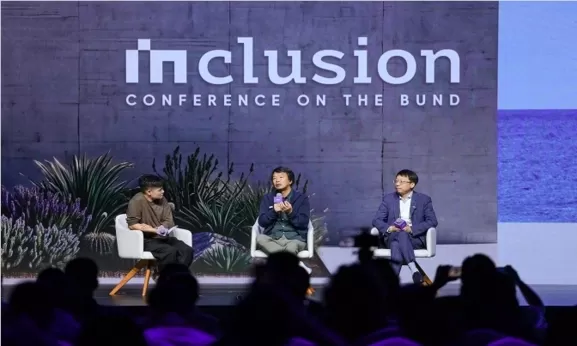 Liu Zhenyun, Ma Yi on AI Era: Machines Handle Commonalities, Humans Guard Individuality
As AI grows increasingly sophisticated, what role remains for humanity? On the morning of September 10, the 2026 Inclusion · Bund Conference kicked off in Shanghai with its opening ceremony and main forum. During a roundtable discussion, acclaimed au
Liu Zhenyun, Ma Yi on AI Era: Machines Handle Commonalities, Humans Guard Individuality
As AI grows increasingly sophisticated, what role remains for humanity? On the morning of September 10, the 2026 Inclusion · Bund Conference kicked off in Shanghai with its opening ceremony and main forum. During a roundtable discussion, acclaimed au
 WeChat Pay launches Smart Glasses SDK; Rokid becomes first compatible brand
WeChat has officially launched the WeChat Pay smart glasses SDK, making it fully accessible. This solution integrates WeChat’s core “scan to pay” functionality into a standard SDK, available to smart glasses manufacturers meeting specific standards.
WeChat Pay launches Smart Glasses SDK; Rokid becomes first compatible brand
WeChat has officially launched the WeChat Pay smart glasses SDK, making it fully accessible. This solution integrates WeChat’s core “scan to pay” functionality into a standard SDK, available to smart glasses manufacturers meeting specific standards.

2026 Latest Best AI Caption Generators page! XIX.AI curated a top-rated list of must-try powerful tools for writing platform-specific social posts quickly. These tools go through rigorous real-world tests, offering free vs paid comparison and clear rankings to help you find the best option that boosts your productivity and unlocks your AI edge. Explore now!
11 tools
xix.ai

2026 Latest Best AI Sleep Coaching Tools for Shift Workers, Jet Lag Recovery, and Better Routines! XIX.AI has curated a top-rated list of powerful game-changing tools that go through real-world tests to deliver accurate guidance. You can find detailed free vs paid comparison info and see how these must-try solutions help boost sleep quality, speed up jet lag recovery, and build healthier routines. Explore now to discover your perfect tool!
7 tools
xix.ai

2026 Latest Best ChatGPT debugging tools for Python errors, API logs, and stack trace triage are here on XIX.AI. This curated list of top-rated solutions offers a free vs paid comparison, real-world tests, and detailed rankings to help you find the most powerful tool that can significantly boost your productivity and help you solve complex technical issues faster. Explore now to discover your perfect solution!
9 tools
xix.ai

2026 Latest Best Top-Rated AI Voiceover Tools for Product Demo Videos are here on XIX.AI! This curated list features powerful, game-changing options that help you create professional-quality audio content fast, boosting your demo efficiency significantly. We conduct real-world tests and provide a free vs paid comparison along with weekly updated rankings to help you find the perfect fit. Explore now to Unlock your AI edge!
10 tools
xix.ai

2026 Latest Best AI Business Plan Tools for Startup Validation! XIX.AI has curated a top-rated list of powerful game-changing tools that go through real-world tests to deliver accurate results. You’ll find a free vs paid comparison, detailed rankings, and easy-to-understand insights to help you choose the perfect solution and boost your startup’s success rate. Explore now to Unlock your AI edge!
9 tools
xix.ai

2026 Latest Best AI Chat Apps for Roleplay and Conversation Practice! XIX.AI curates a top-rated list of powerful must-try tools that go through rigorous real-world tests to deliver exceptional results. You’ll find detailed free vs paid comparison, comprehensive rankings, and insights into how these apps can boost your language skills and communication confidence effectively. Explore now to discover your perfect tool for practice!
10 tools
xix.ai












