


 Home
HomeOpenAI Launches Sora App to Challenge TikTok, Unveils Sora 2 Model
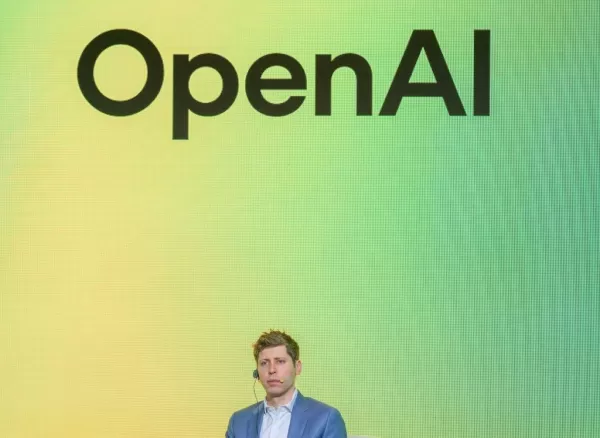
On Tuesday, OpenAI introduced Sora 2, a new audio and video generator that builds upon last year’s Sora model. The company also released a companion social app, also named Sora, where users can produce and share videos featuring themselves and friends through a TikTok-like algorithmic feed. Earlier reports from Wired had hinted at OpenAI's development of a new social platform.
Although we haven’t yet had access to test the invite-only app or the Sora 2 model, OpenAI has unveiled several striking examples. Notably, Sora 2 offers improved adherence to the laws of physics, enhancing the realism of generated clips. Among the public demos shared are scenes of a beach volleyball match, skateboarding moves, gymnastics sequences, and cannonball jumps from a diving board.
Sora 2 is here. pic.twitter.com/hy95wDM5nB
— OpenAI (@OpenAI) September 30, 2025
“Earlier video models tend to be overly optimistic—they might distort objects or bend reality to fulfill a text prompt,” OpenAI explained in a blog post. “In one example, if a basketball player misses a shot, the ball could instantly teleport into the hoop. But with Sora 2, that same missed shot would bounce realistically off the backboard.”
The Sora app includes an “upload yourself” option known as “cameos,” enabling users to insert themselves into any scene created by Sora. To use their own likeness in generated videos, users must submit a one-time video and audio recording that verifies their identity and captures their appearance.
This cameo feature also supports sharing, letting users authorize friends to include their likeness in generated videos—even clips with multiple people.
“We believe a social app centered on the ‘cameos’ feature offers the ideal way to experience the magic of Sora 2,” the company wrote.
The Sora iOS app is available now for download, initially launching in the U.S. and Canada, with plans to expand to more countries soon. Although the social platform currently requires an invitation, ChatGPT Pro subscribers will be able to try the Sora 2 Pro model without an invite.
Techcrunch event Join 10k+ tech and VC leaders for growth and networking at Disrupt 2025
Netflix, Box, a16z, ElevenLabs, Wayve, Hugging Face, Elad Gil, Vinod Khosla — just a handful of the 250+ industry leaders conducting 200+ sessions designed to provide essential insights for startup growth and competitive advantage. Don’t miss the 20th anniversary of TechCrunch and this opportunity to learn from top tech experts. Secure your ticket before the event begins and save up to $444.
Join 10k+ tech and VC leaders for growth and networking at Disrupt 2025
Netflix, Box, a16z, ElevenLabs, Wayve, Hugging Face, Elad Gil, Vinod Khosla — just a few of the 250+ heavy hitters leading 200+ sessions packed with insights to drive startup growth and give you an edge. Don’t miss this chance to learn from leading voices in tech. Get your ticket before doors open and save up to $444.
San Francisco | October 27-29, 2025 REGISTER NOW Once videos are generated, they can be shared in the Sora app's feed, which appears similar to TikTok, Instagram Reels, or other short video feeds. Interestingly, Meta announced just last week a new video feed called “Vibes” in its Meta AI app (which appears to consist largely of low-effort content).
To tailor its algorithmic recommendations, OpenAI will account for a user’s Sora activity, geographic location (via IP address), past engagement with posts, and ChatGPT conversation history—though the latter can be disabled. The Sora app also includes parental controls through ChatGPT, enabling parents to disable infinite scrolling, turn off personalized algorithms, and control who can message their children. Still, the effectiveness of these tools largely depends on the parent's technical familiarity.
The Sora app will launch as a free service, which OpenAI states is intended “so people can freely explore its capabilities.” At launch, the company’s only announced monetization plan involves charging users for extra video generation during periods of high demand.
Launching a social platform demands strong user safety measures from OpenAI, which has encountered similar issues with ChatGPT. Although users can withdraw likeness access at any time, this type of feature is vulnerable to misuse. Even if a user trusts someone with their AI likeness, that person could still create misleading content that causes harm. Non-consensual videos remain a major concern with AI-generated media, creating serious harm with limited legal frameworks to regulate platform accountability.
Related article
 PHP Armageddon: OpenAI, Google’s Wiz uncover ancient holes, sparking internet panic
The U.S. National Security Agency issued a critical alert on Wednesday regarding two severe vulnerabilities in PHP, for which patches have already been released by the PHP Foundation.As a server-side scripting language, PHP powers approximately 70% o
OpenAI launches GPT-5.5 Instant as ChatGPT’s new default model
OpenAI launched GPT-5.5 Instant on Monday, replacing GPT-5.3 Instant as the default ChatGPT model. The company states that this update minimizes hallucinations in high-stakes fields like law, medicine, and finance, while preserving the fast response
Nvidia to Derive 25% of Next Year’s Revenue from Funded Labs
Nvidia has deployed nearly US$50 billion into AI labs purchasing its chips, securing commitments for over $500 billion in total.On August 26, CFO Colette Kress informed analysts that these labs, backed by Nvidia’s balance sheet, will account for roug
Related Special Topic Recommendations
Design & Art
PHP Armageddon: OpenAI, Google’s Wiz uncover ancient holes, sparking internet panic
The U.S. National Security Agency issued a critical alert on Wednesday regarding two severe vulnerabilities in PHP, for which patches have already been released by the PHP Foundation.As a server-side scripting language, PHP powers approximately 70% o
OpenAI launches GPT-5.5 Instant as ChatGPT’s new default model
OpenAI launched GPT-5.5 Instant on Monday, replacing GPT-5.3 Instant as the default ChatGPT model. The company states that this update minimizes hallucinations in high-stakes fields like law, medicine, and finance, while preserving the fast response
Nvidia to Derive 25% of Next Year’s Revenue from Funded Labs
Nvidia has deployed nearly US$50 billion into AI labs purchasing its chips, securing commitments for over $500 billion in total.On August 26, CFO Colette Kress informed analysts that these labs, backed by Nvidia’s balance sheet, will account for roug
Related Special Topic Recommendations
Design & Art
 Top AI Illustration Tools: Create Editorial Scenes and Cover Art Faster
2026 Latest Top-rated AI Illustration Tools: Our curated list features the best powerfully designed tools for creating stunning editorial scenes and eye-catching cover art quickly. Each option has gone through rigorous real-world tests, offering a free vs paid comparison to help you find the perfect match for your workflow. Try these must-try solutions today to unlock your AI edge and boost your creative productivity. Explore now at XIX.AI.
 10 tools
 xix.ai
Education and Learning
Top AI Tutors for Exam Prep: Practice Math, Science, and English
xix.ai
Education and Learning
Top AI Tutors for Exam Prep: Practice Math, Science, and English
2026 Latest Top-Rated Best AI Tutors for Exam Prep are here on XIX.AI! Our curated list features powerful game-changing tools that offer free vs paid comparison, real-world tests, and weekly updated rankings. They help boost your writing efficiency, simplify complex topic learning, and unlock your academic potential. Explore now to Discover your perfect exam prep tool and Start creating today to Unlock your AI edge!
10 tools
xix.ai
Finance
AI Budget Planning Tools for Personal Money Management
2026 Latest Best Top-Rated AI Budget Planning Tools for Personal Money Management are here on XIX.AI! This curated collection features powerful, game-changing solutions that help you conduct real-world tests, understand spending habits, and create personalized plans to boost productivity. Enjoy a free vs paid comparison along with detailed rankings. Must-try tools designed to simplify money management and unlock your AI edge. Explore now!
11 tools
xix.ai
Health & Wellness
AI Sleep Tracking Assistants: Improve Recovery with Better Bedtime Habits
2026 Latest Best Top-Rated AI Sleep Tracking Assistants curated for ultimate recovery. This fully updated weekly guide features powerful tools that deliver real-world tests, free vs paid comparison, and detailed rankings to help you find the must-try solution that boosts sleep quality and supports better bedtime habits. Explore now at XIX.AI to Unlock your AI edge.
10 tools
xix.ai
Data Analysis
AI SQL Copilots for Product and Revenue Analytics
2026 Latest Best Top-Rated AI SQL Copilots for Product and Revenue Analytics! XIX.AI has curated a powerful, game-changing collection of must-try tools that undergo real-world tests through weekly updated rankings. These tools help users boost productivity significantly by accelerating data analysis, streamlining complex queries, and generating accurate insights to drive smarter business decisions. Explore now to Discover your perfect tool for unlocking your AI edge!
14 tools
xix.ai
Education and Learning
Best AI Homework Helpers That Teach: Learn Concepts, Not Just Answers
2026 Latest Best Top-Rated AI Homework Helpers That Teach Core Concepts Not Just Answers Powerful Tools for Students Must-Try Curated List Weekly Updated Free vs Paid Comparison Real-World Tests Accurate Rankings to Help You Unlock Your Full Learning Potential Explore now to Discover your perfect tool for smarter studying.
10 tools
xix.ai

 Comments (1)
0/500
Comments (1)
0/500
![EricJohnson]()
SNS機能付きの動画生成アプリか…これでTikTokと張り合うつもりなんだね。AIで作られたコンテンツが増えると、著作権やプライバシーの問題がさらに複雑になりそうで少し心配。でも友達と遊べるなら試してみたいかも!😅
On Tuesday, OpenAI introduced Sora 2, a new audio and video generator that builds upon last year’s Sora model. The company also released a companion social app, also named Sora, where users can produce and share videos featuring themselves and friends through a TikTok-like algorithmic feed. Earlier reports from Wired had hinted at OpenAI's development of a new social platform.
Although we haven’t yet had access to test the invite-only app or the Sora 2 model, OpenAI has unveiled several striking examples. Notably, Sora 2 offers improved adherence to the laws of physics, enhancing the realism of generated clips. Among the public demos shared are scenes of a beach volleyball match, skateboarding moves, gymnastics sequences, and cannonball jumps from a diving board.
Sora 2 is here. pic.twitter.com/hy95wDM5nB
— OpenAI (@OpenAI) September 30, 2025
“Earlier video models tend to be overly optimistic—they might distort objects or bend reality to fulfill a text prompt,” OpenAI explained in a blog post. “In one example, if a basketball player misses a shot, the ball could instantly teleport into the hoop. But with Sora 2, that same missed shot would bounce realistically off the backboard.”
The Sora app includes an “upload yourself” option known as “cameos,” enabling users to insert themselves into any scene created by Sora. To use their own likeness in generated videos, users must submit a one-time video and audio recording that verifies their identity and captures their appearance.
This cameo feature also supports sharing, letting users authorize friends to include their likeness in generated videos—even clips with multiple people.
“We believe a social app centered on the ‘cameos’ feature offers the ideal way to experience the magic of Sora 2,” the company wrote.
The Sora iOS app is available now for download, initially launching in the U.S. and Canada, with plans to expand to more countries soon. Although the social platform currently requires an invitation, ChatGPT Pro subscribers will be able to try the Sora 2 Pro model without an invite.
Techcrunch eventJoin 10k+ tech and VC leaders for growth and networking at Disrupt 2025
Netflix, Box, a16z, ElevenLabs, Wayve, Hugging Face, Elad Gil, Vinod Khosla — just a handful of the 250+ industry leaders conducting 200+ sessions designed to provide essential insights for startup growth and competitive advantage. Don’t miss the 20th anniversary of TechCrunch and this opportunity to learn from top tech experts. Secure your ticket before the event begins and save up to $444.
Join 10k+ tech and VC leaders for growth and networking at Disrupt 2025
Netflix, Box, a16z, ElevenLabs, Wayve, Hugging Face, Elad Gil, Vinod Khosla — just a few of the 250+ heavy hitters leading 200+ sessions packed with insights to drive startup growth and give you an edge. Don’t miss this chance to learn from leading voices in tech. Get your ticket before doors open and save up to $444.
San Francisco | October 27-29, 2025 REGISTER NOWOnce videos are generated, they can be shared in the Sora app's feed, which appears similar to TikTok, Instagram Reels, or other short video feeds. Interestingly, Meta announced just last week a new video feed called “Vibes” in its Meta AI app (which appears to consist largely of low-effort content).
To tailor its algorithmic recommendations, OpenAI will account for a user’s Sora activity, geographic location (via IP address), past engagement with posts, and ChatGPT conversation history—though the latter can be disabled. The Sora app also includes parental controls through ChatGPT, enabling parents to disable infinite scrolling, turn off personalized algorithms, and control who can message their children. Still, the effectiveness of these tools largely depends on the parent's technical familiarity.
The Sora app will launch as a free service, which OpenAI states is intended “so people can freely explore its capabilities.” At launch, the company’s only announced monetization plan involves charging users for extra video generation during periods of high demand.
Launching a social platform demands strong user safety measures from OpenAI, which has encountered similar issues with ChatGPT. Although users can withdraw likeness access at any time, this type of feature is vulnerable to misuse. Even if a user trusts someone with their AI likeness, that person could still create misleading content that causes harm. Non-consensual videos remain a major concern with AI-generated media, creating serious harm with limited legal frameworks to regulate platform accountability.








 PHP Armageddon: OpenAI, Google’s Wiz uncover ancient holes, sparking internet panic
The U.S. National Security Agency issued a critical alert on Wednesday regarding two severe vulnerabilities in PHP, for which patches have already been released by the PHP Foundation.As a server-side scripting language, PHP powers approximately 70% o
PHP Armageddon: OpenAI, Google’s Wiz uncover ancient holes, sparking internet panic
The U.S. National Security Agency issued a critical alert on Wednesday regarding two severe vulnerabilities in PHP, for which patches have already been released by the PHP Foundation.As a server-side scripting language, PHP powers approximately 70% o
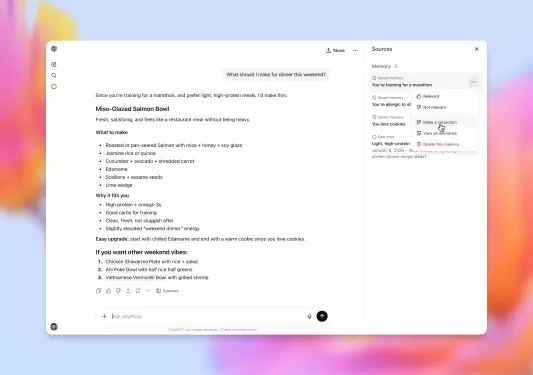 OpenAI launches GPT-5.5 Instant as ChatGPT’s new default model
OpenAI launched GPT-5.5 Instant on Monday, replacing GPT-5.3 Instant as the default ChatGPT model. The company states that this update minimizes hallucinations in high-stakes fields like law, medicine, and finance, while preserving the fast response
OpenAI launches GPT-5.5 Instant as ChatGPT’s new default model
OpenAI launched GPT-5.5 Instant on Monday, replacing GPT-5.3 Instant as the default ChatGPT model. The company states that this update minimizes hallucinations in high-stakes fields like law, medicine, and finance, while preserving the fast response
 Nvidia to Derive 25% of Next Year’s Revenue from Funded Labs
Nvidia has deployed nearly US$50 billion into AI labs purchasing its chips, securing commitments for over $500 billion in total.On August 26, CFO Colette Kress informed analysts that these labs, backed by Nvidia’s balance sheet, will account for roug
Nvidia to Derive 25% of Next Year’s Revenue from Funded Labs
Nvidia has deployed nearly US$50 billion into AI labs purchasing its chips, securing commitments for over $500 billion in total.On August 26, CFO Colette Kress informed analysts that these labs, backed by Nvidia’s balance sheet, will account for roug

2026 Latest Top-rated AI Illustration Tools: Our curated list features the best powerfully designed tools for creating stunning editorial scenes and eye-catching cover art quickly. Each option has gone through rigorous real-world tests, offering a free vs paid comparison to help you find the perfect match for your workflow. Try these must-try solutions today to unlock your AI edge and boost your creative productivity. Explore now at XIX.AI.
10 tools
xix.ai
2026 Latest Top-Rated Best AI Tutors for Exam Prep are here on XIX.AI! Our curated list features powerful game-changing tools that offer free vs paid comparison, real-world tests, and weekly updated rankings. They help boost your writing efficiency, simplify complex topic learning, and unlock your academic potential. Explore now to Discover your perfect exam prep tool and Start creating today to Unlock your AI edge!
10 tools
xix.ai

2026 Latest Best Top-Rated AI Budget Planning Tools for Personal Money Management are here on XIX.AI! This curated collection features powerful, game-changing solutions that help you conduct real-world tests, understand spending habits, and create personalized plans to boost productivity. Enjoy a free vs paid comparison along with detailed rankings. Must-try tools designed to simplify money management and unlock your AI edge. Explore now!
11 tools
xix.ai
2026 Latest Best Top-Rated AI Sleep Tracking Assistants curated for ultimate recovery. This fully updated weekly guide features powerful tools that deliver real-world tests, free vs paid comparison, and detailed rankings to help you find the must-try solution that boosts sleep quality and supports better bedtime habits. Explore now at XIX.AI to Unlock your AI edge.
10 tools
xix.ai
2026 Latest Best Top-Rated AI SQL Copilots for Product and Revenue Analytics! XIX.AI has curated a powerful, game-changing collection of must-try tools that undergo real-world tests through weekly updated rankings. These tools help users boost productivity significantly by accelerating data analysis, streamlining complex queries, and generating accurate insights to drive smarter business decisions. Explore now to Discover your perfect tool for unlocking your AI edge!
14 tools
xix.ai

2026 Latest Best Top-Rated AI Homework Helpers That Teach Core Concepts Not Just Answers Powerful Tools for Students Must-Try Curated List Weekly Updated Free vs Paid Comparison Real-World Tests Accurate Rankings to Help You Unlock Your Full Learning Potential Explore now to Discover your perfect tool for smarter studying.
10 tools
xix.ai

SNS機能付きの動画生成アプリか…これでTikTokと張り合うつもりなんだね。AIで作られたコンテンツが増えると、著作権やプライバシーの問題がさらに複雑になりそうで少し心配。でも友達と遊べるなら試してみたいかも!😅












