


 Home
HomeMeta Declines to Participate in EU’s Voluntary AI Standards

Meta has announced it will not endorse the European Union's voluntary code of conduct for artificial intelligence, cautioning that "Europe is taking a misguided approach to AI regulation." Published on July 10, this code provides non-binding guidance to help companies align with the forthcoming AI Act's rules for general-purpose AI models ahead of their enforcement.
“After a thorough assessment of the European Commission’s Code of Practice for general-purpose AI models, Meta has decided against signing it,” stated Joel Kaplan, Meta's Head of Global Affairs, in a LinkedIn post. “This Code creates significant legal ambiguities for developers and imposes requirements that extend well beyond the AI Act's intended scope.”
Although the code is not legally binding, the EU asserts that signing companies will experience "lower administrative overhead and greater regulatory clarity," offering an advantage over non-signatories who may face increased scrutiny. OpenAI has indicated it plans to sign the agreement.
This development precedes the August 2nd enforcement of AI Act provisions, which will mandate that general-purpose AI providers disclose details on model training and security risks, while also adhering to EU and national copyright laws. Violations can result in fines of up to seven percent of a company's global annual turnover.
Kaplan expressed Meta's concern that the EU's pioneering AI regulations could hinder the advancement and rollout of cutting-edge AI models in Europe, putting compliant European firms at a competitive disadvantage. These worries reflect sentiments in a recent letter from over 45 companies and organizations—including Airbus, Mercedes-Benz, Philips, and ASML—which called for a two-year delay in the AI Act's implementation to resolve compliance uncertainties.
The EU's push for stricter AI governance contrasts with the regulatory environment in the US, where current policies are reducing such barriers. Meta's decision to reject the EU code is somewhat anticipated, as the company has faced substantial EU fines and generally supports a more relaxed regulatory approach to technology.
Related article
 Gemini faces branding challenges, as does the wider AI industry
Google’s Wednesday announcement regarding new Gemini Live voice features makes a valid point: “You shouldn’t have to guess whether a task requires Spark, a Daily Brief, or a quick inbox search.” While Google presents this as a commitment to handling
Apple Watch’s New AI Features Normalize Always-Listening Tech
Apple is pushing consumers to embrace a new norm: your devices are constantly listening.During Wednesday’s “Surprise and Shine” iPhone launch, which unveiled the latest hardware, the true revelation wasn’t the rumored foldable iPhone, but rather how
Deezer reports over half of daily music uploads are AI-generated
Deezer, a major music streaming service, has monitored the surge in AI-generated uploads since last year, with figures climbing steadily. The platform now reports that AI-produced content accounts for over half of all downloads.According to Deezer, A
Related Special Topic Recommendations
Design & Art
Gemini faces branding challenges, as does the wider AI industry
Google’s Wednesday announcement regarding new Gemini Live voice features makes a valid point: “You shouldn’t have to guess whether a task requires Spark, a Daily Brief, or a quick inbox search.” While Google presents this as a commitment to handling
Apple Watch’s New AI Features Normalize Always-Listening Tech
Apple is pushing consumers to embrace a new norm: your devices are constantly listening.During Wednesday’s “Surprise and Shine” iPhone launch, which unveiled the latest hardware, the true revelation wasn’t the rumored foldable iPhone, but rather how
Deezer reports over half of daily music uploads are AI-generated
Deezer, a major music streaming service, has monitored the surge in AI-generated uploads since last year, with figures climbing steadily. The platform now reports that AI-produced content accounts for over half of all downloads.According to Deezer, A
Related Special Topic Recommendations
Design & Art
 Top AI Illustration Tools: Create Editorial Scenes and Cover Art Faster
2026 Latest Top-rated AI Illustration Tools: Our curated list features the best powerfully designed tools for creating stunning editorial scenes and eye-catching cover art quickly. Each option has gone through rigorous real-world tests, offering a free vs paid comparison to help you find the perfect match for your workflow. Try these must-try solutions today to unlock your AI edge and boost your creative productivity. Explore now at XIX.AI.
 10 tools
 xix.ai
Education and Learning
Top AI Tutors for Exam Prep: Practice Math, Science, and English
xix.ai
Education and Learning
Top AI Tutors for Exam Prep: Practice Math, Science, and English
2026 Latest Top-Rated Best AI Tutors for Exam Prep are here on XIX.AI! Our curated list features powerful game-changing tools that offer free vs paid comparison, real-world tests, and weekly updated rankings. They help boost your writing efficiency, simplify complex topic learning, and unlock your academic potential. Explore now to Discover your perfect exam prep tool and Start creating today to Unlock your AI edge!
10 tools
xix.ai
Finance
AI Budget Planning Tools for Personal Money Management
2026 Latest Best Top-Rated AI Budget Planning Tools for Personal Money Management are here on XIX.AI! This curated collection features powerful, game-changing solutions that help you conduct real-world tests, understand spending habits, and create personalized plans to boost productivity. Enjoy a free vs paid comparison along with detailed rankings. Must-try tools designed to simplify money management and unlock your AI edge. Explore now!
11 tools
xix.ai
Health & Wellness
AI Sleep Tracking Assistants: Improve Recovery with Better Bedtime Habits
2026 Latest Best Top-Rated AI Sleep Tracking Assistants curated for ultimate recovery. This fully updated weekly guide features powerful tools that deliver real-world tests, free vs paid comparison, and detailed rankings to help you find the must-try solution that boosts sleep quality and supports better bedtime habits. Explore now at XIX.AI to Unlock your AI edge.
10 tools
xix.ai
Data Analysis
AI SQL Copilots for Product and Revenue Analytics
2026 Latest Best Top-Rated AI SQL Copilots for Product and Revenue Analytics! XIX.AI has curated a powerful, game-changing collection of must-try tools that undergo real-world tests through weekly updated rankings. These tools help users boost productivity significantly by accelerating data analysis, streamlining complex queries, and generating accurate insights to drive smarter business decisions. Explore now to Discover your perfect tool for unlocking your AI edge!
14 tools
xix.ai
Education and Learning
Best AI Homework Helpers That Teach: Learn Concepts, Not Just Answers
2026 Latest Best Top-Rated AI Homework Helpers That Teach Core Concepts Not Just Answers Powerful Tools for Students Must-Try Curated List Weekly Updated Free vs Paid Comparison Real-World Tests Accurate Rankings to Help You Unlock Your Full Learning Potential Explore now to Discover your perfect tool for smarter studying.
10 tools
xix.ai

 Comments (0)
0/500
Comments (0)
0/500
Meta has announced it will not endorse the European Union's voluntary code of conduct for artificial intelligence, cautioning that "Europe is taking a misguided approach to AI regulation." Published on July 10, this code provides non-binding guidance to help companies align with the forthcoming AI Act's rules for general-purpose AI models ahead of their enforcement.
“After a thorough assessment of the European Commission’s Code of Practice for general-purpose AI models, Meta has decided against signing it,” stated Joel Kaplan, Meta's Head of Global Affairs, in a LinkedIn post. “This Code creates significant legal ambiguities for developers and imposes requirements that extend well beyond the AI Act's intended scope.”
Although the code is not legally binding, the EU asserts that signing companies will experience "lower administrative overhead and greater regulatory clarity," offering an advantage over non-signatories who may face increased scrutiny. OpenAI has indicated it plans to sign the agreement.
This development precedes the August 2nd enforcement of AI Act provisions, which will mandate that general-purpose AI providers disclose details on model training and security risks, while also adhering to EU and national copyright laws. Violations can result in fines of up to seven percent of a company's global annual turnover.
Kaplan expressed Meta's concern that the EU's pioneering AI regulations could hinder the advancement and rollout of cutting-edge AI models in Europe, putting compliant European firms at a competitive disadvantage. These worries reflect sentiments in a recent letter from over 45 companies and organizations—including Airbus, Mercedes-Benz, Philips, and ASML—which called for a two-year delay in the AI Act's implementation to resolve compliance uncertainties.
The EU's push for stricter AI governance contrasts with the regulatory environment in the US, where current policies are reducing such barriers. Meta's decision to reject the EU code is somewhat anticipated, as the company has faced substantial EU fines and generally supports a more relaxed regulatory approach to technology.








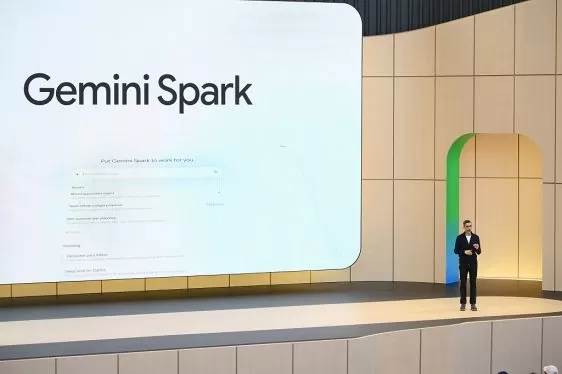 Gemini faces branding challenges, as does the wider AI industry
Google’s Wednesday announcement regarding new Gemini Live voice features makes a valid point: “You shouldn’t have to guess whether a task requires Spark, a Daily Brief, or a quick inbox search.” While Google presents this as a commitment to handling
Gemini faces branding challenges, as does the wider AI industry
Google’s Wednesday announcement regarding new Gemini Live voice features makes a valid point: “You shouldn’t have to guess whether a task requires Spark, a Daily Brief, or a quick inbox search.” While Google presents this as a commitment to handling
 Apple Watch’s New AI Features Normalize Always-Listening Tech
Apple is pushing consumers to embrace a new norm: your devices are constantly listening.During Wednesday’s “Surprise and Shine” iPhone launch, which unveiled the latest hardware, the true revelation wasn’t the rumored foldable iPhone, but rather how
Apple Watch’s New AI Features Normalize Always-Listening Tech
Apple is pushing consumers to embrace a new norm: your devices are constantly listening.During Wednesday’s “Surprise and Shine” iPhone launch, which unveiled the latest hardware, the true revelation wasn’t the rumored foldable iPhone, but rather how
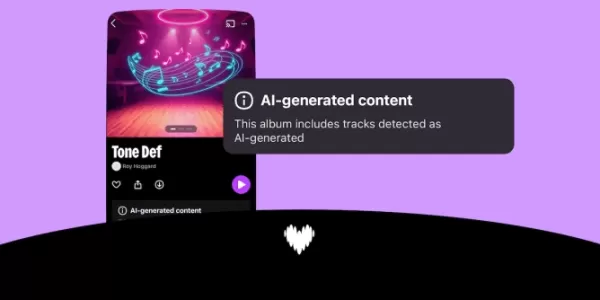 Deezer reports over half of daily music uploads are AI-generated
Deezer, a major music streaming service, has monitored the surge in AI-generated uploads since last year, with figures climbing steadily. The platform now reports that AI-produced content accounts for over half of all downloads.According to Deezer, A
Deezer reports over half of daily music uploads are AI-generated
Deezer, a major music streaming service, has monitored the surge in AI-generated uploads since last year, with figures climbing steadily. The platform now reports that AI-produced content accounts for over half of all downloads.According to Deezer, A

2026 Latest Top-rated AI Illustration Tools: Our curated list features the best powerfully designed tools for creating stunning editorial scenes and eye-catching cover art quickly. Each option has gone through rigorous real-world tests, offering a free vs paid comparison to help you find the perfect match for your workflow. Try these must-try solutions today to unlock your AI edge and boost your creative productivity. Explore now at XIX.AI.
10 tools
xix.ai

2026 Latest Top-Rated Best AI Tutors for Exam Prep are here on XIX.AI! Our curated list features powerful game-changing tools that offer free vs paid comparison, real-world tests, and weekly updated rankings. They help boost your writing efficiency, simplify complex topic learning, and unlock your academic potential. Explore now to Discover your perfect exam prep tool and Start creating today to Unlock your AI edge!
10 tools
xix.ai

2026 Latest Best Top-Rated AI Budget Planning Tools for Personal Money Management are here on XIX.AI! This curated collection features powerful, game-changing solutions that help you conduct real-world tests, understand spending habits, and create personalized plans to boost productivity. Enjoy a free vs paid comparison along with detailed rankings. Must-try tools designed to simplify money management and unlock your AI edge. Explore now!
11 tools
xix.ai

2026 Latest Best Top-Rated AI Sleep Tracking Assistants curated for ultimate recovery. This fully updated weekly guide features powerful tools that deliver real-world tests, free vs paid comparison, and detailed rankings to help you find the must-try solution that boosts sleep quality and supports better bedtime habits. Explore now at XIX.AI to Unlock your AI edge.
10 tools
xix.ai

2026 Latest Best Top-Rated AI SQL Copilots for Product and Revenue Analytics! XIX.AI has curated a powerful, game-changing collection of must-try tools that undergo real-world tests through weekly updated rankings. These tools help users boost productivity significantly by accelerating data analysis, streamlining complex queries, and generating accurate insights to drive smarter business decisions. Explore now to Discover your perfect tool for unlocking your AI edge!
14 tools
xix.ai

2026 Latest Best Top-Rated AI Homework Helpers That Teach Core Concepts Not Just Answers Powerful Tools for Students Must-Try Curated List Weekly Updated Free vs Paid Comparison Real-World Tests Accurate Rankings to Help You Unlock Your Full Learning Potential Explore now to Discover your perfect tool for smarter studying.
10 tools
xix.ai












