


 首页
马萨诸塞州对数据中心实施新的清洁能源电力要求
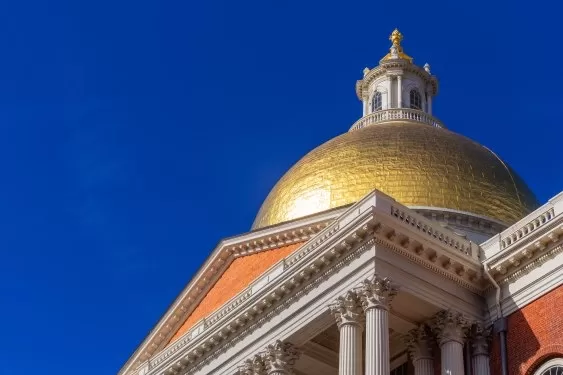
Massachusetts has joined the growing list of states requiring data centers to supply their own power, but with a significant caveat. A new state regulation mandates that developers constructing facilities exceeding 25 megawatts must either provide clean energy or contribute to a fund designed to protect utility ratepayers.
Governor Maura Healey’s executive order highlights a sharp reversal in state attitudes toward data centers. Only a few years ago, tech firms and developers were heavily incentivized to establish operations in specific states. Today, they face mounting public resistance as politicians respond to voter concerns and attempt to mitigate backlash.
Under Healey’s directive, data centers with a peak demand over 25 megawatts must secure their own power supply that complies with state clean energy standards. The governor encourages on-site clean power generation, but if that is not feasible, developers must finance new nearby generation capacity or pay into a ratepayer protection fund.
The executive order also instructs local communities to “avoid signing non-disclosure agreements.” To allow regulators time to enforce these new rules, the governor has suspended applications for a data center sales tax exemption that took effect last month.
While Healey stated that data centers must comply with Massachusetts’s existing clean energy standard, the new requirements are stricter. Current law requires industries to generate a portion of their power from approved sources such as wind, solar, and hydro, with targets increasing annually—for instance, reaching 40% by 2030. However, the governor’s office clarified that data centers will now be required to meet 100% of their electricity demand through clean energy generation.
These new restrictions make Massachusetts the third state in just three months to tighten regulations on data center expansion.
In August, Texas Governor Greg Abbott announced that all new data centers in the state must undergo audits by the Public Utility Commission and the grid operator, ERCOT. Similarly, in July, New York’s governor halted construction on new data centers with capacities of 50 megawatts or more.
As public opinion shifts against data centers, the tech industry is beginning to resist. A pro-AI super PAC named Leading the Future, funded by Marc Andreessen, Ben Horowitz, and Greg Brockman, is purchasing advertisements aimed at influencing voters in key battleground states ahead of the midterm elections.
Update: This article was updated with information from the Massachusetts governor’s office clarifying that the executive order requires data centers to meet 100% of their electricity demand with clean energy generation.
相关文章
 TerraPower 的核反应堆成为为 AI 数据中心供电的关键解决方案
核能初创企业正将自己定位为人工智能数据中心最紧迫挑战的解决方案:可靠且全天候运行的能源。由比尔·盖茨创立的 TerraPower 是最新加入者,据彭博社报道,该公司计划在今年公布其首个数据中心项目。虽然 TerraPower 尚未披露具体客户,但该公司此前在 1 月宣布,Meta 同意购买其八座 Natrium 发电厂。即将动工的数据中心项目预计于 2027 年破土动工,这将是该公司的第二座设施,继其目前在建的位于怀俄明州的第一座发电厂之后。并非所有核反应堆都适合数据中心运营,但 Terra
到2035年,美国数据中心在天然气使用方面可能超过德国和日本
人工智能军备竞赛已加剧至如此程度,预计到2035年,美国数据中心的天然气消耗量将超过德国与日本的总和。在未来十年内,数据中心预计将成为天然气需求增长的第二大驱动力,仅次于液化天然气(LNG)出口。根据彭博新能源财经(BloombergNEF)的一份新报告,这些设施的日消耗量可能达到约180亿立方英尺,几乎是九个月前预测数字的两倍。这一更新后的预测考虑到了并非所有宣布的数据中心项目都能完工的可能性。近期,新闻焦点集中在数据中心自行发电上,Meta、微软、谷歌和亚马逊等科技巨头宣布计划建设新的
Relativity Networks 获得 2200 万美元融资,用于为数据中心部署高速光纤
行业预测显示,数据中心开发商将在本十年结束前投资高达4万亿美元,然而选址仍受到政治因素和电网限制的重大制约。尽管光纤速度通常被视为理所当然,但有一家公司正押注更快的光纤可能从根本上改变数据中心扩张背后的地理战略。周二,Relativity Networks 宣布获得由 Rhapsody Venture Partners、Bell Ventures Inc. 和 Faster Than Glass LLC 等其他投资者领投的 2200 万美元 SAFE 票据融资。SAFE 票据将在公司首轮定价融
相关专题推荐
设计与艺术
 顶级AI插画工具:更快地创作编辑类场景和封面插图
2026年最新高评分AI插画工具:我们精心挑选的这份清单汇集了功能强大的顶级工具,助您快速创作令人惊艳的编辑场景和引人注目的封面艺术。每款工具都经过了严格的实际测试,并提供了免费版与付费版的对比,帮助您找到最适合您工作流程的工具。 立即尝试这些必试解决方案,释放您的AI优势,提升创作效率。立即访问 XIX.AI 探索更多。
 10 个工具
 xix.ai
教育与学习
备考首选的顶尖AI辅导老师:练习数学、科学和英语
2026年最新、评分最高的考试备考AI辅导工具现已登陆XIX.AI!我们精心筛选的这份清单汇集了多款功能强大、颠覆传统的工具,提供免费与付费版本的对比、实际测试以及每周更新的排行榜。它们能帮助你提升写作效率、简化复杂主题的学习,并释放你的学术潜能。 立即探索,发现最适合您的备考工具,今天就开始创作,释放您的AI优势!
10 个工具
xix.ai
金融
用于个人财务管理的 AI 预算规划工具
2026 年最新最佳顶级评分 AI 预算规划工具,专为个人财务管理打造,现已登陆 XIX.AI!本精选合集收录了强大且具颠覆性的解决方案,助您开展实际测试、理解消费习惯,并制定个性化计划以提升生产力。享受免费与付费版的对比及详细排名。这些必试工具旨在简化财务管理,助您释放 AI 优势。立即探索!
11 个工具
xix.ai
健康养生
AI睡眠追踪助手:通过养成更好的睡前习惯来促进身体恢复
2026年最新精选高评分AI睡眠追踪助手,助您实现最佳恢复效果。这份全面更新的每周指南汇集了强大的工具,提供实际测试结果、免费与付费版本对比以及详细排名,助您找到必试的解决方案,从而提升睡眠质量并养成更好的就寝习惯。 立即访问 XIX.AI,解锁您的AI优势。
10 个工具
xix.ai
数据分析
用于产品和收入分析的 AI SQL 辅助工具
2026年最新、最受欢迎、评分最高的AI SQL辅助工具,助力产品与营收分析! XIX.AI 精心遴选了一系列功能强大、颠覆性的必试工具,这些工具均经过每周更新的排名体系进行实战测试。它们能通过加速数据分析、简化复杂查询并生成精准洞察,帮助用户显著提升工作效率,从而推动更明智的商业决策。立即探索,发现最适合您的工具,释放您的AI优势!
14 个工具
xix.ai
教育与学习
最佳的、兼具教学功能的AI作业助手:学习概念,而不仅仅是答案
2026年最新最佳高评分AI作业助手:不仅提供答案,更传授核心概念。专为学生打造的强大工具,精选必试清单,每周更新,免费与付费版本对比,真实使用测试,精准排名,助您充分释放学习潜能。立即探索,发现最适合您的工具,让学习更高效。
10 个工具
xix.ai

 评论 (0)
0/500
Massachusetts has joined the growing list of states requiring data centers to supply their own power, but with a significant caveat. A new state regulation mandates that developers constructing facilities exceeding 25 megawatts must either provide clean energy or contribute to a fund designed to protect utility ratepayers.
Governor Maura Healey’s executive order highlights a sharp reversal in state attitudes toward data centers. Only a few years ago, tech firms and developers were heavily incentivized to establish operations in specific states. Today, they face mounting public resistance as politicians respond to voter concerns and attempt to mitigate backlash.
Under Healey’s directive, data centers with a peak demand over 25 megawatts must secure their own power supply that complies with state clean energy standards. The governor encourages on-site clean power generation, but if that is not feasible, developers must finance new nearby generation capacity or pay into a ratepayer protection fund.
The executive order also instructs local communities to “avoid signing non-disclosure agreements.” To allow regulators time to enforce these new rules, the governor has suspended applications for a data center sales tax exemption that took effect last month.
While Healey stated that data centers must comply with Massachusetts’s existing clean energy standard, the new requirements are stricter. Current law requires industries to generate a portion of their power from approved sources such as wind, solar, and hydro, with targets increasing annually—for instance, reaching 40% by 2030. However, the governor’s office clarified that data centers will now be required to meet 100% of their electricity demand through clean energy generation.
These new restrictions make Massachusetts the third state in just three months to tighten regulations on data center expansion.
In August, Texas Governor Greg Abbott announced that all new data centers in the state must undergo audits by the Public Utility Commission and the grid operator, ERCOT. Similarly, in July, New York’s governor halted construction on new data centers with capacities of 50 megawatts or more.
As public opinion shifts against data centers, the tech industry is beginning to resist. A pro-AI super PAC named Leading the Future, funded by Marc Andreessen, Ben Horowitz, and Greg Brockman, is purchasing advertisements aimed at influencing voters in key battleground states ahead of the midterm elections.
Update: This article was updated with information from the Massachusetts governor’s office clarifying that the executive order requires data centers to meet 100% of their electricity demand with clean energy generation.








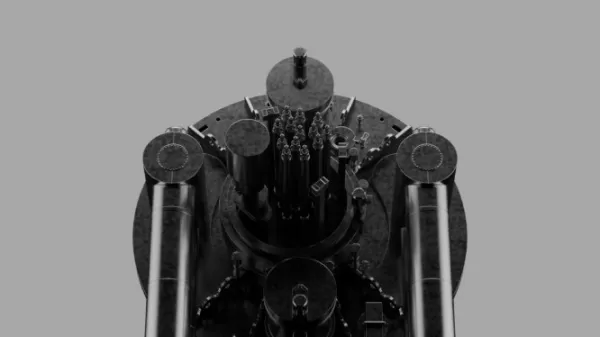 TerraPower 的核反应堆成为为 AI 数据中心供电的关键解决方案
核能初创企业正将自己定位为人工智能数据中心最紧迫挑战的解决方案:可靠且全天候运行的能源。由比尔·盖茨创立的 TerraPower 是最新加入者,据彭博社报道,该公司计划在今年公布其首个数据中心项目。虽然 TerraPower 尚未披露具体客户,但该公司此前在 1 月宣布,Meta 同意购买其八座 Natrium 发电厂。即将动工的数据中心项目预计于 2027 年破土动工,这将是该公司的第二座设施,继其目前在建的位于怀俄明州的第一座发电厂之后。并非所有核反应堆都适合数据中心运营,但 Terra
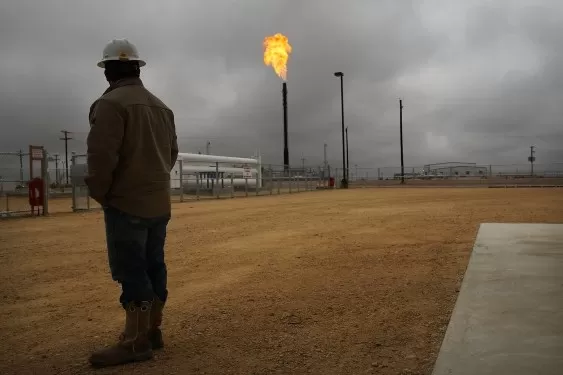 到2035年,美国数据中心在天然气使用方面可能超过德国和日本
人工智能军备竞赛已加剧至如此程度,预计到2035年,美国数据中心的天然气消耗量将超过德国与日本的总和。在未来十年内,数据中心预计将成为天然气需求增长的第二大驱动力,仅次于液化天然气(LNG)出口。根据彭博新能源财经(BloombergNEF)的一份新报告,这些设施的日消耗量可能达到约180亿立方英尺,几乎是九个月前预测数字的两倍。这一更新后的预测考虑到了并非所有宣布的数据中心项目都能完工的可能性。近期,新闻焦点集中在数据中心自行发电上,Meta、微软、谷歌和亚马逊等科技巨头宣布计划建设新的
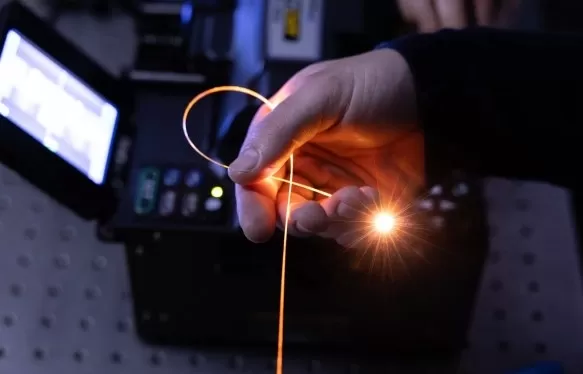 Relativity Networks 获得 2200 万美元融资,用于为数据中心部署高速光纤
行业预测显示,数据中心开发商将在本十年结束前投资高达4万亿美元,然而选址仍受到政治因素和电网限制的重大制约。尽管光纤速度通常被视为理所当然,但有一家公司正押注更快的光纤可能从根本上改变数据中心扩张背后的地理战略。周二,Relativity Networks 宣布获得由 Rhapsody Venture Partners、Bell Ventures Inc. 和 Faster Than Glass LLC 等其他投资者领投的 2200 万美元 SAFE 票据融资。SAFE 票据将在公司首轮定价融

2026年最新高评分AI插画工具:我们精心挑选的这份清单汇集了功能强大的顶级工具,助您快速创作令人惊艳的编辑场景和引人注目的封面艺术。每款工具都经过了严格的实际测试,并提供了免费版与付费版的对比,帮助您找到最适合您工作流程的工具。 立即尝试这些必试解决方案,释放您的AI优势,提升创作效率。立即访问 XIX.AI 探索更多。
10 个工具
xix.ai

2026年最新、评分最高的考试备考AI辅导工具现已登陆XIX.AI!我们精心筛选的这份清单汇集了多款功能强大、颠覆传统的工具,提供免费与付费版本的对比、实际测试以及每周更新的排行榜。它们能帮助你提升写作效率、简化复杂主题的学习,并释放你的学术潜能。 立即探索,发现最适合您的备考工具,今天就开始创作,释放您的AI优势!
10 个工具
xix.ai

2026 年最新最佳顶级评分 AI 预算规划工具,专为个人财务管理打造,现已登陆 XIX.AI!本精选合集收录了强大且具颠覆性的解决方案,助您开展实际测试、理解消费习惯,并制定个性化计划以提升生产力。享受免费与付费版的对比及详细排名。这些必试工具旨在简化财务管理,助您释放 AI 优势。立即探索!
11 个工具
xix.ai

2026年最新精选高评分AI睡眠追踪助手,助您实现最佳恢复效果。这份全面更新的每周指南汇集了强大的工具,提供实际测试结果、免费与付费版本对比以及详细排名,助您找到必试的解决方案,从而提升睡眠质量并养成更好的就寝习惯。 立即访问 XIX.AI,解锁您的AI优势。
10 个工具
xix.ai

2026年最新、最受欢迎、评分最高的AI SQL辅助工具,助力产品与营收分析! XIX.AI 精心遴选了一系列功能强大、颠覆性的必试工具,这些工具均经过每周更新的排名体系进行实战测试。它们能通过加速数据分析、简化复杂查询并生成精准洞察,帮助用户显著提升工作效率,从而推动更明智的商业决策。立即探索,发现最适合您的工具,释放您的AI优势!
14 个工具
xix.ai

2026年最新最佳高评分AI作业助手:不仅提供答案,更传授核心概念。专为学生打造的强大工具,精选必试清单,每周更新,免费与付费版本对比,真实使用测试,精准排名,助您充分释放学习潜能。立即探索,发现最适合您的工具,让学习更高效。
10 个工具
xix.ai












