


 首頁
馬薩諸塞州對資料中心實施新的清潔能源電力要求
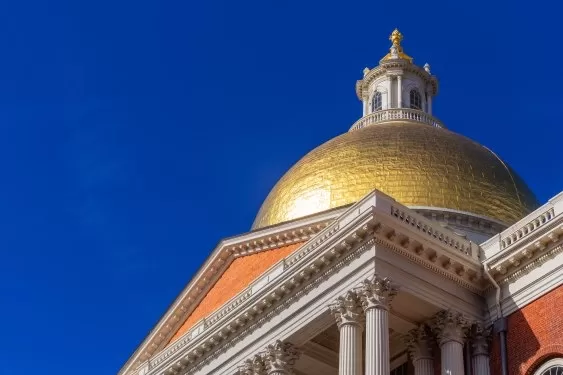
Massachusetts has joined the growing list of states requiring data centers to supply their own power, but with a significant caveat. A new state regulation mandates that developers constructing facilities exceeding 25 megawatts must either provide clean energy or contribute to a fund designed to protect utility ratepayers.
Governor Maura Healey’s executive order highlights a sharp reversal in state attitudes toward data centers. Only a few years ago, tech firms and developers were heavily incentivized to establish operations in specific states. Today, they face mounting public resistance as politicians respond to voter concerns and attempt to mitigate backlash.
Under Healey’s directive, data centers with a peak demand over 25 megawatts must secure their own power supply that complies with state clean energy standards. The governor encourages on-site clean power generation, but if that is not feasible, developers must finance new nearby generation capacity or pay into a ratepayer protection fund.
The executive order also instructs local communities to “avoid signing non-disclosure agreements.” To allow regulators time to enforce these new rules, the governor has suspended applications for a data center sales tax exemption that took effect last month.
While Healey stated that data centers must comply with Massachusetts’s existing clean energy standard, the new requirements are stricter. Current law requires industries to generate a portion of their power from approved sources such as wind, solar, and hydro, with targets increasing annually—for instance, reaching 40% by 2030. However, the governor’s office clarified that data centers will now be required to meet 100% of their electricity demand through clean energy generation.
These new restrictions make Massachusetts the third state in just three months to tighten regulations on data center expansion.
In August, Texas Governor Greg Abbott announced that all new data centers in the state must undergo audits by the Public Utility Commission and the grid operator, ERCOT. Similarly, in July, New York’s governor halted construction on new data centers with capacities of 50 megawatts or more.
As public opinion shifts against data centers, the tech industry is beginning to resist. A pro-AI super PAC named Leading the Future, funded by Marc Andreessen, Ben Horowitz, and Greg Brockman, is purchasing advertisements aimed at influencing voters in key battleground states ahead of the midterm elections.
Update: This article was updated with information from the Massachusetts governor’s office clarifying that the executive order requires data centers to meet 100% of their electricity demand with clean energy generation.
相關文章
 TerraPower 的核反應堆成為為 AI 資料中心供電的關鍵解決方案
核能初創企業正將自己定位為人工智慧資料中心最緊迫挑戰的解決方案:可靠且全天候執行的能源。由比爾·蓋茨創立的 TerraPower 是最新加入者,據彭博社報道,該公司計劃在今年公佈其首個資料中心專案。雖然 TerraPower 尚未披露具體客戶,但該公司此前在 1 月宣佈,Meta 同意購買其八座 Natrium 發電廠。即將動工的資料中心專案預計於 2027 年破土動工,這將是該公司的第二座設施,繼其目前在建的位於懷俄明州的第一座發電廠之後。並非所有核反應堆都適合資料中心運營,但 Terra
到2035年,美國資料中心在天然氣使用方面可能超過德國和日本
人工智慧軍備競賽已加劇至如此程度,預計到2035年,美國資料中心的天然氣消耗量將超過德國與日本的總和。在未來十年內,資料中心預計將成為天然氣需求增長的第二大驅動力,僅次於液化天然氣(LNG)出口。根據彭博新能源財經(BloombergNEF)的一份新報告,這些設施的日消耗量可能達到約180億立方英尺,幾乎是九個月前預測數字的兩倍。這一更新後的預測考慮到了並非所有宣佈的資料中心專案都能完工的可能性。近期,新聞焦點集中在資料中心自行發電上,Meta、微軟、谷歌和亞馬遜等科技巨頭宣佈計劃建設新的
Relativity Networks 獲得 2200 萬美元融資,用於為資料中心部署高速光纖
行業預測顯示,資料中心開發商將在本十年結束前投資高達4萬億美元,然而選址仍受到政治因素和電網限制的重大制約。儘管光纖速度通常被視為理所當然,但有一家公司正押注更快的光纖可能從根本上改變資料中心擴張背後的地理戰略。週二,Relativity Networks 宣佈獲得由 Rhapsody Venture Partners、Bell Ventures Inc. 和 Faster Than Glass LLC 等其他投資者領投的 2200 萬美元 SAFE 票據融資。SAFE 票據將在公司首輪定價融
相關專題推薦
設計與藝術
 頂尖 AI 插畫工具:更快地創作編輯畫面與封面插圖
2026 年最新高評分 AI 插畫工具:我們精心挑選的清單收錄了功能強大、設計出色的工具,能助您快速創作出令人驚豔的編輯場景與吸睛的封面藝術。每項選項均經過嚴格的實際測試,並提供免費版與付費版的比較,協助您找到最適合您工作流程的工具。 立即嘗試這些不可錯過的解決方案,釋放您的人工智慧優勢,並提升您的創意生產力。現在就前往 XIX.AI 探索吧。
 10 個工具
 xix.ai
教育與學習
頂尖 AI 補習老師助您備考:練習數學、科學和英語
2026 年最新、評價最高的考試備考 AI 輔導工具,盡在 XIX.AI!我們精心挑選的清單收錄了多款強大且顛覆傳統的工具,提供免費與付費版本的比較、實際測試,以及每週更新的排行榜。這些工具能幫助您提升寫作效率、簡化複雜主題的學習,並釋放您的學術潛能。 立即探索,發掘最適合您的備考工具,並從今天開始創作,釋放您的 AI 優勢!
10 個工具
xix.ai
金融
用於個人財務管理的 AI 預算規劃工具
2026 年最新最佳頂級評分 AI 預算規劃工具,專為個人財務管理打造,現已登陸 XIX.AI!本精選合集收錄了強大且具顛覆性的解決方案,助您開展實際測試、理解消費習慣,並制定個性化計劃以提升生產力。享受免費與付費版的對比及詳細排名。這些必試工具旨在簡化財務管理,助您釋放 AI 優勢。立即探索!
11 個工具
xix.ai
健康與養生
AI 睡眠追蹤助手:透過更佳的睡前習慣提升恢復效果
2026 年最新精選、評價最高的 AI 睡眠追蹤助手,助您獲得最佳恢復效果。這份全面更新的每週指南收錄了強大的工具,提供實際測試報告、免費與付費版本的比較,以及詳細排名,協助您找到必試的解決方案,以提升睡眠品質並培養更好的就寢習慣。 立即造訪 XIX.AI,解鎖您的 AI 優勢。
10 個工具
xix.ai
數據分析
用於產品與營收分析的 AI SQL 協作助手
2026 年最新最佳、評價最高的 AI SQL 輔助工具,專為產品與營收分析打造! XIX.AI 精心甄選了一系列強大且顛覆業界的必試工具,這些工具均經過實戰測試,並透過每週更新的排行榜進行評比。這些工具能透過加速資料分析、簡化複雜查詢,並產生精準洞察來推動更明智的商業決策,從而大幅提升使用者生產力。立即探索,發掘最適合您的工具,釋放您的 AI 優勢!
14 個工具
xix.ai
教育與學習
最佳的「教學型」AI 作業輔助工具:學習概念,而不僅是答案
2026 年最新最佳高評價 AI 作業輔助工具:不僅提供答案,更教授核心概念。專為學生打造的強大工具,必試精選清單,每週更新,免費與付費版本比較,實際測試,精準排名,助您充分發揮學習潛能。立即探索,發掘最適合您的工具,讓學習更聰明。
10 個工具
xix.ai

 評論 (0)
0/500
Massachusetts has joined the growing list of states requiring data centers to supply their own power, but with a significant caveat. A new state regulation mandates that developers constructing facilities exceeding 25 megawatts must either provide clean energy or contribute to a fund designed to protect utility ratepayers.
Governor Maura Healey’s executive order highlights a sharp reversal in state attitudes toward data centers. Only a few years ago, tech firms and developers were heavily incentivized to establish operations in specific states. Today, they face mounting public resistance as politicians respond to voter concerns and attempt to mitigate backlash.
Under Healey’s directive, data centers with a peak demand over 25 megawatts must secure their own power supply that complies with state clean energy standards. The governor encourages on-site clean power generation, but if that is not feasible, developers must finance new nearby generation capacity or pay into a ratepayer protection fund.
The executive order also instructs local communities to “avoid signing non-disclosure agreements.” To allow regulators time to enforce these new rules, the governor has suspended applications for a data center sales tax exemption that took effect last month.
While Healey stated that data centers must comply with Massachusetts’s existing clean energy standard, the new requirements are stricter. Current law requires industries to generate a portion of their power from approved sources such as wind, solar, and hydro, with targets increasing annually—for instance, reaching 40% by 2030. However, the governor’s office clarified that data centers will now be required to meet 100% of their electricity demand through clean energy generation.
These new restrictions make Massachusetts the third state in just three months to tighten regulations on data center expansion.
In August, Texas Governor Greg Abbott announced that all new data centers in the state must undergo audits by the Public Utility Commission and the grid operator, ERCOT. Similarly, in July, New York’s governor halted construction on new data centers with capacities of 50 megawatts or more.
As public opinion shifts against data centers, the tech industry is beginning to resist. A pro-AI super PAC named Leading the Future, funded by Marc Andreessen, Ben Horowitz, and Greg Brockman, is purchasing advertisements aimed at influencing voters in key battleground states ahead of the midterm elections.
Update: This article was updated with information from the Massachusetts governor’s office clarifying that the executive order requires data centers to meet 100% of their electricity demand with clean energy generation.








 TerraPower 的核反應堆成為為 AI 資料中心供電的關鍵解決方案
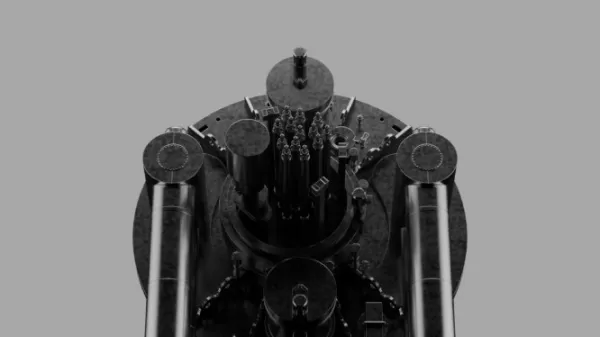
核能初創企業正將自己定位為人工智慧資料中心最緊迫挑戰的解決方案:可靠且全天候執行的能源。由比爾·蓋茨創立的 TerraPower 是最新加入者,據彭博社報道,該公司計劃在今年公佈其首個資料中心專案。雖然 TerraPower 尚未披露具體客戶,但該公司此前在 1 月宣佈,Meta 同意購買其八座 Natrium 發電廠。即將動工的資料中心專案預計於 2027 年破土動工,這將是該公司的第二座設施,繼其目前在建的位於懷俄明州的第一座發電廠之後。並非所有核反應堆都適合資料中心運營,但 Terra
 到2035年,美國資料中心在天然氣使用方面可能超過德國和日本
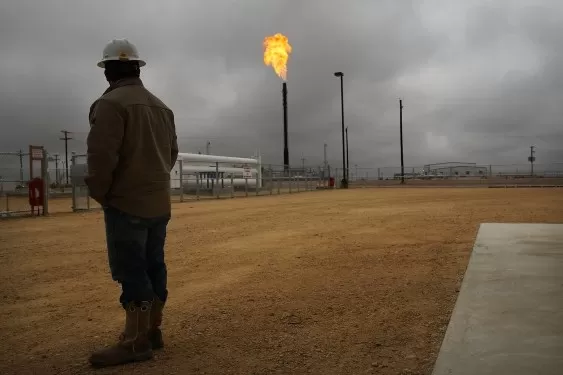
人工智慧軍備競賽已加劇至如此程度,預計到2035年,美國資料中心的天然氣消耗量將超過德國與日本的總和。在未來十年內,資料中心預計將成為天然氣需求增長的第二大驅動力,僅次於液化天然氣(LNG)出口。根據彭博新能源財經(BloombergNEF)的一份新報告,這些設施的日消耗量可能達到約180億立方英尺,幾乎是九個月前預測數字的兩倍。這一更新後的預測考慮到了並非所有宣佈的資料中心專案都能完工的可能性。近期,新聞焦點集中在資料中心自行發電上,Meta、微軟、谷歌和亞馬遜等科技巨頭宣佈計劃建設新的
 Relativity Networks 獲得 2200 萬美元融資,用於為資料中心部署高速光纖
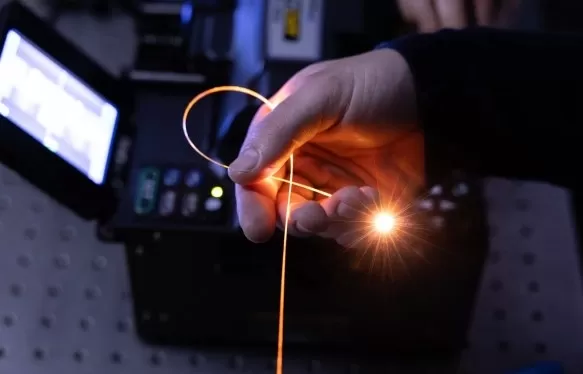
行業預測顯示,資料中心開發商將在本十年結束前投資高達4萬億美元,然而選址仍受到政治因素和電網限制的重大制約。儘管光纖速度通常被視為理所當然,但有一家公司正押注更快的光纖可能從根本上改變資料中心擴張背後的地理戰略。週二,Relativity Networks 宣佈獲得由 Rhapsody Venture Partners、Bell Ventures Inc. 和 Faster Than Glass LLC 等其他投資者領投的 2200 萬美元 SAFE 票據融資。SAFE 票據將在公司首輪定價融

2026 年最新高評分 AI 插畫工具:我們精心挑選的清單收錄了功能強大、設計出色的工具,能助您快速創作出令人驚豔的編輯場景與吸睛的封面藝術。每項選項均經過嚴格的實際測試,並提供免費版與付費版的比較,協助您找到最適合您工作流程的工具。 立即嘗試這些不可錯過的解決方案,釋放您的人工智慧優勢,並提升您的創意生產力。現在就前往 XIX.AI 探索吧。
10 個工具
xix.ai

2026 年最新、評價最高的考試備考 AI 輔導工具,盡在 XIX.AI!我們精心挑選的清單收錄了多款強大且顛覆傳統的工具,提供免費與付費版本的比較、實際測試,以及每週更新的排行榜。這些工具能幫助您提升寫作效率、簡化複雜主題的學習,並釋放您的學術潛能。 立即探索,發掘最適合您的備考工具,並從今天開始創作,釋放您的 AI 優勢!
10 個工具
xix.ai

2026 年最新最佳頂級評分 AI 預算規劃工具,專為個人財務管理打造,現已登陸 XIX.AI!本精選合集收錄了強大且具顛覆性的解決方案,助您開展實際測試、理解消費習慣,並制定個性化計劃以提升生產力。享受免費與付費版的對比及詳細排名。這些必試工具旨在簡化財務管理,助您釋放 AI 優勢。立即探索!
11 個工具
xix.ai

2026 年最新精選、評價最高的 AI 睡眠追蹤助手,助您獲得最佳恢復效果。這份全面更新的每週指南收錄了強大的工具,提供實際測試報告、免費與付費版本的比較,以及詳細排名,協助您找到必試的解決方案,以提升睡眠品質並培養更好的就寢習慣。 立即造訪 XIX.AI,解鎖您的 AI 優勢。
10 個工具
xix.ai

2026 年最新最佳、評價最高的 AI SQL 輔助工具,專為產品與營收分析打造! XIX.AI 精心甄選了一系列強大且顛覆業界的必試工具,這些工具均經過實戰測試,並透過每週更新的排行榜進行評比。這些工具能透過加速資料分析、簡化複雜查詢,並產生精準洞察來推動更明智的商業決策,從而大幅提升使用者生產力。立即探索,發掘最適合您的工具,釋放您的 AI 優勢!
14 個工具
xix.ai

2026 年最新最佳高評價 AI 作業輔助工具:不僅提供答案,更教授核心概念。專為學生打造的強大工具,必試精選清單,每週更新,免費與付費版本比較,實際測試,精準排名,助您充分發揮學習潛能。立即探索,發掘最適合您的工具,讓學習更聰明。
10 個工具
xix.ai












