


 家
マサチューセッツ州、データセンターに対する新たなクリーン電力の義務付けを導入
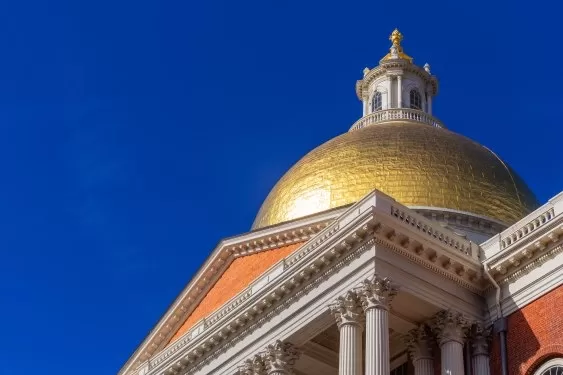
Massachusetts has joined the growing list of states requiring data centers to supply their own power, but with a significant caveat. A new state regulation mandates that developers constructing facilities exceeding 25 megawatts must either provide clean energy or contribute to a fund designed to protect utility ratepayers。
Governor Maura Healey’s executive order highlights a sharp reversal in state attitudes toward data centers. Only a few years ago, tech firms and developers were heavily incentivized to establish operations in specific states. Today, they face mounting public resistance as politicians respond to voter concerns and attempt to mitigate backlash。
Under Healey’s directive, data centers with a peak demand over 25 megawatts must secure their own power supply that complies with state clean energy standards. The governor encourages on-site clean power generation, but if that is not feasible, developers must finance new nearby generation capacity or pay into a ratepayer protection fund。
The executive order also instructs local communities to “avoid signing non-disclosure agreements.” To allow regulators time to enforce these new rules, the governor has suspended applications for a data center sales tax exemption that took effect last month。
While Healey stated that data centers must comply with Massachusetts’s existing clean energy standard, the new requirements are stricter. Current law requires industries to generate a portion of their power from approved sources such as wind, solar, and hydro, with targets increasing annually—for instance, reaching 40% by 2030. However, the governor’s office clarified that data centers will now be required to meet 100% of their electricity demand through clean energy generation。
These new restrictions make Massachusetts the third state in just three months to tighten regulations on data center expansion。
In August, Texas Governor Greg Abbott announced that all new data centers in the state must undergo audits by the Public Utility Commission and the grid operator, ERCOT. Similarly, in July, New York’s governor halted construction on new data centers with capacities of 50 megawatts or more。
As public opinion shifts against data centers, the tech industry is beginning to resist. A pro-AI super PAC named Leading the Future, funded by Marc Andreessen, Ben Horowitz, and Greg Brockman, is purchasing advertisements aimed at influencing voters in key battleground states ahead of the midterm elections。
Update: This article was updated with information from the Massachusetts governor’s office clarifying that the executive order requires data centers to meet 100% of their electricity demand with clean energy generation.
関連記事
 テラパワーの原子炉が、AIデータセンターへの電力供給における主要な解決策として浮上
原子力発電のスタートアップ企業は、AIデータセンターが直面する最も緊急性の高い課題である、信頼性の高い常時稼働型エネルギーの解決策として、自社の位置づけを確立している。ビル・ゲイツによって設立されたテラパワーは最新の参入企業であり、ブルームバーグの報道によれば、同社は今年中に最初のデータセンタープロジェクトを発表する計画である。テラパワーは特定の顧客を明らかにしていないが、1月にメタが同社のナトリウム炉8基を購入することに合意したと発表した。2027年に起工予定の今回のデータセンタープロジェク
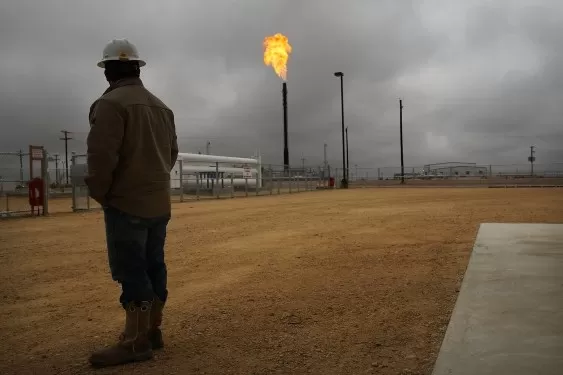
米国のデータセンターは、2035年までにドイツや日本よりも天然ガスの使用量で先行する可能性があります
AI兵器競争は激化し、2035年までに米国のデータセンターが消費する天然ガス量がドイツと日本の合計を上回る見込みとなった。今後10年で、データセンターはLNG輸出に次ぐ天然ガス需要増の第2位の要因となることが期待されている。BloombergNEFの新しいレポートによると、これらの施設は1日あたり約180億立方フィートの天然ガスを消費する可能性があり、これは9ヶ月前に予測された数値のほぼ2倍である。この更新された予測は、発表されたすべてのデータセンタープロジェクトが完了するわけではないという
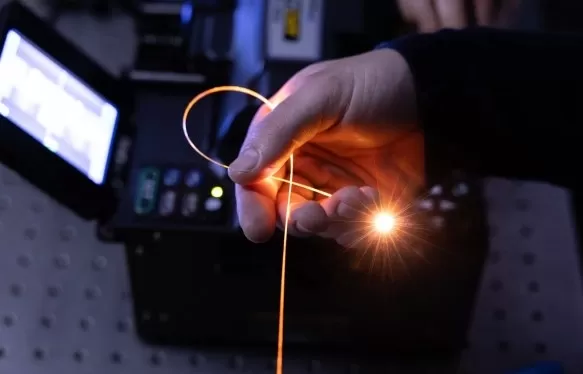
相関ネットワークズ、データセンター向け高速ファイバーネットワークの展開に2,200万ドルの資金調達を完了
業界予測では、データセンター開発者は10年後までに最大4兆ドルを投資すると見込まれているが、サイト選定は依然として政治的要因や電力網の制約によって大きく制限されている。ファイバーの速度は通常当然視されているが、ある企業はより高速なファイバーがデータセンター拡張の地理的戦略を根本的に変える可能性があると賭けている。火曜日、Relativity NetworksはRhapsody Venture Partners、Bell Ventures Inc.、Faster Than Glass LLCなど
関連特集おすすめ
デザインとアート
 おすすめのAIイラスト作成ツール:編集用シーンや表紙アートを素早く作成
2026年最新・高評価のAIイラストレーションツール:当サイトが厳選したこのリストには、見事な編集用シーンや人目を引く表紙アートを素早く作成できる、高性能なツールが掲載されています。各ツールは実環境での厳格なテストを経ており、無料版と有料版の比較も掲載されているため、ご自身のワークフローに最適なツールを見つけるのに役立ちます。 今すぐこれらの「必見」ソリューションを試して、AIの力を最大限に活用し、クリエイティブな生産性を高めましょう。XIX.AIで今すぐチェックしてください。
 10 ツール
 xix.ai
教育と学習
試験対策に最適なAIチューター:数学、理科、英語の練習
2026年最新の、試験対策で高評価を得ている最高のAIチューターがXIX.AIに登場!厳選されたこのリストには、無料版と有料版の比較、実戦的なテスト、毎週更新されるランキングなどを提供する、画期的なツールが勢ぞろいしています。これらは、ライティングの効率を高め、複雑なトピックの学習を簡素化し、あなたの学業的な可能性を引き出すのに役立ちます。 今すぐチェックして、あなたにぴったりの試験対策ツールを見つけ、今日から作成を始めて、AIの力を最大限に活用しましょう!
10 ツール
xix.ai
ファイナンス
個人のお金管理のためのAI予算計画ツール
2026年の最新・最高評価のAI予算管理ツールがXIX.AIで登場!この厳選コレクションは、現実的なテストを行い、支出習慣を理解し、生産性を高めるためのパーソナライズされた計画を作成するのに役立つ革新的なソリューションを提供しています。無料版と有料版の比較や詳細なランキングもご用意しています。お金の管理を簡素化し、AIの優位性を引き出すためにぜひ試してほしいツールです。今すぐチェックしましょう!
11 ツール
xix.ai
健康とウェルネス
AI睡眠追跡アシスタント:より良い就寝習慣で回復力を高める
2026年最新かつ最高評価を受けているAI睡眠追跡アシスタントを厳選し、最適な回復を実現できるようご紹介します。完全に更新されたこの週間ガイドには、実際のテスト結果や無料版と有料版の比較、詳細なランキングなど、睡眠の質を向上させてより良い就寝習慣をサポートする最適なソリューションを見つけるのに役立つ強力なツールが掲載されています。今すぐXIX.AIでご覧ください。
10 ツール
xix.ai
データ分析
製品および収益分析のためのAI SQLコパイロット
2026年版 製品・収益分析に最適な、高評価のAI SQLコパイロット最新ランキング! XIX.AIは、毎週更新されるランキングを通じて実環境でのテストを経た、強力で画期的な「ぜひ試すべきツール」を厳選しました。これらのツールは、データ分析を加速させ、複雑なクエリを効率化し、正確なインサイトを生成することで、ユーザーの生産性を大幅に向上させ、より賢明なビジネス意思決定を後押しします。今すぐチェックして、AIの真価を引き出すあなたにぴったりのツールを見つけましょう!
14 ツール
xix.ai
教育と学習
学びを促進する最高のAI宿題支援ツール:答えだけでなく、概念を学べる
2026年最新・最高評価のAI宿題サポートツール。単なる答えだけでなく、核心となる概念を教える、学生にとって強力なツール。ぜひ試してほしい厳選リスト。毎週更新。無料版と有料版の比較、実地テストによる正確なランキングで、あなたの学習能力を最大限に引き出します。今すぐチェックして、よりスマートな学習を実現するあなたにぴったりのツールを見つけましょう。
10 ツール
xix.ai

 コメント (0)
0/500
Massachusetts has joined the growing list of states requiring data centers to supply their own power, but with a significant caveat. A new state regulation mandates that developers constructing facilities exceeding 25 megawatts must either provide clean energy or contribute to a fund designed to protect utility ratepayers。
Governor Maura Healey’s executive order highlights a sharp reversal in state attitudes toward data centers. Only a few years ago, tech firms and developers were heavily incentivized to establish operations in specific states. Today, they face mounting public resistance as politicians respond to voter concerns and attempt to mitigate backlash。
Under Healey’s directive, data centers with a peak demand over 25 megawatts must secure their own power supply that complies with state clean energy standards. The governor encourages on-site clean power generation, but if that is not feasible, developers must finance new nearby generation capacity or pay into a ratepayer protection fund。
The executive order also instructs local communities to “avoid signing non-disclosure agreements.” To allow regulators time to enforce these new rules, the governor has suspended applications for a data center sales tax exemption that took effect last month。
While Healey stated that data centers must comply with Massachusetts’s existing clean energy standard, the new requirements are stricter. Current law requires industries to generate a portion of their power from approved sources such as wind, solar, and hydro, with targets increasing annually—for instance, reaching 40% by 2030. However, the governor’s office clarified that data centers will now be required to meet 100% of their electricity demand through clean energy generation。
These new restrictions make Massachusetts the third state in just three months to tighten regulations on data center expansion。
In August, Texas Governor Greg Abbott announced that all new data centers in the state must undergo audits by the Public Utility Commission and the grid operator, ERCOT. Similarly, in July, New York’s governor halted construction on new data centers with capacities of 50 megawatts or more。
As public opinion shifts against data centers, the tech industry is beginning to resist. A pro-AI super PAC named Leading the Future, funded by Marc Andreessen, Ben Horowitz, and Greg Brockman, is purchasing advertisements aimed at influencing voters in key battleground states ahead of the midterm elections。
Update: This article was updated with information from the Massachusetts governor’s office clarifying that the executive order requires data centers to meet 100% of their electricity demand with clean energy generation.








 テラパワーの原子炉が、AIデータセンターへの電力供給における主要な解決策として浮上
原子力発電のスタートアップ企業は、AIデータセンターが直面する最も緊急性の高い課題である、信頼性の高い常時稼働型エネルギーの解決策として、自社の位置づけを確立している。ビル・ゲイツによって設立されたテラパワーは最新の参入企業であり、ブルームバーグの報道によれば、同社は今年中に最初のデータセンタープロジェクトを発表する計画である。テラパワーは特定の顧客を明らかにしていないが、1月にメタが同社のナトリウム炉8基を購入することに合意したと発表した。2027年に起工予定の今回のデータセンタープロジェク
 米国のデータセンターは、2035年までにドイツや日本よりも天然ガスの使用量で先行する可能性があります
AI兵器競争は激化し、2035年までに米国のデータセンターが消費する天然ガス量がドイツと日本の合計を上回る見込みとなった。今後10年で、データセンターはLNG輸出に次ぐ天然ガス需要増の第2位の要因となることが期待されている。BloombergNEFの新しいレポートによると、これらの施設は1日あたり約180億立方フィートの天然ガスを消費する可能性があり、これは9ヶ月前に予測された数値のほぼ2倍である。この更新された予測は、発表されたすべてのデータセンタープロジェクトが完了するわけではないという
 相関ネットワークズ、データセンター向け高速ファイバーネットワークの展開に2,200万ドルの資金調達を完了
業界予測では、データセンター開発者は10年後までに最大4兆ドルを投資すると見込まれているが、サイト選定は依然として政治的要因や電力網の制約によって大きく制限されている。ファイバーの速度は通常当然視されているが、ある企業はより高速なファイバーがデータセンター拡張の地理的戦略を根本的に変える可能性があると賭けている。火曜日、Relativity NetworksはRhapsody Venture Partners、Bell Ventures Inc.、Faster Than Glass LLCなど

2026年最新・高評価のAIイラストレーションツール:当サイトが厳選したこのリストには、見事な編集用シーンや人目を引く表紙アートを素早く作成できる、高性能なツールが掲載されています。各ツールは実環境での厳格なテストを経ており、無料版と有料版の比較も掲載されているため、ご自身のワークフローに最適なツールを見つけるのに役立ちます。 今すぐこれらの「必見」ソリューションを試して、AIの力を最大限に活用し、クリエイティブな生産性を高めましょう。XIX.AIで今すぐチェックしてください。
10 ツール
xix.ai

2026年最新の、試験対策で高評価を得ている最高のAIチューターがXIX.AIに登場!厳選されたこのリストには、無料版と有料版の比較、実戦的なテスト、毎週更新されるランキングなどを提供する、画期的なツールが勢ぞろいしています。これらは、ライティングの効率を高め、複雑なトピックの学習を簡素化し、あなたの学業的な可能性を引き出すのに役立ちます。 今すぐチェックして、あなたにぴったりの試験対策ツールを見つけ、今日から作成を始めて、AIの力を最大限に活用しましょう!
10 ツール
xix.ai

2026年の最新・最高評価のAI予算管理ツールがXIX.AIで登場!この厳選コレクションは、現実的なテストを行い、支出習慣を理解し、生産性を高めるためのパーソナライズされた計画を作成するのに役立つ革新的なソリューションを提供しています。無料版と有料版の比較や詳細なランキングもご用意しています。お金の管理を簡素化し、AIの優位性を引き出すためにぜひ試してほしいツールです。今すぐチェックしましょう!
11 ツール
xix.ai

2026年最新かつ最高評価を受けているAI睡眠追跡アシスタントを厳選し、最適な回復を実現できるようご紹介します。完全に更新されたこの週間ガイドには、実際のテスト結果や無料版と有料版の比較、詳細なランキングなど、睡眠の質を向上させてより良い就寝習慣をサポートする最適なソリューションを見つけるのに役立つ強力なツールが掲載されています。今すぐXIX.AIでご覧ください。
10 ツール
xix.ai

2026年版 製品・収益分析に最適な、高評価のAI SQLコパイロット最新ランキング! XIX.AIは、毎週更新されるランキングを通じて実環境でのテストを経た、強力で画期的な「ぜひ試すべきツール」を厳選しました。これらのツールは、データ分析を加速させ、複雑なクエリを効率化し、正確なインサイトを生成することで、ユーザーの生産性を大幅に向上させ、より賢明なビジネス意思決定を後押しします。今すぐチェックして、AIの真価を引き出すあなたにぴったりのツールを見つけましょう!
14 ツール
xix.ai

2026年最新・最高評価のAI宿題サポートツール。単なる答えだけでなく、核心となる概念を教える、学生にとって強力なツール。ぜひ試してほしい厳選リスト。毎週更新。無料版と有料版の比較、実地テストによる正確なランキングで、あなたの学習能力を最大限に引き出します。今すぐチェックして、よりスマートな学習を実現するあなたにぴったりのツールを見つけましょう。
10 ツール
xix.ai












