


 집
매사추세츠주, 데이터센터에 새로운 청정 전력 의무 부과

Massachusetts has joined the growing list of states requiring data centers to supply their own power, but with a significant caveat. A new state regulation mandates that developers constructing facilities exceeding 25 megawatts must either provide clean energy or contribute to a fund designed to protect utility ratepayers.
Governor Maura Healey’s executive order highlights a sharp reversal in state attitudes toward data centers. Only a few years ago, tech firms and developers were heavily incentivized to establish operations in specific states. Today, they face mounting public resistance as politicians respond to voter concerns and attempt to mitigate backlash.
Under Healey’s directive, data centers with a peak demand over 25 megawatts must secure their own power supply that complies with state clean energy standards. The governor encourages on-site clean power generation, but if that is not feasible, developers must finance new nearby generation capacity or pay into a ratepayer protection fund.
The executive order also instructs local communities to “avoid signing non-disclosure agreements.” To allow regulators time to enforce these new rules, the governor has suspended applications for a data center sales tax exemption that took effect last month.
While Healey stated that data centers must comply with Massachusetts’s existing clean energy standard, the new requirements are stricter. Current law requires industries to generate a portion of their power from approved sources such as wind, solar, and hydro, with targets increasing annually—for instance, reaching 40% by 2030. However, the governor’s office clarified that data centers will now be required to meet 100% of their electricity demand through clean energy generation.
These new restrictions make Massachusetts the third state in just three months to tighten regulations on data center expansion.
In August, Texas Governor Greg Abbott announced that all new data centers in the state must undergo audits by the Public Utility Commission and the grid operator, ERCOT. Similarly, in July, New York’s governor halted construction on new data centers with capacities of 50 megawatts or more.
As public opinion shifts against data centers, the tech industry is beginning to resist. A pro-AI super PAC named Leading the Future, funded by Marc Andreessen, Ben Horowitz, and Greg Brockman, is purchasing advertisements aimed at influencing voters in key battleground states ahead of the midterm elections.
Update: This article was updated with information from the Massachusetts governor’s office clarifying that the executive order requires data centers to meet 100% of their electricity demand with clean energy generation.
관련 기사
 테라파워의 원자력 발전소가 AI 데이터 센터에 전력을 공급하는 핵심 솔루션으로 부상
원자력 발전 스타트업들은 AI 데이터 센터의 가장 시급한 과제인 신뢰할 수 있고 항상 가동 가능한 에너지에 대한 해결책으로 자신을 포지셔닝하고 있습니다. 빌 게이츠가 설립한 테라파워는 블룸버그의 보도에 따르면 올해 첫 데이터 센터 프로젝트를 공개할 계획인 최신 참가자입니다.테라파워은 구체적인 고객사를 공개하지 않았지만, 지난 1월 메타가 테라파워의 나트륨(Natrium) 발전소 8기를 구매하기로 동의했다고 이전에 발표한 바 있습니다. 2027
미국의 데이터 센터는 2035년까지 독일과 일본을 제치고 천연가스 사용량에서 앞지를 수 있다
AI军備競争は激化し、2035年までに米国のデータセンターが消費する天然ガス量がドイツと日本の合計を上回る見込みとなった。今後10年で、データセンターはLNG輸出に次ぐ天然ガス需要増の第2位の要因になると予想されている。BloombergNEFの新しいレポートによると、これらの施設は1日あたり約180億立方フィートの天然ガスを消費する可能性があり、これは9ヶ月前に予測された数値のほぼ2倍である。この更新された予測は、発表されたすべてのデータセンタープロジェクトが完了するわけではないという可能
레일리티 네트워크스가 데이터센터를 위한 고속 광대역 네트워크 구축을 위해 2,200만 달러를 조달
산업 예측에 따르면 데이터 센터 개발자들은 10년 말까지 최대 4조 달러를 투자할 것으로 전망되지만, 입지 선정은 여전히 정치적 요인과 전력망 제한에 크게 제약받고 있습니다. 일반적으로 광속도는 당연시되지만, 한 기업은 더 빠른 광섬유가 데이터 센터 확장 뒤의 지리적 전략을 근본적으로 바꿀 수 있다고 보고 있습니다.화요일, 레라티비티 네트워크(Relativity Networks)는 랩소디 벤처 파트너스(Rhapsody Venture Partn
관련 특별 주제 추천
디자인과 예술
 최고의 AI 일러스트레이션 도구: 편집용 장면과 표지 아트를 더 빠르게 제작하세요
2026년 최신 최고 평점 AI 일러스트레이션 도구: 저희가 엄선한 이 목록에는 멋진 편집용 장면과 눈길을 사로잡는 표지 아트를 빠르게 제작할 수 있는, 강력하고 정교하게 설계된 최고의 도구들이 포함되어 있습니다. 각 도구는 엄격한 실전 테스트를 거쳤으며, 무료 버전과 유료 버전을 비교해 드려 여러분의 워크플로우에 딱 맞는 도구를 찾으실 수 있도록 도와드립니다. 오늘 바로 이 필수 솔루션을 사용해 AI의 장점을 극대화하고 창의적인 생산성을 높여보세요. 지금 XIX.AI에서 확인해 보세요.
 10 도구
 xix.ai
교육 및 학습
시험 준비를 위한 최고의 AI 과외 선생님: 수학, 과학, 영어 실전 연습
2026년 최신 최고 평점을 받은 최고의 시험 대비 AI 튜터들이 XIX.AI에 모였습니다! 저희가 엄선한 이 목록에는 무료와 유료 서비스 비교, 실제 시험 문제, 매주 업데이트되는 순위 정보를 제공하는 획기적인 도구들이 포함되어 있습니다. 이 도구들은 여러분의 글쓰기 효율을 높이고, 복잡한 주제 학습을 단순화하며, 학업적 잠재력을 최대한 발휘할 수 있도록 도와줍니다. 지금 바로 탐색하여 여러분에게 딱 맞는 시험 준비 도구를 찾아보세요. 오늘부터 창작을 시작하여 AI의 장점을 최대한 활용하세요!
10 도구
xix.ai
재원
개인 자금 관리를 위한 AI 예산 계획 도구
2026년 최신 최고의 평점 높은 AI 예산 관리 도구들이 XIX.AI에서 만나보세요! 이 선별된 컬렉션은 실제 테스트를 수행하고, 지출 습관을 이해하며, 생산성을 높일 수 있는 맞춤형 계획을 수립할 수 있도록 도와주는 강력한 혁신 솔루션을 제공합니다. 무료와 유료 버전을 비교하고 상세한 순위도 확인하세요. 돈 관리를 간소화하고 AI의 이점을 극대화하도록 설계된 필수 도구들을 지금 바로 탐색해 보세요!
11 도구
xix.ai
건강과 웰니스
AI 수면 추적 어시스턴트: 더 나은 취침 습관으로 회복력 향상
2026년 최신의 우수하고 평점이 높은 AI 수면 추적 보조 도구들을 엄선하여 최상의 회복 효과를 제공합니다. 완전히 새롭게 업데이트된 이 주간 가이드에는 실제 환경에서의 테스트 결과, 무료 버전과 유료 버전의 비교 내용, 그리고 상세한 순위 정보가 담겨 있어 수면의 질을 향상시키고 보다 건강한 취침 습관을 형성하는 데 도움이 되는 최적의 솔루션을 찾는 데 유용합니다. 지금 바로 XIX.AI에서 확인하여 AI 기술의 장점을 활용해 보세요.
10 도구
xix.ai
데이터 분석
제품 및 매출 분석을 위한 AI SQL 코파일럿
2026년 제품 및 매출 분석을 위한 최신 최고 평점 AI SQL 코파일럿! XIX.AI는 매주 업데이트되는 랭킹을 통해 실제 환경에서 검증된, 강력하고 판도를 바꿀 만한 필수 도구를 엄선했습니다. 이 도구들은 데이터 분석 속도를 높이고, 복잡한 쿼리를 간소화하며, 정확한 인사이트를 도출하여 더 현명한 비즈니스 의사결정을 내릴 수 있도록 지원함으로써 사용자의 생산성을 획기적으로 향상시킵니다. 지금 바로 살펴보고, 여러분의 AI 경쟁력을 극대화할 완벽한 도구를 찾아보세요!
14 도구
xix.ai
교육 및 학습
배움을 돕는 최고의 AI 숙제 도우미: 단순한 정답이 아닌 개념을 익히세요
2026년 최신 최고 평점을 받은 AI 숙제 도우미: 단순한 정답 제공이 아닌 핵심 개념을 가르쳐 주는 학생들을 위한 강력한 도구. 꼭 사용해 봐야 할 엄선된 목록, 매주 업데이트, 무료 vs 유료 비교, 실제 사용 후기, 정확한 순위 정보를 통해 여러분의 학습 잠재력을 최대한 발휘할 수 있도록 도와드립니다. 지금 바로 살펴보고 더 스마트한 공부를 위한 완벽한 도구를 찾아보세요.
10 도구
xix.ai

 의견 (0)
0/500
Massachusetts has joined the growing list of states requiring data centers to supply their own power, but with a significant caveat. A new state regulation mandates that developers constructing facilities exceeding 25 megawatts must either provide clean energy or contribute to a fund designed to protect utility ratepayers.
Governor Maura Healey’s executive order highlights a sharp reversal in state attitudes toward data centers. Only a few years ago, tech firms and developers were heavily incentivized to establish operations in specific states. Today, they face mounting public resistance as politicians respond to voter concerns and attempt to mitigate backlash.
Under Healey’s directive, data centers with a peak demand over 25 megawatts must secure their own power supply that complies with state clean energy standards. The governor encourages on-site clean power generation, but if that is not feasible, developers must finance new nearby generation capacity or pay into a ratepayer protection fund.
The executive order also instructs local communities to “avoid signing non-disclosure agreements.” To allow regulators time to enforce these new rules, the governor has suspended applications for a data center sales tax exemption that took effect last month.
While Healey stated that data centers must comply with Massachusetts’s existing clean energy standard, the new requirements are stricter. Current law requires industries to generate a portion of their power from approved sources such as wind, solar, and hydro, with targets increasing annually—for instance, reaching 40% by 2030. However, the governor’s office clarified that data centers will now be required to meet 100% of their electricity demand through clean energy generation.
These new restrictions make Massachusetts the third state in just three months to tighten regulations on data center expansion.
In August, Texas Governor Greg Abbott announced that all new data centers in the state must undergo audits by the Public Utility Commission and the grid operator, ERCOT. Similarly, in July, New York’s governor halted construction on new data centers with capacities of 50 megawatts or more.
As public opinion shifts against data centers, the tech industry is beginning to resist. A pro-AI super PAC named Leading the Future, funded by Marc Andreessen, Ben Horowitz, and Greg Brockman, is purchasing advertisements aimed at influencing voters in key battleground states ahead of the midterm elections.
Update: This article was updated with information from the Massachusetts governor’s office clarifying that the executive order requires data centers to meet 100% of their electricity demand with clean energy generation.








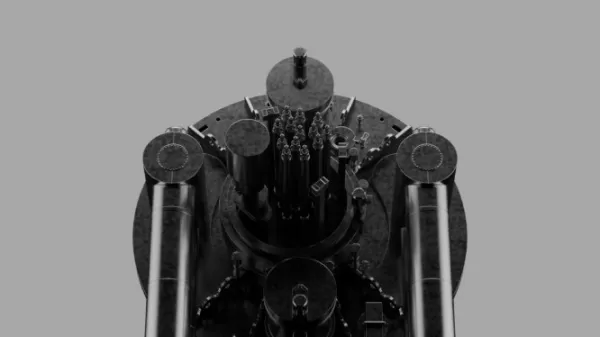 테라파워의 원자력 발전소가 AI 데이터 센터에 전력을 공급하는 핵심 솔루션으로 부상
원자력 발전 스타트업들은 AI 데이터 센터의 가장 시급한 과제인 신뢰할 수 있고 항상 가동 가능한 에너지에 대한 해결책으로 자신을 포지셔닝하고 있습니다. 빌 게이츠가 설립한 테라파워는 블룸버그의 보도에 따르면 올해 첫 데이터 센터 프로젝트를 공개할 계획인 최신 참가자입니다.테라파워은 구체적인 고객사를 공개하지 않았지만, 지난 1월 메타가 테라파워의 나트륨(Natrium) 발전소 8기를 구매하기로 동의했다고 이전에 발표한 바 있습니다. 2027
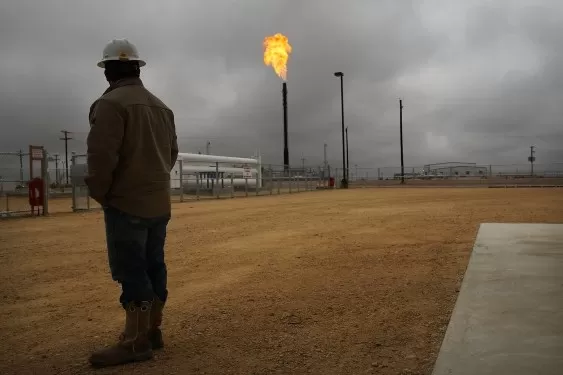 미국의 데이터 센터는 2035년까지 독일과 일본을 제치고 천연가스 사용량에서 앞지를 수 있다
AI军備競争は激化し、2035年までに米国のデータセンターが消費する天然ガス量がドイツと日本の合計を上回る見込みとなった。今後10年で、データセンターはLNG輸出に次ぐ天然ガス需要増の第2位の要因になると予想されている。BloombergNEFの新しいレポートによると、これらの施設は1日あたり約180億立方フィートの天然ガスを消費する可能性があり、これは9ヶ月前に予測された数値のほぼ2倍である。この更新された予測は、発表されたすべてのデータセンタープロジェクトが完了するわけではないという可能
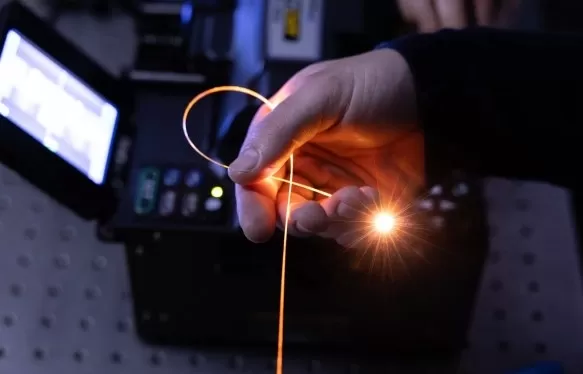 레일리티 네트워크스가 데이터센터를 위한 고속 광대역 네트워크 구축을 위해 2,200만 달러를 조달
산업 예측에 따르면 데이터 센터 개발자들은 10년 말까지 최대 4조 달러를 투자할 것으로 전망되지만, 입지 선정은 여전히 정치적 요인과 전력망 제한에 크게 제약받고 있습니다. 일반적으로 광속도는 당연시되지만, 한 기업은 더 빠른 광섬유가 데이터 센터 확장 뒤의 지리적 전략을 근본적으로 바꿀 수 있다고 보고 있습니다.화요일, 레라티비티 네트워크(Relativity Networks)는 랩소디 벤처 파트너스(Rhapsody Venture Partn

2026년 최신 최고 평점 AI 일러스트레이션 도구: 저희가 엄선한 이 목록에는 멋진 편집용 장면과 눈길을 사로잡는 표지 아트를 빠르게 제작할 수 있는, 강력하고 정교하게 설계된 최고의 도구들이 포함되어 있습니다. 각 도구는 엄격한 실전 테스트를 거쳤으며, 무료 버전과 유료 버전을 비교해 드려 여러분의 워크플로우에 딱 맞는 도구를 찾으실 수 있도록 도와드립니다. 오늘 바로 이 필수 솔루션을 사용해 AI의 장점을 극대화하고 창의적인 생산성을 높여보세요. 지금 XIX.AI에서 확인해 보세요.
10 도구
xix.ai

2026년 최신 최고 평점을 받은 최고의 시험 대비 AI 튜터들이 XIX.AI에 모였습니다! 저희가 엄선한 이 목록에는 무료와 유료 서비스 비교, 실제 시험 문제, 매주 업데이트되는 순위 정보를 제공하는 획기적인 도구들이 포함되어 있습니다. 이 도구들은 여러분의 글쓰기 효율을 높이고, 복잡한 주제 학습을 단순화하며, 학업적 잠재력을 최대한 발휘할 수 있도록 도와줍니다. 지금 바로 탐색하여 여러분에게 딱 맞는 시험 준비 도구를 찾아보세요. 오늘부터 창작을 시작하여 AI의 장점을 최대한 활용하세요!
10 도구
xix.ai

2026년 최신 최고의 평점 높은 AI 예산 관리 도구들이 XIX.AI에서 만나보세요! 이 선별된 컬렉션은 실제 테스트를 수행하고, 지출 습관을 이해하며, 생산성을 높일 수 있는 맞춤형 계획을 수립할 수 있도록 도와주는 강력한 혁신 솔루션을 제공합니다. 무료와 유료 버전을 비교하고 상세한 순위도 확인하세요. 돈 관리를 간소화하고 AI의 이점을 극대화하도록 설계된 필수 도구들을 지금 바로 탐색해 보세요!
11 도구
xix.ai

2026년 최신의 우수하고 평점이 높은 AI 수면 추적 보조 도구들을 엄선하여 최상의 회복 효과를 제공합니다. 완전히 새롭게 업데이트된 이 주간 가이드에는 실제 환경에서의 테스트 결과, 무료 버전과 유료 버전의 비교 내용, 그리고 상세한 순위 정보가 담겨 있어 수면의 질을 향상시키고 보다 건강한 취침 습관을 형성하는 데 도움이 되는 최적의 솔루션을 찾는 데 유용합니다. 지금 바로 XIX.AI에서 확인하여 AI 기술의 장점을 활용해 보세요.
10 도구
xix.ai

2026년 제품 및 매출 분석을 위한 최신 최고 평점 AI SQL 코파일럿! XIX.AI는 매주 업데이트되는 랭킹을 통해 실제 환경에서 검증된, 강력하고 판도를 바꿀 만한 필수 도구를 엄선했습니다. 이 도구들은 데이터 분석 속도를 높이고, 복잡한 쿼리를 간소화하며, 정확한 인사이트를 도출하여 더 현명한 비즈니스 의사결정을 내릴 수 있도록 지원함으로써 사용자의 생산성을 획기적으로 향상시킵니다. 지금 바로 살펴보고, 여러분의 AI 경쟁력을 극대화할 완벽한 도구를 찾아보세요!
14 도구
xix.ai

2026년 최신 최고 평점을 받은 AI 숙제 도우미: 단순한 정답 제공이 아닌 핵심 개념을 가르쳐 주는 학생들을 위한 강력한 도구. 꼭 사용해 봐야 할 엄선된 목록, 매주 업데이트, 무료 vs 유료 비교, 실제 사용 후기, 정확한 순위 정보를 통해 여러분의 학습 잠재력을 최대한 발휘할 수 있도록 도와드립니다. 지금 바로 살펴보고 더 스마트한 공부를 위한 완벽한 도구를 찾아보세요.
10 도구
xix.ai












