


 Home
HomeZTE and ByteDance Deeply Integrate for Doubao AI Phone Launch in Q2
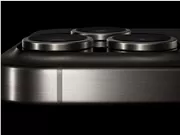
According to Zhichacha , citing Tencent Technology, the deep collaboration between ZTE and ByteDance has entered a period of fruitful results. The next-generation DotBao AI phones co-developed by the two companies are expected to officially launch in the middle to late second quarter of 2026. This product is seen as the culmination of ZTE's strategic transformation in its terminal business, aiming to evolve AI from a simple conversational tool into an "intelligent agent" with autonomous capabilities.
Past Performance: Engineering Models Sold for 36,000 Yuan, Hard to Get
The high expectations for this new model stem from the impressive performance of its predecessor.
Low-Key Launch, High-Profile Success: In December 2025, the Nubia M153 DotBao AI phone, resulting from the collaboration between the two companies, was released in limited quantities (only 30,000 units) as an engineering prototype.
Surprising Premium: Due to its unique system-level AI experience, the device once sold for as much as 36,000 yuan on the second-hand market, making it the top digital investment product of the year.
Core Logic: Deep Integration of Large Models and System-Level Permissions
Unlike common "shell" AI applications on the market, the partnership between ZTE and ByteDance follows a system-level deep integration approach:
Permission Opening: ByteDance's DotBao large model is directly integrated with the underlying permissions of the ZTE system.
Autonomous Cross-Application: AI is no longer limited to answering questions; it can understand complex instructions and perform autonomous task scheduling across apps, fundamentally changing how users interact with their phones.
Strategic Positioning: Self-Developed Platform "Co-Claw" Launched Simultaneously
At the recent Boao Forum for Asia, the ZTE Chairman further revealed the company's grand vision for AI:
Self-Developed Platform: ZTE's self-developed intelligent agent platform "Co-Claw" has been officially launched.
Parallel Development: While deepening its collaboration with ByteDance, ZTE will also launch AI phones based on its self-developed platform within the year, building a full-stack AI capability.
Industry Insight: ZTE's "AI Visibility" Is Returning
For a long time, ZTE's presence in the terminal market has been relatively quiet. However, through a strong partnership with partners like ByteDance, which have top-tier algorithms and traffic, ZTE is successfully leveraging the high-visibility label of DotBao AI to rapidly increase its brand visibility in the era of AI phones.
Conclusion: AI Phones Enter the "Intelligent Agent" Era
When phones begin to gain the ability to think and act autonomously, traditional operating system logic faces deconstruction. The "full-stack" experiment between ZTE and ByteDance may represent a key puzzle piece in the future form of mobile terminals.
Related article
 DeepMind CEO Hassabis: I sleep six hours a day, usually feel energetic around 1 a.m.
Fortune recently featured an interview with Demis Hassabis, CEO of Google DeepMind, revealing his unconventional approach to rest and productivity. Hassabis disclosed that he sleeps very little, structuring his waking hours into two distinct work blo
OpenAI, Anthropic Vie for Market Share Despite Revenue Shortfalls
Despite recent reports suggesting OpenAI missed revenue targets, creating pressure on tech stocks this Tuesday, private AI lab investors remain resilient. Seasoned backers have confirmed they will not reduce investment despite negative media coverage
California AV Compliance: A New Era of Tickets, Geofences, and 1M Miles
Guident operates an AuveTech shuttle in South Florida, managing a four-mile route in West Palm Beach and a one-mile route in Boca Raton using its remote monitoring technology. | Credit: GuidentCalifornia is redefining the regulatory landscape for dri
Related Special Topic Recommendations
chatbot
DeepMind CEO Hassabis: I sleep six hours a day, usually feel energetic around 1 a.m.
Fortune recently featured an interview with Demis Hassabis, CEO of Google DeepMind, revealing his unconventional approach to rest and productivity. Hassabis disclosed that he sleeps very little, structuring his waking hours into two distinct work blo
OpenAI, Anthropic Vie for Market Share Despite Revenue Shortfalls
Despite recent reports suggesting OpenAI missed revenue targets, creating pressure on tech stocks this Tuesday, private AI lab investors remain resilient. Seasoned backers have confirmed they will not reduce investment despite negative media coverage
California AV Compliance: A New Era of Tickets, Geofences, and 1M Miles
Guident operates an AuveTech shuttle in South Florida, managing a four-mile route in West Palm Beach and a one-mile route in Boca Raton using its remote monitoring technology. | Credit: GuidentCalifornia is redefining the regulatory landscape for dri
Related Special Topic Recommendations
chatbot
 Best AI Roleplay Chat Apps for Language Practice, Interview Prep, and Daily Fluency
2026 Latest Best Top-rated AI Roleplay Chat Apps for Language Practice, Interview Prep, and Daily Fluency! XIX.AI curates a powerful game-changing collection that offers free vs paid comparison, real-world tests, and updated rankings weekly. These must-try tools help you boost writing skills, overcome fluency challenges, and improve communication efficiency across all daily scenarios. Explore now to discover your perfect tool for language growth!
 10 tools
 xix.ai
Music composition
AI Stem Separation Tools for Remix Production, Sampling Prep, and Karaoke Masters
xix.ai
Music composition
AI Stem Separation Tools for Remix Production, Sampling Prep, and Karaoke Masters
2026 Latest Best Top-rated AI Stem Separation Tools Curated for Remix Production, Sampling Prep, and Karaoke Masters. These powerful game-changing tools offer real-world tests to deliver precise audio isolation, boosting productivity significantly. XIX.AI provides a weekly updated free vs paid comparison guide to help you find the must-try solution that suits your needs. Explore now to unlock your AI edge.
8 tools
xix.ai
Data Analysis
AI SQL Copilots for Revenue Dashboards, Funnel Analysis, and Product Metrics
2026 Latest Best AI SQL Copilots Ranked Top-Rated! XIX.AI curates a powerful game-changing collection for weekly updated real-world tests. These must-try tools help you generate accurate revenue dashboards, analyze sales funnels, and track product metrics swiftly, boosting productivity massively. Explore now to Discover your perfect tool for data-driven decision making! 238 characters
9 tools
xix.ai
Music composition
Best AI Melody Writing Tools for Song Drafts
2026 Latest Best Top-Rated AI Melody Writing Tools for Song Drafts! XIX.AI has curated a highly powerful game-changing collection that goes through rigorous real-world tests to deliver the best writing experience. You can find detailed free vs paid comparisons, accurate rankings, and must-try options designed to help you create stunning song drafts effortlessly and boost your creative productivity significantly. Explore now to discover your perfect tool!
8 tools
xix.ai
chatbot
Best AI Conversation Trainer Tools for Interview Practice
2026 Latest Best Top-rated AI Conversation Trainer Tools for Interview Practice are here on XIX.AI! This curated collection features powerful, game-changing tools that go through rigorous real-world tests to deliver accurate feedback. You’ll find a free vs paid comparison and detailed rankings to help you choose the must-try option that boosts your confidence and skills. Explore now to Discover your perfect tool for interview success!
12 tools
xix.ai
Design & Art
Best AI Style Transfer Tools for Creative Experiments
2026 Latest Best Top-rated AI Style Transfer Tools for Creative Experiments! XIX.AI has curated a powerful, game-changing collection of must-try tools that deliver exceptional results through real-world tests and rigorous rankings. These top solutions help creatives boost productivity significantly by accelerating content creation and unlocking endless creative possibilities. Explore now to discover your perfect tool and start creating today!
9 tools
xix.ai

 Comments (0)
0/500
Comments (0)
0/500
According to
Past Performance: Engineering Models Sold for 36,000 Yuan, Hard to Get
The high expectations for this new model stem from the impressive performance of its predecessor.
Low-Key Launch, High-Profile Success: In December 2025, the Nubia M153
Surprising Premium: Due to its unique system-level AI experience, the device once sold for as much as 36,000 yuan on the second-hand market, making it the top digital investment product of the year.
Core Logic: Deep Integration of Large Models and System-Level Permissions
Unlike common "shell" AI applications on the market, the partnership between ZTE and ByteDance follows a system-level deep integration approach:
Permission Opening: ByteDance's DotBao large model is directly integrated with the underlying permissions of the
Autonomous Cross-Application: AI is no longer limited to answering questions; it can understand complex instructions and perform autonomous task scheduling across apps, fundamentally changing how users interact with their phones.
Strategic Positioning: Self-Developed Platform "Co-Claw" Launched Simultaneously
At the recent Boao Forum for Asia, the
Self-Developed Platform: ZTE's self-developed intelligent agent platform "Co-Claw" has been officially launched.
Parallel Development: While deepening its collaboration with ByteDance, ZTE will also launch AI phones based on its self-developed platform within the year, building a full-stack AI capability.
Industry Insight: ZTE's "AI Visibility" Is Returning
For a long time, ZTE's presence in the terminal market has been relatively quiet. However, through a strong partnership with partners like ByteDance, which have top-tier algorithms and traffic, ZTE is successfully leveraging the high-visibility label of DotBao AI to rapidly increase its brand visibility in the era of AI phones.
Conclusion: AI Phones Enter the "Intelligent Agent" Era
When phones begin to gain the ability to think and act autonomously, traditional operating system logic faces deconstruction. The "full-stack" experiment between ZTE and ByteDance may represent a key puzzle piece in the future form of mobile terminals.








 DeepMind CEO Hassabis: I sleep six hours a day, usually feel energetic around 1 a.m.
Fortune recently featured an interview with Demis Hassabis, CEO of Google DeepMind, revealing his unconventional approach to rest and productivity. Hassabis disclosed that he sleeps very little, structuring his waking hours into two distinct work blo
DeepMind CEO Hassabis: I sleep six hours a day, usually feel energetic around 1 a.m.
Fortune recently featured an interview with Demis Hassabis, CEO of Google DeepMind, revealing his unconventional approach to rest and productivity. Hassabis disclosed that he sleeps very little, structuring his waking hours into two distinct work blo
 OpenAI, Anthropic Vie for Market Share Despite Revenue Shortfalls
Despite recent reports suggesting OpenAI missed revenue targets, creating pressure on tech stocks this Tuesday, private AI lab investors remain resilient. Seasoned backers have confirmed they will not reduce investment despite negative media coverage
California AV Compliance: A New Era of Tickets, Geofences, and 1M Miles
Guident operates an AuveTech shuttle in South Florida, managing a four-mile route in West Palm Beach and a one-mile route in Boca Raton using its remote monitoring technology. | Credit: GuidentCalifornia is redefining the regulatory landscape for dri
OpenAI, Anthropic Vie for Market Share Despite Revenue Shortfalls
Despite recent reports suggesting OpenAI missed revenue targets, creating pressure on tech stocks this Tuesday, private AI lab investors remain resilient. Seasoned backers have confirmed they will not reduce investment despite negative media coverage
California AV Compliance: A New Era of Tickets, Geofences, and 1M Miles
Guident operates an AuveTech shuttle in South Florida, managing a four-mile route in West Palm Beach and a one-mile route in Boca Raton using its remote monitoring technology. | Credit: GuidentCalifornia is redefining the regulatory landscape for dri

2026 Latest Best Top-rated AI Roleplay Chat Apps for Language Practice, Interview Prep, and Daily Fluency! XIX.AI curates a powerful game-changing collection that offers free vs paid comparison, real-world tests, and updated rankings weekly. These must-try tools help you boost writing skills, overcome fluency challenges, and improve communication efficiency across all daily scenarios. Explore now to discover your perfect tool for language growth!
10 tools
xix.ai
2026 Latest Best Top-rated AI Stem Separation Tools Curated for Remix Production, Sampling Prep, and Karaoke Masters. These powerful game-changing tools offer real-world tests to deliver precise audio isolation, boosting productivity significantly. XIX.AI provides a weekly updated free vs paid comparison guide to help you find the must-try solution that suits your needs. Explore now to unlock your AI edge.
8 tools
xix.ai

2026 Latest Best AI SQL Copilots Ranked Top-Rated! XIX.AI curates a powerful game-changing collection for weekly updated real-world tests. These must-try tools help you generate accurate revenue dashboards, analyze sales funnels, and track product metrics swiftly, boosting productivity massively. Explore now to Discover your perfect tool for data-driven decision making! 238 characters
9 tools
xix.ai

2026 Latest Best Top-Rated AI Melody Writing Tools for Song Drafts! XIX.AI has curated a highly powerful game-changing collection that goes through rigorous real-world tests to deliver the best writing experience. You can find detailed free vs paid comparisons, accurate rankings, and must-try options designed to help you create stunning song drafts effortlessly and boost your creative productivity significantly. Explore now to discover your perfect tool!
8 tools
xix.ai
2026 Latest Best Top-rated AI Conversation Trainer Tools for Interview Practice are here on XIX.AI! This curated collection features powerful, game-changing tools that go through rigorous real-world tests to deliver accurate feedback. You’ll find a free vs paid comparison and detailed rankings to help you choose the must-try option that boosts your confidence and skills. Explore now to Discover your perfect tool for interview success!
12 tools
xix.ai

2026 Latest Best Top-rated AI Style Transfer Tools for Creative Experiments! XIX.AI has curated a powerful, game-changing collection of must-try tools that deliver exceptional results through real-world tests and rigorous rankings. These top solutions help creatives boost productivity significantly by accelerating content creation and unlocking endless creative possibilities. Explore now to discover your perfect tool and start creating today!
9 tools
xix.ai












