


 Home
HomeSnapchat Drops Rewards for Fully AI-Generated Spotlight Content

Snapchat is taking a firm stand against low-quality AI-generated content. The social media platform will stop promoting fully AI-created videos, prioritizing human-made content instead.
On Friday, Snapchat announced that its recommendation algorithms will be updated to ensure only videos made by real people qualify for Spotlight.
In a blog post, Snapchat stated its goal is to keep Spotlight “a place where people can discover authentic creativity from real people, because we believe there’s enduring value in rewarding original perspectives, personal storytelling, and the moments that people choose to create and share themselves.”
However, Snapchat clarified that it isn’t banning AI entirely. Creators can still use its AI tools to enhance or edit their content.
This change aligns with Snapchat’s broader efforts to improve Spotlight and refocus on original posts that showcase human creativity. In April, the company said users would see less AI-generated content.
As criticism of low-quality AI content (“AI slop”) grows, many companies are revising policies to deprioritize such material in algorithms, add reporting features, or remove certain AI features entirely.
For example, LinkedIn recently launched a feature allowing users to click a button labeled “seems like AI slop” to report AI-generated posts. Substack also introduced a tool to help users identify AI-written newsletters.
Earlier this month, Meta faced backlash over an Instagram feature that let users modify photos from public accounts using AI, leading the tech giant to remove the feature entirely.
Additionally, YouTube has intensified its crackdown on low-quality AI content by clarifying monetization policies. “Inauthentic content” cannot be monetized, including generic, repetitive, or template-based content, and any content featuring AI personas discussing sensitive topics like health and finance.
In separate news, last month Snapchat implemented new content control measures to protect underage users. Those aged 13 to 15 can only share Spotlight posts with people they follow back, aiming to guard against doxxing.
Related article
 Snap confirms $400M Perplexity deal ended amicably
Snap has ended its partnership with Perplexity, the company disclosed Wednesday during its quarterly earnings report. The agreement, originally announced in November, would have integrated Perplexity's AI search engine directly into Snapchat. Under t
Snapchat+ Introduces Custom AI-Generated Stickers for Subscribers
Snapchat Enhances Premium Experience with AI Stickers and Self-Destructing SnapsThe social media platform is introducing innovative features for its Snapchat+ subscribers as part of its strategy to grow its paid membership base. These include AI-powe
Google, Apple, and Snap Express Displeasure Over Meta's Poorly-Redacted Slides
Today's antitrust trial involving Meta took a contentious turn when lawyers from Apple, Google, and Snap voiced their frustrations over a set of slides presented by Meta on Monday. These slides, which The Verge discovered had easily removable redactions, drew sharp criticism from the attorneys. Both
Related Special Topic Recommendations
Health & Wellness
Snap confirms $400M Perplexity deal ended amicably
Snap has ended its partnership with Perplexity, the company disclosed Wednesday during its quarterly earnings report. The agreement, originally announced in November, would have integrated Perplexity's AI search engine directly into Snapchat. Under t
Snapchat+ Introduces Custom AI-Generated Stickers for Subscribers
Snapchat Enhances Premium Experience with AI Stickers and Self-Destructing SnapsThe social media platform is introducing innovative features for its Snapchat+ subscribers as part of its strategy to grow its paid membership base. These include AI-powe
Google, Apple, and Snap Express Displeasure Over Meta's Poorly-Redacted Slides
Today's antitrust trial involving Meta took a contentious turn when lawyers from Apple, Google, and Snap voiced their frustrations over a set of slides presented by Meta on Monday. These slides, which The Verge discovered had easily removable redactions, drew sharp criticism from the attorneys. Both
Related Special Topic Recommendations
Health & Wellness
 ChatGPT Meal Planning Apps for Macro Tracking, Grocery Lists, and Weekly Prep
2026 Latest Best ChatGPT Meal Planning Apps Top-rated must-try curated powerful game-changing tools for macro tracking grocery lists and weekly prep. XIX.AI delivers weekly updated rankings based on real-world tests, including free vs paid comparison details. Discover your perfect tool to boost productivity and unlock your AI edge today. Explore now!
 9 tools
 xix.ai
Video creation
AI Video Script Tools for Short Form Content
xix.ai
Video creation
AI Video Script Tools for Short Form Content
2026 Latest Best Top-Rated AI Video Script Tools for Short Form Content! XIX.AI has curated a powerful, game-changing collection of must-try tools that go through rigorous real-world tests. You’ll find detailed weekly updated rankings, free vs paid comparison info, and insights to help you boost productivity and unlock your AI edge in creating high-quality short form content. Explore now to discover your perfect tool!
10 tools
xix.ai
Comic Creation
AI Comic Panel Tools for Storyboard Style Narratives
2026 Latest Best AI Comic Panel Tools for Storyboard Style Narratives! This curated top-rated collection features powerful game-changing solutions that help creators boost writing efficiency and overcome creation bottlenecks. You’ll find detailed free vs paid comparison, real-world tests, and official rankings to guide your pick. XIX.AI offers expert insights too. Explore now to Discover your perfect tool for bringing vivid stories to life! 238 characters
9 tools
xix.ai
Video creation
Best AI Video Generation Tools for Short Content
2026 Latest Best Top-rated AI Video Generation Tools for Short Content are here on XIX.AI’s curated collection. These powerful game-changing tools have undergone rigorous real-world tests, featuring a comprehensive free vs paid comparison and detailed rankings to help you find the perfect option. Whether you need to create high-quality short videos fast or boost your productivity across various tasks, these must-try solutions deliver outstanding results. Explore now to discover your ideal tool and unlock your AI edge.
9 tools
xix.ai
Design & Art
Best AI Art Generators: Explore Moodboards, Styles, and Visual Directions
2026 Latest Best AI Art Generators ranking showcases top-rated tools for creating stunning moodboards, exploring diverse styles, and defining visual directions. XIX.AI offers a curated list of powerful, game-changing options that have passed rigorous real-world tests. Get a free vs paid comparison to help you find the perfect fit for boosting your creative workflow. Explore now to Unlock your AI edge in art creation.
10 tools
xix.ai
Marketing
AI Email Personalization Platforms for Shopify Flows, Retention, and Win-Backs
2026 Latest Best AI Email Personalization Platforms for Shopify Flows that boost retention and win-backs. This top-rated curated list features powerful game-changing tools经过real-world tests, offering free vs paid comparison insights. XIX.AI is part of our trusted selection. Discover your perfect tool to unlock your AI edge today. Explore now!
9 tools
xix.ai

 Comments (0)
0/500
Comments (0)
0/500
Snapchat is taking a firm stand against low-quality AI-generated content. The social media platform will stop promoting fully AI-created videos, prioritizing human-made content instead.
On Friday, Snapchat announced that its recommendation algorithms will be updated to ensure only videos made by real people qualify for Spotlight.
In a blog post, Snapchat stated its goal is to keep Spotlight “a place where people can discover authentic creativity from real people, because we believe there’s enduring value in rewarding original perspectives, personal storytelling, and the moments that people choose to create and share themselves.”
However, Snapchat clarified that it isn’t banning AI entirely. Creators can still use its AI tools to enhance or edit their content.
This change aligns with Snapchat’s broader efforts to improve Spotlight and refocus on original posts that showcase human creativity. In April, the company said users would see less AI-generated content.
As criticism of low-quality AI content (“AI slop”) grows, many companies are revising policies to deprioritize such material in algorithms, add reporting features, or remove certain AI features entirely.
For example, LinkedIn recently launched a feature allowing users to click a button labeled “seems like AI slop” to report AI-generated posts. Substack also introduced a tool to help users identify AI-written newsletters.
Earlier this month, Meta faced backlash over an Instagram feature that let users modify photos from public accounts using AI, leading the tech giant to remove the feature entirely.
Additionally, YouTube has intensified its crackdown on low-quality AI content by clarifying monetization policies. “Inauthentic content” cannot be monetized, including generic, repetitive, or template-based content, and any content featuring AI personas discussing sensitive topics like health and finance.
In separate news, last month Snapchat implemented new content control measures to protect underage users. Those aged 13 to 15 can only share Spotlight posts with people they follow back, aiming to guard against doxxing.








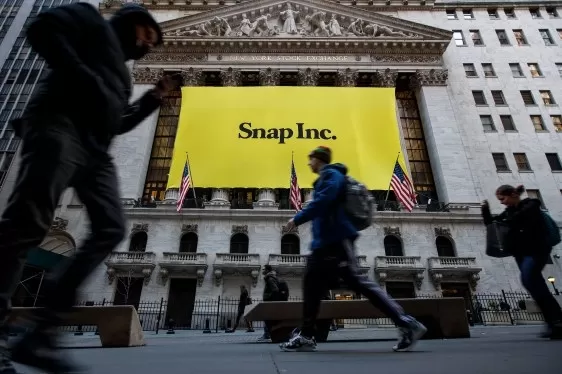 Snap confirms $400M Perplexity deal ended amicably
Snap has ended its partnership with Perplexity, the company disclosed Wednesday during its quarterly earnings report. The agreement, originally announced in November, would have integrated Perplexity's AI search engine directly into Snapchat. Under t
Snap confirms $400M Perplexity deal ended amicably
Snap has ended its partnership with Perplexity, the company disclosed Wednesday during its quarterly earnings report. The agreement, originally announced in November, would have integrated Perplexity's AI search engine directly into Snapchat. Under t
 Snapchat+ Introduces Custom AI-Generated Stickers for Subscribers
Snapchat Enhances Premium Experience with AI Stickers and Self-Destructing SnapsThe social media platform is introducing innovative features for its Snapchat+ subscribers as part of its strategy to grow its paid membership base. These include AI-powe
Snapchat+ Introduces Custom AI-Generated Stickers for Subscribers
Snapchat Enhances Premium Experience with AI Stickers and Self-Destructing SnapsThe social media platform is introducing innovative features for its Snapchat+ subscribers as part of its strategy to grow its paid membership base. These include AI-powe
 Google, Apple, and Snap Express Displeasure Over Meta's Poorly-Redacted Slides
Today's antitrust trial involving Meta took a contentious turn when lawyers from Apple, Google, and Snap voiced their frustrations over a set of slides presented by Meta on Monday. These slides, which The Verge discovered had easily removable redactions, drew sharp criticism from the attorneys. Both
Google, Apple, and Snap Express Displeasure Over Meta's Poorly-Redacted Slides
Today's antitrust trial involving Meta took a contentious turn when lawyers from Apple, Google, and Snap voiced their frustrations over a set of slides presented by Meta on Monday. These slides, which The Verge discovered had easily removable redactions, drew sharp criticism from the attorneys. Both

2026 Latest Best ChatGPT Meal Planning Apps Top-rated must-try curated powerful game-changing tools for macro tracking grocery lists and weekly prep. XIX.AI delivers weekly updated rankings based on real-world tests, including free vs paid comparison details. Discover your perfect tool to boost productivity and unlock your AI edge today. Explore now!
9 tools
xix.ai
2026 Latest Best Top-Rated AI Video Script Tools for Short Form Content! XIX.AI has curated a powerful, game-changing collection of must-try tools that go through rigorous real-world tests. You’ll find detailed weekly updated rankings, free vs paid comparison info, and insights to help you boost productivity and unlock your AI edge in creating high-quality short form content. Explore now to discover your perfect tool!
10 tools
xix.ai
2026 Latest Best AI Comic Panel Tools for Storyboard Style Narratives! This curated top-rated collection features powerful game-changing solutions that help creators boost writing efficiency and overcome creation bottlenecks. You’ll find detailed free vs paid comparison, real-world tests, and official rankings to guide your pick. XIX.AI offers expert insights too. Explore now to Discover your perfect tool for bringing vivid stories to life! 238 characters
9 tools
xix.ai
2026 Latest Best Top-rated AI Video Generation Tools for Short Content are here on XIX.AI’s curated collection. These powerful game-changing tools have undergone rigorous real-world tests, featuring a comprehensive free vs paid comparison and detailed rankings to help you find the perfect option. Whether you need to create high-quality short videos fast or boost your productivity across various tasks, these must-try solutions deliver outstanding results. Explore now to discover your ideal tool and unlock your AI edge.
9 tools
xix.ai
2026 Latest Best AI Art Generators ranking showcases top-rated tools for creating stunning moodboards, exploring diverse styles, and defining visual directions. XIX.AI offers a curated list of powerful, game-changing options that have passed rigorous real-world tests. Get a free vs paid comparison to help you find the perfect fit for boosting your creative workflow. Explore now to Unlock your AI edge in art creation.
10 tools
xix.ai

2026 Latest Best AI Email Personalization Platforms for Shopify Flows that boost retention and win-backs. This top-rated curated list features powerful game-changing tools经过real-world tests, offering free vs paid comparison insights. XIX.AI is part of our trusted selection. Discover your perfect tool to unlock your AI edge today. Explore now!
9 tools
xix.ai












