


 Home
HomeAI Solutions Transform Legal Industry's Client Refund Processes
Artificial intelligence is rapidly reshaping the legal sector, especially in managing customer refunds. This article explores how AI, powered by legal bots and analytical tools, is refining the refund process to boost efficiency, accuracy, and client satisfaction. Learn how these advanced solutions are actively improving legal customer service today, empowering legal teams to make smarter, data-driven decisions.
Key Points
AI-powered legal bots are revolutionizing how customer refunds are handled.
AI significantly improves the speed and precision of refund evaluations.
AI legal assistants boost customer satisfaction by delivering faster resolutions.
Implementing AI reduces operational costs for legal departments.
AI tools provide actionable, data-backed insights for legal strategy.
AI enhances compliance and reduces legal risks in refund settlements.
The future will see even deeper AI integration into legal customer service.
The Dawn of AI in Legal Customer Refunds
Transforming Traditional Legal Processes with AI
AI is revolutionizing legal operations, replacing slow, manual methods with efficient, precise systems. In customer refunds, AI is transformative, enabling companies to handle disputes with greater speed, accuracy, and cost-effectiveness. This shift empowers general counsels to make critical, informed decisions.
By rapidly analyzing large datasets and identifying relevant legal precedents, AI becomes an indispensable tool. It automates routine tasks, allowing legal professionals to concentrate on complex aspects of refund cases. From initial claim review to final settlement, AI streamlines every step for a smoother experience.
Key benefits of this transformation include:
- Faster processing times
- Fewer human errors
- Greater consistency in outcomes
- Reduced operational expenses
Understanding the Role of Legal Bots in Customer Refunds
Legal bots are AI-driven assistants designed to manage legal inquiries and processes like refunds. They interact with customers, collect information, evaluate claim validity, and suggest settlements. Their 24/7 operation ensures prompt support for customers everywhere.
By automating the initial stages, these bots free up lawyers and paralegals to tackle more nuanced cases, accelerating the overall process and easing staff workload. Programmed to follow legal standards and company policy, they ensure every settlement is consistent and compliant.
Key capabilities of legal bots in customer refunds:
- Automated claim assessment: Bots swiftly analyze customer data and history to judge a claim's legitimacy.
- 24/7 availability: Customers get immediate support and can file requests anytime.
- Compliance adherence: Bots operate within set regulations and policies, lowering compliance risk.
- Efficient data collection: They systematically gather essential customer information for review.
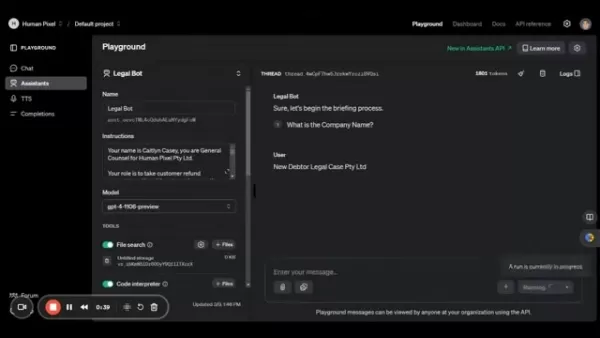
AI Legal Assistants and Their Enhanced Customer Service
AI legal assistants elevate customer service by providing responsive, personalized support that builds satisfaction and trust. They offer real-time updates, answer detailed questions, and guide customers through each refund stage.
Their ability to deliver tailored assistance is transformative. By understanding case specifics and adapting responses, they create a more empathetic and effective customer experience. This personalization resolves issues better and fosters stronger client relationships.
Enhanced customer service through AI legal assistants includes:
- Personalized support: AI tailors communication to individual customer situations.
- Real-time updates: Customers receive instant status notifications on their requests.
- Complex question answering: AI handles a broad range of legal queries accurately.
- Step-by-step guidance: Customers are clearly led through each phase of the process.
Navigating Key Aspects of a Legal Case with AI
Company Name in Legal Cases
Accurately identifying the involved company is a critical first step in any legal proceeding. AI streamlines this by instantly retrieving and verifying corporate details, preventing errors from the start.
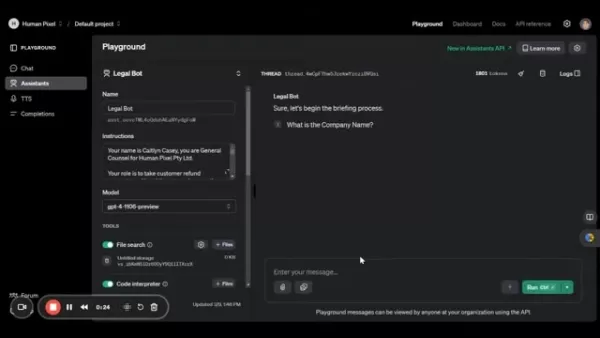
This involves using AI to:
- Confirm the entity's official legal name.
- Verify its current registration status.
- Identify any relevant parent companies or subsidiaries.
Project Code and Legal Implications
A project code uniquely identifies a company initiative and becomes crucial in related legal cases. AI tracks this code across all project documents, communications, and contracts, helping legal teams quickly grasp the project's scope, terms, and obligations.
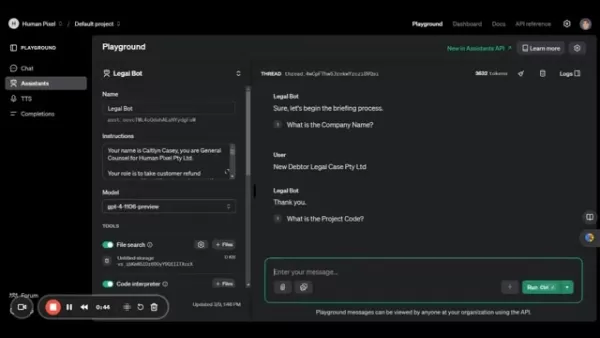
This enables them to:
- Locate all relevant contracts.
- Track all project-related communications.
- Understand project specifics to accurately assess liability and damages.
Contract Dates and Timeline Analysis
The original contract date is a cornerstone for any legal timeline. AI automatically extracts this date from various documents like emails and signed agreements, saving considerable time.
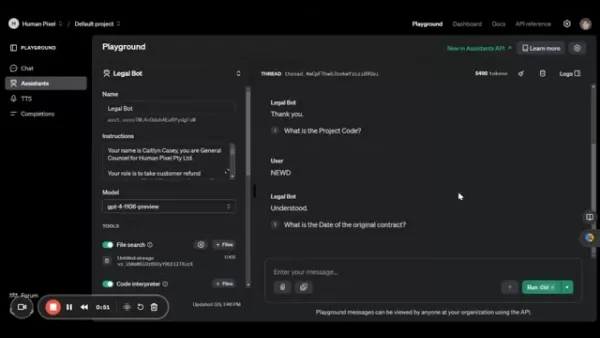
This data is then used to:
- Establish a clear event timeline.
- Define the period of legal obligations.
- Check compliance with contractual deadlines.
Project Description for Legal Context
A clear project description is vital for presenting a case. AI tools scan extensive project documentation to produce a concise, legally relevant summary of its goals, objectives, and results.
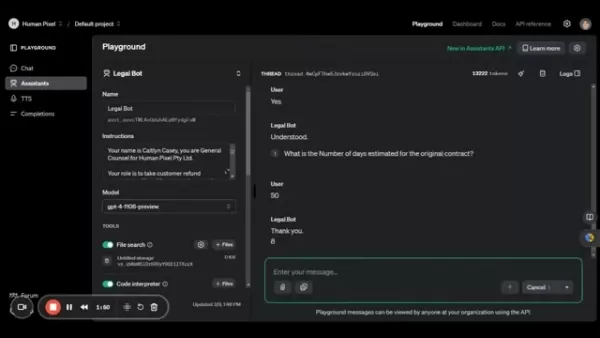
This ensures:
- All parties understand the project's nature.
- The legal team can properly evaluate risks and responsibilities.
- The project scope is defined for assessing breaches or non-compliance.
Negotiation on Price
AI tools powerfully analyze pricing negotiations, offering insights into fairness and potential legal issues. Understanding if price negotiations occurred is key to payment disputes. AI assists by:
- Reviewing documented negotiation histories.
- Identifying potential breaches of price agreements.
- Providing context on market conditions during the contract period.
Contract Amount in Legal Disputes
The exact contract amount is fundamental for damage assessment. AI quickly locates the agreed sum, verifies payments, and flags discrepancies or unpaid balances.
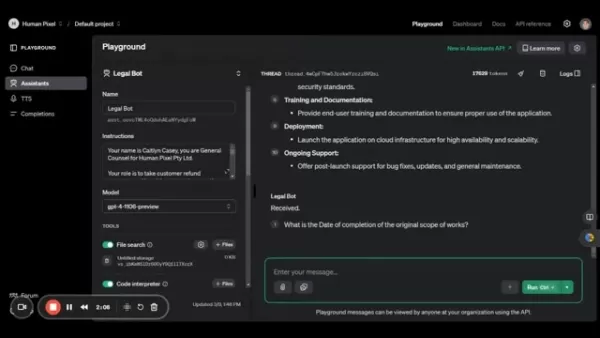
This involves:
- Confirming the monetary value specified in the agreement.
- Cross-referencing invoiced and paid amounts.
- Highlighting any deviations from the contract terms.
Project Completion and Additional Work
AI automates project scope analysis to ensure all additional work aligns with original terms. It highlights any unauthorized or burdensome extra work, improving transparency and accountability.
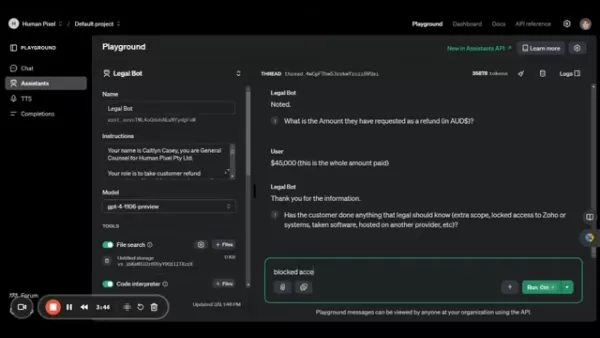
By:
- Identifying and itemizing work beyond the original scope.
- Calculating the cost impact of each additional item.
- Confirming that all extra efforts were approved by both parties.
Understanding Customer Complaints
Customer complaints are central to refund cases. AI enhances understanding by:
- Categorizing complaint types for clearer analysis.
- Analyzing the timing of complaints relative to the project.
- Detecting formal refund requests within the communications.
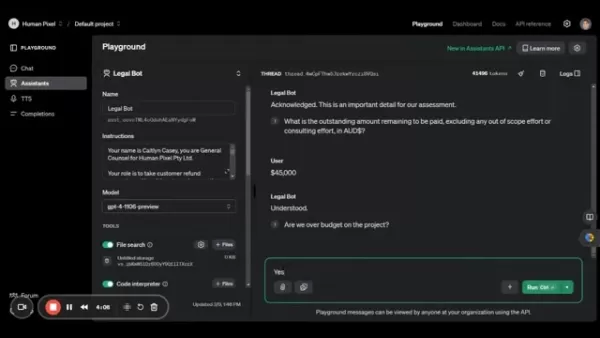
Streamline Briefing Questions with AI
Start a New Legal Case Briefing
Begin a new case by instructing, 'Start a new case'. AI will then prompt you for the essential information needed at this stage.
Get the Briefing Questions
To optimally manage a customer refund case with a legal bot, request the key briefing questions by saying, 'Give me the briefing questions one at a time'.
Price for AI in Legal Field
How much to budget for AI legal solutions
Implementing AI legal solutions requires dedicated funding. Budgeting should be tailored to each specific use case.
Pros and Cons of AI in Customer Refunds
Pros
Increased Efficiency: AI automates routine work, drastically cutting processing time.
Improved Accuracy: AI reduces errors through comprehensive data analysis and reporting.
Enhanced Customer Satisfaction: AI assistants provide personalized support and instant updates.
Cost Reduction: AI lowers operational costs by automating processes and reducing manual workload.
Compliance Assurance: AI systems enforce legal regulations and company policies, minimizing risk.
Data-Driven Insights: AI delivers valuable analytics to inform legal strategies.
Cons
High Implementation Costs: Initial setup for AI systems can be expensive.
Data Security Concerns: Handling sensitive customer data with AI raises security questions.
Limited Empathy: AI may not fully address the emotional complexities in some customer disputes.
Technology Dependency: System outages or technical issues can cause significant delays.
Ethical Considerations: Some AI decisions may require human ethical judgment and oversight.
Regulatory Challenges: The pace of AI innovation often outstrips the development of governing legal frameworks.
Understanding AI Core Features
Key capabilities
Key capabilities include:
- Process automation for greater operational efficiency
- Data analysis to validate customer complaints and contract terms
AI and Legal Case Studies
Specific examples
AI has multiple practical applications that enhance the effectiveness of the customer refund process.
Frequently Asked Questions
Can AI accurately assess refund claims?
Yes. AI can accurately assess refund claims by analyzing relevant data and generating detailed reports for review.
How does AI enhance customer satisfaction in legal contexts?
AI boosts satisfaction by enabling personalized support and faster, more transparent processes. AI legal assistants, available around the clock, provide immediate updates and quick answers to inquiries.
What are the compliance benefits of using AI in legal processes?
AI strengthens compliance by consistently applying legal regulations and company policies, significantly reducing the risk of non-compliance across all cases.
Related Questions
How does AI help with legal decision-making?
AI enhances legal decision-making by delivering data-driven insights. It analyzes vast information sets and identifies pertinent legal precedents, supporting more informed and strategic choices.
Can AI reduce operational costs in legal departments?
Absolutely. AI reduces operational costs by automating repetitive tasks such as claim screening and data gathering, allowing legal staff to focus on higher-value work.
What future trends can we expect regarding AI in legal customer service?
Future trends include more advanced AI legal assistants, predictive analytics for risk assessment, and further automation of legal workflows, leading to even deeper integration of AI in customer service.
Related article
 DeepMind CEO Hassabis: I sleep six hours a day, usually feel energetic around 1 a.m.
Fortune recently featured an interview with Demis Hassabis, CEO of Google DeepMind, revealing his unconventional approach to rest and productivity. Hassabis disclosed that he sleeps very little, structuring his waking hours into two distinct work blo
OpenAI, Anthropic Vie for Market Share Despite Revenue Shortfalls
Despite recent reports suggesting OpenAI missed revenue targets, creating pressure on tech stocks this Tuesday, private AI lab investors remain resilient. Seasoned backers have confirmed they will not reduce investment despite negative media coverage
California AV Compliance: A New Era of Tickets, Geofences, and 1M Miles
Guident operates an AuveTech shuttle in South Florida, managing a four-mile route in West Palm Beach and a one-mile route in Boca Raton using its remote monitoring technology. | Credit: GuidentCalifornia is redefining the regulatory landscape for dri
Related Special Topic Recommendations
chatbot
DeepMind CEO Hassabis: I sleep six hours a day, usually feel energetic around 1 a.m.
Fortune recently featured an interview with Demis Hassabis, CEO of Google DeepMind, revealing his unconventional approach to rest and productivity. Hassabis disclosed that he sleeps very little, structuring his waking hours into two distinct work blo
OpenAI, Anthropic Vie for Market Share Despite Revenue Shortfalls
Despite recent reports suggesting OpenAI missed revenue targets, creating pressure on tech stocks this Tuesday, private AI lab investors remain resilient. Seasoned backers have confirmed they will not reduce investment despite negative media coverage
California AV Compliance: A New Era of Tickets, Geofences, and 1M Miles
Guident operates an AuveTech shuttle in South Florida, managing a four-mile route in West Palm Beach and a one-mile route in Boca Raton using its remote monitoring technology. | Credit: GuidentCalifornia is redefining the regulatory landscape for dri
Related Special Topic Recommendations
chatbot
 Best AI Roleplay Chat Apps for Language Practice, Interview Prep, and Daily Fluency
2026 Latest Best Top-rated AI Roleplay Chat Apps for Language Practice, Interview Prep, and Daily Fluency! XIX.AI curates a powerful game-changing collection that offers free vs paid comparison, real-world tests, and updated rankings weekly. These must-try tools help you boost writing skills, overcome fluency challenges, and improve communication efficiency across all daily scenarios. Explore now to discover your perfect tool for language growth!
 10 tools
 xix.ai
Music composition
AI Stem Separation Tools for Remix Production, Sampling Prep, and Karaoke Masters
xix.ai
Music composition
AI Stem Separation Tools for Remix Production, Sampling Prep, and Karaoke Masters
2026 Latest Best Top-rated AI Stem Separation Tools Curated for Remix Production, Sampling Prep, and Karaoke Masters. These powerful game-changing tools offer real-world tests to deliver precise audio isolation, boosting productivity significantly. XIX.AI provides a weekly updated free vs paid comparison guide to help you find the must-try solution that suits your needs. Explore now to unlock your AI edge.
8 tools
xix.ai
Data Analysis
AI SQL Copilots for Revenue Dashboards, Funnel Analysis, and Product Metrics
2026 Latest Best AI SQL Copilots Ranked Top-Rated! XIX.AI curates a powerful game-changing collection for weekly updated real-world tests. These must-try tools help you generate accurate revenue dashboards, analyze sales funnels, and track product metrics swiftly, boosting productivity massively. Explore now to Discover your perfect tool for data-driven decision making! 238 characters
9 tools
xix.ai
Music composition
Best AI Melody Writing Tools for Song Drafts
2026 Latest Best Top-Rated AI Melody Writing Tools for Song Drafts! XIX.AI has curated a highly powerful game-changing collection that goes through rigorous real-world tests to deliver the best writing experience. You can find detailed free vs paid comparisons, accurate rankings, and must-try options designed to help you create stunning song drafts effortlessly and boost your creative productivity significantly. Explore now to discover your perfect tool!
8 tools
xix.ai
chatbot
Best AI Conversation Trainer Tools for Interview Practice
2026 Latest Best Top-rated AI Conversation Trainer Tools for Interview Practice are here on XIX.AI! This curated collection features powerful, game-changing tools that go through rigorous real-world tests to deliver accurate feedback. You’ll find a free vs paid comparison and detailed rankings to help you choose the must-try option that boosts your confidence and skills. Explore now to Discover your perfect tool for interview success!
12 tools
xix.ai
Design & Art
Best AI Style Transfer Tools for Creative Experiments
2026 Latest Best Top-rated AI Style Transfer Tools for Creative Experiments! XIX.AI has curated a powerful, game-changing collection of must-try tools that deliver exceptional results through real-world tests and rigorous rankings. These top solutions help creatives boost productivity significantly by accelerating content creation and unlocking endless creative possibilities. Explore now to discover your perfect tool and start creating today!
9 tools
xix.ai

 Comments (0)
0/500
Comments (0)
0/500
Artificial intelligence is rapidly reshaping the legal sector, especially in managing customer refunds. This article explores how AI, powered by legal bots and analytical tools, is refining the refund process to boost efficiency, accuracy, and client satisfaction. Learn how these advanced solutions are actively improving legal customer service today, empowering legal teams to make smarter, data-driven decisions.
Key Points
AI-powered legal bots are revolutionizing how customer refunds are handled.
AI significantly improves the speed and precision of refund evaluations.
AI legal assistants boost customer satisfaction by delivering faster resolutions.
Implementing AI reduces operational costs for legal departments.
AI tools provide actionable, data-backed insights for legal strategy.
AI enhances compliance and reduces legal risks in refund settlements.
The future will see even deeper AI integration into legal customer service.
The Dawn of AI in Legal Customer Refunds
Transforming Traditional Legal Processes with AI
AI is revolutionizing legal operations, replacing slow, manual methods with efficient, precise systems. In customer refunds, AI is transformative, enabling companies to handle disputes with greater speed, accuracy, and cost-effectiveness. This shift empowers general counsels to make critical, informed decisions.
By rapidly analyzing large datasets and identifying relevant legal precedents, AI becomes an indispensable tool. It automates routine tasks, allowing legal professionals to concentrate on complex aspects of refund cases. From initial claim review to final settlement, AI streamlines every step for a smoother experience.
Key benefits of this transformation include:
- Faster processing times
- Fewer human errors
- Greater consistency in outcomes
- Reduced operational expenses
Understanding the Role of Legal Bots in Customer Refunds
Legal bots are AI-driven assistants designed to manage legal inquiries and processes like refunds. They interact with customers, collect information, evaluate claim validity, and suggest settlements. Their 24/7 operation ensures prompt support for customers everywhere.
By automating the initial stages, these bots free up lawyers and paralegals to tackle more nuanced cases, accelerating the overall process and easing staff workload. Programmed to follow legal standards and company policy, they ensure every settlement is consistent and compliant.
Key capabilities of legal bots in customer refunds:
- Automated claim assessment: Bots swiftly analyze customer data and history to judge a claim's legitimacy.
- 24/7 availability: Customers get immediate support and can file requests anytime.
- Compliance adherence: Bots operate within set regulations and policies, lowering compliance risk.
- Efficient data collection: They systematically gather essential customer information for review.
AI Legal Assistants and Their Enhanced Customer Service
AI legal assistants elevate customer service by providing responsive, personalized support that builds satisfaction and trust. They offer real-time updates, answer detailed questions, and guide customers through each refund stage.
Their ability to deliver tailored assistance is transformative. By understanding case specifics and adapting responses, they create a more empathetic and effective customer experience. This personalization resolves issues better and fosters stronger client relationships.
Enhanced customer service through AI legal assistants includes:
- Personalized support: AI tailors communication to individual customer situations.
- Real-time updates: Customers receive instant status notifications on their requests.
- Complex question answering: AI handles a broad range of legal queries accurately.
- Step-by-step guidance: Customers are clearly led through each phase of the process.
Navigating Key Aspects of a Legal Case with AI
Company Name in Legal Cases
Accurately identifying the involved company is a critical first step in any legal proceeding. AI streamlines this by instantly retrieving and verifying corporate details, preventing errors from the start.
This involves using AI to:
- Confirm the entity's official legal name.
- Verify its current registration status.
- Identify any relevant parent companies or subsidiaries.
Project Code and Legal Implications
A project code uniquely identifies a company initiative and becomes crucial in related legal cases. AI tracks this code across all project documents, communications, and contracts, helping legal teams quickly grasp the project's scope, terms, and obligations.
This enables them to:
- Locate all relevant contracts.
- Track all project-related communications.
- Understand project specifics to accurately assess liability and damages.
Contract Dates and Timeline Analysis
The original contract date is a cornerstone for any legal timeline. AI automatically extracts this date from various documents like emails and signed agreements, saving considerable time.
This data is then used to:
- Establish a clear event timeline.
- Define the period of legal obligations.
- Check compliance with contractual deadlines.
Project Description for Legal Context
A clear project description is vital for presenting a case. AI tools scan extensive project documentation to produce a concise, legally relevant summary of its goals, objectives, and results.
This ensures:
- All parties understand the project's nature.
- The legal team can properly evaluate risks and responsibilities.
- The project scope is defined for assessing breaches or non-compliance.
Negotiation on Price
AI tools powerfully analyze pricing negotiations, offering insights into fairness and potential legal issues. Understanding if price negotiations occurred is key to payment disputes. AI assists by:
- Reviewing documented negotiation histories.
- Identifying potential breaches of price agreements.
- Providing context on market conditions during the contract period.
Contract Amount in Legal Disputes
The exact contract amount is fundamental for damage assessment. AI quickly locates the agreed sum, verifies payments, and flags discrepancies or unpaid balances.
This involves:
- Confirming the monetary value specified in the agreement.
- Cross-referencing invoiced and paid amounts.
- Highlighting any deviations from the contract terms.
Project Completion and Additional Work
AI automates project scope analysis to ensure all additional work aligns with original terms. It highlights any unauthorized or burdensome extra work, improving transparency and accountability.
By:
- Identifying and itemizing work beyond the original scope.
- Calculating the cost impact of each additional item.
- Confirming that all extra efforts were approved by both parties.
Understanding Customer Complaints
Customer complaints are central to refund cases. AI enhances understanding by:
- Categorizing complaint types for clearer analysis.
- Analyzing the timing of complaints relative to the project.
- Detecting formal refund requests within the communications.
Streamline Briefing Questions with AI
Start a New Legal Case Briefing
Begin a new case by instructing, 'Start a new case'. AI will then prompt you for the essential information needed at this stage.
Get the Briefing Questions
To optimally manage a customer refund case with a legal bot, request the key briefing questions by saying, 'Give me the briefing questions one at a time'.
Price for AI in Legal Field
How much to budget for AI legal solutions
Implementing AI legal solutions requires dedicated funding. Budgeting should be tailored to each specific use case.
Pros and Cons of AI in Customer Refunds
Pros
Increased Efficiency: AI automates routine work, drastically cutting processing time.
Improved Accuracy: AI reduces errors through comprehensive data analysis and reporting.
Enhanced Customer Satisfaction: AI assistants provide personalized support and instant updates.
Cost Reduction: AI lowers operational costs by automating processes and reducing manual workload.
Compliance Assurance: AI systems enforce legal regulations and company policies, minimizing risk.
Data-Driven Insights: AI delivers valuable analytics to inform legal strategies.
Cons
High Implementation Costs: Initial setup for AI systems can be expensive.
Data Security Concerns: Handling sensitive customer data with AI raises security questions.
Limited Empathy: AI may not fully address the emotional complexities in some customer disputes.
Technology Dependency: System outages or technical issues can cause significant delays.
Ethical Considerations: Some AI decisions may require human ethical judgment and oversight.
Regulatory Challenges: The pace of AI innovation often outstrips the development of governing legal frameworks.
Understanding AI Core Features
Key capabilities
Key capabilities include:
- Process automation for greater operational efficiency
- Data analysis to validate customer complaints and contract terms
AI and Legal Case Studies
Specific examples
AI has multiple practical applications that enhance the effectiveness of the customer refund process.
Frequently Asked Questions
Can AI accurately assess refund claims?
Yes. AI can accurately assess refund claims by analyzing relevant data and generating detailed reports for review.
How does AI enhance customer satisfaction in legal contexts?
AI boosts satisfaction by enabling personalized support and faster, more transparent processes. AI legal assistants, available around the clock, provide immediate updates and quick answers to inquiries.
What are the compliance benefits of using AI in legal processes?
AI strengthens compliance by consistently applying legal regulations and company policies, significantly reducing the risk of non-compliance across all cases.
Related Questions
How does AI help with legal decision-making?
AI enhances legal decision-making by delivering data-driven insights. It analyzes vast information sets and identifies pertinent legal precedents, supporting more informed and strategic choices.
Can AI reduce operational costs in legal departments?
Absolutely. AI reduces operational costs by automating repetitive tasks such as claim screening and data gathering, allowing legal staff to focus on higher-value work.
What future trends can we expect regarding AI in legal customer service?
Future trends include more advanced AI legal assistants, predictive analytics for risk assessment, and further automation of legal workflows, leading to even deeper integration of AI in customer service.








 DeepMind CEO Hassabis: I sleep six hours a day, usually feel energetic around 1 a.m.
Fortune recently featured an interview with Demis Hassabis, CEO of Google DeepMind, revealing his unconventional approach to rest and productivity. Hassabis disclosed that he sleeps very little, structuring his waking hours into two distinct work blo
DeepMind CEO Hassabis: I sleep six hours a day, usually feel energetic around 1 a.m.
Fortune recently featured an interview with Demis Hassabis, CEO of Google DeepMind, revealing his unconventional approach to rest and productivity. Hassabis disclosed that he sleeps very little, structuring his waking hours into two distinct work blo
 OpenAI, Anthropic Vie for Market Share Despite Revenue Shortfalls
Despite recent reports suggesting OpenAI missed revenue targets, creating pressure on tech stocks this Tuesday, private AI lab investors remain resilient. Seasoned backers have confirmed they will not reduce investment despite negative media coverage
California AV Compliance: A New Era of Tickets, Geofences, and 1M Miles
Guident operates an AuveTech shuttle in South Florida, managing a four-mile route in West Palm Beach and a one-mile route in Boca Raton using its remote monitoring technology. | Credit: GuidentCalifornia is redefining the regulatory landscape for dri
OpenAI, Anthropic Vie for Market Share Despite Revenue Shortfalls
Despite recent reports suggesting OpenAI missed revenue targets, creating pressure on tech stocks this Tuesday, private AI lab investors remain resilient. Seasoned backers have confirmed they will not reduce investment despite negative media coverage
California AV Compliance: A New Era of Tickets, Geofences, and 1M Miles
Guident operates an AuveTech shuttle in South Florida, managing a four-mile route in West Palm Beach and a one-mile route in Boca Raton using its remote monitoring technology. | Credit: GuidentCalifornia is redefining the regulatory landscape for dri

2026 Latest Best Top-rated AI Roleplay Chat Apps for Language Practice, Interview Prep, and Daily Fluency! XIX.AI curates a powerful game-changing collection that offers free vs paid comparison, real-world tests, and updated rankings weekly. These must-try tools help you boost writing skills, overcome fluency challenges, and improve communication efficiency across all daily scenarios. Explore now to discover your perfect tool for language growth!
10 tools
xix.ai

2026 Latest Best Top-rated AI Stem Separation Tools Curated for Remix Production, Sampling Prep, and Karaoke Masters. These powerful game-changing tools offer real-world tests to deliver precise audio isolation, boosting productivity significantly. XIX.AI provides a weekly updated free vs paid comparison guide to help you find the must-try solution that suits your needs. Explore now to unlock your AI edge.
8 tools
xix.ai

2026 Latest Best AI SQL Copilots Ranked Top-Rated! XIX.AI curates a powerful game-changing collection for weekly updated real-world tests. These must-try tools help you generate accurate revenue dashboards, analyze sales funnels, and track product metrics swiftly, boosting productivity massively. Explore now to Discover your perfect tool for data-driven decision making! 238 characters
9 tools
xix.ai

2026 Latest Best Top-Rated AI Melody Writing Tools for Song Drafts! XIX.AI has curated a highly powerful game-changing collection that goes through rigorous real-world tests to deliver the best writing experience. You can find detailed free vs paid comparisons, accurate rankings, and must-try options designed to help you create stunning song drafts effortlessly and boost your creative productivity significantly. Explore now to discover your perfect tool!
8 tools
xix.ai

2026 Latest Best Top-rated AI Conversation Trainer Tools for Interview Practice are here on XIX.AI! This curated collection features powerful, game-changing tools that go through rigorous real-world tests to deliver accurate feedback. You’ll find a free vs paid comparison and detailed rankings to help you choose the must-try option that boosts your confidence and skills. Explore now to Discover your perfect tool for interview success!
12 tools
xix.ai

2026 Latest Best Top-rated AI Style Transfer Tools for Creative Experiments! XIX.AI has curated a powerful, game-changing collection of must-try tools that deliver exceptional results through real-world tests and rigorous rankings. These top solutions help creatives boost productivity significantly by accelerating content creation and unlocking endless creative possibilities. Explore now to discover your perfect tool and start creating today!
9 tools
xix.ai












