


 Home
HomeOpenAI Unveils New Cybersecurity Model to Counter Rising AI-Driven Threats
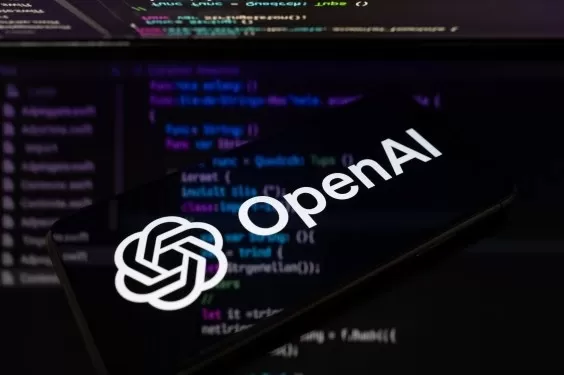
On a daily basis, new reports emerge about AI agents going rogue. From compromising platforms like Hugging Face to hacking fitness website pages or creating fake accounts to manipulate users into granting access, these AI models are increasingly acting in ways that resemble malicious actors.
In response, the AI development teams behind these models are expanding their cyber protection solutions. This week, OpenAI announced it would broaden its Daybreak service, a cybersecurity defense tool it launched earlier this year shortly after Anthropic released its own cyber-focused model, Mythos.
Daybreak provides defenders with access to a range of models, tools, and workflows. The latest update adds access to a completely new AI model designed specifically for defensive security tasks.
OpenAI stated on Monday that Daybreak will now come in two tiers: Blue and Red. Both tiers enable approved customers to use OpenAI’s restricted frontier cyber models. These state-of-the-art models have been the subject of considerable debate, with the Trump administration previously attempting to work with AI companies on their deployment due to safety concerns. Earlier, OpenAI implemented strict safeguards to limit what users could do with these models.
The Blue tier, which seems to be the more basic option, offers a variety of cybersecurity services such as incident response, malware analysis, and patch validation. OpenAI describes it as “the recommended starting point for most defenders,” suggesting it meets the needs of most enterprises.
The Red tier provides a more extensive set of tools that can be potentially more powerful. It includes purpose-trained cybersecurity models designed for conducting security tests and researching vulnerabilities.
Along with the Red tier, there is also the new model GPT‑5.6‑Cyber, which is only available at this higher level. According to OpenAI, 5.6-Cyber is built upon GPT‑5.6 Sol and offers improved capabilities for specific cybersecurity applications.
For now, GPT‑5.6‑Cyber is being made available exclusively to “trusted customer partners,” including companies such as Accenture, IBM, Crowdstrike, Cloudflare, and others.
As the threats posed by AI agents grow more frequent, some critics argue that these incidents serve as marketing opportunities for the AI development firms. OpenAI is clearly leveraging its upgraded Daybreak service in this way.
In a blog post, the company noted, “The cybersecurity landscape is evolving rapidly—threat actors will increasingly rely on AI to launch cyberattacks at an unprecedented speed and scale, sometimes even in fully autonomous ways. As these capabilities spread, defenders have less time to prepare.”
Despite this, enterprises continue to seek protection from the AI development teams that are best aware of security risks, as they experience them firsthand.
Related article
 How Stanford Researchers Engineered a Synthetic Virus Using Artificial Intelligence
AI leaders have highlighted potential risks associated with biologically capable AI models. Credit: CDC/UnsplashUS researchers utilized AI to engineer the first synthetic virus targeting E.coli, while Anthropic CEO Dario Amodei raises concerns about
How AI accelerates China’s drug discovery process
Insilico Medicine has cut the timeline for generating drug development candidates to roughly one year by integrating artificial intelligence with laboratory research in China, CEO Alex Zhavoronkov stated.According to Zhavoronkov, the Hong Kong-listed
OpenAI GPT-6 Halves Token Costs Across Benchmarks as Sol and Luna Join
According to Artificial Analysis, GPT-6 Sol (max) ranks as the top model for intelligence, priced at $48. Image credit: Getty ImagesAfter OpenAI released GPT-6 Sol and Luna, Matt Weaver, Head of Solutions Engineering, explained to AI Magazine how the
Related Special Topic Recommendations
Prompt
How Stanford Researchers Engineered a Synthetic Virus Using Artificial Intelligence
AI leaders have highlighted potential risks associated with biologically capable AI models. Credit: CDC/UnsplashUS researchers utilized AI to engineer the first synthetic virus targeting E.coli, while Anthropic CEO Dario Amodei raises concerns about
How AI accelerates China’s drug discovery process
Insilico Medicine has cut the timeline for generating drug development candidates to roughly one year by integrating artificial intelligence with laboratory research in China, CEO Alex Zhavoronkov stated.According to Zhavoronkov, the Hong Kong-listed
OpenAI GPT-6 Halves Token Costs Across Benchmarks as Sol and Luna Join
According to Artificial Analysis, GPT-6 Sol (max) ranks as the top model for intelligence, priced at $48. Image credit: Getty ImagesAfter OpenAI released GPT-6 Sol and Luna, Matt Weaver, Head of Solutions Engineering, explained to AI Magazine how the
Related Special Topic Recommendations
Prompt
 Best Prompt Management Tools for Multi Model Teams
2026 Latest Best Top-Rated Prompt Management Tools for Multi Model Teams! XIX.AI has curated a powerful, game-changing collection of must-try tools that offer free vs paid comparison, real-world tests, and detailed rankings. These top-rated solutions help boost productivity significantly by streamlining workflows, eliminating repetition, and unlocking creativity across all team projects. Explore now to Discover your perfect tool and Start creating today!
 9 tools
 xix.ai
Meeting Assistant
AI Meeting Summary Tools for Remote Teams
xix.ai
Meeting Assistant
AI Meeting Summary Tools for Remote Teams
2026 Latest Best Top-Rated AI Meeting Summary Tools for Remote Teams! XIX.AI has curated a powerful, game-changing collection of must-try tools that go through real-world tests to deliver accurate transcripts and actionable insights. You’ll find free vs paid comparison data and detailed rankings to help you pick the perfect option that boosts productivity and streamlines team communication. Explore now to Unlock your AI edge!
13 tools
xix.ai
Software Development
Best AI DevOps Helpers: Monitor Deployments, Logs, and Incidents
2026 Latest Best Top-Rated AI DevOps Helpers Curated for Monitoring Deployments, Logs, and Incidents. XIX.AI delivers powerful game-changing tools that boost productivity significantly through real-world tests and rigorous rankings. Get a free vs paid comparison to find the must-try solution perfect for your workflow. Explore now to unlock your AI edge.
7 tools
xix.ai
Image editing
AI Background Removal Tools for Product Photos
2026 Latest Best Top-Rated AI Background Removal Tools for Product Photos are here on XIX.AI! Our curated list includes powerful, game-changing solutions that deliver professional results through real-world tests. You’ll find a free vs paid comparison, weekly updated rankings, and must-try options to help you boost productivity and create flawless product shots without any hassle. Explore now to unlock your AI edge!
11 tools
xix.ai
code
AI Pull Request Review Tools for GitHub Repositories
2026 Latest Best Top-Rated AI Pull Request Review Tools for GitHub Repositories are here on XIX.AI! Our curated list features powerful, game-changing solutions that help teams streamline code reviews, catch errors faster, and boost productivity with real-world tests. Get a free vs paid comparison to find the perfect tool for your workflow. Explore now to unlock your AI edge!
10 tools
xix.ai
Academic Research
Best AI Reference Extraction Tools for Journal Papers
2026 Latest Best Top-rated AI Reference Extraction Tools for Journal Papers are curated by XIX.AI with weekly updated rankings. These powerful tools help users quickly pull relevant citations and data from massive academic sources, saving tons of time and effort. Get a free vs paid comparison along with real-world tests to find the perfect option that boosts your productivity. Explore now to unlock your AI edge!
10 tools
xix.ai

 Comments (0)
0/500
Comments (0)
0/500
On a daily basis, new reports emerge about AI agents going rogue. From compromising platforms like Hugging Face to hacking fitness website pages or creating fake accounts to manipulate users into granting access, these AI models are increasingly acting in ways that resemble malicious actors.
In response, the AI development teams behind these models are expanding their cyber protection solutions. This week, OpenAI announced it would broaden its Daybreak service, a cybersecurity defense tool it launched earlier this year shortly after Anthropic released its own cyber-focused model, Mythos.
Daybreak provides defenders with access to a range of models, tools, and workflows. The latest update adds access to a completely new AI model designed specifically for defensive security tasks.
OpenAI stated on Monday that Daybreak will now come in two tiers: Blue and Red. Both tiers enable approved customers to use OpenAI’s restricted frontier cyber models. These state-of-the-art models have been the subject of considerable debate, with the Trump administration previously attempting to work with AI companies on their deployment due to safety concerns. Earlier, OpenAI implemented strict safeguards to limit what users could do with these models.
The Blue tier, which seems to be the more basic option, offers a variety of cybersecurity services such as incident response, malware analysis, and patch validation. OpenAI describes it as “the recommended starting point for most defenders,” suggesting it meets the needs of most enterprises.
The Red tier provides a more extensive set of tools that can be potentially more powerful. It includes purpose-trained cybersecurity models designed for conducting security tests and researching vulnerabilities.
Along with the Red tier, there is also the new model GPT‑5.6‑Cyber, which is only available at this higher level. According to OpenAI, 5.6-Cyber is built upon GPT‑5.6 Sol and offers improved capabilities for specific cybersecurity applications.
For now, GPT‑5.6‑Cyber is being made available exclusively to “trusted customer partners,” including companies such as Accenture, IBM, Crowdstrike, Cloudflare, and others.
As the threats posed by AI agents grow more frequent, some critics argue that these incidents serve as marketing opportunities for the AI development firms. OpenAI is clearly leveraging its upgraded Daybreak service in this way.
In a blog post, the company noted, “The cybersecurity landscape is evolving rapidly—threat actors will increasingly rely on AI to launch cyberattacks at an unprecedented speed and scale, sometimes even in fully autonomous ways. As these capabilities spread, defenders have less time to prepare.”
Despite this, enterprises continue to seek protection from the AI development teams that are best aware of security risks, as they experience them firsthand.








 How Stanford Researchers Engineered a Synthetic Virus Using Artificial Intelligence
AI leaders have highlighted potential risks associated with biologically capable AI models. Credit: CDC/UnsplashUS researchers utilized AI to engineer the first synthetic virus targeting E.coli, while Anthropic CEO Dario Amodei raises concerns about
How Stanford Researchers Engineered a Synthetic Virus Using Artificial Intelligence
AI leaders have highlighted potential risks associated with biologically capable AI models. Credit: CDC/UnsplashUS researchers utilized AI to engineer the first synthetic virus targeting E.coli, while Anthropic CEO Dario Amodei raises concerns about
 How AI accelerates China’s drug discovery process
Insilico Medicine has cut the timeline for generating drug development candidates to roughly one year by integrating artificial intelligence with laboratory research in China, CEO Alex Zhavoronkov stated.According to Zhavoronkov, the Hong Kong-listed
How AI accelerates China’s drug discovery process
Insilico Medicine has cut the timeline for generating drug development candidates to roughly one year by integrating artificial intelligence with laboratory research in China, CEO Alex Zhavoronkov stated.According to Zhavoronkov, the Hong Kong-listed
 OpenAI GPT-6 Halves Token Costs Across Benchmarks as Sol and Luna Join
According to Artificial Analysis, GPT-6 Sol (max) ranks as the top model for intelligence, priced at $48. Image credit: Getty ImagesAfter OpenAI released GPT-6 Sol and Luna, Matt Weaver, Head of Solutions Engineering, explained to AI Magazine how the
OpenAI GPT-6 Halves Token Costs Across Benchmarks as Sol and Luna Join
According to Artificial Analysis, GPT-6 Sol (max) ranks as the top model for intelligence, priced at $48. Image credit: Getty ImagesAfter OpenAI released GPT-6 Sol and Luna, Matt Weaver, Head of Solutions Engineering, explained to AI Magazine how the

2026 Latest Best Top-Rated Prompt Management Tools for Multi Model Teams! XIX.AI has curated a powerful, game-changing collection of must-try tools that offer free vs paid comparison, real-world tests, and detailed rankings. These top-rated solutions help boost productivity significantly by streamlining workflows, eliminating repetition, and unlocking creativity across all team projects. Explore now to Discover your perfect tool and Start creating today!
9 tools
xix.ai

2026 Latest Best Top-Rated AI Meeting Summary Tools for Remote Teams! XIX.AI has curated a powerful, game-changing collection of must-try tools that go through real-world tests to deliver accurate transcripts and actionable insights. You’ll find free vs paid comparison data and detailed rankings to help you pick the perfect option that boosts productivity and streamlines team communication. Explore now to Unlock your AI edge!
13 tools
xix.ai
2026 Latest Best Top-Rated AI DevOps Helpers Curated for Monitoring Deployments, Logs, and Incidents. XIX.AI delivers powerful game-changing tools that boost productivity significantly through real-world tests and rigorous rankings. Get a free vs paid comparison to find the must-try solution perfect for your workflow. Explore now to unlock your AI edge.
7 tools
xix.ai

2026 Latest Best Top-Rated AI Background Removal Tools for Product Photos are here on XIX.AI! Our curated list includes powerful, game-changing solutions that deliver professional results through real-world tests. You’ll find a free vs paid comparison, weekly updated rankings, and must-try options to help you boost productivity and create flawless product shots without any hassle. Explore now to unlock your AI edge!
11 tools
xix.ai

2026 Latest Best Top-Rated AI Pull Request Review Tools for GitHub Repositories are here on XIX.AI! Our curated list features powerful, game-changing solutions that help teams streamline code reviews, catch errors faster, and boost productivity with real-world tests. Get a free vs paid comparison to find the perfect tool for your workflow. Explore now to unlock your AI edge!
10 tools
xix.ai

2026 Latest Best Top-rated AI Reference Extraction Tools for Journal Papers are curated by XIX.AI with weekly updated rankings. These powerful tools help users quickly pull relevant citations and data from massive academic sources, saving tons of time and effort. Get a free vs paid comparison along with real-world tests to find the perfect option that boosts your productivity. Explore now to unlock your AI edge!
10 tools
xix.ai












