


 Home
Meta, Broadcom and TSMC to Mass-Production Self-Developed AI Chip Iris in September
Meta is teaming up with Broadcom and TSMC to build a custom AI processor dubbed "Iris," targeting mass production by September 2026. As part of Meta's MTIA initiative, the chip has cleared initial testing in just six weeks. Designed to optimize ranking and recommendation algorithms on Facebook and Instagram, it aims to cut data center expenses and lessen dependence on third-party GPUs.
Amid global chip shortages, Meta has secured long-term supply agreements with Samsung Electronics, SanDisk, and Sumitomo Electric to safeguard its supply chain. Looking ahead, Meta plans to expand its computing capacity to 7 gigawatts by late 2026, doubling to 14 gigawatts by 2027, driving 2026 infrastructure spending to $14.5 billion.
This custom chip represents a major shift in Meta's strategy within the tech industry's computing arms race. While "Iris" currently supplements rather than replaces NVIDIA and AMD GPUs, its rapid six-month development cycle grants Meta greater hardware autonomy. This move alleviates supply chain pressures and strengthens Meta's independent AI ecosystem, reducing reliance on external software and hardware constraints.
Related article
 Microsoft Upgrades Copilot Notebooks With Task Delegation, Office Editing, and Interactive Reports
Microsoft is rolling out key updates to Copilot Notebooks, including task delegation, in-place Office document editing, and interactive reports. This shift transforms the tool from a simple AI organizer into a comprehensive smart workspace for execut
Google AI Overviews Gain Ground in Search Results
According to Similarweb’s 2026 Generative AI Landscape report, Google’s AI-generated summaries appeared in 43% of US searches, a significant rise from 15% recorded a year prior.While AI Overviews present generated summaries within standard search res
Apple agrees to $250M settlement over delayed Siri AI rollout
Apple has agreed to pay $250 million to resolve a class-action lawsuit regarding its marketing of AI features prior to the iPhone 16 launch, as first reported by the Financial Times.The lawsuit claimed Apple overstated the capabilities of Apple Intel
Related Special Topic Recommendations
Design & Art
 Top AI Illustration Tools: Create Editorial Scenes and Cover Art Faster
2026 Latest Top-rated AI Illustration Tools: Our curated list features the best powerfully designed tools for creating stunning editorial scenes and eye-catching cover art quickly. Each option has gone through rigorous real-world tests, offering a free vs paid comparison to help you find the perfect match for your workflow. Try these must-try solutions today to unlock your AI edge and boost your creative productivity. Explore now at XIX.AI.
 10 tools
 xix.ai
Education and Learning
Top AI Tutors for Exam Prep: Practice Math, Science, and English
2026 Latest Top-Rated Best AI Tutors for Exam Prep are here on XIX.AI! Our curated list features powerful game-changing tools that offer free vs paid comparison, real-world tests, and weekly updated rankings. They help boost your writing efficiency, simplify complex topic learning, and unlock your academic potential. Explore now to Discover your perfect exam prep tool and Start creating today to Unlock your AI edge!
10 tools
xix.ai
Finance
AI Budget Planning Tools for Personal Money Management
2026 Latest Best Top-Rated AI Budget Planning Tools for Personal Money Management are here on XIX.AI! This curated collection features powerful, game-changing solutions that help you conduct real-world tests, understand spending habits, and create personalized plans to boost productivity. Enjoy a free vs paid comparison along with detailed rankings. Must-try tools designed to simplify money management and unlock your AI edge. Explore now!
11 tools
xix.ai
Health & Wellness
AI Sleep Tracking Assistants: Improve Recovery with Better Bedtime Habits
2026 Latest Best Top-Rated AI Sleep Tracking Assistants curated for ultimate recovery. This fully updated weekly guide features powerful tools that deliver real-world tests, free vs paid comparison, and detailed rankings to help you find the must-try solution that boosts sleep quality and supports better bedtime habits. Explore now at XIX.AI to Unlock your AI edge.
10 tools
xix.ai
Data Analysis
AI SQL Copilots for Product and Revenue Analytics
2026 Latest Best Top-Rated AI SQL Copilots for Product and Revenue Analytics! XIX.AI has curated a powerful, game-changing collection of must-try tools that undergo real-world tests through weekly updated rankings. These tools help users boost productivity significantly by accelerating data analysis, streamlining complex queries, and generating accurate insights to drive smarter business decisions. Explore now to Discover your perfect tool for unlocking your AI edge!
14 tools
xix.ai
Education and Learning
Best AI Homework Helpers That Teach: Learn Concepts, Not Just Answers
2026 Latest Best Top-Rated AI Homework Helpers That Teach Core Concepts Not Just Answers Powerful Tools for Students Must-Try Curated List Weekly Updated Free vs Paid Comparison Real-World Tests Accurate Rankings to Help You Unlock Your Full Learning Potential Explore now to Discover your perfect tool for smarter studying.
10 tools
xix.ai

 Comments (0)
0/500
Meta is teaming up with Broadcom and TSMC to build a custom AI processor dubbed "Iris," targeting mass production by September 2026. As part of Meta's MTIA initiative, the chip has cleared initial testing in just six weeks. Designed to optimize ranking and recommendation algorithms on Facebook and Instagram, it aims to cut data center expenses and lessen dependence on third-party GPUs.
Amid global chip shortages, Meta has secured long-term supply agreements with Samsung Electronics, SanDisk, and Sumitomo Electric to safeguard its supply chain. Looking ahead, Meta plans to expand its computing capacity to 7 gigawatts by late 2026, doubling to 14 gigawatts by 2027, driving 2026 infrastructure spending to $14.5 billion.
This custom chip represents a major shift in Meta's strategy within the tech industry's computing arms race. While "Iris" currently supplements rather than replaces NVIDIA and AMD GPUs, its rapid six-month development cycle grants Meta greater hardware autonomy. This move alleviates supply chain pressures and strengthens Meta's independent AI ecosystem, reducing reliance on external software and hardware constraints.








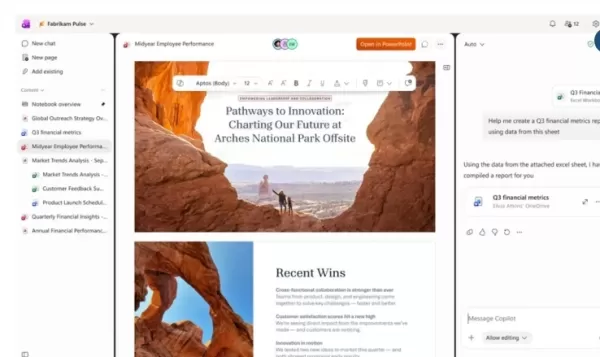 Microsoft Upgrades Copilot Notebooks With Task Delegation, Office Editing, and Interactive Reports
Microsoft is rolling out key updates to Copilot Notebooks, including task delegation, in-place Office document editing, and interactive reports. This shift transforms the tool from a simple AI organizer into a comprehensive smart workspace for execut
 Google AI Overviews Gain Ground in Search Results
According to Similarweb’s 2026 Generative AI Landscape report, Google’s AI-generated summaries appeared in 43% of US searches, a significant rise from 15% recorded a year prior.While AI Overviews present generated summaries within standard search res
 Apple agrees to $250M settlement over delayed Siri AI rollout
Apple has agreed to pay $250 million to resolve a class-action lawsuit regarding its marketing of AI features prior to the iPhone 16 launch, as first reported by the Financial Times.The lawsuit claimed Apple overstated the capabilities of Apple Intel

2026 Latest Top-rated AI Illustration Tools: Our curated list features the best powerfully designed tools for creating stunning editorial scenes and eye-catching cover art quickly. Each option has gone through rigorous real-world tests, offering a free vs paid comparison to help you find the perfect match for your workflow. Try these must-try solutions today to unlock your AI edge and boost your creative productivity. Explore now at XIX.AI.
10 tools
xix.ai

2026 Latest Top-Rated Best AI Tutors for Exam Prep are here on XIX.AI! Our curated list features powerful game-changing tools that offer free vs paid comparison, real-world tests, and weekly updated rankings. They help boost your writing efficiency, simplify complex topic learning, and unlock your academic potential. Explore now to Discover your perfect exam prep tool and Start creating today to Unlock your AI edge!
10 tools
xix.ai

2026 Latest Best Top-Rated AI Budget Planning Tools for Personal Money Management are here on XIX.AI! This curated collection features powerful, game-changing solutions that help you conduct real-world tests, understand spending habits, and create personalized plans to boost productivity. Enjoy a free vs paid comparison along with detailed rankings. Must-try tools designed to simplify money management and unlock your AI edge. Explore now!
11 tools
xix.ai

2026 Latest Best Top-Rated AI Sleep Tracking Assistants curated for ultimate recovery. This fully updated weekly guide features powerful tools that deliver real-world tests, free vs paid comparison, and detailed rankings to help you find the must-try solution that boosts sleep quality and supports better bedtime habits. Explore now at XIX.AI to Unlock your AI edge.
10 tools
xix.ai

2026 Latest Best Top-Rated AI SQL Copilots for Product and Revenue Analytics! XIX.AI has curated a powerful, game-changing collection of must-try tools that undergo real-world tests through weekly updated rankings. These tools help users boost productivity significantly by accelerating data analysis, streamlining complex queries, and generating accurate insights to drive smarter business decisions. Explore now to Discover your perfect tool for unlocking your AI edge!
14 tools
xix.ai

2026 Latest Best Top-Rated AI Homework Helpers That Teach Core Concepts Not Just Answers Powerful Tools for Students Must-Try Curated List Weekly Updated Free vs Paid Comparison Real-World Tests Accurate Rankings to Help You Unlock Your Full Learning Potential Explore now to Discover your perfect tool for smarter studying.
10 tools
xix.ai












