


 Home
HomeKai AI Assistant Streamlines Shopping With Personalized Retail Guidance
Picture a future where grocery shopping is a seamless, personalized experience that aligns with your health goals and environmental values. Enter Kai, an AI-powered personal shopping assistant poised to redefine retail. Set in the near future of 2030, Kai leverages IoT sensors, drone deliveries, and smart AI algorithms to deliver a completely frictionless shopping journey. This article examines how Kai is set to reshape the retail industry and enrich our everyday lives.
Key Points
Kai is an AI-driven personal shopping assistant.
It delivers a 100% frictionless shopping experience.
IoT sensors and drone delivery are core to its operation.
Kai personalizes shopping according to individual health and lifestyle needs.
The platform encourages environmentally sustainable shopping practices.
Its aim is to eliminate the time and hassle of traditional shopping.
The AI helps minimize food waste and supports ethical farming.
The Future of Retail: Introducing Kai
What is Kai, the AI Retail Assistant?
By the year 2030, retail has been transformed by advances in artificial intelligence and the Internet of Things, with Kai leading this change. It provides a smooth, tailored shopping experience.
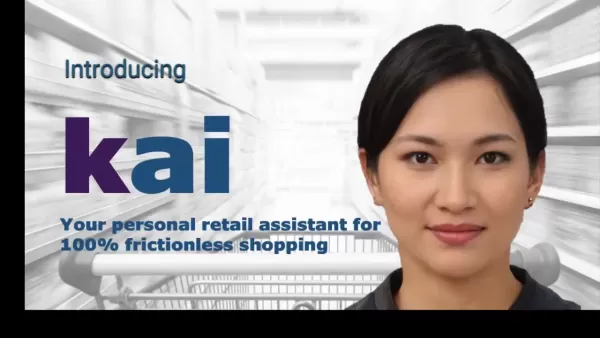
As a personal AI assistant, Kai removes the friction from conventional grocery shopping by handling every step from list creation to scheduled delivery. Utilizing affordable IoT sensors, drone deliveries, and sophisticated algorithms, it caters to personal preferences and promotes eco-friendly shopping habits.
Kai functions as a comprehensive system that learns and anticipates your needs. Continuously analyzing data, it refines recommendations to ensure you have essentials on hand without excess. The goal is to streamline the entire process, saving you time and effort. By minimizing manual tasks, optimizing lists, and ensuring punctual deliveries, Kai guarantees a highly efficient and convenient experience.
The Changing Retail Landscape in 2030
The retail world of 2030 is a stark contrast to today's. Physical stores are declining as online shopping becomes dominant, driven by the widespread adoption of AI and IoT. Inexpensive smart sensors, embedded throughout homes, provide real-time data on inventory which AI systems like Kai use to predict needs.
Drone technology is key, offering agile and cost-effective delivery that reduces carbon emissions and reliance on traditional transport. This focus on sustainability mirrors a broader shift toward conscious consumerism.
In this new era, assistants like Kai are essential, offering a level of personalization and efficiency unmatched by old methods. AI-powered bots further automate shopping, picking, and packing, making the industry more data-driven, personalized, and sustainable.
Meet Mary: A Day in the Life with Kai
Understanding Mary's Lifestyle and Preferences
Meet Mary, a 21-year-old student in Frankfurt, Germany. On a tight budget, she is environmentally conscious and prefers organic foods. She values knowing her food's origin and opts for single-serving portions that are nutritious and easy to prepare. Mary is also open to trying new flavors and meal ideas.

She enjoys reading, stays active through yoga and running, and socializes with friends when time allows. Mary's busy schedule demands efficiency, making grocery shopping a chore. Kai seamlessly accommodates her budget, diet, and lifestyle for a tailored and effortless experience.
How Kai Revolutionizes Mary's Shopping Experience
The old, manual shopping process—making lists, driving to the store, navigating aisles, and waiting in line—consumes time Mary doesn't have. Kai transforms this completely.

Kai’s learning algorithms understand Mary's preferences intimately. It proactively manages her shopping, updating lists based on sensor data and voice commands, freeing Mary to focus on her studies and social life.
For instance, sensors in her fridge detect low stock and prompt Kai to add items automatically. Kai integrates with her smart home, managing tasks like watering plants or adding cereal to the list, so Mary never has to track inventory manually.
Kai also prioritizes Mary's well-being. Smart bathroom sensors conduct daily health checks via urine analysis. Based on the results, Kai adjusts her weekly meal plan, suggesting more salads if sodium is high or tailoring nutrition to address deficiencies. This integration of health and shopping helps Mary maintain a healthy lifestyle effortlessly.
Affordable, AI-Powered Retail Assistance
Transparent Pricing for Uninterrupted Service
Accessing Kai's benefits is remarkably affordable. For just €10 a month, Kai helps save thousands annually while simplifying finances. Users report reclaiming hundreds of hours for a more balanced, stress-free life. With a transparent flat rate, there are no hidden fees or surprise charges—guaranteed.
The Future of Shopping: Weighing the Benefits and Challenges of Kai
Pros
Saves significant time.
Reduces shopping expenses.
Provides personalized recommendations.
Encourages sustainable consumption.
Simplifies household management.
Cons
Increased reliance on technology.
Potential privacy issues.
Initial setup and adaptation period.
Dependence on accurate data.
Risk of job losses in traditional retail.
Key Features of Kai
Streamlining Life, One Smart Purchase at a Time
Kai offers innovative tools designed to save time, increase savings, and lessen environmental impact. Here are some of its standout features:
- AI-Driven Personalization: Advanced machine learning adapts to your habits and evolving lifestyle, offering curated experiences, not just suggestions.
- Health-Conscious Integration: Incorporates regular health scans to adjust dietary and wellness plans, helping you meet nutritional and fitness goals.
- Sustainable Living: Connects with sustainable farmers and local distributors to increase the ecological benefit of every purchase.
- Seamless Automation: IoT sensors anticipate household needs, adding items like cereal or milk at the optimal time to prevent waste and save money.
Use Cases: Who Benefits Most from Kai?
Busy Professionals & Students
Those with packed schedules can trust Kai to handle household needs efficiently, eliminating time-consuming shopping trips and improving work-life balance.
Health-Conscious Individuals
People focused on precise nutrition can use Kai's regular scans and data insights to make informed eating choices and maximize the value of their purchases.
Eco-Friendly Consumers
Shoppers committed to sustainability benefit from a platform that automatically prioritizes regional, ethical, and low-waste options, ensuring every purchase and delivery method is environmentally sound.
Frequently Asked Questions
How does Kai ensure the security of my personal data?
Data privacy is paramount. Kai uses advanced encryption and strict access controls. All data is anonymized and utilized solely to enhance your shopping experience. We adhere to all data protection laws, ensuring you have transparency and control.
Can Kai accommodate dietary restrictions and allergies?
Yes. You can configure Kai to account for any dietary restrictions, allergies, or preferences. It will automatically filter out unsuitable products.
What happens if I'm not satisfied with a product that Kai recommends?
Kai manages returns seamlessly. If unsatisfied, just notify Kai, and it will arrange a return or exchange for a hassle-free resolution.
Related Questions About AI in Retail
What other ways can AI be used in the retail industry?
AI's applications in retail are broadening. It can personalize marketing campaigns based on past purchases, optimize inventory and logistics by predicting demand, and power chatbots for instant customer support. Visual search tools also help customers find products using images. From streamlining operations to enhancing satisfaction, AI's future in retail is bright. What are the other benefits of AI in Retail? Personalized Customer Experience: AI analyzes data to create tailored recommendations, boosting loyalty. Efficient Inventory Management: AI optimizes stock levels, cutting waste and improving supply chains. Enhanced Customer Service: AI chatbots provide immediate support and resolve queries. Data-Driven Insights: AI delivers valuable behavioral insights for better strategic decisions.
Related article
 DeepMind CEO Hassabis: I sleep six hours a day, usually feel energetic around 1 a.m.
Fortune recently featured an interview with Demis Hassabis, CEO of Google DeepMind, revealing his unconventional approach to rest and productivity. Hassabis disclosed that he sleeps very little, structuring his waking hours into two distinct work blo
OpenAI, Anthropic Vie for Market Share Despite Revenue Shortfalls
Despite recent reports suggesting OpenAI missed revenue targets, creating pressure on tech stocks this Tuesday, private AI lab investors remain resilient. Seasoned backers have confirmed they will not reduce investment despite negative media coverage
California AV Compliance: A New Era of Tickets, Geofences, and 1M Miles
Guident operates an AuveTech shuttle in South Florida, managing a four-mile route in West Palm Beach and a one-mile route in Boca Raton using its remote monitoring technology. | Credit: GuidentCalifornia is redefining the regulatory landscape for dri
Related Special Topic Recommendations
writing
DeepMind CEO Hassabis: I sleep six hours a day, usually feel energetic around 1 a.m.
Fortune recently featured an interview with Demis Hassabis, CEO of Google DeepMind, revealing his unconventional approach to rest and productivity. Hassabis disclosed that he sleeps very little, structuring his waking hours into two distinct work blo
OpenAI, Anthropic Vie for Market Share Despite Revenue Shortfalls
Despite recent reports suggesting OpenAI missed revenue targets, creating pressure on tech stocks this Tuesday, private AI lab investors remain resilient. Seasoned backers have confirmed they will not reduce investment despite negative media coverage
California AV Compliance: A New Era of Tickets, Geofences, and 1M Miles
Guident operates an AuveTech shuttle in South Florida, managing a four-mile route in West Palm Beach and a one-mile route in Boca Raton using its remote monitoring technology. | Credit: GuidentCalifornia is redefining the regulatory landscape for dri
Related Special Topic Recommendations
writing
 AI Article Outline Tools for Long Form Writing
2026 Latest Best Top-Rated AI Article Outline Tools for Long Form Writing! This curated collection features powerful, game-changing tools that deliver accurate, structured outlines with real-world tests to boost writing efficiency significantly. XIX.AI is part of this elite selection. Get a free vs paid comparison to help you choose the perfect tool. Explore now and Unlock your AI edge!
 9 tools
 xix.ai
chatbot
Best AI Roleplay Chat Apps for Language Practice, Interview Prep, and Daily Fluency
xix.ai
chatbot
Best AI Roleplay Chat Apps for Language Practice, Interview Prep, and Daily Fluency
2026 Latest Best Top-rated AI Roleplay Chat Apps for Language Practice, Interview Prep, and Daily Fluency! XIX.AI curates a powerful game-changing collection that offers free vs paid comparison, real-world tests, and updated rankings weekly. These must-try tools help you boost writing skills, overcome fluency challenges, and improve communication efficiency across all daily scenarios. Explore now to discover your perfect tool for language growth!
10 tools
xix.ai
Music composition
AI Stem Separation Tools for Remix Production, Sampling Prep, and Karaoke Masters
2026 Latest Best Top-rated AI Stem Separation Tools Curated for Remix Production, Sampling Prep, and Karaoke Masters. These powerful game-changing tools offer real-world tests to deliver precise audio isolation, boosting productivity significantly. XIX.AI provides a weekly updated free vs paid comparison guide to help you find the must-try solution that suits your needs. Explore now to unlock your AI edge.
8 tools
xix.ai
Data Analysis
AI SQL Copilots for Revenue Dashboards, Funnel Analysis, and Product Metrics
2026 Latest Best AI SQL Copilots Ranked Top-Rated! XIX.AI curates a powerful game-changing collection for weekly updated real-world tests. These must-try tools help you generate accurate revenue dashboards, analyze sales funnels, and track product metrics swiftly, boosting productivity massively. Explore now to Discover your perfect tool for data-driven decision making! 238 characters
9 tools
xix.ai
Music composition
Best AI Melody Writing Tools for Song Drafts
2026 Latest Best Top-Rated AI Melody Writing Tools for Song Drafts! XIX.AI has curated a highly powerful game-changing collection that goes through rigorous real-world tests to deliver the best writing experience. You can find detailed free vs paid comparisons, accurate rankings, and must-try options designed to help you create stunning song drafts effortlessly and boost your creative productivity significantly. Explore now to discover your perfect tool!
8 tools
xix.ai
chatbot
Best AI Conversation Trainer Tools for Interview Practice
2026 Latest Best Top-rated AI Conversation Trainer Tools for Interview Practice are here on XIX.AI! This curated collection features powerful, game-changing tools that go through rigorous real-world tests to deliver accurate feedback. You’ll find a free vs paid comparison and detailed rankings to help you choose the must-try option that boosts your confidence and skills. Explore now to Discover your perfect tool for interview success!
12 tools
xix.ai

 Comments (1)
0/500
Comments (1)
0/500
![AvaPhillips]()
Wait, so Kai is like a personal shopper that knows my health goals AND my environmental values? That sounds cool but also a little creepy—will it guilt-trip me for buying that bag of chips? 😂 I'd love to see how it handles last-minute recipe changes without throwing a tantrum.
Picture a future where grocery shopping is a seamless, personalized experience that aligns with your health goals and environmental values. Enter Kai, an AI-powered personal shopping assistant poised to redefine retail. Set in the near future of 2030, Kai leverages IoT sensors, drone deliveries, and smart AI algorithms to deliver a completely frictionless shopping journey. This article examines how Kai is set to reshape the retail industry and enrich our everyday lives.
Key Points
Kai is an AI-driven personal shopping assistant.
It delivers a 100% frictionless shopping experience.
IoT sensors and drone delivery are core to its operation.
Kai personalizes shopping according to individual health and lifestyle needs.
The platform encourages environmentally sustainable shopping practices.
Its aim is to eliminate the time and hassle of traditional shopping.
The AI helps minimize food waste and supports ethical farming.
The Future of Retail: Introducing Kai
What is Kai, the AI Retail Assistant?
By the year 2030, retail has been transformed by advances in artificial intelligence and the Internet of Things, with Kai leading this change. It provides a smooth, tailored shopping experience.
As a personal AI assistant, Kai removes the friction from conventional grocery shopping by handling every step from list creation to scheduled delivery. Utilizing affordable IoT sensors, drone deliveries, and sophisticated algorithms, it caters to personal preferences and promotes eco-friendly shopping habits.
Kai functions as a comprehensive system that learns and anticipates your needs. Continuously analyzing data, it refines recommendations to ensure you have essentials on hand without excess. The goal is to streamline the entire process, saving you time and effort. By minimizing manual tasks, optimizing lists, and ensuring punctual deliveries, Kai guarantees a highly efficient and convenient experience.
The Changing Retail Landscape in 2030
The retail world of 2030 is a stark contrast to today's. Physical stores are declining as online shopping becomes dominant, driven by the widespread adoption of AI and IoT. Inexpensive smart sensors, embedded throughout homes, provide real-time data on inventory which AI systems like Kai use to predict needs.
Drone technology is key, offering agile and cost-effective delivery that reduces carbon emissions and reliance on traditional transport. This focus on sustainability mirrors a broader shift toward conscious consumerism.
In this new era, assistants like Kai are essential, offering a level of personalization and efficiency unmatched by old methods. AI-powered bots further automate shopping, picking, and packing, making the industry more data-driven, personalized, and sustainable.
Meet Mary: A Day in the Life with Kai
Understanding Mary's Lifestyle and Preferences
Meet Mary, a 21-year-old student in Frankfurt, Germany. On a tight budget, she is environmentally conscious and prefers organic foods. She values knowing her food's origin and opts for single-serving portions that are nutritious and easy to prepare. Mary is also open to trying new flavors and meal ideas.
She enjoys reading, stays active through yoga and running, and socializes with friends when time allows. Mary's busy schedule demands efficiency, making grocery shopping a chore. Kai seamlessly accommodates her budget, diet, and lifestyle for a tailored and effortless experience.
How Kai Revolutionizes Mary's Shopping Experience
The old, manual shopping process—making lists, driving to the store, navigating aisles, and waiting in line—consumes time Mary doesn't have. Kai transforms this completely.
Kai’s learning algorithms understand Mary's preferences intimately. It proactively manages her shopping, updating lists based on sensor data and voice commands, freeing Mary to focus on her studies and social life.
For instance, sensors in her fridge detect low stock and prompt Kai to add items automatically. Kai integrates with her smart home, managing tasks like watering plants or adding cereal to the list, so Mary never has to track inventory manually.
Kai also prioritizes Mary's well-being. Smart bathroom sensors conduct daily health checks via urine analysis. Based on the results, Kai adjusts her weekly meal plan, suggesting more salads if sodium is high or tailoring nutrition to address deficiencies. This integration of health and shopping helps Mary maintain a healthy lifestyle effortlessly.
Affordable, AI-Powered Retail Assistance
Transparent Pricing for Uninterrupted Service
Accessing Kai's benefits is remarkably affordable. For just €10 a month, Kai helps save thousands annually while simplifying finances. Users report reclaiming hundreds of hours for a more balanced, stress-free life. With a transparent flat rate, there are no hidden fees or surprise charges—guaranteed.
The Future of Shopping: Weighing the Benefits and Challenges of Kai
Pros
Saves significant time.
Reduces shopping expenses.
Provides personalized recommendations.
Encourages sustainable consumption.
Simplifies household management.
Cons
Increased reliance on technology.
Potential privacy issues.
Initial setup and adaptation period.
Dependence on accurate data.
Risk of job losses in traditional retail.
Key Features of Kai
Streamlining Life, One Smart Purchase at a Time
Kai offers innovative tools designed to save time, increase savings, and lessen environmental impact. Here are some of its standout features:
- AI-Driven Personalization: Advanced machine learning adapts to your habits and evolving lifestyle, offering curated experiences, not just suggestions.
- Health-Conscious Integration: Incorporates regular health scans to adjust dietary and wellness plans, helping you meet nutritional and fitness goals.
- Sustainable Living: Connects with sustainable farmers and local distributors to increase the ecological benefit of every purchase.
- Seamless Automation: IoT sensors anticipate household needs, adding items like cereal or milk at the optimal time to prevent waste and save money.
Use Cases: Who Benefits Most from Kai?
Busy Professionals & Students
Those with packed schedules can trust Kai to handle household needs efficiently, eliminating time-consuming shopping trips and improving work-life balance.
Health-Conscious Individuals
People focused on precise nutrition can use Kai's regular scans and data insights to make informed eating choices and maximize the value of their purchases.
Eco-Friendly Consumers
Shoppers committed to sustainability benefit from a platform that automatically prioritizes regional, ethical, and low-waste options, ensuring every purchase and delivery method is environmentally sound.
Frequently Asked Questions
How does Kai ensure the security of my personal data?
Data privacy is paramount. Kai uses advanced encryption and strict access controls. All data is anonymized and utilized solely to enhance your shopping experience. We adhere to all data protection laws, ensuring you have transparency and control.
Can Kai accommodate dietary restrictions and allergies?
Yes. You can configure Kai to account for any dietary restrictions, allergies, or preferences. It will automatically filter out unsuitable products.
What happens if I'm not satisfied with a product that Kai recommends?
Kai manages returns seamlessly. If unsatisfied, just notify Kai, and it will arrange a return or exchange for a hassle-free resolution.
Related Questions About AI in Retail
What other ways can AI be used in the retail industry?
AI's applications in retail are broadening. It can personalize marketing campaigns based on past purchases, optimize inventory and logistics by predicting demand, and power chatbots for instant customer support. Visual search tools also help customers find products using images. From streamlining operations to enhancing satisfaction, AI's future in retail is bright. What are the other benefits of AI in Retail? Personalized Customer Experience: AI analyzes data to create tailored recommendations, boosting loyalty. Efficient Inventory Management: AI optimizes stock levels, cutting waste and improving supply chains. Enhanced Customer Service: AI chatbots provide immediate support and resolve queries. Data-Driven Insights: AI delivers valuable behavioral insights for better strategic decisions.








 DeepMind CEO Hassabis: I sleep six hours a day, usually feel energetic around 1 a.m.
Fortune recently featured an interview with Demis Hassabis, CEO of Google DeepMind, revealing his unconventional approach to rest and productivity. Hassabis disclosed that he sleeps very little, structuring his waking hours into two distinct work blo
DeepMind CEO Hassabis: I sleep six hours a day, usually feel energetic around 1 a.m.
Fortune recently featured an interview with Demis Hassabis, CEO of Google DeepMind, revealing his unconventional approach to rest and productivity. Hassabis disclosed that he sleeps very little, structuring his waking hours into two distinct work blo
 OpenAI, Anthropic Vie for Market Share Despite Revenue Shortfalls
Despite recent reports suggesting OpenAI missed revenue targets, creating pressure on tech stocks this Tuesday, private AI lab investors remain resilient. Seasoned backers have confirmed they will not reduce investment despite negative media coverage
California AV Compliance: A New Era of Tickets, Geofences, and 1M Miles
Guident operates an AuveTech shuttle in South Florida, managing a four-mile route in West Palm Beach and a one-mile route in Boca Raton using its remote monitoring technology. | Credit: GuidentCalifornia is redefining the regulatory landscape for dri
OpenAI, Anthropic Vie for Market Share Despite Revenue Shortfalls
Despite recent reports suggesting OpenAI missed revenue targets, creating pressure on tech stocks this Tuesday, private AI lab investors remain resilient. Seasoned backers have confirmed they will not reduce investment despite negative media coverage
California AV Compliance: A New Era of Tickets, Geofences, and 1M Miles
Guident operates an AuveTech shuttle in South Florida, managing a four-mile route in West Palm Beach and a one-mile route in Boca Raton using its remote monitoring technology. | Credit: GuidentCalifornia is redefining the regulatory landscape for dri

2026 Latest Best Top-Rated AI Article Outline Tools for Long Form Writing! This curated collection features powerful, game-changing tools that deliver accurate, structured outlines with real-world tests to boost writing efficiency significantly. XIX.AI is part of this elite selection. Get a free vs paid comparison to help you choose the perfect tool. Explore now and Unlock your AI edge!
9 tools
xix.ai

2026 Latest Best Top-rated AI Roleplay Chat Apps for Language Practice, Interview Prep, and Daily Fluency! XIX.AI curates a powerful game-changing collection that offers free vs paid comparison, real-world tests, and updated rankings weekly. These must-try tools help you boost writing skills, overcome fluency challenges, and improve communication efficiency across all daily scenarios. Explore now to discover your perfect tool for language growth!
10 tools
xix.ai

2026 Latest Best Top-rated AI Stem Separation Tools Curated for Remix Production, Sampling Prep, and Karaoke Masters. These powerful game-changing tools offer real-world tests to deliver precise audio isolation, boosting productivity significantly. XIX.AI provides a weekly updated free vs paid comparison guide to help you find the must-try solution that suits your needs. Explore now to unlock your AI edge.
8 tools
xix.ai

2026 Latest Best AI SQL Copilots Ranked Top-Rated! XIX.AI curates a powerful game-changing collection for weekly updated real-world tests. These must-try tools help you generate accurate revenue dashboards, analyze sales funnels, and track product metrics swiftly, boosting productivity massively. Explore now to Discover your perfect tool for data-driven decision making! 238 characters
9 tools
xix.ai

2026 Latest Best Top-Rated AI Melody Writing Tools for Song Drafts! XIX.AI has curated a highly powerful game-changing collection that goes through rigorous real-world tests to deliver the best writing experience. You can find detailed free vs paid comparisons, accurate rankings, and must-try options designed to help you create stunning song drafts effortlessly and boost your creative productivity significantly. Explore now to discover your perfect tool!
8 tools
xix.ai

2026 Latest Best Top-rated AI Conversation Trainer Tools for Interview Practice are here on XIX.AI! This curated collection features powerful, game-changing tools that go through rigorous real-world tests to deliver accurate feedback. You’ll find a free vs paid comparison and detailed rankings to help you choose the must-try option that boosts your confidence and skills. Explore now to Discover your perfect tool for interview success!
12 tools
xix.ai

Wait, so Kai is like a personal shopper that knows my health goals AND my environmental values? That sounds cool but also a little creepy—will it guilt-trip me for buying that bag of chips? 😂 I'd love to see how it handles last-minute recipe changes without throwing a tantrum.












