


 Home
Hu Yanbin Evolves From Musician to Vibe Coder, Debuts Fan Community App Yanhuo
Singer Hu Yanbin announced on Weibo that the fan community app "Yanhuo," which he independently developed, has officially launched. This marks how the new development paradigm known as "Vibe Coding" — born from large language models — is breaking through technical barriers and accelerating its adoption in the entertainment and indie developer sectors. As Hu Yanbin’s first cross-industry independent development project, the Yanhuo app is designed as a dedicated fan interaction platform. The iOS version is now available on the App Store, and the Android version can be downloaded from the official website.
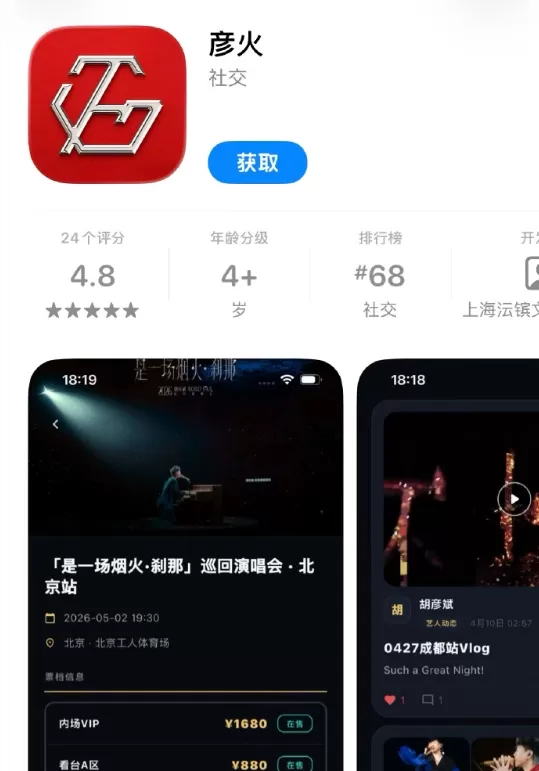
The app includes core features such as daily check-ins, points-based levels, exclusive letters, and tour records. Future iterations will add diverse interactive forms like Q&A, activity updates, and performance announcements. Hu Yanbin revealed that he developed the app entirely by learning Vibe Coding from scratch, deeply integrating prompt engineering with code generation technology, and refining it through repeated iterations until completion.
This move is not only a technical experiment by an individual developer, but also a typical example of how generative AI is reshaping the software development ecosystem. The essence of Vibe Coding lies in converting human natural language into productivity, enabling creative professionals without a computer science background to overcome traditional coding barriers and achieve full lifecycle management — from concept to implementation — for applications. As AI-assisted development tools become more widespread, the marginal cost of technological implementation drops significantly. In the future, this could spark more innovations in vertical, long-tail, and highly practical standalone applications.
Related article
 Meta Wants Your Next Gadget to Be Muse-Infused
Meta’s Muse, an AI assistant that handles travel bookings, form submissions, and shopping, has gained widespread adoption, yet a new initiative may especially intrigue developers and hardware enthusiasts.On Friday, Meta unveiled Muse Gadgets, an open
Wan-Streamer v0.2 delivers ultra-low latency AI chat
As modern technology advances rapidly, human-AI interaction is becoming more common. Traditional video calls often struggle with lag, delays, and audio-visual desynchronization. Wan-Streamer v0.2, the latest release from Tongyi Lab, overcomes these c
Meta Joins TSMC and Micron to Equip New Servers with Old Memory
As artificial intelligence adoption accelerates worldwide, next-generation DDR5 memory is experiencing a critical supply shortage. To avoid delays in AI data center deployments, Meta has partnered with industry leaders like TSMC and Micron to enginee
Related Special Topic Recommendations
Design & Art
 Top AI Illustration Tools: Create Editorial Scenes and Cover Art Faster
2026 Latest Top-rated AI Illustration Tools: Our curated list features the best powerfully designed tools for creating stunning editorial scenes and eye-catching cover art quickly. Each option has gone through rigorous real-world tests, offering a free vs paid comparison to help you find the perfect match for your workflow. Try these must-try solutions today to unlock your AI edge and boost your creative productivity. Explore now at XIX.AI.
 10 tools
 xix.ai
Education and Learning
Top AI Tutors for Exam Prep: Practice Math, Science, and English
2026 Latest Top-Rated Best AI Tutors for Exam Prep are here on XIX.AI! Our curated list features powerful game-changing tools that offer free vs paid comparison, real-world tests, and weekly updated rankings. They help boost your writing efficiency, simplify complex topic learning, and unlock your academic potential. Explore now to Discover your perfect exam prep tool and Start creating today to Unlock your AI edge!
10 tools
xix.ai
Finance
AI Budget Planning Tools for Personal Money Management
2026 Latest Best Top-Rated AI Budget Planning Tools for Personal Money Management are here on XIX.AI! This curated collection features powerful, game-changing solutions that help you conduct real-world tests, understand spending habits, and create personalized plans to boost productivity. Enjoy a free vs paid comparison along with detailed rankings. Must-try tools designed to simplify money management and unlock your AI edge. Explore now!
11 tools
xix.ai
Health & Wellness
AI Sleep Tracking Assistants: Improve Recovery with Better Bedtime Habits
2026 Latest Best Top-Rated AI Sleep Tracking Assistants curated for ultimate recovery. This fully updated weekly guide features powerful tools that deliver real-world tests, free vs paid comparison, and detailed rankings to help you find the must-try solution that boosts sleep quality and supports better bedtime habits. Explore now at XIX.AI to Unlock your AI edge.
10 tools
xix.ai
Data Analysis
AI SQL Copilots for Product and Revenue Analytics
2026 Latest Best Top-Rated AI SQL Copilots for Product and Revenue Analytics! XIX.AI has curated a powerful, game-changing collection of must-try tools that undergo real-world tests through weekly updated rankings. These tools help users boost productivity significantly by accelerating data analysis, streamlining complex queries, and generating accurate insights to drive smarter business decisions. Explore now to Discover your perfect tool for unlocking your AI edge!
14 tools
xix.ai
Education and Learning
Best AI Homework Helpers That Teach: Learn Concepts, Not Just Answers
2026 Latest Best Top-Rated AI Homework Helpers That Teach Core Concepts Not Just Answers Powerful Tools for Students Must-Try Curated List Weekly Updated Free vs Paid Comparison Real-World Tests Accurate Rankings to Help You Unlock Your Full Learning Potential Explore now to Discover your perfect tool for smarter studying.
10 tools
xix.ai

 Comments (0)
0/500
Singer Hu Yanbin announced on Weibo that the fan community app "Yanhuo," which he independently developed, has officially launched. This marks how the new development paradigm known as "Vibe Coding" — born from large language models — is breaking through technical barriers and accelerating its adoption in the entertainment and indie developer sectors. As Hu Yanbin’s first cross-industry independent development project, the Yanhuo app is designed as a dedicated fan interaction platform. The iOS version is now available on the App Store, and the Android version can be downloaded from the official website.
The app includes core features such as daily check-ins, points-based levels, exclusive letters, and tour records. Future iterations will add diverse interactive forms like Q&A, activity updates, and performance announcements. Hu Yanbin revealed that he developed the app entirely by learning Vibe Coding from scratch, deeply integrating prompt engineering with code generation technology, and refining it through repeated iterations until completion.
This move is not only a technical experiment by an individual developer, but also a typical example of how generative AI is reshaping the software development ecosystem. The essence of Vibe Coding lies in converting human natural language into productivity, enabling creative professionals without a computer science background to overcome traditional coding barriers and achieve full lifecycle management — from concept to implementation — for applications. As AI-assisted development tools become more widespread, the marginal cost of technological implementation drops significantly. In the future, this could spark more innovations in vertical, long-tail, and highly practical standalone applications.








 Meta Wants Your Next Gadget to Be Muse-Infused
Meta’s Muse, an AI assistant that handles travel bookings, form submissions, and shopping, has gained widespread adoption, yet a new initiative may especially intrigue developers and hardware enthusiasts.On Friday, Meta unveiled Muse Gadgets, an open
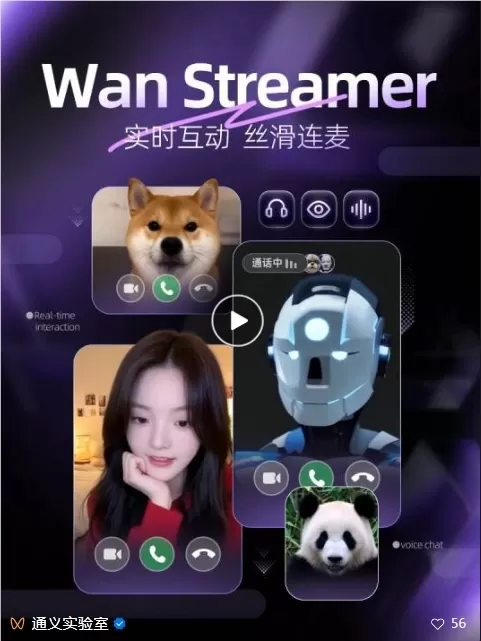 Wan-Streamer v0.2 delivers ultra-low latency AI chat
As modern technology advances rapidly, human-AI interaction is becoming more common. Traditional video calls often struggle with lag, delays, and audio-visual desynchronization. Wan-Streamer v0.2, the latest release from Tongyi Lab, overcomes these c
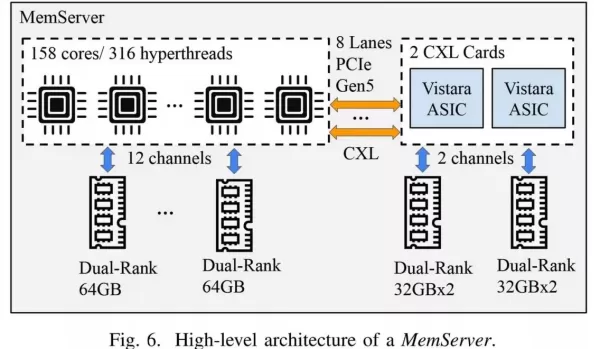 Meta Joins TSMC and Micron to Equip New Servers with Old Memory
As artificial intelligence adoption accelerates worldwide, next-generation DDR5 memory is experiencing a critical supply shortage. To avoid delays in AI data center deployments, Meta has partnered with industry leaders like TSMC and Micron to enginee

2026 Latest Top-rated AI Illustration Tools: Our curated list features the best powerfully designed tools for creating stunning editorial scenes and eye-catching cover art quickly. Each option has gone through rigorous real-world tests, offering a free vs paid comparison to help you find the perfect match for your workflow. Try these must-try solutions today to unlock your AI edge and boost your creative productivity. Explore now at XIX.AI.
10 tools
xix.ai

2026 Latest Top-Rated Best AI Tutors for Exam Prep are here on XIX.AI! Our curated list features powerful game-changing tools that offer free vs paid comparison, real-world tests, and weekly updated rankings. They help boost your writing efficiency, simplify complex topic learning, and unlock your academic potential. Explore now to Discover your perfect exam prep tool and Start creating today to Unlock your AI edge!
10 tools
xix.ai

2026 Latest Best Top-Rated AI Budget Planning Tools for Personal Money Management are here on XIX.AI! This curated collection features powerful, game-changing solutions that help you conduct real-world tests, understand spending habits, and create personalized plans to boost productivity. Enjoy a free vs paid comparison along with detailed rankings. Must-try tools designed to simplify money management and unlock your AI edge. Explore now!
11 tools
xix.ai

2026 Latest Best Top-Rated AI Sleep Tracking Assistants curated for ultimate recovery. This fully updated weekly guide features powerful tools that deliver real-world tests, free vs paid comparison, and detailed rankings to help you find the must-try solution that boosts sleep quality and supports better bedtime habits. Explore now at XIX.AI to Unlock your AI edge.
10 tools
xix.ai

2026 Latest Best Top-Rated AI SQL Copilots for Product and Revenue Analytics! XIX.AI has curated a powerful, game-changing collection of must-try tools that undergo real-world tests through weekly updated rankings. These tools help users boost productivity significantly by accelerating data analysis, streamlining complex queries, and generating accurate insights to drive smarter business decisions. Explore now to Discover your perfect tool for unlocking your AI edge!
14 tools
xix.ai

2026 Latest Best Top-Rated AI Homework Helpers That Teach Core Concepts Not Just Answers Powerful Tools for Students Must-Try Curated List Weekly Updated Free vs Paid Comparison Real-World Tests Accurate Rankings to Help You Unlock Your Full Learning Potential Explore now to Discover your perfect tool for smarter studying.
10 tools
xix.ai












