


 Home
Home
Genesis AI Unveils Open-Source Full-Stack Training Platform to Teach Robots Cooking Simple Dishes
As robotic technology advances steadily, it is no longer uncommon for robots to acquire cooking skills. Yet, figuring out how to help these intelligent systems develop quickly within training environments remains a significant challenge across the industry. Recently, Genesis AI — the company that gained widespread attention thanks to a video titled “Robot Stir-frying Eggs” — officially released and made its core platform, Genesis World 1.0, available as open source. This initiative is designed to supply developers worldwide working on robotics and physical AI with a high-performance, full-stack simulation environment.
The open-source package includes numerous valuable components, among which are three key projects: the Genesis World physics simulation platform, the Quadrants cross-platform GPU compiler, and the Nyx realistic renderer. Importantly, the underlying logic of this entire system was developed entirely by the team itself, ensuring extremely high stability and seamless integration.
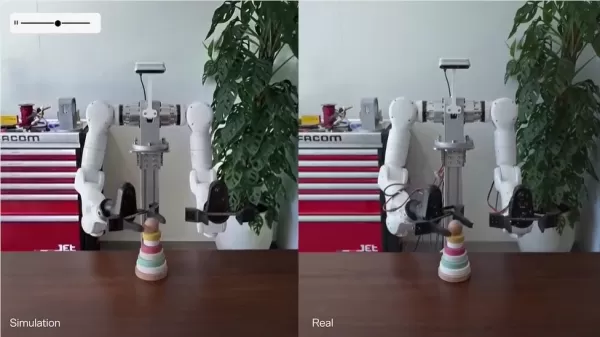
When developing robot models, assessing their performance typically demands extensive real-world testing, a process that is both time-consuming and costly. The introduction of Genesis World 1.0 aims to address this issue. According to official figures, this simulation platform can reduce evaluation tasks that would have taken over 200 hours in actual conditions to just 0.5 hours. Even more remarkably, the correlation between results obtained from simulations and those measured on real hardware is estimated to be as high as 89%, meaning that insights gained in the virtual environment closely reflect true performance in the physical world.
At present, Genesis AI has positioned this platform as a tool for evaluating and refining robot foundation models. By making this full-stack infrastructure available openly, it provides developers with a more efficient and accessible training environment. This helps overcome the efficiency limitations associated with model evaluation during robot development and further accelerates the commercialization of Physical AI.
Related article
 VC Calls $32B Acquisition 'Deal of the Decade'
Loading the player…According to Index Ventures Partner Shardul Shah, cybersecurity startup Wiz sits “at the center of three tailwinds: AI, cloud, and security spend.” Those tailwinds powered what just became the largest venture-backed acquisition in
OpenAI Unveils GPT-6Astra, Marking AGI Era with Breakthroughs in Performance and Security
OpenAI unveiled GPT-6Astra on September 3, describing the new large language model as a transformative leap for software engineering, professional workflows, scientific research, and cybersecurity. Greg Brockman, OpenAI’s president, declared at the l
Study Reveals Gender Gap in AI Adoption: Women Use Generative Tools 22% Less
In a recent Instagram post, actress Reese Witherspoon encouraged more women to embrace artificial intelligence, highlighting the persistent gender divide in the tech sector. She emphasized that women remain underrepresented in AI applications and exp
Related Special Topic Recommendations
Social Media
VC Calls $32B Acquisition 'Deal of the Decade'
Loading the player…According to Index Ventures Partner Shardul Shah, cybersecurity startup Wiz sits “at the center of three tailwinds: AI, cloud, and security spend.” Those tailwinds powered what just became the largest venture-backed acquisition in
OpenAI Unveils GPT-6Astra, Marking AGI Era with Breakthroughs in Performance and Security
OpenAI unveiled GPT-6Astra on September 3, describing the new large language model as a transformative leap for software engineering, professional workflows, scientific research, and cybersecurity. Greg Brockman, OpenAI’s president, declared at the l
Study Reveals Gender Gap in AI Adoption: Women Use Generative Tools 22% Less
In a recent Instagram post, actress Reese Witherspoon encouraged more women to embrace artificial intelligence, highlighting the persistent gender divide in the tech sector. She emphasized that women remain underrepresented in AI applications and exp
Related Special Topic Recommendations
Social Media
 AI TikTok Hook Generators for Short-Form Creators
2026 Latest Best AI TikTok Hook Generators for Short-Form Creators! XIX.AI has curated a top-rated list of powerful, game-changing tools that go through real-world tests to deliver must-try hooks every week. You’ll find easy free vs paid comparison options along with detailed rankings to help you find the perfect solution for boosting your content creation efficiency. Explore now to Unlock your AI edge!
 16 tools
 xix.ai
Productivity
Best AI Email Triage Tools for Team Productivity
xix.ai
Productivity
Best AI Email Triage Tools for Team Productivity
2026 Latest Best Top-Rated AI Email Triage Tools for Team Productivity! XIX.AI curates a powerful, game-changing collection of must-try tools that help teams quickly sort through massive email volumes, boost writing efficiency, and save countless hours each week. Our rigorous real-world tests and updated rankings ensure you find the perfect fit for your workflow. Explore now to unlock your AI edge!
10 tools
xix.ai
Music composition
Top AI Songwriting Assistants: Develop Lyrics, Chords, and Melodies
2026 Latest Top-Rated Best AI Songwriting Assistants are here on XIX.AI! This curated list features powerfully efficient tools that go through real-world tests to deliver high-quality lyrics, chords, and melodies effortlessly. Get a free vs paid comparison to find the perfect fit for your creative needs. Explore now to unlock your AI edge in music creation!
12 tools
xix.ai
automation
Top AI Agent Builders: Design Multi-Step Business Automations
2026 Latest Top-Rated Best AI Agent Builders for Creating Multi-Step Business Automations. This curated list features powerful, game-changing tools that go through rigorous real-world tests. You’ll find detailed free vs paid comparisons, comprehensive rankings, and weekly updated insights to help you choose the perfect solution that boosts your productivity significantly. Explore now at XIX.AI to unlock your AI edge!
11 tools
xix.ai
Productivity
AI Task Planning Tools for Busy Professionals
2026 Latest Best Top-rated AI Task Planning Tools for Busy Professionals! XIX.AI has curated a powerful, game-changing collection of highly efficient tools that help users streamline workflows, boost productivity, and overcome daily scheduling challenges. Each option goes through rigorous real-world tests to ensure reliability. Get a free vs paid comparison and discover the perfect tool to unlock your AI edge. Explore now!
15 tools
xix.ai
chatbot
Top AI Customer Chatbots: Answer FAQs and Qualify Leads 24/7
2026 Latest Top-rated AI Customer Chatbots featured on this curated list are the best solutions for answering customer FAQs instantly and qualifying leads around the clock. XIX.AI has conducted rigorous real-world tests to deliver a detailed free vs paid comparison along with up-to-date rankings, helping you find a powerful game-changing tool that boosts productivity significantly. Explore now to Discover your perfect AI chatbot solution!
9 tools
xix.ai

 Comments (0)
0/500
Comments (0)
0/500
As robotic technology advances steadily, it is no longer uncommon for robots to acquire cooking skills. Yet, figuring out how to help these intelligent systems develop quickly within training environments remains a significant challenge across the industry. Recently, Genesis AI — the company that gained widespread attention thanks to a video titled “Robot Stir-frying Eggs” — officially released and made its core platform, Genesis World 1.0, available as open source. This initiative is designed to supply developers worldwide working on robotics and physical AI with a high-performance, full-stack simulation environment.
The open-source package includes numerous valuable components, among which are three key projects: the Genesis World physics simulation platform, the Quadrants cross-platform GPU compiler, and the Nyx realistic renderer. Importantly, the underlying logic of this entire system was developed entirely by the team itself, ensuring extremely high stability and seamless integration.
When developing robot models, assessing their performance typically demands extensive real-world testing, a process that is both time-consuming and costly. The introduction of Genesis World 1.0 aims to address this issue. According to official figures, this simulation platform can reduce evaluation tasks that would have taken over 200 hours in actual conditions to just 0.5 hours. Even more remarkably, the correlation between results obtained from simulations and those measured on real hardware is estimated to be as high as 89%, meaning that insights gained in the virtual environment closely reflect true performance in the physical world.
At present, Genesis AI has positioned this platform as a tool for evaluating and refining robot foundation models. By making this full-stack infrastructure available openly, it provides developers with a more efficient and accessible training environment. This helps overcome the efficiency limitations associated with model evaluation during robot development and further accelerates the commercialization of Physical AI.








 VC Calls $32B Acquisition 'Deal of the Decade'
Loading the player…According to Index Ventures Partner Shardul Shah, cybersecurity startup Wiz sits “at the center of three tailwinds: AI, cloud, and security spend.” Those tailwinds powered what just became the largest venture-backed acquisition in
VC Calls $32B Acquisition 'Deal of the Decade'
Loading the player…According to Index Ventures Partner Shardul Shah, cybersecurity startup Wiz sits “at the center of three tailwinds: AI, cloud, and security spend.” Those tailwinds powered what just became the largest venture-backed acquisition in
 OpenAI Unveils GPT-6Astra, Marking AGI Era with Breakthroughs in Performance and Security
OpenAI unveiled GPT-6Astra on September 3, describing the new large language model as a transformative leap for software engineering, professional workflows, scientific research, and cybersecurity. Greg Brockman, OpenAI’s president, declared at the l
OpenAI Unveils GPT-6Astra, Marking AGI Era with Breakthroughs in Performance and Security
OpenAI unveiled GPT-6Astra on September 3, describing the new large language model as a transformative leap for software engineering, professional workflows, scientific research, and cybersecurity. Greg Brockman, OpenAI’s president, declared at the l
 Study Reveals Gender Gap in AI Adoption: Women Use Generative Tools 22% Less
In a recent Instagram post, actress Reese Witherspoon encouraged more women to embrace artificial intelligence, highlighting the persistent gender divide in the tech sector. She emphasized that women remain underrepresented in AI applications and exp
Study Reveals Gender Gap in AI Adoption: Women Use Generative Tools 22% Less
In a recent Instagram post, actress Reese Witherspoon encouraged more women to embrace artificial intelligence, highlighting the persistent gender divide in the tech sector. She emphasized that women remain underrepresented in AI applications and exp
2026 Latest Best AI TikTok Hook Generators for Short-Form Creators! XIX.AI has curated a top-rated list of powerful, game-changing tools that go through real-world tests to deliver must-try hooks every week. You’ll find easy free vs paid comparison options along with detailed rankings to help you find the perfect solution for boosting your content creation efficiency. Explore now to Unlock your AI edge!
16 tools
xix.ai
2026 Latest Best Top-Rated AI Email Triage Tools for Team Productivity! XIX.AI curates a powerful, game-changing collection of must-try tools that help teams quickly sort through massive email volumes, boost writing efficiency, and save countless hours each week. Our rigorous real-world tests and updated rankings ensure you find the perfect fit for your workflow. Explore now to unlock your AI edge!
10 tools
xix.ai
2026 Latest Top-Rated Best AI Songwriting Assistants are here on XIX.AI! This curated list features powerfully efficient tools that go through real-world tests to deliver high-quality lyrics, chords, and melodies effortlessly. Get a free vs paid comparison to find the perfect fit for your creative needs. Explore now to unlock your AI edge in music creation!
12 tools
xix.ai

2026 Latest Top-Rated Best AI Agent Builders for Creating Multi-Step Business Automations. This curated list features powerful, game-changing tools that go through rigorous real-world tests. You’ll find detailed free vs paid comparisons, comprehensive rankings, and weekly updated insights to help you choose the perfect solution that boosts your productivity significantly. Explore now at XIX.AI to unlock your AI edge!
11 tools
xix.ai

2026 Latest Best Top-rated AI Task Planning Tools for Busy Professionals! XIX.AI has curated a powerful, game-changing collection of highly efficient tools that help users streamline workflows, boost productivity, and overcome daily scheduling challenges. Each option goes through rigorous real-world tests to ensure reliability. Get a free vs paid comparison and discover the perfect tool to unlock your AI edge. Explore now!
15 tools
xix.ai

2026 Latest Top-rated AI Customer Chatbots featured on this curated list are the best solutions for answering customer FAQs instantly and qualifying leads around the clock. XIX.AI has conducted rigorous real-world tests to deliver a detailed free vs paid comparison along with up-to-date rankings, helping you find a powerful game-changing tool that boosts productivity significantly. Explore now to Discover your perfect AI chatbot solution!
9 tools
xix.ai












