


 Home
HomeHow to upgrade a DIY hydrogen electrolyzer for fuel savings and performance in 2026?
Explore the latest innovations in DIY hydrogen electrolyzer systems for automotive use. This article details the progress on a custom stainless steel electrolyzer, originally installed in a Chevy S10, and its recent adaptation for a carbureted 1989 Toyota Corolla. We'll cover the technical hurdles, necessary modifications, and the ongoing effort to boost fuel economy.
Key Takeaways
The stainless steel electrolyzer was first assembled during the spring season for a Chevy S10 pickup truck.
It was later moved to a 1989 Toyota Corolla equipped with a carburetor to achieve better fuel economy.
A redesigned, wider bubbler was implemented to minimize liquid splashing.
The vehicle's cruise control system was taken out to create installation space for the hydrogen unit.
Electrolyzer performance gradually declined, probably due to mineral accumulation on the electrode plates.
Sulfur-based residue was found on the rubber seals, suggesting a need for more resilient gasket materials.
Electrical connections required re-soldering as they had become loose over time.
The baking soda electrolyte solution develops a reddish-brown sediment that needs regular replacement.
Planned enhancements include integrating a high-frequency pulse circuit to improve electrical efficiency.
The Corolla demonstrated modest gains in fuel consumption after the installation.
Project Overview: Stainless Steel Electrolyzer Unit
Initial Build and Purpose
This initiative centers on a custom-built stainless steel electrolyzer initially created for a Chevy S10 pickup.
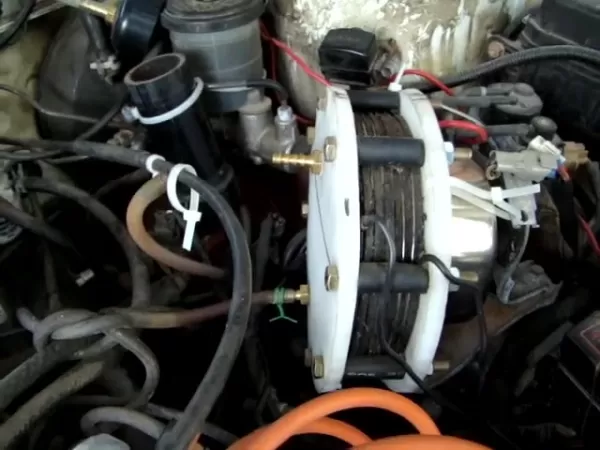
The project's main objective is to improve fuel economy by introducing hydrogen gas into the engine's air intake system. Through electrolysis, the device separates water into hydrogen and oxygen components. The generated hydrogen then mixes with the standard fuel supply, potentially offering both economic and environmental benefits for various combustion engines.
Transition to the Toyota Corolla
After observing limited benefits from the hydrogen system on the fuel-injected Chevy S10, the electrolysis unit was reinstalled in a 1989 Toyota Corolla.

The Corolla's carbureted engine was selected for its greater compatibility with hydrogen supplementation. Carburetor-based systems typically allow more direct control over fuel mixture ratios compared to modern computer-managed injection systems. This mechanical simplicity makes the older Corolla an excellent test platform for evaluating hydrogen-assisted fuel savings.
Addressing Fuel Efficiency Concerns
Initial testing on the S10 showed minimal fuel economy improvement, largely because its electronic fuel injection system automatically compensates for changes in the air-fuel ratio. Modern engine management systems can counteract potential benefits from hydrogen addition. The switch to the carburetor-equipped vehicle was therefore strategic, creating better conditions for accurately measuring hydrogen's impact on fuel consumption.
Modifications and Component Updates
New Bubbler Unit Installation
A significant system upgrade involved replacing the original bubbler assembly.
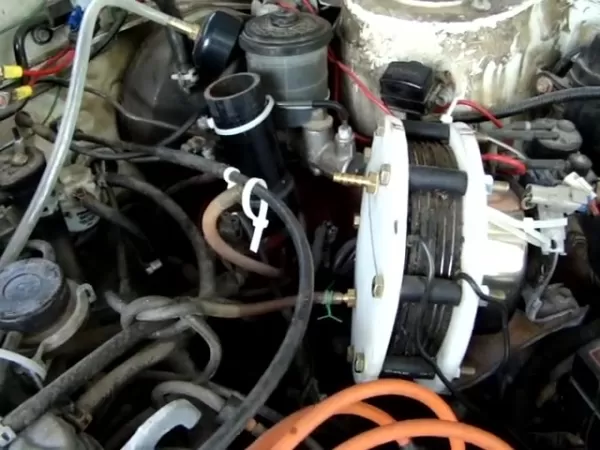
The previous design was swapped for a wider PVC-based unit that reduces liquid splashing and ensures more consistent gas flow. The expanded diameter provides greater surface area for hydrogen bubbles to form while minimizing electrolyte carryover. This design improvement helps ensure only dry, purified hydrogen reaches the combustion chamber, which is essential for proper engine operation.
An additional anti-splash component was installed above the main bubbler chamber. This safety feature acts as a physical barrier against electrolyte droplets entering the gas stream. By maintaining gas purity, the system protects engine components from potential corrosion while optimizing combustion efficiency. The enhancement specifically prevents water intrusion into the carburetor during hydrogen production.
Space Optimization and Cruise Control Unit Removal
To fit the electrolyzer into the Corolla's compact engine compartment, the factory cruise control module was removed.

This modification not only freed up sufficient space but also provided a pre-existing mounting bracket that was repurposed for the electrolyzer. Eliminating the cruise control system created the necessary real estate for optimal component placement. The reused bracket simplified installation while ensuring secure mounting against engine vibration.
Electrical System and Wiring
The electrical configuration from the S10 installation was maintained, including the original relay and wiring harness.
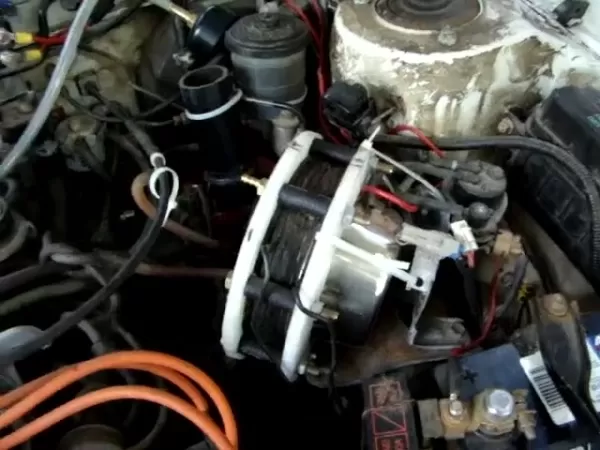
This included preserving the fuse and relay arrangement to ensure system compatibility and consistent operation. The relay configuration is critical for managing the high current demands of electrolysis while protecting the vehicle's electrical system. It also enables automatic activation synchronized with engine operation.
The electrode connections showed signs of deterioration and required re-soldering to maintain electrical integrity. This maintenance procedure is essential since poor connections increase electrical resistance, leading to power loss and potential overheating. Regular inspection and reinforcement of these connections helps sustain both performance and safety.
Installation Guide: Setting Up the Hydrogen Electrolyzer
Step 1: Disconnecting the Cruise Control Unit
Start by removing the cruise control unit to create space for the hydrogen system. Locate the component, usually mounted on the inner fender or firewall, then carefully disconnect its electrical plugs and vacuum lines. After detaching all connections, unbolt the unit from its bracket and remove it from the engine compartment. Save the mounting bracket for potential reuse with the electrolyzer.
Step 2: Securing the Electrolyzer Unit
Adapt the cruise control bracket to mount the hydrogen electrolyzer. Drill new attachment points if needed to match the electrolyzer's mounting pattern. Use high-quality bolts and washers to firmly attach the unit, ensuring it remains stable during vehicle operation. Proper mounting prevents component damage from vibration and road shocks.
Step 3: Electrical Connections
Connect the electrolyzer to the vehicle's electrical system using the pre-existing relay and wiring. Attach the positive and negative cables from the electrolyzer to the appropriate relay terminals. Verify the relay has a solid ground connection to the vehicle chassis. Carefully inspect all connections to ensure they're secure and properly insulated against short circuits.
Step 4: Installing the Bubbler Unit
Position the new bubbler assembly within the engine bay, ensuring easy access for future maintenance. Connect one end of the supply hose to the electrolyzer's gas outlet and the opposite end to the bubbler's intake port. Secure all hose connections with clamps to prevent leaks. Fill the bubbler with electrolyte solution—typically distilled water with baking soda—to the recommended level.
Step 5: Connecting to the Carburetor
Establish a connection between the bubbler and the carburetor assembly. Drill an appropriately sized hole in the air filter housing to accept the hose fitting. Insert the fitting securely into the hole, then connect the hose from the bubbler outlet. Route the hose away from hot engine components to prevent heat damage.
Step 6: Testing and Adjustments
Start the engine and verify hydrogen production in the electrolyzer. Observe gas flow through the bubbler and into the intake system. Use a multimeter to check voltage and current at the electrolyzer terminals. Fine-tune electrolyte concentration or electrical parameters as needed to optimize gas generation. Conduct road tests while monitoring fuel consumption to evaluate the system's effectiveness.
DIY Hydrogen Electrolyzer Cost Breakdown
Estimating the Costs
Constructing your own hydrogen electrolyzer can be budget-friendly, though understanding potential expenses is important. Final costs will depend on material selection and availability of existing parts. This section offers approximate cost ranges to help plan your project budget.
Component Estimated Cost Notes Stainless Steel Plates$50 - $100Pricing depends on plate thickness and dimensions.Electrolyte (Baking Soda)$5 - $10Inexpensive and easily obtained from local stores.Bubbler Unit$20 - $50Can be fabricated from PVC pipe or purchased pre-made.Hoses and Fittings$15 - $30Required for connecting the electrolyzer to the engine.Relay and Wiring$20 - $40Provides safe and regulated system operation.Mounting Hardware$10 - $20Includes bolts, washers, and brackets for secure installation.Miscellaneous$10 - $30Covers incidentals like cable ties, insulation tape, and connectors.Total Estimated Cost$130 - $280Final expense depends on resourcefulness and availability of recycled components.Hydrogen Electrolyzer: Advantages and Disadvantages
Pros
Budget-friendly construction
Practical educational opportunity
Possible fuel economy improvements in classic vehicles
Eco-friendly operation with low emissions
Cons
Restricted fuel savings in modern fuel-injected cars
Gradual performance reduction from plate deposits
Possible corrosion problems from electrolyte
Safety considerations regarding hydrogen management
Key Features of the Electrolyzer Unit
Stainless Steel Cons
truction
Stainless steel electrodes provide corrosion resistance and long-term durability. This material withstands the demanding conditions of continuous electrolysis while maintaining good electrical conductivity. The robust construction contributes to consistent hydrogen production and overall system reliability.
Optimized Electrolyte
Using baking soda as the electrolyte offers a safer alternative to more corrosive chemicals like sodium hydroxide. This common household product provides effective electrolysis while reducing risks to both the electrolyzer components and the vehicle's engine. The approach balances performance with safety and accessibility.
Gas Delivery System
The bubbler assembly serves as a crucial safety component by removing moisture and electrolyte droplets from the hydrogen stream. This filtration process ensures clean gas reaches the engine, promoting efficient combustion while preventing potential damage from corrosive substances.
Diverse Applications: Utilizing Hydrogen Electrolyzers
Fuel Economy Enhancement
The primary use involves supplementing the fuel mixture in combustion engines, particularly older carbureted models, potentially improving fuel efficiency and reducing exhaust emissions.
Educational Tool
DIY electrolyzers serve as excellent teaching aids for demonstrating electrolysis principles, renewable energy concepts, and sustainable transportation technologies through hands-on experimentation.
Experimentation and Innovation
Hobbyists and researchers can test different configurations, materials, and electrolyte formulas to enhance hydrogen output and investigate novel energy applications, including integration with renewable power sources.
Frequently Asked Questions
What is a hydrogen electrolyzer?
A hydrogen electrolyzer is an apparatus that applies electrical energy to decompose water molecules into hydrogen and oxygen gases. This electrochemical process, called electrolysis, provides a clean method for hydrogen production with applications in fuel cells, combustion engines, and industrial operations. Standard electrolyzers contain two electrodes submerged in an electrolyte solution, with an external power source driving the chemical reaction.
What are the key components of a DIY hydrogen electrolyzer?
Essential elements for a homemade hydrogen electrolyzer include: Electrodes (anode and cathode): Usually fabricated from stainless steel or other conductive metals. Electrolyte: An electrically conductive solution like baking soda dissolved in water. Container: A vessel to house the electrolyte and electrodes. Power supply: A DC source such as a battery or regulated power converter. Gas handling system: Tubing and containers to gather the produced hydrogen and oxygen gases.
What type of electrolyte is best for a DIY hydrogen electrolyzer?
For DIY projects, baking soda (sodium bicarbonate) mixed with distilled water represents a popular and safer electrolyte option. While stronger chemicals like sodium hydroxide may yield more hydrogen, they present greater corrosion risks and handling challenges. Baking soda provides reasonable performance with enhanced safety, making it suitable for experimental setups. Typical concentrations range between 1-5% for optimal results.
How does adding hydrogen to a combustion engine improve fuel efficiency?
Introducing hydrogen to a combustion engine can enhance fuel economy due to hydrogen's rapid combustion characteristics and broad ignition range. Hydrogen promotes more complete fuel burning, potentially increasing power output while reducing harmful emissions. However, the hydrogen quantity must be carefully regulated to prevent engine issues like premature ignition. Typically, small amounts are introduced into the intake system to supplement conventional fuel.
What are the challenges of using a DIY hydrogen electrolyzer in a vehicle?
Several difficulties emerge when implementing a homemade hydrogen electrolyzer in automotive applications: Gas Storage: Safely containing low-density hydrogen gas presents engineering challenges. System Efficiency: DIY units often have lower efficiency than commercial products, demanding substantial electrical power. Electrolyte Maintenance: Managing solution concentration and preventing component corrosion requires ongoing attention. Safety Protocols: Hydrogen's high flammability necessitates careful handling and system design. Regulation Requirements: Hydrogen injection rates must be precisely controlled to avoid engine damage and ensure proper operation.
Further Exploration: Related Questions on Hydrogen Technology
What are the potential benefits of using hydrogen as a fuel source?
Hydrogen fuel offers multiple advantages that could transform energy and transportation sectors. Key benefits include: Environmental Impact: Hydrogen use significantly reduces greenhouse gas emissions, particularly when produced from renewable sources. Fuel cell applications emit only water vapor, offering a clean alternative to fossil fuels that contribute to climate change and urban air pollution. Energy Density: Hydrogen possesses high energy content by weight, making it attractive for weight-sensitive applications like aviation and long-haul transport. However, its low volumetric energy density requires advanced storage solutions. Production Flexibility: Hydrogen can be generated from diverse sources including natural gas, nuclear power, biomass, and renewable electricity. This diversity enhances energy security by reducing reliance on single energy sources. Renewable Integration: Hydrogen production through water electrolysis using solar or wind power enables completely renewable energy cycles. As renewable technology advances, green hydrogen production costs are expected to decline. Conversion Efficiency: Fuel cells that convert hydrogen to electricity offer higher efficiency than traditional combustion engines. This direct energy conversion minimizes losses and can reduce operational expenses.
How does a hydrogen fuel cell work, and what are its applications?
A hydrogen fuel cell generates electricity through an electrochemical reaction between hydrogen and oxygen. Unlike batteries, fuel cells continuously produce power when supplied with fuel. The operational process involves: Anode Reaction: Hydrogen molecules separate into protons and electrons at the anode, facilitated by a catalyst. H2 → 2H+ + 2e- Electron Flow: Released electrons travel through an external circuit, creating usable electric current. Proton Migration: Positive ions move through an electrolyte membrane to the cathode. Cathode Reaction: Oxygen molecules combine with protons and electrons at the cathode to form water. O2 + 4H+ + 4e- → 2H2O. Overall Process: The system combines hydrogen and oxygen to produce water while releasing electrical and thermal energy. 2H2 + O2 → 2H2O + Energy. Practical Applications Include: Transportation: Fuel cell vehicles power electric motors with advantages including extended range, rapid refueling, and zero emissions. Applications span passenger cars, buses, and freight transport. Stationary Power: Fuel cells provide electricity and heating for residential, commercial, and industrial facilities, offering reliable clean energy especially in areas with unstable grid power. Portable Systems: Compact fuel cells supply power for electronic devices, medical equipment, and remote applications, featuring light weight and extended operation. Backup Power: Critical infrastructure like hospitals and data centers use fuel cells for emergency power during outages. Industrial Uses: Hydrogen powers industrial processes including chemical manufacturing, material handling equipment, and process heating, combining efficiency with low emissions.
What are the current limitations and future developments in hydrogen technology?
While promising, hydrogen technology faces several challenges that require resolution for widespread adoption. Current limitations include: Production Expenses: Hydrogen manufacturing, particularly via electrolysis, remains costly due to electricity requirements and equipment investments. Cost reduction is essential for competitiveness with conventional fuels. Storage and Transport: Hydrogen's low volumetric density necessitates high-pressure or cryogenic storage systems, adding complexity and expense. Long-distance transportation presents additional logistical challenges. Infrastructure Gaps: Limited hydrogen refueling stations hinder fuel cell vehicle adoption. Establishing comprehensive networks demands substantial investment and coordination. Component Durability: Fuel cells and electrolyzers require improved longevity and reliability for continuous operation under varying conditions. Enhanced durability would reduce maintenance costs and increase economic feasibility. Safety Considerations: Hydrogen's high flammability requires rigorous safety protocols and public education to address perception issues. Future advancements focus on: Cost Reduction: Research aims to lower production, storage, and transportation expenses through improved electrolyzers, advanced materials, and optimized logistics. Electrolyzer Innovation: Developments in solid oxide and advanced alkaline electrolyzers promise higher efficiency, lower temperature operation, and reduced capital costs. Storage Enhancements: Investigations into metal hydrides, chemical carriers, and porous materials seek to increase storage density while lowering costs. Infrastructure Expansion: Governments and industry partners are investing in hydrogen refueling networks to support vehicle adoption. Policy Support: Regulatory frameworks including production incentives, safety standards, and clean energy mandates are crucial for technology development and implementation.
Related article
 Inside Details Exposed About Next-Gen Gemini: Strained Computing Power, Internal Teams Disagreed on Development Priorities and Resource Allocation
Reports indicate that the launch of Google’s highly anticipated next-generation Gemini model has been pushed back. Internal disagreements over development priorities and resource allocation, combined with limited computing capacity and complex approv
OpenAI Dismisses Growth Slowdown Concerns, Says Multiple Business Units Accelerating
In response to external scrutiny regarding decelerating sales growth and missed internal benchmarks, AI leader OpenAI issued a confident statement on Tuesday, April 28. The company clarified that its consumer products and enterprise services are adva
Alibaba Super Cup: Qwen3.8-Max Debuts with Boosted Coding and Office Tools
Alibaba has officially unveiled Qwen3.8-Max, a next-generation foundation large model boasting 2.4 trillion parameters. This significant AI advancement delivers substantial performance gains in core areas like coding and professional office tasks, sh
Related Special Topic Recommendations
Music composition
Inside Details Exposed About Next-Gen Gemini: Strained Computing Power, Internal Teams Disagreed on Development Priorities and Resource Allocation
Reports indicate that the launch of Google’s highly anticipated next-generation Gemini model has been pushed back. Internal disagreements over development priorities and resource allocation, combined with limited computing capacity and complex approv
OpenAI Dismisses Growth Slowdown Concerns, Says Multiple Business Units Accelerating
In response to external scrutiny regarding decelerating sales growth and missed internal benchmarks, AI leader OpenAI issued a confident statement on Tuesday, April 28. The company clarified that its consumer products and enterprise services are adva
Alibaba Super Cup: Qwen3.8-Max Debuts with Boosted Coding and Office Tools
Alibaba has officially unveiled Qwen3.8-Max, a next-generation foundation large model boasting 2.4 trillion parameters. This significant AI advancement delivers substantial performance gains in core areas like coding and professional office tasks, sh
Related Special Topic Recommendations
Music composition
 Best AI Melody Writing Tools for Song Drafts
2026 Latest Best Top-Rated AI Melody Writing Tools for Song Drafts! XIX.AI has curated a highly powerful game-changing collection that goes through rigorous real-world tests to deliver the best writing experience. You can find detailed free vs paid comparisons, accurate rankings, and must-try options designed to help you create stunning song drafts effortlessly and boost your creative productivity significantly. Explore now to discover your perfect tool!
 8 tools
 xix.ai
chatbot
Best AI Conversation Trainer Tools for Interview Practice
xix.ai
chatbot
Best AI Conversation Trainer Tools for Interview Practice
2026 Latest Best Top-rated AI Conversation Trainer Tools for Interview Practice are here on XIX.AI! This curated collection features powerful, game-changing tools that go through rigorous real-world tests to deliver accurate feedback. You’ll find a free vs paid comparison and detailed rankings to help you choose the must-try option that boosts your confidence and skills. Explore now to Discover your perfect tool for interview success!
12 tools
xix.ai
Design & Art
Best AI Style Transfer Tools for Creative Experiments
2026 Latest Best Top-rated AI Style Transfer Tools for Creative Experiments! XIX.AI has curated a powerful, game-changing collection of must-try tools that deliver exceptional results through real-world tests and rigorous rankings. These top solutions help creatives boost productivity significantly by accelerating content creation and unlocking endless creative possibilities. Explore now to discover your perfect tool and start creating today!
9 tools
xix.ai
Comic Creation
Best AI Dialogue Bubble Tools for Visual Storytelling
2026 Latest Best Top-Rated AI Dialogue Bubble Tools for Visual Storytelling are here on XIX.AI! This curated collection features powerful, game-changing tools that help creators boost productivity and overcome creative bottlenecks. Get a free vs paid comparison, see real-world tests, and check the latest rankings to find the must-try solutions perfect for crafting engaging visual narratives. Explore now to discover your ideal tool!
10 tools
xix.ai
Meeting Assistant
Top AI Meeting Summary Tools: Track Decisions and Follow-Ups Clearly
2026 Latest Top-Rated Best AI Meeting Summary Tools for Clear Decision Tracking and Effortless Follow-Ups. This curated list showcases powerful, game-changing solutions that boost productivity dramatically by automating meeting notes, identifying key action items, and streamlining team coordination across all projects. Get a free vs paid comparison along with real-world tests and weekly updated rankings to help you find the perfect tool. Explore now to unlock your AI edge!
9 tools
xix.ai
Data Analysis
Best AI Data Cleaning Tools: Fix Missing Values and Duplicates Fast
2026 Latest Best Top-rated AI Data Cleaning Tools for quick fixing of missing values and duplicates. This curated list showcases powerful, game-changing solutions that boost productivity significantly. Each option has undergone rigorous real-world tests to ensure reliability. Get a free vs paid comparison and discover the must-try tool that fits your needs best. Explore now at XIX.AI to Unlock your AI edge.
11 tools
xix.ai

 Comments (0)
0/500
Comments (0)
0/500
Explore the latest innovations in DIY hydrogen electrolyzer systems for automotive use. This article details the progress on a custom stainless steel electrolyzer, originally installed in a Chevy S10, and its recent adaptation for a carbureted 1989 Toyota Corolla. We'll cover the technical hurdles, necessary modifications, and the ongoing effort to boost fuel economy.
Key Takeaways
The stainless steel electrolyzer was first assembled during the spring season for a Chevy S10 pickup truck.
It was later moved to a 1989 Toyota Corolla equipped with a carburetor to achieve better fuel economy.
A redesigned, wider bubbler was implemented to minimize liquid splashing.
The vehicle's cruise control system was taken out to create installation space for the hydrogen unit.
Electrolyzer performance gradually declined, probably due to mineral accumulation on the electrode plates.
Sulfur-based residue was found on the rubber seals, suggesting a need for more resilient gasket materials.
Electrical connections required re-soldering as they had become loose over time.
The baking soda electrolyte solution develops a reddish-brown sediment that needs regular replacement.
Planned enhancements include integrating a high-frequency pulse circuit to improve electrical efficiency.
The Corolla demonstrated modest gains in fuel consumption after the installation.
Project Overview: Stainless Steel Electrolyzer Unit
Initial Build and Purpose
This initiative centers on a custom-built stainless steel electrolyzer initially created for a Chevy S10 pickup.
The project's main objective is to improve fuel economy by introducing hydrogen gas into the engine's air intake system. Through electrolysis, the device separates water into hydrogen and oxygen components. The generated hydrogen then mixes with the standard fuel supply, potentially offering both economic and environmental benefits for various combustion engines.
Transition to the Toyota Corolla
After observing limited benefits from the hydrogen system on the fuel-injected Chevy S10, the electrolysis unit was reinstalled in a 1989 Toyota Corolla.
The Corolla's carbureted engine was selected for its greater compatibility with hydrogen supplementation. Carburetor-based systems typically allow more direct control over fuel mixture ratios compared to modern computer-managed injection systems. This mechanical simplicity makes the older Corolla an excellent test platform for evaluating hydrogen-assisted fuel savings.
Addressing Fuel Efficiency Concerns
Initial testing on the S10 showed minimal fuel economy improvement, largely because its electronic fuel injection system automatically compensates for changes in the air-fuel ratio. Modern engine management systems can counteract potential benefits from hydrogen addition. The switch to the carburetor-equipped vehicle was therefore strategic, creating better conditions for accurately measuring hydrogen's impact on fuel consumption.
Modifications and Component Updates
New Bubbler Unit Installation
A significant system upgrade involved replacing the original bubbler assembly.
The previous design was swapped for a wider PVC-based unit that reduces liquid splashing and ensures more consistent gas flow. The expanded diameter provides greater surface area for hydrogen bubbles to form while minimizing electrolyte carryover. This design improvement helps ensure only dry, purified hydrogen reaches the combustion chamber, which is essential for proper engine operation.
An additional anti-splash component was installed above the main bubbler chamber. This safety feature acts as a physical barrier against electrolyte droplets entering the gas stream. By maintaining gas purity, the system protects engine components from potential corrosion while optimizing combustion efficiency. The enhancement specifically prevents water intrusion into the carburetor during hydrogen production.
Space Optimization and Cruise Control Unit Removal
To fit the electrolyzer into the Corolla's compact engine compartment, the factory cruise control module was removed.
This modification not only freed up sufficient space but also provided a pre-existing mounting bracket that was repurposed for the electrolyzer. Eliminating the cruise control system created the necessary real estate for optimal component placement. The reused bracket simplified installation while ensuring secure mounting against engine vibration.
Electrical System and Wiring
The electrical configuration from the S10 installation was maintained, including the original relay and wiring harness.
This included preserving the fuse and relay arrangement to ensure system compatibility and consistent operation. The relay configuration is critical for managing the high current demands of electrolysis while protecting the vehicle's electrical system. It also enables automatic activation synchronized with engine operation.
The electrode connections showed signs of deterioration and required re-soldering to maintain electrical integrity. This maintenance procedure is essential since poor connections increase electrical resistance, leading to power loss and potential overheating. Regular inspection and reinforcement of these connections helps sustain both performance and safety.
Installation Guide: Setting Up the Hydrogen Electrolyzer
Step 1: Disconnecting the Cruise Control Unit
Start by removing the cruise control unit to create space for the hydrogen system. Locate the component, usually mounted on the inner fender or firewall, then carefully disconnect its electrical plugs and vacuum lines. After detaching all connections, unbolt the unit from its bracket and remove it from the engine compartment. Save the mounting bracket for potential reuse with the electrolyzer.
Step 2: Securing the Electrolyzer Unit
Adapt the cruise control bracket to mount the hydrogen electrolyzer. Drill new attachment points if needed to match the electrolyzer's mounting pattern. Use high-quality bolts and washers to firmly attach the unit, ensuring it remains stable during vehicle operation. Proper mounting prevents component damage from vibration and road shocks.
Step 3: Electrical Connections
Connect the electrolyzer to the vehicle's electrical system using the pre-existing relay and wiring. Attach the positive and negative cables from the electrolyzer to the appropriate relay terminals. Verify the relay has a solid ground connection to the vehicle chassis. Carefully inspect all connections to ensure they're secure and properly insulated against short circuits.
Step 4: Installing the Bubbler Unit
Position the new bubbler assembly within the engine bay, ensuring easy access for future maintenance. Connect one end of the supply hose to the electrolyzer's gas outlet and the opposite end to the bubbler's intake port. Secure all hose connections with clamps to prevent leaks. Fill the bubbler with electrolyte solution—typically distilled water with baking soda—to the recommended level.
Step 5: Connecting to the Carburetor
Establish a connection between the bubbler and the carburetor assembly. Drill an appropriately sized hole in the air filter housing to accept the hose fitting. Insert the fitting securely into the hole, then connect the hose from the bubbler outlet. Route the hose away from hot engine components to prevent heat damage.
Step 6: Testing and Adjustments
Start the engine and verify hydrogen production in the electrolyzer. Observe gas flow through the bubbler and into the intake system. Use a multimeter to check voltage and current at the electrolyzer terminals. Fine-tune electrolyte concentration or electrical parameters as needed to optimize gas generation. Conduct road tests while monitoring fuel consumption to evaluate the system's effectiveness.
DIY Hydrogen Electrolyzer Cost Breakdown
Estimating the Costs
Constructing your own hydrogen electrolyzer can be budget-friendly, though understanding potential expenses is important. Final costs will depend on material selection and availability of existing parts. This section offers approximate cost ranges to help plan your project budget.
Hydrogen Electrolyzer: Advantages and Disadvantages
Pros
Budget-friendly construction
Practical educational opportunity
Possible fuel economy improvements in classic vehicles
Eco-friendly operation with low emissions
Cons
Restricted fuel savings in modern fuel-injected cars
Gradual performance reduction from plate deposits
Possible corrosion problems from electrolyte
Safety considerations regarding hydrogen management
Key Features of the Electrolyzer Unit
Stainless Steel Cons
truction
Stainless steel electrodes provide corrosion resistance and long-term durability. This material withstands the demanding conditions of continuous electrolysis while maintaining good electrical conductivity. The robust construction contributes to consistent hydrogen production and overall system reliability.
Optimized Electrolyte
Using baking soda as the electrolyte offers a safer alternative to more corrosive chemicals like sodium hydroxide. This common household product provides effective electrolysis while reducing risks to both the electrolyzer components and the vehicle's engine. The approach balances performance with safety and accessibility.
Gas Delivery System
The bubbler assembly serves as a crucial safety component by removing moisture and electrolyte droplets from the hydrogen stream. This filtration process ensures clean gas reaches the engine, promoting efficient combustion while preventing potential damage from corrosive substances.
Diverse Applications: Utilizing Hydrogen Electrolyzers
Fuel Economy Enhancement
The primary use involves supplementing the fuel mixture in combustion engines, particularly older carbureted models, potentially improving fuel efficiency and reducing exhaust emissions.
Educational Tool
DIY electrolyzers serve as excellent teaching aids for demonstrating electrolysis principles, renewable energy concepts, and sustainable transportation technologies through hands-on experimentation.
Experimentation and Innovation
Hobbyists and researchers can test different configurations, materials, and electrolyte formulas to enhance hydrogen output and investigate novel energy applications, including integration with renewable power sources.
Frequently Asked Questions
What is a hydrogen electrolyzer?
A hydrogen electrolyzer is an apparatus that applies electrical energy to decompose water molecules into hydrogen and oxygen gases. This electrochemical process, called electrolysis, provides a clean method for hydrogen production with applications in fuel cells, combustion engines, and industrial operations. Standard electrolyzers contain two electrodes submerged in an electrolyte solution, with an external power source driving the chemical reaction.
What are the key components of a DIY hydrogen electrolyzer?
Essential elements for a homemade hydrogen electrolyzer include: Electrodes (anode and cathode): Usually fabricated from stainless steel or other conductive metals. Electrolyte: An electrically conductive solution like baking soda dissolved in water. Container: A vessel to house the electrolyte and electrodes. Power supply: A DC source such as a battery or regulated power converter. Gas handling system: Tubing and containers to gather the produced hydrogen and oxygen gases.
What type of electrolyte is best for a DIY hydrogen electrolyzer?
For DIY projects, baking soda (sodium bicarbonate) mixed with distilled water represents a popular and safer electrolyte option. While stronger chemicals like sodium hydroxide may yield more hydrogen, they present greater corrosion risks and handling challenges. Baking soda provides reasonable performance with enhanced safety, making it suitable for experimental setups. Typical concentrations range between 1-5% for optimal results.
How does adding hydrogen to a combustion engine improve fuel efficiency?
Introducing hydrogen to a combustion engine can enhance fuel economy due to hydrogen's rapid combustion characteristics and broad ignition range. Hydrogen promotes more complete fuel burning, potentially increasing power output while reducing harmful emissions. However, the hydrogen quantity must be carefully regulated to prevent engine issues like premature ignition. Typically, small amounts are introduced into the intake system to supplement conventional fuel.
What are the challenges of using a DIY hydrogen electrolyzer in a vehicle?
Several difficulties emerge when implementing a homemade hydrogen electrolyzer in automotive applications: Gas Storage: Safely containing low-density hydrogen gas presents engineering challenges. System Efficiency: DIY units often have lower efficiency than commercial products, demanding substantial electrical power. Electrolyte Maintenance: Managing solution concentration and preventing component corrosion requires ongoing attention. Safety Protocols: Hydrogen's high flammability necessitates careful handling and system design. Regulation Requirements: Hydrogen injection rates must be precisely controlled to avoid engine damage and ensure proper operation.
Further Exploration: Related Questions on Hydrogen Technology
What are the potential benefits of using hydrogen as a fuel source?
Hydrogen fuel offers multiple advantages that could transform energy and transportation sectors. Key benefits include: Environmental Impact: Hydrogen use significantly reduces greenhouse gas emissions, particularly when produced from renewable sources. Fuel cell applications emit only water vapor, offering a clean alternative to fossil fuels that contribute to climate change and urban air pollution. Energy Density: Hydrogen possesses high energy content by weight, making it attractive for weight-sensitive applications like aviation and long-haul transport. However, its low volumetric energy density requires advanced storage solutions. Production Flexibility: Hydrogen can be generated from diverse sources including natural gas, nuclear power, biomass, and renewable electricity. This diversity enhances energy security by reducing reliance on single energy sources. Renewable Integration: Hydrogen production through water electrolysis using solar or wind power enables completely renewable energy cycles. As renewable technology advances, green hydrogen production costs are expected to decline. Conversion Efficiency: Fuel cells that convert hydrogen to electricity offer higher efficiency than traditional combustion engines. This direct energy conversion minimizes losses and can reduce operational expenses.
How does a hydrogen fuel cell work, and what are its applications?
A hydrogen fuel cell generates electricity through an electrochemical reaction between hydrogen and oxygen. Unlike batteries, fuel cells continuously produce power when supplied with fuel. The operational process involves: Anode Reaction: Hydrogen molecules separate into protons and electrons at the anode, facilitated by a catalyst. H2 → 2H+ + 2e- Electron Flow: Released electrons travel through an external circuit, creating usable electric current. Proton Migration: Positive ions move through an electrolyte membrane to the cathode. Cathode Reaction: Oxygen molecules combine with protons and electrons at the cathode to form water. O2 + 4H+ + 4e- → 2H2O. Overall Process: The system combines hydrogen and oxygen to produce water while releasing electrical and thermal energy. 2H2 + O2 → 2H2O + Energy. Practical Applications Include: Transportation: Fuel cell vehicles power electric motors with advantages including extended range, rapid refueling, and zero emissions. Applications span passenger cars, buses, and freight transport. Stationary Power: Fuel cells provide electricity and heating for residential, commercial, and industrial facilities, offering reliable clean energy especially in areas with unstable grid power. Portable Systems: Compact fuel cells supply power for electronic devices, medical equipment, and remote applications, featuring light weight and extended operation. Backup Power: Critical infrastructure like hospitals and data centers use fuel cells for emergency power during outages. Industrial Uses: Hydrogen powers industrial processes including chemical manufacturing, material handling equipment, and process heating, combining efficiency with low emissions.
What are the current limitations and future developments in hydrogen technology?
While promising, hydrogen technology faces several challenges that require resolution for widespread adoption. Current limitations include: Production Expenses: Hydrogen manufacturing, particularly via electrolysis, remains costly due to electricity requirements and equipment investments. Cost reduction is essential for competitiveness with conventional fuels. Storage and Transport: Hydrogen's low volumetric density necessitates high-pressure or cryogenic storage systems, adding complexity and expense. Long-distance transportation presents additional logistical challenges. Infrastructure Gaps: Limited hydrogen refueling stations hinder fuel cell vehicle adoption. Establishing comprehensive networks demands substantial investment and coordination. Component Durability: Fuel cells and electrolyzers require improved longevity and reliability for continuous operation under varying conditions. Enhanced durability would reduce maintenance costs and increase economic feasibility. Safety Considerations: Hydrogen's high flammability requires rigorous safety protocols and public education to address perception issues. Future advancements focus on: Cost Reduction: Research aims to lower production, storage, and transportation expenses through improved electrolyzers, advanced materials, and optimized logistics. Electrolyzer Innovation: Developments in solid oxide and advanced alkaline electrolyzers promise higher efficiency, lower temperature operation, and reduced capital costs. Storage Enhancements: Investigations into metal hydrides, chemical carriers, and porous materials seek to increase storage density while lowering costs. Infrastructure Expansion: Governments and industry partners are investing in hydrogen refueling networks to support vehicle adoption. Policy Support: Regulatory frameworks including production incentives, safety standards, and clean energy mandates are crucial for technology development and implementation.








 Inside Details Exposed About Next-Gen Gemini: Strained Computing Power, Internal Teams Disagreed on Development Priorities and Resource Allocation
Reports indicate that the launch of Google’s highly anticipated next-generation Gemini model has been pushed back. Internal disagreements over development priorities and resource allocation, combined with limited computing capacity and complex approv
Inside Details Exposed About Next-Gen Gemini: Strained Computing Power, Internal Teams Disagreed on Development Priorities and Resource Allocation
Reports indicate that the launch of Google’s highly anticipated next-generation Gemini model has been pushed back. Internal disagreements over development priorities and resource allocation, combined with limited computing capacity and complex approv
 OpenAI Dismisses Growth Slowdown Concerns, Says Multiple Business Units Accelerating
In response to external scrutiny regarding decelerating sales growth and missed internal benchmarks, AI leader OpenAI issued a confident statement on Tuesday, April 28. The company clarified that its consumer products and enterprise services are adva
OpenAI Dismisses Growth Slowdown Concerns, Says Multiple Business Units Accelerating
In response to external scrutiny regarding decelerating sales growth and missed internal benchmarks, AI leader OpenAI issued a confident statement on Tuesday, April 28. The company clarified that its consumer products and enterprise services are adva
 Alibaba Super Cup: Qwen3.8-Max Debuts with Boosted Coding and Office Tools
Alibaba has officially unveiled Qwen3.8-Max, a next-generation foundation large model boasting 2.4 trillion parameters. This significant AI advancement delivers substantial performance gains in core areas like coding and professional office tasks, sh
Alibaba Super Cup: Qwen3.8-Max Debuts with Boosted Coding and Office Tools
Alibaba has officially unveiled Qwen3.8-Max, a next-generation foundation large model boasting 2.4 trillion parameters. This significant AI advancement delivers substantial performance gains in core areas like coding and professional office tasks, sh

2026 Latest Best Top-Rated AI Melody Writing Tools for Song Drafts! XIX.AI has curated a highly powerful game-changing collection that goes through rigorous real-world tests to deliver the best writing experience. You can find detailed free vs paid comparisons, accurate rankings, and must-try options designed to help you create stunning song drafts effortlessly and boost your creative productivity significantly. Explore now to discover your perfect tool!
8 tools
xix.ai

2026 Latest Best Top-rated AI Conversation Trainer Tools for Interview Practice are here on XIX.AI! This curated collection features powerful, game-changing tools that go through rigorous real-world tests to deliver accurate feedback. You’ll find a free vs paid comparison and detailed rankings to help you choose the must-try option that boosts your confidence and skills. Explore now to Discover your perfect tool for interview success!
12 tools
xix.ai

2026 Latest Best Top-rated AI Style Transfer Tools for Creative Experiments! XIX.AI has curated a powerful, game-changing collection of must-try tools that deliver exceptional results through real-world tests and rigorous rankings. These top solutions help creatives boost productivity significantly by accelerating content creation and unlocking endless creative possibilities. Explore now to discover your perfect tool and start creating today!
9 tools
xix.ai

2026 Latest Best Top-Rated AI Dialogue Bubble Tools for Visual Storytelling are here on XIX.AI! This curated collection features powerful, game-changing tools that help creators boost productivity and overcome creative bottlenecks. Get a free vs paid comparison, see real-world tests, and check the latest rankings to find the must-try solutions perfect for crafting engaging visual narratives. Explore now to discover your ideal tool!
10 tools
xix.ai

2026 Latest Top-Rated Best AI Meeting Summary Tools for Clear Decision Tracking and Effortless Follow-Ups. This curated list showcases powerful, game-changing solutions that boost productivity dramatically by automating meeting notes, identifying key action items, and streamlining team coordination across all projects. Get a free vs paid comparison along with real-world tests and weekly updated rankings to help you find the perfect tool. Explore now to unlock your AI edge!
9 tools
xix.ai

2026 Latest Best Top-rated AI Data Cleaning Tools for quick fixing of missing values and duplicates. This curated list showcases powerful, game-changing solutions that boost productivity significantly. Each option has undergone rigorous real-world tests to ensure reliability. Get a free vs paid comparison and discover the must-try tool that fits your needs best. Explore now at XIX.AI to Unlock your AI edge.
11 tools
xix.ai












