


 Home
HomeWhat's the future of animation in 2025? Layoffs, AI impact, and indie solutions.
The animation industry finds itself navigating a period of profound transformation. From widespread studio layoffs to shifting budgets and the evolving role of artificial intelligence, the path ahead seems uncertain for many creatives. Yet, within this turbulence, the resourcefulness and resilience of independent animators offer a compelling vision for the future. This article explores the current realities of the field, examining the factors behind the present challenges and spotlighting how indie creators are charting a new course forward.
Key Points
The animation sector is witnessing significant layoffs and project cancellations.
The dominance of streaming services has reshaped traditional revenue models, putting pressure on studio finances.
To reduce costs, many studios are outsourcing animation work to regions with lower production expenses.
Advances in artificial intelligence present a potential disruption to numerous animation roles.
Independent animators are building success through crowdfunding, engaged online communities, and versatile skill sets.
Artists are adapting by broadening their expertise and exploring new income streams like teaching and merchandise.
A noticeable shift toward independent animation is creating opportunities for fresh perspectives and unique artistic voices.
Strong community support and collaboration are vital for artists in today's climate.
Understanding the Current Animation Industry Crisis
Layoffs and Project Cancellations in Animation
The animation industry is undeniably experiencing a difficult period.
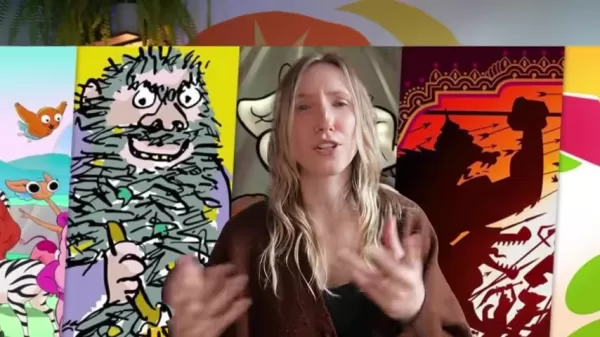
A wave of layoffs is impacting major studios, affecting artists and production staff across the board. Promising large-scale projects are being canceled, leaving many skilled professionals searching for new paths. This climate of uncertainty has raised valid concerns about the stability of traditional animation careers. While animated features continue to perform well at the box office, an undercurrent of economic instability persists. Reports confirm the industry is in a rut, with studios laying off artists and scrapping projects, creating a palpable sense of unease about the future.
This contraction is particularly striking given the continued commercial success and popularity of animation seen in recent box office returns. However, that success does not automatically translate to job security for individual animators. Understanding the root causes of this trend is key to grasping the challenges faced by professionals today.
The Shift in Revenue Models and Budget Cons
traints
A major factor in the current crisis is the fundamental change in how content is consumed. The rise of streaming platforms has disrupted traditional revenue streams, leading to tighter budgets for animation studios. While streaming offers unparalleled accessibility for viewers, the financial returns for studios often prove less reliable than those from theatrical releases.
The economic foundation of the industry has been significantly altered. It turns out that streaming frequently generates less revenue than theatrical distribution did.
With the once-dependable income from box office sales diminishing, studios are forced to make hard choices about which projects to fund. This has resulted in smaller production budgets, fewer job openings, and increased pressure to deliver high-quality work at a lower cost, directly contributing to animator layoffs. The current environment is challenging for professionals in the field. The economic pressures may persist until a more sustainable revenue model for studios in the streaming era is established.
The Impact of Outsourcing on Animation Jobs
The growing trend of outsourcing is another significant factor reshaping the animation job market. Studios are increasingly seeking to lower production expenses by sending animation work to countries with lower labor costs.
In an effort to reduce overhead, numerous studios have turned to outsourcing animation work to regions where labor is less expensive.
This practice is leading to job losses in traditional animation hubs like the United States and Canada. While outsourcing can provide economic advantages for production companies, it often occurs at the expense of fair wages, labor protections, and job security for animators. By relocating work, companies can realize significant savings, particularly in regions with fewer worker protections.
The Looming Threat of Artificial Intelligence (AI) in Animation
Perhaps the most discussed disruptive force is the rapid advancement of artificial intelligence. New AI-powered animation tools are emerging, promising to automate various tasks and speed up production pipelines.
Animation studios are already experimenting with AI tools designed to generate animation more quickly and cheaply than human artists can.
While AI offers potential gains in efficiency and cost reduction, it also poses a substantial threat to many animation jobs. Some analysts suggest AI could impact a significant percentage of animation positions, raising serious concerns about the long-term role of human animators. This technology has the potential to disrupt or eliminate roles; one survey indicates hundreds of thousands of jobs could be affected, not including contract workers. In time, this could lead to further industry consolidation and job losses.
Independent Animation: A New Era of Creativity
The Rise of Indie Animators and Crowdfunding
Despite the challenges in the traditional studio system, independent animators are pioneering innovative ways to succeed. Platforms like Kickstarter and Patreon have become powerful tools for indie creators to finance their projects and build direct relationships with enthusiastic audiences. Crowdfunding allows animators to bypass traditional gatekeepers and connect with supporters who believe in their vision.
Successful campaigns have enabled the production of high-quality animated content free from corporate budget constraints and creative limitations. These independent projects frequently showcase distinctive artistic styles and tell unconventional stories that resonate powerfully with niche audiences, allowing visions to become reality that might otherwise remain unrealized.
Harnessing Online Communities and Diverse Skillsets
Online communities on social media and dedicated animation forums are crucial to the success of independent animators. These platforms provide spaces to share work, receive feedback, collaborate, and cultivate a dedicated following. This direct connection with peers and fans fosters a supportive community that empowers creators.
Furthermore, indie animators are increasingly becoming multi-skilled entrepreneurs. Beyond core animation skills, many are learning marketing, social media strategy, and business development to effectively promote their work and generate sustainable income. By diversifying into areas like teaching, merchandise, or mastering new software, artists make themselves more adaptable and in demand, which is becoming essential in the evolving job market.
The Indie Model: Flow and the Future of Animation
A shining example of independent animation success is the film "Flow," created using the open-source software Blender. Produced on a budget of 3.5 million dollars, the film stands as an artistic and critical achievement, demonstrating what is possible outside the major studio system.
Indie animated films are winning awards and capturing hearts. Operating with smaller budgets forces creators to employ cost-effective and highly creative solutions, whether in short films or passion projects. This necessity often breeds innovation, resulting in art that feels fresh and connects with audiences on a deeply human level.
How Artists Can Thrive in the Changing Animation Landscape
Embrace Diversification and Skill Development
As the traditional career path evolves, artists must embrace skill diversification. Rather than specializing in a single area, animators should seek proficiency in a broader range of disciplines such as 3D animation, motion graphics, visual effects, and interactive design. A versatile skill set increases marketability and opens doors to varied opportunities, including freelance work. Continuous learning and skill enhancement are more critical now than ever before.
Build an Online Presence and Network Actively
In the digital age, a strong online presence is non-negotiable for artists. Social media profiles and professional portfolios are essential marketing tools to showcase work, attract clients, and build an audience. Active participation in the animation community through online forums, discussions, and industry events is key to expanding one's network and uncovering new opportunities. Becoming a well-rounded professional with visibility and networking skills significantly increases your chances of being noticed.
Explore Indie Animation and Crowdfunding
For artists seeking greater creative autonomy, independent animation presents a viable and exciting path. Crowdfunding platforms offer legitimate avenues to finance projects and build a direct supporter base. Leveraging these tools allows artists to bring unique stories to life, experiment with style, and foster a community around their work. Cultivating a community is fundamental to generating enthusiasm and support for your projects.
Adapt and Innovate: Embrace New Technologies
The animation industry is perpetually driven by technological change. To stay relevant, artists should proactively explore and adopt new tools, whether AI-assisted software or virtual reality platforms. By adapting to these technologies, animators can unlock new creative possibilities and maintain a competitive edge. In this era of rapid innovation, animators must remain flexible and open to new ways of working, as the future landscape is still being shaped.
The Impact of AI on Animation
Pros
Increased Efficiency: AI can automate repetitive tasks, significantly speeding up production timelines.
Reduced Costs: AI-powered tools can lower production expenses, making animation more accessible to smaller studios and independent creators.
New Creative Possibilities: AI can generate unique visual styles, effects, and animations that extend beyond traditional methods.
Cons
Job Displacement: AI has the potential to displace many animation roles, leading to unemployment and economic strain for artists.
Loss of Human Touch: AI-generated art may lack the nuanced expression and emotional depth inherent to work created by human animators.
Ethical Concerns: AI-generated content raises complex questions about copyright, artistic ownership, and the fundamental value of human creativity.
Frequently Asked Questions (FAQ)
Is the animation industry really in crisis?
While the industry faces serious challenges like layoffs and budget pressures, animation itself remains a highly popular and successful art form. The sector is undergoing a necessary period of transition and adaptation to new economic and technological realities.
Is AI going to replace human animators?
The full impact of AI remains uncertain. While it will likely automate certain technical and repetitive tasks, it is improbable that AI will completely replace human animators. Creativity, storytelling, and artistic vision are profoundly human skills that are difficult to replicate with algorithms.
What skills are most valuable for animators in the current job market?
Beyond foundational animation skills, professionals with a diverse toolkit—including 3D animation, motion graphics, visual effects, and complementary skills in marketing or project management—are increasingly in high demand.
How can I find funding for my independent animation project?
Crowdfunding platforms like Kickstarter and Patreon are excellent starting points for independent animators. Success heavily depends on building a strong online presence and actively engaging with a community of potential backers long before the campaign launches.
Is it still worth pursuing a career in animation?
Absolutely. For those with passion, talent, and adaptability, a career in animation continues to be deeply rewarding. Despite a competitive landscape, there are abundant opportunities for skilled artists to tell compelling stories and realize their unique creative visions.
Related Questions
What is the Animation Guild and how does it support animators?
The Animation Guild (TAG), IATSE Local 839, is a labor union representing animation professionals in the United States. TAG negotiates for fair wages, benefits, and working conditions, providing resources, support, and collective bargaining power to protect its members' rights and interests. In an unstable economic climate, such unions play a vital role in advocating for stable incomes and fair treatment.
How has the COVID-19 pandemic impacted the animation industry?
The pandemic accelerated the adoption of remote work across the animation industry. While this shift offered flexibility and allowed production to continue, it also introduced challenges in team communication, collaboration, and work-life balance. The realization that animation can be produced from anywhere has also diversified the talent pool and increased demand in some areas.
What are some examples of successful independent animation projects?
Numerous independent projects have achieved significant recognition and fan acclaim. Notable examples include "Flow," "The Legend of Vox Machina," and "Hazbin Hotel." These projects exemplify the power of independent creativity and demonstrate a growing audience for niche, often community-supported animation.
Related article
 DeepMind CEO Hassabis: I sleep six hours a day, usually feel energetic around 1 a.m.
Fortune recently featured an interview with Demis Hassabis, CEO of Google DeepMind, revealing his unconventional approach to rest and productivity. Hassabis disclosed that he sleeps very little, structuring his waking hours into two distinct work blo
OpenAI, Anthropic Vie for Market Share Despite Revenue Shortfalls
Despite recent reports suggesting OpenAI missed revenue targets, creating pressure on tech stocks this Tuesday, private AI lab investors remain resilient. Seasoned backers have confirmed they will not reduce investment despite negative media coverage
California AV Compliance: A New Era of Tickets, Geofences, and 1M Miles
Guident operates an AuveTech shuttle in South Florida, managing a four-mile route in West Palm Beach and a one-mile route in Boca Raton using its remote monitoring technology. | Credit: GuidentCalifornia is redefining the regulatory landscape for dri
Related Special Topic Recommendations
Video creation
DeepMind CEO Hassabis: I sleep six hours a day, usually feel energetic around 1 a.m.
Fortune recently featured an interview with Demis Hassabis, CEO of Google DeepMind, revealing his unconventional approach to rest and productivity. Hassabis disclosed that he sleeps very little, structuring his waking hours into two distinct work blo
OpenAI, Anthropic Vie for Market Share Despite Revenue Shortfalls
Despite recent reports suggesting OpenAI missed revenue targets, creating pressure on tech stocks this Tuesday, private AI lab investors remain resilient. Seasoned backers have confirmed they will not reduce investment despite negative media coverage
California AV Compliance: A New Era of Tickets, Geofences, and 1M Miles
Guident operates an AuveTech shuttle in South Florida, managing a four-mile route in West Palm Beach and a one-mile route in Boca Raton using its remote monitoring technology. | Credit: GuidentCalifornia is redefining the regulatory landscape for dri
Related Special Topic Recommendations
Video creation
 AI Short-Form Video Hook Generators for Reels, Shorts, and Product Launch Campaigns
2026 Latest Best AI Short-Form Video Hook Generators for Reels Shorts and Product Launch Campaigns! XIX.AI curates top-rated powerful game-changing tools that deliver must-try results through real-world tests. This weekly updated page offers free vs paid comparison rankings to help you find the perfect solution for boosting content creativity and productivity. Explore now to Unlock your AI edge!
 11 tools
 xix.ai
writing
AI Article Outline Tools for Long Form Writing
xix.ai
writing
AI Article Outline Tools for Long Form Writing
2026 Latest Best Top-Rated AI Article Outline Tools for Long Form Writing! This curated collection features powerful, game-changing tools that deliver accurate, structured outlines with real-world tests to boost writing efficiency significantly. XIX.AI is part of this elite selection. Get a free vs paid comparison to help you choose the perfect tool. Explore now and Unlock your AI edge!
9 tools
xix.ai
chatbot
Best AI Roleplay Chat Apps for Language Practice, Interview Prep, and Daily Fluency
2026 Latest Best Top-rated AI Roleplay Chat Apps for Language Practice, Interview Prep, and Daily Fluency! XIX.AI curates a powerful game-changing collection that offers free vs paid comparison, real-world tests, and updated rankings weekly. These must-try tools help you boost writing skills, overcome fluency challenges, and improve communication efficiency across all daily scenarios. Explore now to discover your perfect tool for language growth!
10 tools
xix.ai
Music composition
AI Stem Separation Tools for Remix Production, Sampling Prep, and Karaoke Masters
2026 Latest Best Top-rated AI Stem Separation Tools Curated for Remix Production, Sampling Prep, and Karaoke Masters. These powerful game-changing tools offer real-world tests to deliver precise audio isolation, boosting productivity significantly. XIX.AI provides a weekly updated free vs paid comparison guide to help you find the must-try solution that suits your needs. Explore now to unlock your AI edge.
8 tools
xix.ai
Data Analysis
AI SQL Copilots for Revenue Dashboards, Funnel Analysis, and Product Metrics
2026 Latest Best AI SQL Copilots Ranked Top-Rated! XIX.AI curates a powerful game-changing collection for weekly updated real-world tests. These must-try tools help you generate accurate revenue dashboards, analyze sales funnels, and track product metrics swiftly, boosting productivity massively. Explore now to Discover your perfect tool for data-driven decision making! 238 characters
9 tools
xix.ai
Music composition
Best AI Melody Writing Tools for Song Drafts
2026 Latest Best Top-Rated AI Melody Writing Tools for Song Drafts! XIX.AI has curated a highly powerful game-changing collection that goes through rigorous real-world tests to deliver the best writing experience. You can find detailed free vs paid comparisons, accurate rankings, and must-try options designed to help you create stunning song drafts effortlessly and boost your creative productivity significantly. Explore now to discover your perfect tool!
8 tools
xix.ai

 Comments (1)
0/500
Comments (1)
0/500
![KevinWalker]()
As an indie animator, I'm both terrified and excited. Big studios laying off people left and right while AI tools improve every week feels like watching a slow-motion trainwreck 🚂💥. But maybe this chaos will force us to focus on genuine storytelling again, not just polished corporate products? Idk, fingers crossed indie solutions actually get funded before the suits ruin everything 🤞
The animation industry finds itself navigating a period of profound transformation. From widespread studio layoffs to shifting budgets and the evolving role of artificial intelligence, the path ahead seems uncertain for many creatives. Yet, within this turbulence, the resourcefulness and resilience of independent animators offer a compelling vision for the future. This article explores the current realities of the field, examining the factors behind the present challenges and spotlighting how indie creators are charting a new course forward.
Key Points
The animation sector is witnessing significant layoffs and project cancellations.
The dominance of streaming services has reshaped traditional revenue models, putting pressure on studio finances.
To reduce costs, many studios are outsourcing animation work to regions with lower production expenses.
Advances in artificial intelligence present a potential disruption to numerous animation roles.
Independent animators are building success through crowdfunding, engaged online communities, and versatile skill sets.
Artists are adapting by broadening their expertise and exploring new income streams like teaching and merchandise.
A noticeable shift toward independent animation is creating opportunities for fresh perspectives and unique artistic voices.
Strong community support and collaboration are vital for artists in today's climate.
Understanding the Current Animation Industry Crisis
Layoffs and Project Cancellations in Animation
The animation industry is undeniably experiencing a difficult period.
A wave of layoffs is impacting major studios, affecting artists and production staff across the board. Promising large-scale projects are being canceled, leaving many skilled professionals searching for new paths. This climate of uncertainty has raised valid concerns about the stability of traditional animation careers. While animated features continue to perform well at the box office, an undercurrent of economic instability persists. Reports confirm the industry is in a rut, with studios laying off artists and scrapping projects, creating a palpable sense of unease about the future.
This contraction is particularly striking given the continued commercial success and popularity of animation seen in recent box office returns. However, that success does not automatically translate to job security for individual animators. Understanding the root causes of this trend is key to grasping the challenges faced by professionals today.
The Shift in Revenue Models and Budget Cons
traints
A major factor in the current crisis is the fundamental change in how content is consumed. The rise of streaming platforms has disrupted traditional revenue streams, leading to tighter budgets for animation studios. While streaming offers unparalleled accessibility for viewers, the financial returns for studios often prove less reliable than those from theatrical releases.
The economic foundation of the industry has been significantly altered. It turns out that streaming frequently generates less revenue than theatrical distribution did.
With the once-dependable income from box office sales diminishing, studios are forced to make hard choices about which projects to fund. This has resulted in smaller production budgets, fewer job openings, and increased pressure to deliver high-quality work at a lower cost, directly contributing to animator layoffs. The current environment is challenging for professionals in the field. The economic pressures may persist until a more sustainable revenue model for studios in the streaming era is established.
The Impact of Outsourcing on Animation Jobs
The growing trend of outsourcing is another significant factor reshaping the animation job market. Studios are increasingly seeking to lower production expenses by sending animation work to countries with lower labor costs.
In an effort to reduce overhead, numerous studios have turned to outsourcing animation work to regions where labor is less expensive.
This practice is leading to job losses in traditional animation hubs like the United States and Canada. While outsourcing can provide economic advantages for production companies, it often occurs at the expense of fair wages, labor protections, and job security for animators. By relocating work, companies can realize significant savings, particularly in regions with fewer worker protections.
The Looming Threat of Artificial Intelligence (AI) in Animation
Perhaps the most discussed disruptive force is the rapid advancement of artificial intelligence. New AI-powered animation tools are emerging, promising to automate various tasks and speed up production pipelines.
Animation studios are already experimenting with AI tools designed to generate animation more quickly and cheaply than human artists can.
While AI offers potential gains in efficiency and cost reduction, it also poses a substantial threat to many animation jobs. Some analysts suggest AI could impact a significant percentage of animation positions, raising serious concerns about the long-term role of human animators. This technology has the potential to disrupt or eliminate roles; one survey indicates hundreds of thousands of jobs could be affected, not including contract workers. In time, this could lead to further industry consolidation and job losses.
Independent Animation: A New Era of Creativity
The Rise of Indie Animators and Crowdfunding
Despite the challenges in the traditional studio system, independent animators are pioneering innovative ways to succeed. Platforms like Kickstarter and Patreon have become powerful tools for indie creators to finance their projects and build direct relationships with enthusiastic audiences. Crowdfunding allows animators to bypass traditional gatekeepers and connect with supporters who believe in their vision.
Successful campaigns have enabled the production of high-quality animated content free from corporate budget constraints and creative limitations. These independent projects frequently showcase distinctive artistic styles and tell unconventional stories that resonate powerfully with niche audiences, allowing visions to become reality that might otherwise remain unrealized.
Harnessing Online Communities and Diverse Skillsets
Online communities on social media and dedicated animation forums are crucial to the success of independent animators. These platforms provide spaces to share work, receive feedback, collaborate, and cultivate a dedicated following. This direct connection with peers and fans fosters a supportive community that empowers creators.
Furthermore, indie animators are increasingly becoming multi-skilled entrepreneurs. Beyond core animation skills, many are learning marketing, social media strategy, and business development to effectively promote their work and generate sustainable income. By diversifying into areas like teaching, merchandise, or mastering new software, artists make themselves more adaptable and in demand, which is becoming essential in the evolving job market.
The Indie Model: Flow and the Future of Animation
A shining example of independent animation success is the film "Flow," created using the open-source software Blender. Produced on a budget of 3.5 million dollars, the film stands as an artistic and critical achievement, demonstrating what is possible outside the major studio system.
Indie animated films are winning awards and capturing hearts. Operating with smaller budgets forces creators to employ cost-effective and highly creative solutions, whether in short films or passion projects. This necessity often breeds innovation, resulting in art that feels fresh and connects with audiences on a deeply human level.
How Artists Can Thrive in the Changing Animation Landscape
Embrace Diversification and Skill Development
As the traditional career path evolves, artists must embrace skill diversification. Rather than specializing in a single area, animators should seek proficiency in a broader range of disciplines such as 3D animation, motion graphics, visual effects, and interactive design. A versatile skill set increases marketability and opens doors to varied opportunities, including freelance work. Continuous learning and skill enhancement are more critical now than ever before.
Build an Online Presence and Network Actively
In the digital age, a strong online presence is non-negotiable for artists. Social media profiles and professional portfolios are essential marketing tools to showcase work, attract clients, and build an audience. Active participation in the animation community through online forums, discussions, and industry events is key to expanding one's network and uncovering new opportunities. Becoming a well-rounded professional with visibility and networking skills significantly increases your chances of being noticed.
Explore Indie Animation and Crowdfunding
For artists seeking greater creative autonomy, independent animation presents a viable and exciting path. Crowdfunding platforms offer legitimate avenues to finance projects and build a direct supporter base. Leveraging these tools allows artists to bring unique stories to life, experiment with style, and foster a community around their work. Cultivating a community is fundamental to generating enthusiasm and support for your projects.
Adapt and Innovate: Embrace New Technologies
The animation industry is perpetually driven by technological change. To stay relevant, artists should proactively explore and adopt new tools, whether AI-assisted software or virtual reality platforms. By adapting to these technologies, animators can unlock new creative possibilities and maintain a competitive edge. In this era of rapid innovation, animators must remain flexible and open to new ways of working, as the future landscape is still being shaped.
The Impact of AI on Animation
Pros
Increased Efficiency: AI can automate repetitive tasks, significantly speeding up production timelines.
Reduced Costs: AI-powered tools can lower production expenses, making animation more accessible to smaller studios and independent creators.
New Creative Possibilities: AI can generate unique visual styles, effects, and animations that extend beyond traditional methods.
Cons
Job Displacement: AI has the potential to displace many animation roles, leading to unemployment and economic strain for artists.
Loss of Human Touch: AI-generated art may lack the nuanced expression and emotional depth inherent to work created by human animators.
Ethical Concerns: AI-generated content raises complex questions about copyright, artistic ownership, and the fundamental value of human creativity.
Frequently Asked Questions (FAQ)
Is the animation industry really in crisis?
While the industry faces serious challenges like layoffs and budget pressures, animation itself remains a highly popular and successful art form. The sector is undergoing a necessary period of transition and adaptation to new economic and technological realities.
Is AI going to replace human animators?
The full impact of AI remains uncertain. While it will likely automate certain technical and repetitive tasks, it is improbable that AI will completely replace human animators. Creativity, storytelling, and artistic vision are profoundly human skills that are difficult to replicate with algorithms.
What skills are most valuable for animators in the current job market?
Beyond foundational animation skills, professionals with a diverse toolkit—including 3D animation, motion graphics, visual effects, and complementary skills in marketing or project management—are increasingly in high demand.
How can I find funding for my independent animation project?
Crowdfunding platforms like Kickstarter and Patreon are excellent starting points for independent animators. Success heavily depends on building a strong online presence and actively engaging with a community of potential backers long before the campaign launches.
Is it still worth pursuing a career in animation?
Absolutely. For those with passion, talent, and adaptability, a career in animation continues to be deeply rewarding. Despite a competitive landscape, there are abundant opportunities for skilled artists to tell compelling stories and realize their unique creative visions.
Related Questions
What is the Animation Guild and how does it support animators?
The Animation Guild (TAG), IATSE Local 839, is a labor union representing animation professionals in the United States. TAG negotiates for fair wages, benefits, and working conditions, providing resources, support, and collective bargaining power to protect its members' rights and interests. In an unstable economic climate, such unions play a vital role in advocating for stable incomes and fair treatment.
How has the COVID-19 pandemic impacted the animation industry?
The pandemic accelerated the adoption of remote work across the animation industry. While this shift offered flexibility and allowed production to continue, it also introduced challenges in team communication, collaboration, and work-life balance. The realization that animation can be produced from anywhere has also diversified the talent pool and increased demand in some areas.
What are some examples of successful independent animation projects?
Numerous independent projects have achieved significant recognition and fan acclaim. Notable examples include "Flow," "The Legend of Vox Machina," and "Hazbin Hotel." These projects exemplify the power of independent creativity and demonstrate a growing audience for niche, often community-supported animation.








 DeepMind CEO Hassabis: I sleep six hours a day, usually feel energetic around 1 a.m.
Fortune recently featured an interview with Demis Hassabis, CEO of Google DeepMind, revealing his unconventional approach to rest and productivity. Hassabis disclosed that he sleeps very little, structuring his waking hours into two distinct work blo
DeepMind CEO Hassabis: I sleep six hours a day, usually feel energetic around 1 a.m.
Fortune recently featured an interview with Demis Hassabis, CEO of Google DeepMind, revealing his unconventional approach to rest and productivity. Hassabis disclosed that he sleeps very little, structuring his waking hours into two distinct work blo
 OpenAI, Anthropic Vie for Market Share Despite Revenue Shortfalls
Despite recent reports suggesting OpenAI missed revenue targets, creating pressure on tech stocks this Tuesday, private AI lab investors remain resilient. Seasoned backers have confirmed they will not reduce investment despite negative media coverage
California AV Compliance: A New Era of Tickets, Geofences, and 1M Miles
Guident operates an AuveTech shuttle in South Florida, managing a four-mile route in West Palm Beach and a one-mile route in Boca Raton using its remote monitoring technology. | Credit: GuidentCalifornia is redefining the regulatory landscape for dri
OpenAI, Anthropic Vie for Market Share Despite Revenue Shortfalls
Despite recent reports suggesting OpenAI missed revenue targets, creating pressure on tech stocks this Tuesday, private AI lab investors remain resilient. Seasoned backers have confirmed they will not reduce investment despite negative media coverage
California AV Compliance: A New Era of Tickets, Geofences, and 1M Miles
Guident operates an AuveTech shuttle in South Florida, managing a four-mile route in West Palm Beach and a one-mile route in Boca Raton using its remote monitoring technology. | Credit: GuidentCalifornia is redefining the regulatory landscape for dri

2026 Latest Best AI Short-Form Video Hook Generators for Reels Shorts and Product Launch Campaigns! XIX.AI curates top-rated powerful game-changing tools that deliver must-try results through real-world tests. This weekly updated page offers free vs paid comparison rankings to help you find the perfect solution for boosting content creativity and productivity. Explore now to Unlock your AI edge!
11 tools
xix.ai

2026 Latest Best Top-Rated AI Article Outline Tools for Long Form Writing! This curated collection features powerful, game-changing tools that deliver accurate, structured outlines with real-world tests to boost writing efficiency significantly. XIX.AI is part of this elite selection. Get a free vs paid comparison to help you choose the perfect tool. Explore now and Unlock your AI edge!
9 tools
xix.ai

2026 Latest Best Top-rated AI Roleplay Chat Apps for Language Practice, Interview Prep, and Daily Fluency! XIX.AI curates a powerful game-changing collection that offers free vs paid comparison, real-world tests, and updated rankings weekly. These must-try tools help you boost writing skills, overcome fluency challenges, and improve communication efficiency across all daily scenarios. Explore now to discover your perfect tool for language growth!
10 tools
xix.ai

2026 Latest Best Top-rated AI Stem Separation Tools Curated for Remix Production, Sampling Prep, and Karaoke Masters. These powerful game-changing tools offer real-world tests to deliver precise audio isolation, boosting productivity significantly. XIX.AI provides a weekly updated free vs paid comparison guide to help you find the must-try solution that suits your needs. Explore now to unlock your AI edge.
8 tools
xix.ai

2026 Latest Best AI SQL Copilots Ranked Top-Rated! XIX.AI curates a powerful game-changing collection for weekly updated real-world tests. These must-try tools help you generate accurate revenue dashboards, analyze sales funnels, and track product metrics swiftly, boosting productivity massively. Explore now to Discover your perfect tool for data-driven decision making! 238 characters
9 tools
xix.ai

2026 Latest Best Top-Rated AI Melody Writing Tools for Song Drafts! XIX.AI has curated a highly powerful game-changing collection that goes through rigorous real-world tests to deliver the best writing experience. You can find detailed free vs paid comparisons, accurate rankings, and must-try options designed to help you create stunning song drafts effortlessly and boost your creative productivity significantly. Explore now to discover your perfect tool!
8 tools
xix.ai

As an indie animator, I'm both terrified and excited. Big studios laying off people left and right while AI tools improve every week feels like watching a slow-motion trainwreck 🚂💥. But maybe this chaos will force us to focus on genuine storytelling again, not just polished corporate products? Idk, fingers crossed indie solutions actually get funded before the suits ruin everything 🤞












