


 Home
HomeAI's Boys' Club Threatens to Deepen Gender Wealth Inequality, Warns Rana el Kaliouby
AI scientist, entrepreneur, and investor Rana el Kaliouby is concerned that artificial intelligence risks becoming another exclusive 'boys' club' within the technology sector. Speaking at the SXSW conference in Austin, she warned that a lack of diversity in AI could create significant economic disadvantages for women in tech, with far-reaching consequences.
“I believe AI today is a boys’ club. Diversity isn't the most popular topic of conversation right now, but it's critically important because AI is generating tremendous economic opportunity,” el Kaliouby stated on stage when asked if the perception was a myth. (The interviewer presented a series of TechCrunch headlines highlighting AI startups founded by men to illustrate the point.)
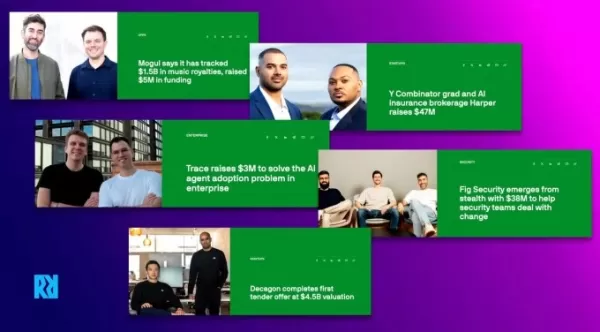
Image Credits:SXSW (opens in a new window)
El Kaliouby, who sold her emotion-sensing software company Affectiva in 2021 and now serves as co-founder and General Partner at Blue Tulip Ventures, noted that three out of four investments from her firm are in startups led by women CEOs.
“I don't invest *only* in women,” she clarified. “But I actively seek out these women founders to support them, whether through investment or other means, because they aren't receiving the opportunities they deserve and need.”
“If women are excluded—because they aren't founding these companies, aren't securing funding, and aren't even investing in the funds that back these companies—we will look back five or ten years from now and see that we have drastically widened the economic gap. This is something that truly worries me,” el Kaliouby emphasized.
Her comment on the current "unpopularity" of diversity discussions follows the Trump administration's scaling back of Diversity, Equity, and Inclusion (DEI) programs, a trend that subsequently influenced the tech industry. These shifts affect not only hiring practices but also product development. In AI, for example, companies may feel pressured to align their models' outputs with the priorities set by the White House.
For el Kaliouby, a lack of diversity is not just about potential economic harm—it's also about the end results and innovations produced.
Related article
 Stripe to Acquire OpenRouter as AI Model Routing Gains Momentum
Stripe has agreed to acquire OpenRouter, an AI model-routing platform that gives developers access to hundreds of models through a single interface. The deal adds model selection and routing to Stripe’s existing work around AI usage and token-based b
Google AI Overviews Gain Ground in Search Results
According to Similarweb’s 2026 Generative AI Landscape report, Google’s AI-generated summaries appeared in 43% of US searches, a significant rise from 15% recorded a year prior.While AI Overviews present generated summaries within standard search res
Sequoia-backed Empirik raises $21M to forecast outages before they strike
Before joining Sequoia Capital in 2020 as chief digital and information officer, Avon Puri spent over a decade running infrastructure at Rubrik and VMware. Three years ago, as large language models began showing their true potential, Puri, alongside
Related Special Topic Recommendations
Design & Art
Stripe to Acquire OpenRouter as AI Model Routing Gains Momentum
Stripe has agreed to acquire OpenRouter, an AI model-routing platform that gives developers access to hundreds of models through a single interface. The deal adds model selection and routing to Stripe’s existing work around AI usage and token-based b
Google AI Overviews Gain Ground in Search Results
According to Similarweb’s 2026 Generative AI Landscape report, Google’s AI-generated summaries appeared in 43% of US searches, a significant rise from 15% recorded a year prior.While AI Overviews present generated summaries within standard search res
Sequoia-backed Empirik raises $21M to forecast outages before they strike
Before joining Sequoia Capital in 2020 as chief digital and information officer, Avon Puri spent over a decade running infrastructure at Rubrik and VMware. Three years ago, as large language models began showing their true potential, Puri, alongside
Related Special Topic Recommendations
Design & Art
 Top AI Illustration Tools: Create Editorial Scenes and Cover Art Faster
2026 Latest Top-rated AI Illustration Tools: Our curated list features the best powerfully designed tools for creating stunning editorial scenes and eye-catching cover art quickly. Each option has gone through rigorous real-world tests, offering a free vs paid comparison to help you find the perfect match for your workflow. Try these must-try solutions today to unlock your AI edge and boost your creative productivity. Explore now at XIX.AI.
 10 tools
 xix.ai
Education and Learning
Top AI Tutors for Exam Prep: Practice Math, Science, and English
xix.ai
Education and Learning
Top AI Tutors for Exam Prep: Practice Math, Science, and English
2026 Latest Top-Rated Best AI Tutors for Exam Prep are here on XIX.AI! Our curated list features powerful game-changing tools that offer free vs paid comparison, real-world tests, and weekly updated rankings. They help boost your writing efficiency, simplify complex topic learning, and unlock your academic potential. Explore now to Discover your perfect exam prep tool and Start creating today to Unlock your AI edge!
10 tools
xix.ai
Finance
AI Budget Planning Tools for Personal Money Management
2026 Latest Best Top-Rated AI Budget Planning Tools for Personal Money Management are here on XIX.AI! This curated collection features powerful, game-changing solutions that help you conduct real-world tests, understand spending habits, and create personalized plans to boost productivity. Enjoy a free vs paid comparison along with detailed rankings. Must-try tools designed to simplify money management and unlock your AI edge. Explore now!
11 tools
xix.ai
Health & Wellness
AI Sleep Tracking Assistants: Improve Recovery with Better Bedtime Habits
2026 Latest Best Top-Rated AI Sleep Tracking Assistants curated for ultimate recovery. This fully updated weekly guide features powerful tools that deliver real-world tests, free vs paid comparison, and detailed rankings to help you find the must-try solution that boosts sleep quality and supports better bedtime habits. Explore now at XIX.AI to Unlock your AI edge.
10 tools
xix.ai
Data Analysis
AI SQL Copilots for Product and Revenue Analytics
2026 Latest Best Top-Rated AI SQL Copilots for Product and Revenue Analytics! XIX.AI has curated a powerful, game-changing collection of must-try tools that undergo real-world tests through weekly updated rankings. These tools help users boost productivity significantly by accelerating data analysis, streamlining complex queries, and generating accurate insights to drive smarter business decisions. Explore now to Discover your perfect tool for unlocking your AI edge!
14 tools
xix.ai
Education and Learning
Best AI Homework Helpers That Teach: Learn Concepts, Not Just Answers
2026 Latest Best Top-Rated AI Homework Helpers That Teach Core Concepts Not Just Answers Powerful Tools for Students Must-Try Curated List Weekly Updated Free vs Paid Comparison Real-World Tests Accurate Rankings to Help You Unlock Your Full Learning Potential Explore now to Discover your perfect tool for smarter studying.
10 tools
xix.ai

 Comments (1)
0/500
Comments (1)
0/500
![AlbertGarcía]()
Hmm, not surprised. Tech has always had this problem. But it's frustrating to see AI, which could be a great equalizer, instead risk amplifying existing inequalities. Hope the industry wakes up. 🚀
AI scientist, entrepreneur, and investor Rana el Kaliouby is concerned that artificial intelligence risks becoming another exclusive 'boys' club' within the technology sector. Speaking at the SXSW conference in Austin, she warned that a lack of diversity in AI could create significant economic disadvantages for women in tech, with far-reaching consequences.
“I believe AI today is a boys’ club. Diversity isn't the most popular topic of conversation right now, but it's critically important because AI is generating tremendous economic opportunity,” el Kaliouby stated on stage when asked if the perception was a myth. (The interviewer presented a series of TechCrunch headlines highlighting AI startups founded by men to illustrate the point.)
Image Credits:SXSW (opens in a new window)
El Kaliouby, who sold her emotion-sensing software company Affectiva in 2021 and now serves as co-founder and General Partner at Blue Tulip Ventures, noted that three out of four investments from her firm are in startups led by women CEOs.
“I don't invest *only* in women,” she clarified. “But I actively seek out these women founders to support them, whether through investment or other means, because they aren't receiving the opportunities they deserve and need.”
“If women are excluded—because they aren't founding these companies, aren't securing funding, and aren't even investing in the funds that back these companies—we will look back five or ten years from now and see that we have drastically widened the economic gap. This is something that truly worries me,” el Kaliouby emphasized.
Her comment on the current "unpopularity" of diversity discussions follows the Trump administration's scaling back of Diversity, Equity, and Inclusion (DEI) programs, a trend that subsequently influenced the tech industry. These shifts affect not only hiring practices but also product development. In AI, for example, companies may feel pressured to align their models' outputs with the priorities set by the White House.
For el Kaliouby, a lack of diversity is not just about potential economic harm—it's also about the end results and innovations produced.








 Stripe to Acquire OpenRouter as AI Model Routing Gains Momentum
Stripe has agreed to acquire OpenRouter, an AI model-routing platform that gives developers access to hundreds of models through a single interface. The deal adds model selection and routing to Stripe’s existing work around AI usage and token-based b
Stripe to Acquire OpenRouter as AI Model Routing Gains Momentum
Stripe has agreed to acquire OpenRouter, an AI model-routing platform that gives developers access to hundreds of models through a single interface. The deal adds model selection and routing to Stripe’s existing work around AI usage and token-based b
 Google AI Overviews Gain Ground in Search Results
According to Similarweb’s 2026 Generative AI Landscape report, Google’s AI-generated summaries appeared in 43% of US searches, a significant rise from 15% recorded a year prior.While AI Overviews present generated summaries within standard search res
Google AI Overviews Gain Ground in Search Results
According to Similarweb’s 2026 Generative AI Landscape report, Google’s AI-generated summaries appeared in 43% of US searches, a significant rise from 15% recorded a year prior.While AI Overviews present generated summaries within standard search res
 Sequoia-backed Empirik raises $21M to forecast outages before they strike
Before joining Sequoia Capital in 2020 as chief digital and information officer, Avon Puri spent over a decade running infrastructure at Rubrik and VMware. Three years ago, as large language models began showing their true potential, Puri, alongside
Sequoia-backed Empirik raises $21M to forecast outages before they strike
Before joining Sequoia Capital in 2020 as chief digital and information officer, Avon Puri spent over a decade running infrastructure at Rubrik and VMware. Three years ago, as large language models began showing their true potential, Puri, alongside

2026 Latest Top-rated AI Illustration Tools: Our curated list features the best powerfully designed tools for creating stunning editorial scenes and eye-catching cover art quickly. Each option has gone through rigorous real-world tests, offering a free vs paid comparison to help you find the perfect match for your workflow. Try these must-try solutions today to unlock your AI edge and boost your creative productivity. Explore now at XIX.AI.
10 tools
xix.ai

2026 Latest Top-Rated Best AI Tutors for Exam Prep are here on XIX.AI! Our curated list features powerful game-changing tools that offer free vs paid comparison, real-world tests, and weekly updated rankings. They help boost your writing efficiency, simplify complex topic learning, and unlock your academic potential. Explore now to Discover your perfect exam prep tool and Start creating today to Unlock your AI edge!
10 tools
xix.ai

2026 Latest Best Top-Rated AI Budget Planning Tools for Personal Money Management are here on XIX.AI! This curated collection features powerful, game-changing solutions that help you conduct real-world tests, understand spending habits, and create personalized plans to boost productivity. Enjoy a free vs paid comparison along with detailed rankings. Must-try tools designed to simplify money management and unlock your AI edge. Explore now!
11 tools
xix.ai

2026 Latest Best Top-Rated AI Sleep Tracking Assistants curated for ultimate recovery. This fully updated weekly guide features powerful tools that deliver real-world tests, free vs paid comparison, and detailed rankings to help you find the must-try solution that boosts sleep quality and supports better bedtime habits. Explore now at XIX.AI to Unlock your AI edge.
10 tools
xix.ai

2026 Latest Best Top-Rated AI SQL Copilots for Product and Revenue Analytics! XIX.AI has curated a powerful, game-changing collection of must-try tools that undergo real-world tests through weekly updated rankings. These tools help users boost productivity significantly by accelerating data analysis, streamlining complex queries, and generating accurate insights to drive smarter business decisions. Explore now to Discover your perfect tool for unlocking your AI edge!
14 tools
xix.ai

2026 Latest Best Top-Rated AI Homework Helpers That Teach Core Concepts Not Just Answers Powerful Tools for Students Must-Try Curated List Weekly Updated Free vs Paid Comparison Real-World Tests Accurate Rankings to Help You Unlock Your Full Learning Potential Explore now to Discover your perfect tool for smarter studying.
10 tools
xix.ai

Hmm, not surprised. Tech has always had this problem. But it's frustrating to see AI, which could be a great equalizer, instead risk amplifying existing inequalities. Hope the industry wakes up. 🚀












