Home
HomeAI Voice Actors Spark Ethical Debate in Entertainment Industry
The rise of artificial intelligence (AI) is fundamentally transforming the entertainment sector, creating both immense opportunity and serious ethical dilemmas. This article delves into the complex challenges of integrating AI, with a specific focus on voice acting. It underscores the critical importance of securing consent, maintaining artistic control, and guaranteeing fair pay for human creators in an AI-augmented future. Explore how the industry is confronting these issues, with a focus on protecting creative rights and careers.
Key Points
The integration of AI into entertainment is inevitable, requiring thoughtful strategies for collaboration.
Obtaining explicit, active consent from actors is essential before their voices are used to train AI systems.
Artists must retain control over the application of their digital replicas.
Fair compensation is non-negotiable when AI utilizes human creative work.
Protecting the industry's future hinges on making ethical standards a central priority.
Audiences can help by calling out the unauthorized use of a performer's likeness.
Organizations like the WGA, SAG-AFTRA, and NAVA are leading the charge on these critical issues.
The Dawn of AI in Entertainment: A Double-Edged Sword
AI's Inevitable Arrival and the Industry's Response
Artificial intelligence is no longer a distant prospect for entertainment; it is actively reshaping the field today.
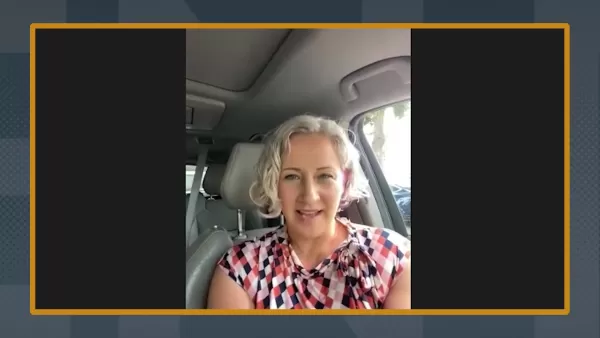
The pace of technological progress is irreversible. Consequently, the industry must focus on adapting and implementing AI responsibly. This demands a careful balance—harnessing AI's potential to enhance creativity while proactively safeguarding the contributions and careers of human artists. This article explores pathways to protect the interests of all stakeholders in this new landscape.
Active Consent: Protecting Performers' Voices in the AI Age
A fundamental ethical requirement is active consent—securing a performer's clear, informed agreement before their voice trains an AI model. As highlighted, the lengthy contracts common in the industry often bury clauses that grant companies broad, perpetual rights to use session recordings for any purpose, including AI development.
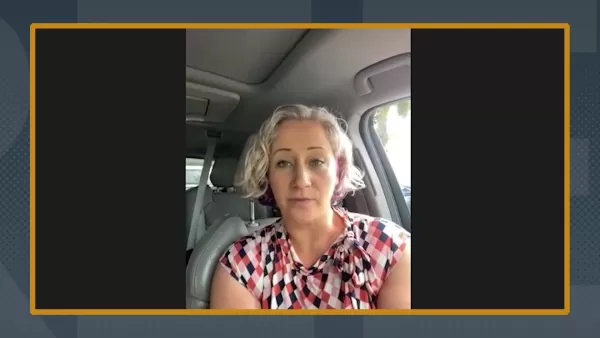
This lack of transparency is unacceptable, as it strips performers of control over their own vocal identity. The objective for advocacy groups is to ensure every artist has a clear, explicit choice regarding the use of their likeness for AI and machine learning purposes.
Control: Safeguarding Artists' Identities and Preventing Unauthorized Use
Beyond initial consent, maintaining ongoing control over one's digital likeness is crucial. As technology evolves, artists must have the final say in how their AI-generated voice or image is deployed. This includes approving the nature of projects it's used in and preventing its association with content that contradicts their values. The most effective protection against misuse is for the artist to hold direct authority over their digital replica.
Compensation: Ensuring Fair Value for Artistic Contributions
Guaranteeing fair compensation for the use of artistic work is essential for a sustainable future. If a company utilizes AI to replicate or build upon an artist's contribution, it must provide appropriate financial remuneration. Without this, livelihoods across the creative sector are endangered. Determining equitable payment for the use of an AI replica is a critical conversation that must happen.
Strikes and Unions: The Front Lines of Defense
SAG-AFTRA and WGA's Fight for Ethical AI Integration
The 2023 strikes by SAG-AFTRA and the WGA brought the urgent need to address AI's impact on creative workers into sharp focus. Central to the dispute were not only wages and streaming economics but also the existential threat AI poses to artistic professions. As discussed, voice actors, screenwriters, and all artists deserve protection and compensation in the face of unregulated AI use.
These unions are pioneering new standards for navigating this complex issue while fiercely defending workers' rights. Through negotiation and advocacy, they aim to establish binding guidelines that prioritize ethical and responsible AI implementation—a challenging battle that requires collective solidarity.
NAVA: Protecting Voice Actors in the Age of Synthetic Voices
The National Association of Voice Actors (NAVA) plays a vital role in this ecosystem. NAVA actively educates voice actors on AI's implications and champions best practices to defend their rights.
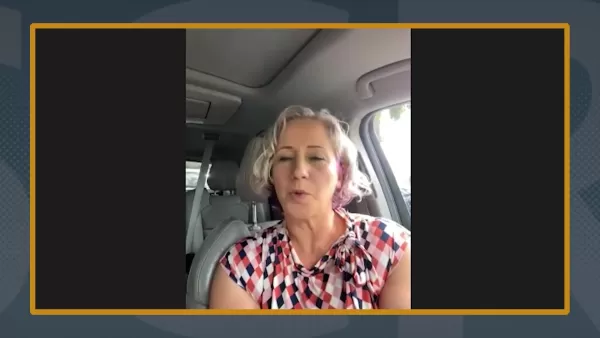
Their proactive efforts include providing resources and workshops to help performers understand contracts, negotiate fair terms, and maintain control over their digital identities. As the landscape shifts, NAVA serves as a key information center for protecting artists in the age of synthetic media.
Tips on Protecting Oneself
Active Consent
Before signing any contract, ensure it explicitly requires your active consent, clearly stating that the company cannot create a digital version of you for any purpose without your specific approval.
Constant Contact
Artists should regularly monitor online platforms and databases to check for unauthorized use of their likeness or creative work.
Fair Compensation
Artists must receive proper payment. AI should act as a tool to enhance, not replace, human artistry. All parties must work toward agreements that are mutually beneficial and sustainable.
Pricing
Pricing Options
Compensation models for AI use are still evolving. Through strong negotiation, however, a fair standard can be set to sustain artistic careers. If a deal seems unfair, do not accept it and seek advice from organizations like NAVA or SAG-AFTRA.
AI in Entertainment: Weighing the Advantages and Disadvantages
Pros
AI can handle repetitive tasks, allowing artists to focus on core creative work.
AI tools can serve as creative catalysts, offering new ideas and perspectives.
AI has the potential to streamline and optimize production workflows.
AI can create more accessible experiences for audiences with disabilities.
Cons
AI-generated content may fail to capture the emotional depth and subtlety of human expression.
AI systems can reinforce and amplify biases found in their training data.
Irresponsible deployment of AI could lead to significant job displacement for artists.
Serious ethical issues arise, including unauthorized use and intellectual property theft.
Core Features
Key Elements
The current focus is not on product features but on three foundational principles: Consent, Control, and Compensation.
Use Cases
How to Correctly Use AI
AI integration in entertainment is still in its early stages. As adoption grows, its application must be guided by key tenets: unwavering ethical conduct, a human-artist-first approach, and fair, transparent negotiations.
FAQ
Why is Consent so Important?
Consent is paramount because it establishes a fundamental right of ownership and choice. It helps ensure AI develops as a collaborative tool rather than one that undermines human creators. Currently, securing this explicit permission is a critical frontline issue for all performers.
Will AI Lead to a Loss of Jobs in Entertainment?
The long-term impact on employment remains uncertain. However, with proper safeguards, oversight, and ethical frameworks, AI can be harnessed as an assistive tool that augments human creativity rather than eliminating roles.
What resources are available for staying informed about AI in entertainment?
To stay updated, follow the guidance and resources from industry guilds like SAG-AFTRA, NAVA, and the WGA. Additionally, dedicated online courses and forums can help artists navigate this rapidly changing environment.
Related Questions
How Can Fans Support Ethical AI Practices?
The answer is straightforward: be an engaged and ethical consumer. Raise awareness if you witness unethical practices. If you suspect a performer's likeness or voice is being used without permission, speak up and alert the artist or their representatives. The best support is conscious, informed support.
Related article
 Talat’s AI meeting notes live on your device, not the cloud
Granola, the AI-powered notetaking app valued at $250 million, has gained traction among tech founders and venture capitalists. But one developer sees demand for a more private, fully local alternative available for a one-time fee with no subscriptio
New Roewe i6 Hits Market at 659,000 Yuan, Powered by Snapdragon 8155 and Doubao Large Model
SAIC Roewe today launched the new Roewe i6, a compact sedan that fully adopts the visual language of the Roewe D7. Its distinctive large upright grille and horizontal halo light bar stretch across the front, creating a strong sense of technology and
How to protect assets, buildings, and personal health?
In an unpredictable world, protection has become a strategic necessity—not just an option. Whether it's safeguarding finances, strengthening buildings, or focusing on personal health, long-term stability relies on proactive planning. True security is
Related Special Topic Recommendations
writing
Talat’s AI meeting notes live on your device, not the cloud
Granola, the AI-powered notetaking app valued at $250 million, has gained traction among tech founders and venture capitalists. But one developer sees demand for a more private, fully local alternative available for a one-time fee with no subscriptio
New Roewe i6 Hits Market at 659,000 Yuan, Powered by Snapdragon 8155 and Doubao Large Model
SAIC Roewe today launched the new Roewe i6, a compact sedan that fully adopts the visual language of the Roewe D7. Its distinctive large upright grille and horizontal halo light bar stretch across the front, creating a strong sense of technology and
How to protect assets, buildings, and personal health?
In an unpredictable world, protection has become a strategic necessity—not just an option. Whether it's safeguarding finances, strengthening buildings, or focusing on personal health, long-term stability relies on proactive planning. True security is
Related Special Topic Recommendations
writing
 Top AI Fiction Profile Creators: Generate Consistent Character Motivations and Fatal Flaws
Discover the 2026 best AI fiction profile creators for crafting deep characters. XIX.AI's curated list features top-rated, game-changing tools that generate consistent motivations and fatal flaws. Compare free vs paid options with real-world tests. Unlock your storytelling potential now.
 10 tools
 xix.ai
Business
Top AI Pricing Optimization Software: Track Competitors & Auto-Adjust Store Prices
xix.ai
Business
Top AI Pricing Optimization Software: Track Competitors & Auto-Adjust Store Prices
Discover the 2026 best AI pricing optimization software on XIX.AI. Our curated list features top-rated, game-changing tools that track competitors and auto-adjust your store prices for maximum profit. Compare free vs paid options with real-world tests. Unlock your pricing edge now.
10 tools
xix.ai
code
Best AI Code Reviewers: Automate Clean Code Compliance & Refactor Legacy Repo Files
Discover the 2026 best AI code reviewers on XIX.AI. Our curated list features top-rated, game-changing tools for automating clean code compliance and refactoring legacy repo files. Compare free vs paid options with real-world tests and weekly updated rankings. Unlock your AI edge today.
10 tools
xix.ai
Text-to-speech
Top AI TTS Apps for Dyslexia: Support Learning and Reading Efficiency for Students
Discover the 2026 latest top-rated AI TTS apps curated for dyslexia support. Our expert rankings compare free vs paid tools, highlighting powerful features for enhanced reading efficiency and learning. Explore must-try, game-changing solutions to unlock student potential. Start your journey at XIX.AI.
10 tools
xix.ai
Comic Creation
Top AI Generators for Shonen Manga: Create High-Octane Action Sequences & Energy Effects
Discover the 2026 best AI generators for Shonen manga at XIX.AI. Our top-rated, curated list features powerful tools for creating high-octane action sequences and dynamic energy effects. Compare free vs paid options with real-world tests. Unlock your creative potential and start crafting epic manga today!
15 tools
xix.ai
Business
Best AI Expense Trackers: Scan Receipts & Categorize Corporate Spend Automatically
2026 Latest Best AI Expense Trackers: Top-rated tools to scan receipts & categorize corporate spend automatically. Discover powerful, game-changing solutions for effortless expense management, accurate financial tracking, and streamlined compliance. Our curated, weekly-updated comparison of free vs paid options helps you find the perfect fit. Unlock your AI edge with XIX.AI's expert picks.
10 tools
xix.ai

 Comments (1)
0/500
Comments (1)
0/500
![StephenRamirez]()
So we're just gonna let AI clone actors' voices without their permission? That's not innovation, that's theft with extra steps. 🚩 Who's liable when a deepfake voice says something offensive?
The rise of artificial intelligence (AI) is fundamentally transforming the entertainment sector, creating both immense opportunity and serious ethical dilemmas. This article delves into the complex challenges of integrating AI, with a specific focus on voice acting. It underscores the critical importance of securing consent, maintaining artistic control, and guaranteeing fair pay for human creators in an AI-augmented future. Explore how the industry is confronting these issues, with a focus on protecting creative rights and careers.
Key Points
The integration of AI into entertainment is inevitable, requiring thoughtful strategies for collaboration.
Obtaining explicit, active consent from actors is essential before their voices are used to train AI systems.
Artists must retain control over the application of their digital replicas.
Fair compensation is non-negotiable when AI utilizes human creative work.
Protecting the industry's future hinges on making ethical standards a central priority.
Audiences can help by calling out the unauthorized use of a performer's likeness.
Organizations like the WGA, SAG-AFTRA, and NAVA are leading the charge on these critical issues.
The Dawn of AI in Entertainment: A Double-Edged Sword
AI's Inevitable Arrival and the Industry's Response
Artificial intelligence is no longer a distant prospect for entertainment; it is actively reshaping the field today.
The pace of technological progress is irreversible. Consequently, the industry must focus on adapting and implementing AI responsibly. This demands a careful balance—harnessing AI's potential to enhance creativity while proactively safeguarding the contributions and careers of human artists. This article explores pathways to protect the interests of all stakeholders in this new landscape.
Active Consent: Protecting Performers' Voices in the AI Age
A fundamental ethical requirement is active consent—securing a performer's clear, informed agreement before their voice trains an AI model. As highlighted, the lengthy contracts common in the industry often bury clauses that grant companies broad, perpetual rights to use session recordings for any purpose, including AI development.
This lack of transparency is unacceptable, as it strips performers of control over their own vocal identity. The objective for advocacy groups is to ensure every artist has a clear, explicit choice regarding the use of their likeness for AI and machine learning purposes.
Control: Safeguarding Artists' Identities and Preventing Unauthorized Use
Beyond initial consent, maintaining ongoing control over one's digital likeness is crucial. As technology evolves, artists must have the final say in how their AI-generated voice or image is deployed. This includes approving the nature of projects it's used in and preventing its association with content that contradicts their values. The most effective protection against misuse is for the artist to hold direct authority over their digital replica.
Compensation: Ensuring Fair Value for Artistic Contributions
Guaranteeing fair compensation for the use of artistic work is essential for a sustainable future. If a company utilizes AI to replicate or build upon an artist's contribution, it must provide appropriate financial remuneration. Without this, livelihoods across the creative sector are endangered. Determining equitable payment for the use of an AI replica is a critical conversation that must happen.
Strikes and Unions: The Front Lines of Defense
SAG-AFTRA and WGA's Fight for Ethical AI Integration
The 2023 strikes by SAG-AFTRA and the WGA brought the urgent need to address AI's impact on creative workers into sharp focus. Central to the dispute were not only wages and streaming economics but also the existential threat AI poses to artistic professions. As discussed, voice actors, screenwriters, and all artists deserve protection and compensation in the face of unregulated AI use.
These unions are pioneering new standards for navigating this complex issue while fiercely defending workers' rights. Through negotiation and advocacy, they aim to establish binding guidelines that prioritize ethical and responsible AI implementation—a challenging battle that requires collective solidarity.
NAVA: Protecting Voice Actors in the Age of Synthetic Voices
The National Association of Voice Actors (NAVA) plays a vital role in this ecosystem. NAVA actively educates voice actors on AI's implications and champions best practices to defend their rights.
Their proactive efforts include providing resources and workshops to help performers understand contracts, negotiate fair terms, and maintain control over their digital identities. As the landscape shifts, NAVA serves as a key information center for protecting artists in the age of synthetic media.
Tips on Protecting Oneself
Active Consent
Before signing any contract, ensure it explicitly requires your active consent, clearly stating that the company cannot create a digital version of you for any purpose without your specific approval.
Constant Contact
Artists should regularly monitor online platforms and databases to check for unauthorized use of their likeness or creative work.
Fair Compensation
Artists must receive proper payment. AI should act as a tool to enhance, not replace, human artistry. All parties must work toward agreements that are mutually beneficial and sustainable.
Pricing
Pricing Options
Compensation models for AI use are still evolving. Through strong negotiation, however, a fair standard can be set to sustain artistic careers. If a deal seems unfair, do not accept it and seek advice from organizations like NAVA or SAG-AFTRA.
AI in Entertainment: Weighing the Advantages and Disadvantages
Pros
AI can handle repetitive tasks, allowing artists to focus on core creative work.
AI tools can serve as creative catalysts, offering new ideas and perspectives.
AI has the potential to streamline and optimize production workflows.
AI can create more accessible experiences for audiences with disabilities.
Cons
AI-generated content may fail to capture the emotional depth and subtlety of human expression.
AI systems can reinforce and amplify biases found in their training data.
Irresponsible deployment of AI could lead to significant job displacement for artists.
Serious ethical issues arise, including unauthorized use and intellectual property theft.
Core Features
Key Elements
The current focus is not on product features but on three foundational principles: Consent, Control, and Compensation.
Use Cases
How to Correctly Use AI
AI integration in entertainment is still in its early stages. As adoption grows, its application must be guided by key tenets: unwavering ethical conduct, a human-artist-first approach, and fair, transparent negotiations.
FAQ
Why is Consent so Important?
Consent is paramount because it establishes a fundamental right of ownership and choice. It helps ensure AI develops as a collaborative tool rather than one that undermines human creators. Currently, securing this explicit permission is a critical frontline issue for all performers.
Will AI Lead to a Loss of Jobs in Entertainment?
The long-term impact on employment remains uncertain. However, with proper safeguards, oversight, and ethical frameworks, AI can be harnessed as an assistive tool that augments human creativity rather than eliminating roles.
What resources are available for staying informed about AI in entertainment?
To stay updated, follow the guidance and resources from industry guilds like SAG-AFTRA, NAVA, and the WGA. Additionally, dedicated online courses and forums can help artists navigate this rapidly changing environment.
Related Questions
How Can Fans Support Ethical AI Practices?
The answer is straightforward: be an engaged and ethical consumer. Raise awareness if you witness unethical practices. If you suspect a performer's likeness or voice is being used without permission, speak up and alert the artist or their representatives. The best support is conscious, informed support.








 Talat’s AI meeting notes live on your device, not the cloud
Granola, the AI-powered notetaking app valued at $250 million, has gained traction among tech founders and venture capitalists. But one developer sees demand for a more private, fully local alternative available for a one-time fee with no subscriptio
Talat’s AI meeting notes live on your device, not the cloud
Granola, the AI-powered notetaking app valued at $250 million, has gained traction among tech founders and venture capitalists. But one developer sees demand for a more private, fully local alternative available for a one-time fee with no subscriptio
 New Roewe i6 Hits Market at 659,000 Yuan, Powered by Snapdragon 8155 and Doubao Large Model
SAIC Roewe today launched the new Roewe i6, a compact sedan that fully adopts the visual language of the Roewe D7. Its distinctive large upright grille and horizontal halo light bar stretch across the front, creating a strong sense of technology and
New Roewe i6 Hits Market at 659,000 Yuan, Powered by Snapdragon 8155 and Doubao Large Model
SAIC Roewe today launched the new Roewe i6, a compact sedan that fully adopts the visual language of the Roewe D7. Its distinctive large upright grille and horizontal halo light bar stretch across the front, creating a strong sense of technology and
 How to protect assets, buildings, and personal health?
In an unpredictable world, protection has become a strategic necessity—not just an option. Whether it's safeguarding finances, strengthening buildings, or focusing on personal health, long-term stability relies on proactive planning. True security is
How to protect assets, buildings, and personal health?
In an unpredictable world, protection has become a strategic necessity—not just an option. Whether it's safeguarding finances, strengthening buildings, or focusing on personal health, long-term stability relies on proactive planning. True security is
Discover the 2026 best AI fiction profile creators for crafting deep characters. XIX.AI's curated list features top-rated, game-changing tools that generate consistent motivations and fatal flaws. Compare free vs paid options with real-world tests. Unlock your storytelling potential now.
10 tools
xix.ai
Discover the 2026 best AI pricing optimization software on XIX.AI. Our curated list features top-rated, game-changing tools that track competitors and auto-adjust your store prices for maximum profit. Compare free vs paid options with real-world tests. Unlock your pricing edge now.
10 tools
xix.ai

Discover the 2026 best AI code reviewers on XIX.AI. Our curated list features top-rated, game-changing tools for automating clean code compliance and refactoring legacy repo files. Compare free vs paid options with real-world tests and weekly updated rankings. Unlock your AI edge today.
10 tools
xix.ai
Discover the 2026 latest top-rated AI TTS apps curated for dyslexia support. Our expert rankings compare free vs paid tools, highlighting powerful features for enhanced reading efficiency and learning. Explore must-try, game-changing solutions to unlock student potential. Start your journey at XIX.AI.
10 tools
xix.ai

Discover the 2026 best AI generators for Shonen manga at XIX.AI. Our top-rated, curated list features powerful tools for creating high-octane action sequences and dynamic energy effects. Compare free vs paid options with real-world tests. Unlock your creative potential and start crafting epic manga today!
15 tools
xix.ai
2026 Latest Best AI Expense Trackers: Top-rated tools to scan receipts & categorize corporate spend automatically. Discover powerful, game-changing solutions for effortless expense management, accurate financial tracking, and streamlined compliance. Our curated, weekly-updated comparison of free vs paid options helps you find the perfect fit. Unlock your AI edge with XIX.AI's expert picks.
10 tools
xix.ai

So we're just gonna let AI clone actors' voices without their permission? That's not innovation, that's theft with extra steps. 🚩 Who's liable when a deepfake voice says something offensive?