


 Home
HomeHollywood Studios Embrace AI-Generated Movie Trailers Amid Style Controversies
The AI revolution is transforming content creation with groundbreaking tools like video-to-video AI. This cutting-edge technology lets you completely reinvent any video's visual style - whether you're crafting LEGO-inspired animations, yarn-textured aesthetics, or delightfully unsettling movie trailers. Our guide explores these AI capabilities, demonstrating how they generate distinctive visuals ranging from artistically compelling to amusingly bizarre.
Key Points
Video transformation AI modifies visual styles through simple text prompts.
Versatile AI solutions can render videos in LEGO, yarn, or claymation aesthetics.
Creative experimentation often yields surprising and entertaining outcomes.
AI enables "cursed" trailer creation by blending unconventional styles.
Structural transformation adapts videos based on textual instructions.
Layered style applications produce uniquely surreal video effects.
Understanding AI Video Transformation
What is Video-to-Video AI?
Video-to-video AI represents sophisticated artificial intelligence systems that reinterpret existing videos according to textual prompts or stylistic references. Unlike basic filters, these tools comprehensively analyze and reconstruct content while preserving motion integrity.
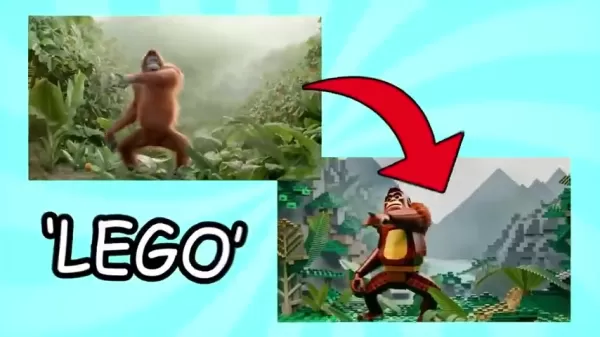
This technology unlocks unprecedented creative potential, enabling effortless generation of distinctive animations and artistic reinterpretations.
The systems employ advanced deep learning architectures, particularly generative models trained on extensive visual datasets. This training allows AI to correlate textual descriptions with corresponding visual characteristics for accurate stylistic translations.
The technology's core strength lies in its style interpretation capabilities. A "LEGO" prompt regenerates footage with block-based textures and simplified articulation, while "yarn" transforms scenes with intricate textile patterns. These aren't superficial overlays but fundamental visual reconstructions maintaining original motion narratives.
Many platforms support multiple style combinations, enabling hybrid creations that push creative boundaries. This multi-style functionality makes the tools exceptionally powerful for experimental projects.
Applications span diverse domains including marketing, education, and entertainment, effectively merging video production with AI-powered artistic expression.
Breaking the AI: Experimenting with Prompts
The most fascinating aspect of video AI lies in intentional experimentation with unconventional prompts that reveal both technological limitations and unexpected creative opportunities.

This approach involves challenging the AI's stylistic comprehension through contradictory or surreal instructions, often producing fascinating visual anomalies.
Combining incongruous concepts like "children's animation" with dark thematic elements generates unsettling yet captivating visuals. Similarly, applying competing styles creates surreal distortions.
The unpredictability of these experiments creates an exhilarating creative dialogue where human concepts undergo AI-driven metamorphosis.
While current technology demonstrates remarkable capabilities, users should anticipate occasional inconsistencies where prompts translate poorly or produce visual artifacts.
Creating Cursed Movie Trailers with AI
The Art of the Cursed Trailer
Among the most entertaining applications is crafting "cursed" trailers - bizarre reinterpretations that blend disturbing aesthetics with comedic absurdity.
The process involves radical transformations of existing trailers using unconventional AI styles, potentially incorporating grotesque animations or surreal modifications.
Effective cursed trailers balance discomfort and humor through carefully calibrated visual dissonance and unexpected comedic timing.
Notable prompt examples include:
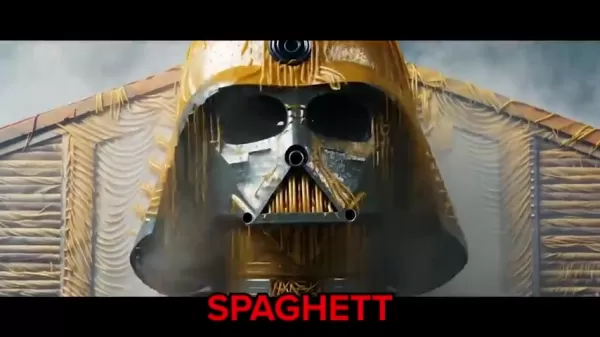
- 'Spaghetti-based cinematography'
- 'Kermit-the-Frog cast replacements'
- 'Nightmarish puppet animation'
- 'Horrifying childhood cartoon'
Darth Spaghetti and the Silence of the Sheep

represents an exemplary cursed trailer concept.
Beyond shock value, these creations explore AI's boundaries while demonstrating unconventional storytelling methods.
Specific Examples of AI Transformations
Examining concrete examples highlights the technology's transformative potential:
- LEGO Rendering: Converts footage into brick-built animations with simplified articulation.
- Textile Interpretation: Reconstructs scenes with woven yarn textures.
- Childlike Animation: Simplifies visuals with vibrant colors and exaggerated motion.
- Puppet Cinematography: Replaces actors with uncanny marionette figures.
Transforming Videos with AI: A Step-by-Step Guide
Step 1: Uploading Your Video
Begin by uploading compatible video files (MP4/MOV) to the platform's intuitive interface.

Opt for simpler source material to maximize transformation effectiveness.
Step 2: Entering Your Prompt
Craft precise textual instructions guiding the stylistic transformation.
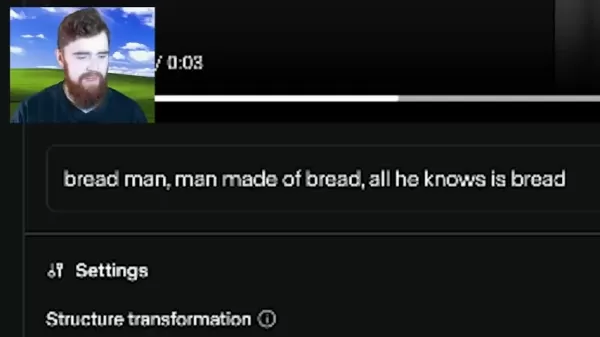
Effective prompts include:
- "Bread-based cinematography"
- "Authentic LEGO animation style"
- "Spaghetti-themed visuals"
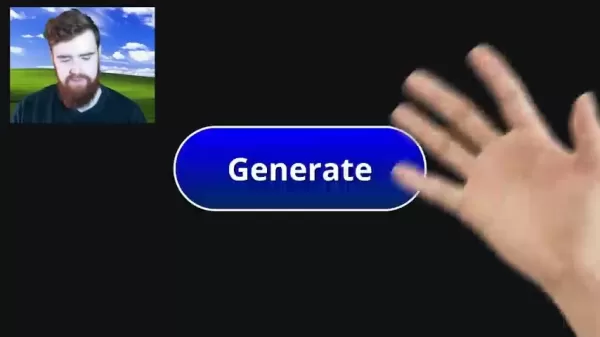
Step 3: Generating the Transformed Video
Initiate processing, then review and refine outputs as needed.
Pricing Options for AI Video Transformation Tools
Understanding the Costs
Pricing models vary from freemium to subscription-based tiers offering escalating capabilities.
Weighing the Benefits and Drawbacks of AI Video Transformation
Pros
Intuitive interface accessible to non-specialists
Generation of distinctive visual styles
Significant time savings versus manual editing
Discovery of novel creative possibilities
Cost-effective alternative to professional services
Cons
Potential inconsistency in output quality
Limited procedural transparency
Ethical considerations regarding content authenticity
Key Features of AI Video Transformation Tools
What to Look For
Essential capabilities include:
- Style adaptation functionality
- Text-based video generation
- Automated quality enhancement
- Selective object elimination
- Intelligent scene segmentation
Use Cases for AI Video Transformation
Unlocking Creative Possibilities
Applications span:
- Stylized animation creation
- Automated visual effects generation
- Historical footage restoration
- Innovative promotional content
- Humorous content production
Frequently Asked Questions
What types of videos work best with AI transformation tools?
Optimal candidates feature clear subjects and consistent lighting conditions.
Are there any ethical concerns associated with AI video transformation?
Users must consider content rights and potential misinformation risks.
Is it possible to combine different AI video effects?
Many platforms support layered effects, though results may vary unpredictably.
Related Questions
How can I create a cursed movie trailer using AI video transformation tools?
Select conventional trailers, apply unconventional stylistic prompts, and refine for optimal unsettling impact.
Related article
 DeepMind CEO Hassabis: I sleep six hours a day, usually feel energetic around 1 a.m.
Fortune recently featured an interview with Demis Hassabis, CEO of Google DeepMind, revealing his unconventional approach to rest and productivity. Hassabis disclosed that he sleeps very little, structuring his waking hours into two distinct work blo
OpenAI, Anthropic Vie for Market Share Despite Revenue Shortfalls
Despite recent reports suggesting OpenAI missed revenue targets, creating pressure on tech stocks this Tuesday, private AI lab investors remain resilient. Seasoned backers have confirmed they will not reduce investment despite negative media coverage
California AV Compliance: A New Era of Tickets, Geofences, and 1M Miles
Guident operates an AuveTech shuttle in South Florida, managing a four-mile route in West Palm Beach and a one-mile route in Boca Raton using its remote monitoring technology. | Credit: GuidentCalifornia is redefining the regulatory landscape for dri
Related Special Topic Recommendations
Video creation
DeepMind CEO Hassabis: I sleep six hours a day, usually feel energetic around 1 a.m.
Fortune recently featured an interview with Demis Hassabis, CEO of Google DeepMind, revealing his unconventional approach to rest and productivity. Hassabis disclosed that he sleeps very little, structuring his waking hours into two distinct work blo
OpenAI, Anthropic Vie for Market Share Despite Revenue Shortfalls
Despite recent reports suggesting OpenAI missed revenue targets, creating pressure on tech stocks this Tuesday, private AI lab investors remain resilient. Seasoned backers have confirmed they will not reduce investment despite negative media coverage
California AV Compliance: A New Era of Tickets, Geofences, and 1M Miles
Guident operates an AuveTech shuttle in South Florida, managing a four-mile route in West Palm Beach and a one-mile route in Boca Raton using its remote monitoring technology. | Credit: GuidentCalifornia is redefining the regulatory landscape for dri
Related Special Topic Recommendations
Video creation
 AI Short-Form Video Hook Generators for Reels, Shorts, and Product Launch Campaigns
2026 Latest Best AI Short-Form Video Hook Generators for Reels Shorts and Product Launch Campaigns! XIX.AI curates top-rated powerful game-changing tools that deliver must-try results through real-world tests. This weekly updated page offers free vs paid comparison rankings to help you find the perfect solution for boosting content creativity and productivity. Explore now to Unlock your AI edge!
 11 tools
 xix.ai
writing
AI Article Outline Tools for Long Form Writing
xix.ai
writing
AI Article Outline Tools for Long Form Writing
2026 Latest Best Top-Rated AI Article Outline Tools for Long Form Writing! This curated collection features powerful, game-changing tools that deliver accurate, structured outlines with real-world tests to boost writing efficiency significantly. XIX.AI is part of this elite selection. Get a free vs paid comparison to help you choose the perfect tool. Explore now and Unlock your AI edge!
9 tools
xix.ai
chatbot
Best AI Roleplay Chat Apps for Language Practice, Interview Prep, and Daily Fluency
2026 Latest Best Top-rated AI Roleplay Chat Apps for Language Practice, Interview Prep, and Daily Fluency! XIX.AI curates a powerful game-changing collection that offers free vs paid comparison, real-world tests, and updated rankings weekly. These must-try tools help you boost writing skills, overcome fluency challenges, and improve communication efficiency across all daily scenarios. Explore now to discover your perfect tool for language growth!
10 tools
xix.ai
Music composition
AI Stem Separation Tools for Remix Production, Sampling Prep, and Karaoke Masters
2026 Latest Best Top-rated AI Stem Separation Tools Curated for Remix Production, Sampling Prep, and Karaoke Masters. These powerful game-changing tools offer real-world tests to deliver precise audio isolation, boosting productivity significantly. XIX.AI provides a weekly updated free vs paid comparison guide to help you find the must-try solution that suits your needs. Explore now to unlock your AI edge.
8 tools
xix.ai
Data Analysis
AI SQL Copilots for Revenue Dashboards, Funnel Analysis, and Product Metrics
2026 Latest Best AI SQL Copilots Ranked Top-Rated! XIX.AI curates a powerful game-changing collection for weekly updated real-world tests. These must-try tools help you generate accurate revenue dashboards, analyze sales funnels, and track product metrics swiftly, boosting productivity massively. Explore now to Discover your perfect tool for data-driven decision making! 238 characters
9 tools
xix.ai
Music composition
Best AI Melody Writing Tools for Song Drafts
2026 Latest Best Top-Rated AI Melody Writing Tools for Song Drafts! XIX.AI has curated a highly powerful game-changing collection that goes through rigorous real-world tests to deliver the best writing experience. You can find detailed free vs paid comparisons, accurate rankings, and must-try options designed to help you create stunning song drafts effortlessly and boost your creative productivity significantly. Explore now to discover your perfect tool!
8 tools
xix.ai

 Comments (1)
0/500
Comments (1)
0/500
![AlbertThomas]()
Que louco poder transformar qualquer vídeo em estilo LEGO ou lã! 😅 Mas será que essas ferramentas de IA vão acabar com empregos de editores de trailer tradicionais? Achei a ideia incrível, mas fico meio preocupado com o lado criativo humano...
The AI revolution is transforming content creation with groundbreaking tools like video-to-video AI. This cutting-edge technology lets you completely reinvent any video's visual style - whether you're crafting LEGO-inspired animations, yarn-textured aesthetics, or delightfully unsettling movie trailers. Our guide explores these AI capabilities, demonstrating how they generate distinctive visuals ranging from artistically compelling to amusingly bizarre.
Key Points
Video transformation AI modifies visual styles through simple text prompts.
Versatile AI solutions can render videos in LEGO, yarn, or claymation aesthetics.
Creative experimentation often yields surprising and entertaining outcomes.
AI enables "cursed" trailer creation by blending unconventional styles.
Structural transformation adapts videos based on textual instructions.
Layered style applications produce uniquely surreal video effects.
Understanding AI Video Transformation
What is Video-to-Video AI?
Video-to-video AI represents sophisticated artificial intelligence systems that reinterpret existing videos according to textual prompts or stylistic references. Unlike basic filters, these tools comprehensively analyze and reconstruct content while preserving motion integrity.
This technology unlocks unprecedented creative potential, enabling effortless generation of distinctive animations and artistic reinterpretations.
The systems employ advanced deep learning architectures, particularly generative models trained on extensive visual datasets. This training allows AI to correlate textual descriptions with corresponding visual characteristics for accurate stylistic translations.
The technology's core strength lies in its style interpretation capabilities. A "LEGO" prompt regenerates footage with block-based textures and simplified articulation, while "yarn" transforms scenes with intricate textile patterns. These aren't superficial overlays but fundamental visual reconstructions maintaining original motion narratives.
Many platforms support multiple style combinations, enabling hybrid creations that push creative boundaries. This multi-style functionality makes the tools exceptionally powerful for experimental projects.
Applications span diverse domains including marketing, education, and entertainment, effectively merging video production with AI-powered artistic expression.
Breaking the AI: Experimenting with Prompts
The most fascinating aspect of video AI lies in intentional experimentation with unconventional prompts that reveal both technological limitations and unexpected creative opportunities.
This approach involves challenging the AI's stylistic comprehension through contradictory or surreal instructions, often producing fascinating visual anomalies.
Combining incongruous concepts like "children's animation" with dark thematic elements generates unsettling yet captivating visuals. Similarly, applying competing styles creates surreal distortions.
The unpredictability of these experiments creates an exhilarating creative dialogue where human concepts undergo AI-driven metamorphosis.
While current technology demonstrates remarkable capabilities, users should anticipate occasional inconsistencies where prompts translate poorly or produce visual artifacts.
Creating Cursed Movie Trailers with AI
The Art of the Cursed Trailer
Among the most entertaining applications is crafting "cursed" trailers - bizarre reinterpretations that blend disturbing aesthetics with comedic absurdity.
The process involves radical transformations of existing trailers using unconventional AI styles, potentially incorporating grotesque animations or surreal modifications.
Effective cursed trailers balance discomfort and humor through carefully calibrated visual dissonance and unexpected comedic timing.
Notable prompt examples include:
- 'Spaghetti-based cinematography'
- 'Kermit-the-Frog cast replacements'
- 'Nightmarish puppet animation'
- 'Horrifying childhood cartoon'
Darth Spaghetti and the Silence of the Sheep
represents an exemplary cursed trailer concept.
Beyond shock value, these creations explore AI's boundaries while demonstrating unconventional storytelling methods.
Specific Examples of AI Transformations
Examining concrete examples highlights the technology's transformative potential:
- LEGO Rendering: Converts footage into brick-built animations with simplified articulation.
- Textile Interpretation: Reconstructs scenes with woven yarn textures.
- Childlike Animation: Simplifies visuals with vibrant colors and exaggerated motion.
- Puppet Cinematography: Replaces actors with uncanny marionette figures.
Transforming Videos with AI: A Step-by-Step Guide
Step 1: Uploading Your Video
Begin by uploading compatible video files (MP4/MOV) to the platform's intuitive interface.
Opt for simpler source material to maximize transformation effectiveness.
Step 2: Entering Your Prompt
Craft precise textual instructions guiding the stylistic transformation.
Effective prompts include:
- "Bread-based cinematography"
- "Authentic LEGO animation style"
- "Spaghetti-themed visuals"
Step 3: Generating the Transformed Video
Initiate processing, then review and refine outputs as needed.
Pricing Options for AI Video Transformation Tools
Understanding the Costs
Pricing models vary from freemium to subscription-based tiers offering escalating capabilities.
Weighing the Benefits and Drawbacks of AI Video Transformation
Pros
Intuitive interface accessible to non-specialists
Generation of distinctive visual styles
Significant time savings versus manual editing
Discovery of novel creative possibilities
Cost-effective alternative to professional services
Cons
Potential inconsistency in output quality
Limited procedural transparency
Ethical considerations regarding content authenticity
Key Features of AI Video Transformation Tools
What to Look For
Essential capabilities include:
- Style adaptation functionality
- Text-based video generation
- Automated quality enhancement
- Selective object elimination
- Intelligent scene segmentation
Use Cases for AI Video Transformation
Unlocking Creative Possibilities
Applications span:
- Stylized animation creation
- Automated visual effects generation
- Historical footage restoration
- Innovative promotional content
- Humorous content production
Frequently Asked Questions
What types of videos work best with AI transformation tools?
Optimal candidates feature clear subjects and consistent lighting conditions.
Are there any ethical concerns associated with AI video transformation?
Users must consider content rights and potential misinformation risks.
Is it possible to combine different AI video effects?
Many platforms support layered effects, though results may vary unpredictably.
Related Questions
How can I create a cursed movie trailer using AI video transformation tools?
Select conventional trailers, apply unconventional stylistic prompts, and refine for optimal unsettling impact.








 DeepMind CEO Hassabis: I sleep six hours a day, usually feel energetic around 1 a.m.
Fortune recently featured an interview with Demis Hassabis, CEO of Google DeepMind, revealing his unconventional approach to rest and productivity. Hassabis disclosed that he sleeps very little, structuring his waking hours into two distinct work blo
DeepMind CEO Hassabis: I sleep six hours a day, usually feel energetic around 1 a.m.
Fortune recently featured an interview with Demis Hassabis, CEO of Google DeepMind, revealing his unconventional approach to rest and productivity. Hassabis disclosed that he sleeps very little, structuring his waking hours into two distinct work blo
 OpenAI, Anthropic Vie for Market Share Despite Revenue Shortfalls
Despite recent reports suggesting OpenAI missed revenue targets, creating pressure on tech stocks this Tuesday, private AI lab investors remain resilient. Seasoned backers have confirmed they will not reduce investment despite negative media coverage
California AV Compliance: A New Era of Tickets, Geofences, and 1M Miles
Guident operates an AuveTech shuttle in South Florida, managing a four-mile route in West Palm Beach and a one-mile route in Boca Raton using its remote monitoring technology. | Credit: GuidentCalifornia is redefining the regulatory landscape for dri
OpenAI, Anthropic Vie for Market Share Despite Revenue Shortfalls
Despite recent reports suggesting OpenAI missed revenue targets, creating pressure on tech stocks this Tuesday, private AI lab investors remain resilient. Seasoned backers have confirmed they will not reduce investment despite negative media coverage
California AV Compliance: A New Era of Tickets, Geofences, and 1M Miles
Guident operates an AuveTech shuttle in South Florida, managing a four-mile route in West Palm Beach and a one-mile route in Boca Raton using its remote monitoring technology. | Credit: GuidentCalifornia is redefining the regulatory landscape for dri

2026 Latest Best AI Short-Form Video Hook Generators for Reels Shorts and Product Launch Campaigns! XIX.AI curates top-rated powerful game-changing tools that deliver must-try results through real-world tests. This weekly updated page offers free vs paid comparison rankings to help you find the perfect solution for boosting content creativity and productivity. Explore now to Unlock your AI edge!
11 tools
xix.ai
2026 Latest Best Top-Rated AI Article Outline Tools for Long Form Writing! This curated collection features powerful, game-changing tools that deliver accurate, structured outlines with real-world tests to boost writing efficiency significantly. XIX.AI is part of this elite selection. Get a free vs paid comparison to help you choose the perfect tool. Explore now and Unlock your AI edge!
9 tools
xix.ai

2026 Latest Best Top-rated AI Roleplay Chat Apps for Language Practice, Interview Prep, and Daily Fluency! XIX.AI curates a powerful game-changing collection that offers free vs paid comparison, real-world tests, and updated rankings weekly. These must-try tools help you boost writing skills, overcome fluency challenges, and improve communication efficiency across all daily scenarios. Explore now to discover your perfect tool for language growth!
10 tools
xix.ai

2026 Latest Best Top-rated AI Stem Separation Tools Curated for Remix Production, Sampling Prep, and Karaoke Masters. These powerful game-changing tools offer real-world tests to deliver precise audio isolation, boosting productivity significantly. XIX.AI provides a weekly updated free vs paid comparison guide to help you find the must-try solution that suits your needs. Explore now to unlock your AI edge.
8 tools
xix.ai

2026 Latest Best AI SQL Copilots Ranked Top-Rated! XIX.AI curates a powerful game-changing collection for weekly updated real-world tests. These must-try tools help you generate accurate revenue dashboards, analyze sales funnels, and track product metrics swiftly, boosting productivity massively. Explore now to Discover your perfect tool for data-driven decision making! 238 characters
9 tools
xix.ai

2026 Latest Best Top-Rated AI Melody Writing Tools for Song Drafts! XIX.AI has curated a highly powerful game-changing collection that goes through rigorous real-world tests to deliver the best writing experience. You can find detailed free vs paid comparisons, accurate rankings, and must-try options designed to help you create stunning song drafts effortlessly and boost your creative productivity significantly. Explore now to discover your perfect tool!
8 tools
xix.ai

Que louco poder transformar qualquer vídeo em estilo LEGO ou lã! 😅 Mas será que essas ferramentas de IA vão acabar com empregos de editores de trailer tradicionais? Achei a ideia incrível, mas fico meio preocupado com o lado criativo humano...












