


 Home
HomeAI, Email, And Social Media: Building A Future-Proof Marketing Strategy
Artificial Intelligence (AI) has evolved from a futuristic idea into an essential tool for modern businesses and marketers. The powerful combination of AI, email marketing, and social media unlocks new possibilities for boosting brand engagement, simplifying marketing workflows, and accelerating business growth. Failing to adapt to this transformation can lead to stagnation and irrelevance. This in-depth guide examines how you can use AI to secure your brand and career in the fast-changing digital marketing environment.
Key Points
AI is reshaping marketing at a rapid pace, and professionals who embrace it will succeed.
A significant number of roles are expected to be automated by AI in the coming years, underscoring the need for skill development.
Trust is built between people: maintaining a human brand identity remains vital even as AI advances.
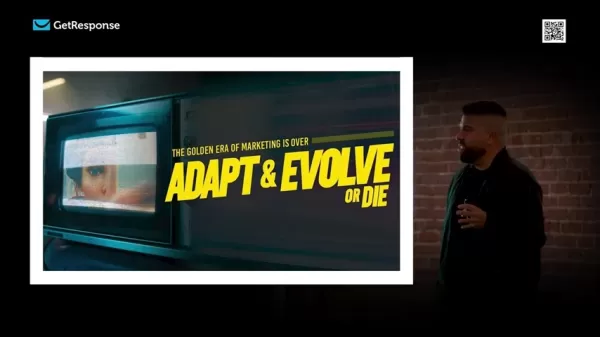
The age of conventional marketing has passed; the ability to adapt is now essential.
AI-powered solutions can strengthen both email marketing and social media approaches.
AI-driven analytics allow for highly accurate audience targeting.
Tailored experiences powered by AI lead to higher interaction and conversion rates.
Automating content generation and posting saves both time and budget.
The AI Revolution in Marketing
The Urgency of AI Adoption in Email Marketing and Social Media
The marketing industry is experiencing a fundamental transformation, fueled by progress in Artificial Intelligence (AI).
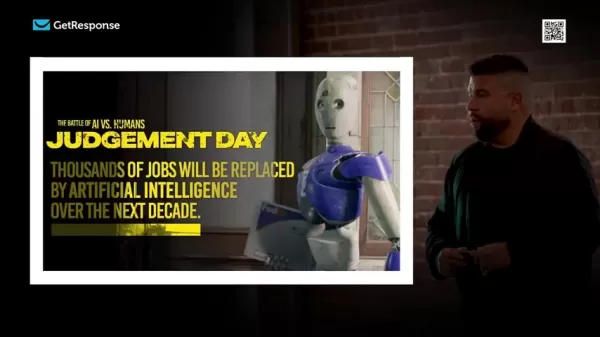
Although some may be reluctant to adopt AI due to its perceived complexity or concerns about job loss, the truth is that AI is quickly changing how companies interact with their customers via email and social platforms. Incorporating AI into marketing is more than a passing trend—it represents a major leap forward that brings new potential for expansion and effectiveness.
Marketers who stick exclusively with older techniques risk falling behind. AI's ability to automate processes, interpret data, and customize user interactions is unmatched. Using AI, marketing teams can boost interaction, raise conversion numbers, and enhance overall returns. Succeeding in this new landscape demands an active commitment to education and adjustment. A basic grasp of marketing principles is no longer enough; modern experts need to build skills in applying AI solutions and methods to maintain a competitive edge.
The expansion of AI is creating a clear separation between early adopters and those who delay. Professionals who integrate AI into their workflow will excel, while those who avoid it may find it hard to compete. For this reason, learning and applying AI in marketing is not just beneficial—it is vital for long-term achievement in today's digital economy.
Here are several ways AI is already influencing email and social media marketing:
- Personalized Content Creation: AI systems can assess customer information to produce customized email text and social updates, boosting relevance and interaction.
- Predictive Analytics: AI can forecast customer actions, helping marketers prepare for consumer needs and refine their communication.
- Chatbots and Virtual Assistants: AI-enabled chatbots offer immediate customer service on social platforms and via email, enhancing satisfaction and reply speed.
- Automated Campaign Optimization: AI can fine-tune email and social initiatives using live performance metrics, guaranteeing better outcomes.
AI: Not a Replacement, but an Enhancement in Email Marketing and Social Media
Many people mistakenly believe that AI will completely take over human roles in marketing.
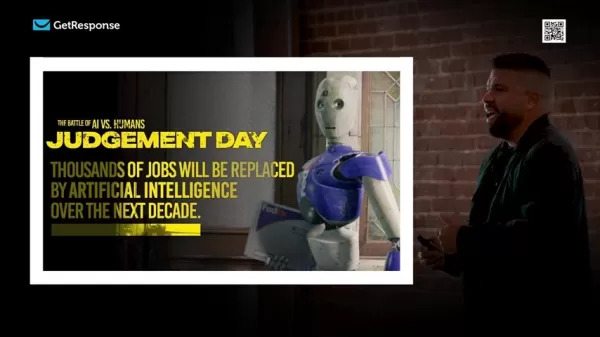
However, it's important to understand that AI's real value comes from supporting human skills, not replacing them. Although AI can manage routine jobs and analyze large datasets, it does not possess the originality, empathy, and strategic reasoning that human marketers offer.
AI performs well in areas like data evaluation, content improvement, and campaign automation, which allows marketers to concentrate on higher-level creative and strategic work. For example, AI can review email open and click rates to determine the best subject lines and messaging. It can also automate the timing of social media updates, helping maintain regular audience contact.
By using AI for these labor-intensive duties, marketers gain more time for:
- Developing innovative marketing strategies: AI-generated insights can spark original campaigns and reveal new avenues for growth.
- Building authentic relationships with customers: Genuine human engagement is still key to establishing trust and long-term loyalty.
- Crafting compelling brand narratives: AI can refine content, but it cannot replicate the human element in storytelling.
Analyzing nuanced customer feedback: AI can detect trends in customer comments, but people are necessary to understand the underlying emotions and motivations.
In the end, the most effective marketing departments will be those that merge AI's capabilities with the distinct talents and judgment of human experts. This partnership will spur innovation, increase productivity, and create more meaningful customer interactions.
Strategies for Integrating AI into Your Marketing Campaigns
Personalized Email Marketing with AI
Customization is essential for successful email marketing, and AI elevates personalization to a much higher standard. AI systems can evaluate extensive customer information to produce finely tuned and individualized email initiatives. By recognizing customer tastes, actions, and purchase patterns, AI can deliver email material that connects personally with each receiver.
Here are methods to apply AI for customized email marketing:
Dynamic Content: AI can modify email content in real time using recipient details like name, location, and previous transactions. This guarantees that every recipient views material suited to their particular interests.
Personalized Subject Lines: AI can refine subject lines to boost open rates. By examining historical performance, AI can determine the most successful subject line styles and terms.
Segmentation and Targeting: AI can divide your email list according to multiple criteria, enabling you to send focused emails to particular customer segments. This improves interaction and minimizes sending unrelated content.
Behavioral Triggers: AI can activate automated emails based on customer activity, such as abandoned carts or product browsing. This helps re-engage customers and prompt them to finalize their purchases.
One prominent email marketing platform is GetResponse
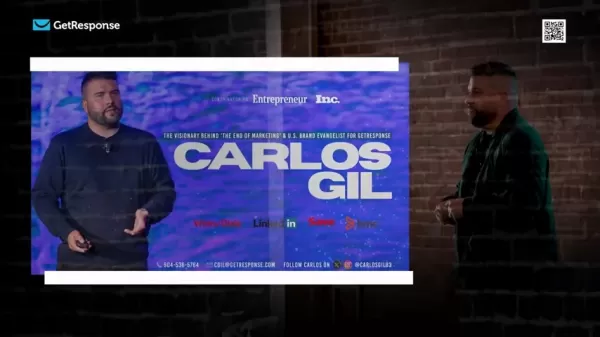
. GetResponse uses AI to deliver customized email campaigns, improving user interaction and conversion performance.
Pricing: GetResponse provides multiple pricing levels, each tailored to different business requirements. The options span from fundamental email marketing functions to sophisticated automation and e-commerce capabilities.
Core Features: Through GetResponse’s AI-powered tools, companies can segment their audience for targeted communication, automate marketing sequences to connect with customers at ideal times, and produce dynamic, individualized content that appeals to specific preferences.
Use Cases: GetResponse is suitable for distributing newsletters, automating blog post notifications, and running targeted e-commerce promotions.
AI-Powered Social Media Management
Social media is an important platform for brand development and customer interaction, but managing social channels efficiently can be demanding and complex. AI can optimize social media management, assisting you with:
Identifying trends and insights: AI can evaluate social media information to spot popular subjects, customer opinions, and competitor actions. This allows you to develop material that is timely and compelling.
Automating content scheduling: AI can plan social media publications for optimal timing, ensuring broader reach and interaction. It can also modify the schedule according to live performance metrics.
Generating content ideas: AI can assess your previous social media posts and determine which content styles performed well. This supports the creation of fresh content concepts that are likely to engage your audience.
Monitoring brand mentions: AI can track social media for references to your brand, enabling you to reply promptly to customer questions and manage any criticism.
Lil Miquela: AI extends beyond tools like Chat GPT, with agencies also developing computer-generated influencers
such as these virtual personalities.
Here’s how to put these methods into practice:
Trend Analysis: Apply AI-based tools to watch social media for current topics and include appropriate keywords in your content.
Content Optimization: Use AI to enhance your social media posts for interaction, applying data-informed insights to improve your messages and images.
Sentiment Analysis: Track how customers feel about your brand and react quickly to any negative comments.
Incorporating AI into your social media plan can greatly increase your brand's exposure, interaction, and customer happiness.
How to Use AI to Enhance Your Marketing Strategy
Step-by-Step Guide to Implementing AI in Your Campaigns
Adding AI to your marketing plan does not need to be intimidating. Follow this step-by-step approach to begin:
- Identify Your Goals: Decide what you aim to accomplish with AI. Are you seeking better personalization, task automation, or deeper insight into customer behavior?
- Assess Your Data: AI depends on data. Make sure you have enough customer information, including email contacts, purchase records, and social media activity.
- Choose the Right Tools: Pick AI-enabled marketing tools that match your objectives and financial plan. Numerous choices exist, from email marketing systems to social media management software.
- Start Small: Introduce AI initially in a limited campaign or trial. This lets you experiment and gain practical knowledge.
- Monitor and Optimize: Regularly track the results of your AI-supported campaigns and refine as necessary. AI is not a one-time setup; it needs continual adjustment for peak performance.
Train Your Team: Give your marketing team the instruction required to utilize AI tools and tactics efficiently. This will enable them to maximize AI's advantages.
By following these steps, you can effectively embed AI into your marketing approach and enjoy gains in efficiency, customization, and customer engagement.
Pros and Cons of Using AI in Marketing
Pros
Improved Efficiency and Automation: Handles repetitive tasks automatically, conserving time and resources.
Enhanced Personalization: Enables highly specific and customized marketing initiatives.
Data-Driven Insights: Delivers useful intelligence on customer behavior and preferences.
Better Customer Engagement: Raises interaction levels and increases customer satisfaction.
Cost Reduction: Optimizes marketing expenditure and lowers operational expenses.
Cons
Initial Investment: Demands early spending on AI tools and training.
Data Privacy Concerns: Brings up issues regarding data protection and security.
Lack of Human Touch: Could result in impersonal customer experiences if not applied thoughtfully.
Algorithmic Bias: Might reinforce existing biases without proper oversight.
Complexity: Can be difficult to set up and operate without appropriate knowledge.
Frequently Asked Questions about AI in Marketing
What are the main benefits of using AI in email marketing?
AI improves email marketing by enabling deeper personalization, accurate audience segmentation, and workflow automation. It supports dynamic content, anticipates customer actions, and optimizes subject lines, resulting in better engagement and higher conversions.
How can AI improve social media management?
AI enhances social media management by detecting trends, automating posting schedules, creating content concepts, tracking brand mentions, and evaluating customer sentiment, leading to more successful tactics.
Is AI going to replace human marketers?
No, AI is designed to complement human skills, not take over their roles. It automates duties and analyzes information, giving marketers more time for strategic planning, creative work, and fostering genuine customer connections.
What are some of the challenges of implementing AI in marketing?
Adopting AI can present difficulties such as upfront costs, data privacy issues, potential loss of personal interaction, biased algorithms, and the intricacy of AI tools and administration.
How can businesses ensure data privacy when using AI in marketing?
Companies can protect data privacy by enforcing robust security protocols, following data privacy laws (like GDPR), being clear with customers about data practices, and using anonymized or pseudonymized data where feasible.
Related Questions
How Can I Humanize My Brand in an AI-Driven World?
In a technology-focused age, the human element continues to be a key factor that sets businesses apart.Even with AI's growth, customers still want genuine interactions and customized experiences. Humanizing your brand includes:Practicing Transparency: Be straightforward and truthful about your business operations, principles, and goals. Share your journey and form personal bonds with your audience.Highlighting Your Team: Showcase the individuals who represent your brand. Share their backgrounds, knowledge, and enthusiasm. This builds confidence and reliability.Producing Authentic Content: Create content that is sincere, understandable, and useful to your audience. Steer clear of standardized marketing language and concentrate on content that meets their needs and interests.Participating in Genuine Dialogue: Pay attention to your customers and engage in real discussions on social media and other platforms. Answer their queries, handle their worries, and demonstrate that you value their input.Delivering Outstanding Customer Service: Exceed expectations to provide superior customer service. This involves being quick to respond, understanding, and ready to solve any problems that occur.By humanizing your brand, you can develop stronger customer relationships and cultivate a dedicated community. Keep in mind that people prefer to buy from other people, not impersonal companies.It's also valuable to recognize that you are now representing a brand and personifying its identity and values.
Related article
 DeepMind CEO Hassabis: I sleep six hours a day, usually feel energetic around 1 a.m.
Fortune recently featured an interview with Demis Hassabis, CEO of Google DeepMind, revealing his unconventional approach to rest and productivity. Hassabis disclosed that he sleeps very little, structuring his waking hours into two distinct work blo
OpenAI, Anthropic Vie for Market Share Despite Revenue Shortfalls
Despite recent reports suggesting OpenAI missed revenue targets, creating pressure on tech stocks this Tuesday, private AI lab investors remain resilient. Seasoned backers have confirmed they will not reduce investment despite negative media coverage
California AV Compliance: A New Era of Tickets, Geofences, and 1M Miles
Guident operates an AuveTech shuttle in South Florida, managing a four-mile route in West Palm Beach and a one-mile route in Boca Raton using its remote monitoring technology. | Credit: GuidentCalifornia is redefining the regulatory landscape for dri
Related Special Topic Recommendations
Video creation
DeepMind CEO Hassabis: I sleep six hours a day, usually feel energetic around 1 a.m.
Fortune recently featured an interview with Demis Hassabis, CEO of Google DeepMind, revealing his unconventional approach to rest and productivity. Hassabis disclosed that he sleeps very little, structuring his waking hours into two distinct work blo
OpenAI, Anthropic Vie for Market Share Despite Revenue Shortfalls
Despite recent reports suggesting OpenAI missed revenue targets, creating pressure on tech stocks this Tuesday, private AI lab investors remain resilient. Seasoned backers have confirmed they will not reduce investment despite negative media coverage
California AV Compliance: A New Era of Tickets, Geofences, and 1M Miles
Guident operates an AuveTech shuttle in South Florida, managing a four-mile route in West Palm Beach and a one-mile route in Boca Raton using its remote monitoring technology. | Credit: GuidentCalifornia is redefining the regulatory landscape for dri
Related Special Topic Recommendations
Video creation
 AI Short-Form Video Hook Generators for Reels, Shorts, and Product Launch Campaigns
2026 Latest Best AI Short-Form Video Hook Generators for Reels Shorts and Product Launch Campaigns! XIX.AI curates top-rated powerful game-changing tools that deliver must-try results through real-world tests. This weekly updated page offers free vs paid comparison rankings to help you find the perfect solution for boosting content creativity and productivity. Explore now to Unlock your AI edge!
 11 tools
 xix.ai
writing
AI Article Outline Tools for Long Form Writing
xix.ai
writing
AI Article Outline Tools for Long Form Writing
2026 Latest Best Top-Rated AI Article Outline Tools for Long Form Writing! This curated collection features powerful, game-changing tools that deliver accurate, structured outlines with real-world tests to boost writing efficiency significantly. XIX.AI is part of this elite selection. Get a free vs paid comparison to help you choose the perfect tool. Explore now and Unlock your AI edge!
9 tools
xix.ai
chatbot
Best AI Roleplay Chat Apps for Language Practice, Interview Prep, and Daily Fluency
2026 Latest Best Top-rated AI Roleplay Chat Apps for Language Practice, Interview Prep, and Daily Fluency! XIX.AI curates a powerful game-changing collection that offers free vs paid comparison, real-world tests, and updated rankings weekly. These must-try tools help you boost writing skills, overcome fluency challenges, and improve communication efficiency across all daily scenarios. Explore now to discover your perfect tool for language growth!
10 tools
xix.ai
Music composition
AI Stem Separation Tools for Remix Production, Sampling Prep, and Karaoke Masters
2026 Latest Best Top-rated AI Stem Separation Tools Curated for Remix Production, Sampling Prep, and Karaoke Masters. These powerful game-changing tools offer real-world tests to deliver precise audio isolation, boosting productivity significantly. XIX.AI provides a weekly updated free vs paid comparison guide to help you find the must-try solution that suits your needs. Explore now to unlock your AI edge.
8 tools
xix.ai
Data Analysis
AI SQL Copilots for Revenue Dashboards, Funnel Analysis, and Product Metrics
2026 Latest Best AI SQL Copilots Ranked Top-Rated! XIX.AI curates a powerful game-changing collection for weekly updated real-world tests. These must-try tools help you generate accurate revenue dashboards, analyze sales funnels, and track product metrics swiftly, boosting productivity massively. Explore now to Discover your perfect tool for data-driven decision making! 238 characters
9 tools
xix.ai
Music composition
Best AI Melody Writing Tools for Song Drafts
2026 Latest Best Top-Rated AI Melody Writing Tools for Song Drafts! XIX.AI has curated a highly powerful game-changing collection that goes through rigorous real-world tests to deliver the best writing experience. You can find detailed free vs paid comparisons, accurate rankings, and must-try options designed to help you create stunning song drafts effortlessly and boost your creative productivity significantly. Explore now to discover your perfect tool!
8 tools
xix.ai

 Comments (0)
0/500
Comments (0)
0/500
Artificial Intelligence (AI) has evolved from a futuristic idea into an essential tool for modern businesses and marketers. The powerful combination of AI, email marketing, and social media unlocks new possibilities for boosting brand engagement, simplifying marketing workflows, and accelerating business growth. Failing to adapt to this transformation can lead to stagnation and irrelevance. This in-depth guide examines how you can use AI to secure your brand and career in the fast-changing digital marketing environment.
Key Points
AI is reshaping marketing at a rapid pace, and professionals who embrace it will succeed.
A significant number of roles are expected to be automated by AI in the coming years, underscoring the need for skill development.
Trust is built between people: maintaining a human brand identity remains vital even as AI advances.
The age of conventional marketing has passed; the ability to adapt is now essential.
AI-powered solutions can strengthen both email marketing and social media approaches.
AI-driven analytics allow for highly accurate audience targeting.
Tailored experiences powered by AI lead to higher interaction and conversion rates.
Automating content generation and posting saves both time and budget.
The AI Revolution in Marketing
The Urgency of AI Adoption in Email Marketing and Social Media
The marketing industry is experiencing a fundamental transformation, fueled by progress in Artificial Intelligence (AI).
Although some may be reluctant to adopt AI due to its perceived complexity or concerns about job loss, the truth is that AI is quickly changing how companies interact with their customers via email and social platforms. Incorporating AI into marketing is more than a passing trend—it represents a major leap forward that brings new potential for expansion and effectiveness.
Marketers who stick exclusively with older techniques risk falling behind. AI's ability to automate processes, interpret data, and customize user interactions is unmatched. Using AI, marketing teams can boost interaction, raise conversion numbers, and enhance overall returns. Succeeding in this new landscape demands an active commitment to education and adjustment. A basic grasp of marketing principles is no longer enough; modern experts need to build skills in applying AI solutions and methods to maintain a competitive edge.
The expansion of AI is creating a clear separation between early adopters and those who delay. Professionals who integrate AI into their workflow will excel, while those who avoid it may find it hard to compete. For this reason, learning and applying AI in marketing is not just beneficial—it is vital for long-term achievement in today's digital economy.
Here are several ways AI is already influencing email and social media marketing:
- Personalized Content Creation: AI systems can assess customer information to produce customized email text and social updates, boosting relevance and interaction.
- Predictive Analytics: AI can forecast customer actions, helping marketers prepare for consumer needs and refine their communication.
- Chatbots and Virtual Assistants: AI-enabled chatbots offer immediate customer service on social platforms and via email, enhancing satisfaction and reply speed.
- Automated Campaign Optimization: AI can fine-tune email and social initiatives using live performance metrics, guaranteeing better outcomes.
AI: Not a Replacement, but an Enhancement in Email Marketing and Social Media
Many people mistakenly believe that AI will completely take over human roles in marketing.
However, it's important to understand that AI's real value comes from supporting human skills, not replacing them. Although AI can manage routine jobs and analyze large datasets, it does not possess the originality, empathy, and strategic reasoning that human marketers offer.
AI performs well in areas like data evaluation, content improvement, and campaign automation, which allows marketers to concentrate on higher-level creative and strategic work. For example, AI can review email open and click rates to determine the best subject lines and messaging. It can also automate the timing of social media updates, helping maintain regular audience contact.
By using AI for these labor-intensive duties, marketers gain more time for:
- Developing innovative marketing strategies: AI-generated insights can spark original campaigns and reveal new avenues for growth.
- Building authentic relationships with customers: Genuine human engagement is still key to establishing trust and long-term loyalty.
- Crafting compelling brand narratives: AI can refine content, but it cannot replicate the human element in storytelling.
Analyzing nuanced customer feedback: AI can detect trends in customer comments, but people are necessary to understand the underlying emotions and motivations.
In the end, the most effective marketing departments will be those that merge AI's capabilities with the distinct talents and judgment of human experts. This partnership will spur innovation, increase productivity, and create more meaningful customer interactions.
Strategies for Integrating AI into Your Marketing Campaigns
Personalized Email Marketing with AI
Customization is essential for successful email marketing, and AI elevates personalization to a much higher standard. AI systems can evaluate extensive customer information to produce finely tuned and individualized email initiatives. By recognizing customer tastes, actions, and purchase patterns, AI can deliver email material that connects personally with each receiver.
Here are methods to apply AI for customized email marketing:
Dynamic Content: AI can modify email content in real time using recipient details like name, location, and previous transactions. This guarantees that every recipient views material suited to their particular interests.
Personalized Subject Lines: AI can refine subject lines to boost open rates. By examining historical performance, AI can determine the most successful subject line styles and terms.
Segmentation and Targeting: AI can divide your email list according to multiple criteria, enabling you to send focused emails to particular customer segments. This improves interaction and minimizes sending unrelated content.
Behavioral Triggers: AI can activate automated emails based on customer activity, such as abandoned carts or product browsing. This helps re-engage customers and prompt them to finalize their purchases.
One prominent email marketing platform is GetResponse
. GetResponse uses AI to deliver customized email campaigns, improving user interaction and conversion performance.
Pricing: GetResponse provides multiple pricing levels, each tailored to different business requirements. The options span from fundamental email marketing functions to sophisticated automation and e-commerce capabilities.
Core Features: Through GetResponse’s AI-powered tools, companies can segment their audience for targeted communication, automate marketing sequences to connect with customers at ideal times, and produce dynamic, individualized content that appeals to specific preferences.
Use Cases: GetResponse is suitable for distributing newsletters, automating blog post notifications, and running targeted e-commerce promotions.
AI-Powered Social Media Management
Social media is an important platform for brand development and customer interaction, but managing social channels efficiently can be demanding and complex. AI can optimize social media management, assisting you with:
Identifying trends and insights: AI can evaluate social media information to spot popular subjects, customer opinions, and competitor actions. This allows you to develop material that is timely and compelling.
Automating content scheduling: AI can plan social media publications for optimal timing, ensuring broader reach and interaction. It can also modify the schedule according to live performance metrics.
Generating content ideas: AI can assess your previous social media posts and determine which content styles performed well. This supports the creation of fresh content concepts that are likely to engage your audience.
Monitoring brand mentions: AI can track social media for references to your brand, enabling you to reply promptly to customer questions and manage any criticism.
Lil Miquela: AI extends beyond tools like Chat GPT, with agencies also developing computer-generated influencers
such as these virtual personalities.
Here’s how to put these methods into practice:
Trend Analysis: Apply AI-based tools to watch social media for current topics and include appropriate keywords in your content.
Content Optimization: Use AI to enhance your social media posts for interaction, applying data-informed insights to improve your messages and images.
Sentiment Analysis: Track how customers feel about your brand and react quickly to any negative comments.
Incorporating AI into your social media plan can greatly increase your brand's exposure, interaction, and customer happiness.
How to Use AI to Enhance Your Marketing Strategy
Step-by-Step Guide to Implementing AI in Your Campaigns
Adding AI to your marketing plan does not need to be intimidating. Follow this step-by-step approach to begin:
- Identify Your Goals: Decide what you aim to accomplish with AI. Are you seeking better personalization, task automation, or deeper insight into customer behavior?
- Assess Your Data: AI depends on data. Make sure you have enough customer information, including email contacts, purchase records, and social media activity.
- Choose the Right Tools: Pick AI-enabled marketing tools that match your objectives and financial plan. Numerous choices exist, from email marketing systems to social media management software.
- Start Small: Introduce AI initially in a limited campaign or trial. This lets you experiment and gain practical knowledge.
- Monitor and Optimize: Regularly track the results of your AI-supported campaigns and refine as necessary. AI is not a one-time setup; it needs continual adjustment for peak performance.
Train Your Team: Give your marketing team the instruction required to utilize AI tools and tactics efficiently. This will enable them to maximize AI's advantages.
By following these steps, you can effectively embed AI into your marketing approach and enjoy gains in efficiency, customization, and customer engagement.
Pros and Cons of Using AI in Marketing
Pros
Improved Efficiency and Automation: Handles repetitive tasks automatically, conserving time and resources.
Enhanced Personalization: Enables highly specific and customized marketing initiatives.
Data-Driven Insights: Delivers useful intelligence on customer behavior and preferences.
Better Customer Engagement: Raises interaction levels and increases customer satisfaction.
Cost Reduction: Optimizes marketing expenditure and lowers operational expenses.
Cons
Initial Investment: Demands early spending on AI tools and training.
Data Privacy Concerns: Brings up issues regarding data protection and security.
Lack of Human Touch: Could result in impersonal customer experiences if not applied thoughtfully.
Algorithmic Bias: Might reinforce existing biases without proper oversight.
Complexity: Can be difficult to set up and operate without appropriate knowledge.
Frequently Asked Questions about AI in Marketing
What are the main benefits of using AI in email marketing?
AI improves email marketing by enabling deeper personalization, accurate audience segmentation, and workflow automation. It supports dynamic content, anticipates customer actions, and optimizes subject lines, resulting in better engagement and higher conversions.
How can AI improve social media management?
AI enhances social media management by detecting trends, automating posting schedules, creating content concepts, tracking brand mentions, and evaluating customer sentiment, leading to more successful tactics.
Is AI going to replace human marketers?
No, AI is designed to complement human skills, not take over their roles. It automates duties and analyzes information, giving marketers more time for strategic planning, creative work, and fostering genuine customer connections.
What are some of the challenges of implementing AI in marketing?
Adopting AI can present difficulties such as upfront costs, data privacy issues, potential loss of personal interaction, biased algorithms, and the intricacy of AI tools and administration.
How can businesses ensure data privacy when using AI in marketing?
Companies can protect data privacy by enforcing robust security protocols, following data privacy laws (like GDPR), being clear with customers about data practices, and using anonymized or pseudonymized data where feasible.
Related Questions
How Can I Humanize My Brand in an AI-Driven World?
In a technology-focused age, the human element continues to be a key factor that sets businesses apart.Even with AI's growth, customers still want genuine interactions and customized experiences. Humanizing your brand includes:Practicing Transparency: Be straightforward and truthful about your business operations, principles, and goals. Share your journey and form personal bonds with your audience.Highlighting Your Team: Showcase the individuals who represent your brand. Share their backgrounds, knowledge, and enthusiasm. This builds confidence and reliability.Producing Authentic Content: Create content that is sincere, understandable, and useful to your audience. Steer clear of standardized marketing language and concentrate on content that meets their needs and interests.Participating in Genuine Dialogue: Pay attention to your customers and engage in real discussions on social media and other platforms. Answer their queries, handle their worries, and demonstrate that you value their input.Delivering Outstanding Customer Service: Exceed expectations to provide superior customer service. This involves being quick to respond, understanding, and ready to solve any problems that occur.By humanizing your brand, you can develop stronger customer relationships and cultivate a dedicated community. Keep in mind that people prefer to buy from other people, not impersonal companies.It's also valuable to recognize that you are now representing a brand and personifying its identity and values.








 DeepMind CEO Hassabis: I sleep six hours a day, usually feel energetic around 1 a.m.
Fortune recently featured an interview with Demis Hassabis, CEO of Google DeepMind, revealing his unconventional approach to rest and productivity. Hassabis disclosed that he sleeps very little, structuring his waking hours into two distinct work blo
DeepMind CEO Hassabis: I sleep six hours a day, usually feel energetic around 1 a.m.
Fortune recently featured an interview with Demis Hassabis, CEO of Google DeepMind, revealing his unconventional approach to rest and productivity. Hassabis disclosed that he sleeps very little, structuring his waking hours into two distinct work blo
 OpenAI, Anthropic Vie for Market Share Despite Revenue Shortfalls
Despite recent reports suggesting OpenAI missed revenue targets, creating pressure on tech stocks this Tuesday, private AI lab investors remain resilient. Seasoned backers have confirmed they will not reduce investment despite negative media coverage
California AV Compliance: A New Era of Tickets, Geofences, and 1M Miles
Guident operates an AuveTech shuttle in South Florida, managing a four-mile route in West Palm Beach and a one-mile route in Boca Raton using its remote monitoring technology. | Credit: GuidentCalifornia is redefining the regulatory landscape for dri
OpenAI, Anthropic Vie for Market Share Despite Revenue Shortfalls
Despite recent reports suggesting OpenAI missed revenue targets, creating pressure on tech stocks this Tuesday, private AI lab investors remain resilient. Seasoned backers have confirmed they will not reduce investment despite negative media coverage
California AV Compliance: A New Era of Tickets, Geofences, and 1M Miles
Guident operates an AuveTech shuttle in South Florida, managing a four-mile route in West Palm Beach and a one-mile route in Boca Raton using its remote monitoring technology. | Credit: GuidentCalifornia is redefining the regulatory landscape for dri

2026 Latest Best AI Short-Form Video Hook Generators for Reels Shorts and Product Launch Campaigns! XIX.AI curates top-rated powerful game-changing tools that deliver must-try results through real-world tests. This weekly updated page offers free vs paid comparison rankings to help you find the perfect solution for boosting content creativity and productivity. Explore now to Unlock your AI edge!
11 tools
xix.ai

2026 Latest Best Top-Rated AI Article Outline Tools for Long Form Writing! This curated collection features powerful, game-changing tools that deliver accurate, structured outlines with real-world tests to boost writing efficiency significantly. XIX.AI is part of this elite selection. Get a free vs paid comparison to help you choose the perfect tool. Explore now and Unlock your AI edge!
9 tools
xix.ai

2026 Latest Best Top-rated AI Roleplay Chat Apps for Language Practice, Interview Prep, and Daily Fluency! XIX.AI curates a powerful game-changing collection that offers free vs paid comparison, real-world tests, and updated rankings weekly. These must-try tools help you boost writing skills, overcome fluency challenges, and improve communication efficiency across all daily scenarios. Explore now to discover your perfect tool for language growth!
10 tools
xix.ai

2026 Latest Best Top-rated AI Stem Separation Tools Curated for Remix Production, Sampling Prep, and Karaoke Masters. These powerful game-changing tools offer real-world tests to deliver precise audio isolation, boosting productivity significantly. XIX.AI provides a weekly updated free vs paid comparison guide to help you find the must-try solution that suits your needs. Explore now to unlock your AI edge.
8 tools
xix.ai

2026 Latest Best AI SQL Copilots Ranked Top-Rated! XIX.AI curates a powerful game-changing collection for weekly updated real-world tests. These must-try tools help you generate accurate revenue dashboards, analyze sales funnels, and track product metrics swiftly, boosting productivity massively. Explore now to Discover your perfect tool for data-driven decision making! 238 characters
9 tools
xix.ai

2026 Latest Best Top-Rated AI Melody Writing Tools for Song Drafts! XIX.AI has curated a highly powerful game-changing collection that goes through rigorous real-world tests to deliver the best writing experience. You can find detailed free vs paid comparisons, accurate rankings, and must-try options designed to help you create stunning song drafts effortlessly and boost your creative productivity significantly. Explore now to discover your perfect tool!
8 tools
xix.ai












