


 Home
HomeThe Future of AI-Driven Innovation: Exploring AI Dreams
The fusion of artificial intelligence and creative expression is advancing at a remarkable pace, opening up unprecedented avenues for innovation. The concept of AI-driven creativity is no longer a far-off concept but an achievable reality, powered by continuous progress in machine learning and neural networks. Leading tools such as ChatGPT, Suno AI, and Dalle-3 are pioneering this movement, enabling creators to push the boundaries of art, music, and other creative domains. This article explores this dynamic field, examining the possibilities and consequences of AI-powered innovation, with major players like Google, Microsoft, and Meta continually expanding the frontiers of artificial intelligence.
Key Points
AI is revolutionizing creative industries through platforms like ChatGPT, Suno, and Dalle.
Figures like Elon Musk and Mark Zuckerberg are pivotal in steering AI innovation forward.
AI technologies are enhancing the production of music, visual art, and virtual environments.
Leading tech firms, including Google and Microsoft, are making substantial investments in AI research.
Ethical considerations are crucial for the responsible advancement and application of AI systems.
The Dawn of AI Dreams
What are AI Dreams?
AI dreams refer to the merging of artificial intelligence and human imagination, where algorithms produce original content across various media. This encompasses AI-composed music, computer-generated artwork, and immersive digital worlds crafted by AI. The essence of these AI-driven visions lies in the capacity of machine learning models to process enormous datasets, recognize patterns, and generate unique outputs that emulate or even exceed human-made creations. The ongoing refinement of these technologies is reshaping the limits of what can be achieved in creative sectors, allowing artists, musicians, and innovators to venture into new territories.
The ability of AI to learn and adapt forms the bedrock of these creative visions. Sophisticated algorithms, trained on extensive collections of existing art, music, and text, learn intricate patterns and stylistic nuances. This knowledge enables AI to produce new content, often remarkable in its uniqueness and depth. Whether composing a symphony, generating a painting, or designing a virtual space, AI acts as both an instrument and a collaborator in the creative workflow. Potential uses extend across entertainment, education, and scientific discovery, pointing toward a future where AI enhances human creativity and spurs innovation in numerous areas.
The emergence of AI-driven creativity marks a fundamental change in our approach to inventiveness and problem-solving. By automating certain elements of content generation, AI allows human creators to concentrate on more strategic and conceptual work. This partnership between human intelligence and artificial intelligence cultivates revolutionary breakthroughs that were once beyond reach. Moreover, AI makes creative tools more accessible, allowing people with limited technical expertise to realize their ideas. The transformative effect of AI-powered creativity goes beyond simple automation, ushering in a new age of collaboration, innovation, and inclusivity in the creative world.
Key Players Shaping the AI Landscape
A number of influential figures are leading the charge in AI advancement. Elon Musk, with his forward-thinking perspective on technology, plays a key role in expanding AI's potential through ventures like Tesla and Neuralink. His work in space exploration with SpaceX also integrates AI for autonomous navigation and resource management.
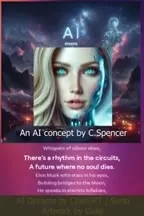
Musk's financial backing and public support for AI are influencing the direction of the field.
Mark Zuckerberg, the founder of Meta (previously Facebook), is another major force. Meta's dedication to building the metaverse depends heavily on AI to develop authentic and interactive virtual experiences. Zuckerberg's vision includes AI-powered avatars, customized content, and a smooth blending of physical and digital realms. This commitment demonstrates a belief in AI's capacity to reshape social connectivity and online interaction.
Other large technology corporations are also making significant contributions. Google, recognized for its AI research, is embedding AI throughout its products, from search algorithms to self-driving cars. Microsoft, with its Azure AI platform, is enabling businesses to develop and implement AI solutions on a large scale. The combined initiatives of these companies underscore the broad acceptance and revolutionary potential of AI in the modern era.
AI Tools Transforming Creative Fields
ChatGPT: Revolutionizing Content Creation
ChatGPT is a sophisticated language model created by OpenAI, engineered to produce human-like text for a wide range of purposes. It is built on the GPT (Generative Pre-trained Transformer) framework, which employs deep learning methods to comprehend and generate text. ChatGPT performs exceptionally well at activities like writing articles, answering queries, summarizing information, and conducting conversational exchanges.
A major advantage of ChatGPT is its adaptability. It can adjust to various writing styles and tones, making it appropriate for producing many types of content. Marketers can use it to draft persuasive advertising copy, blog entries, and social media posts. Educators can generate lesson outlines, tests, and educational resources. Customer support teams can implement ChatGPT-driven chatbots to offer immediate assistance and address frequent concerns. The option to customize ChatGPT's replies through careful prompt design lets users tailor the output to their precise needs.
ChatGPT not only streamlines content production but also boosts inventiveness. By producing initial drafts and proposing different wording, it assists writers in overcoming creative blocks and discovering fresh concepts. It also aids in content improvement by evaluating text for readability, search engine optimization, and overall impact. This cooperative dynamic between human authors and AI tools results in superior content created more efficiently.
Here's an example showcasing how ChatGPT can be used to create a blog post Outline:
Section Description Introduction Overview of the blog post topic, engaging hook, and thesis statement. Main Points Detailed discussion of each main point with supporting evidence, examples, and anecdotes. Sub-Points Further exploration of each main point, providing additional details and insights. Conclusion Summary of the main points, reinforcing the thesis statement and leaving the reader with actionable takeaways. Call-to-Action Encouragement for readers to take a specific action, such as subscribing to a Newsletter, leaving a comment, or sharing the post on social media.
ChatGPT is changing content creation in multiple sectors by handling routine tasks and increasing overall output. As AI technology progresses, ChatGPT is poised to become an even more vital resource for anyone involved in generating written material.
Suno AI: Democratizing Music Production
Suno AI is a platform that utilizes artificial intelligence to help users compose original music. It seeks to make music production more accessible to individuals without formal musical education. By entering text descriptions, users can direct the AI to produce songs with particular themes, genres, and emotional tones.
The foundation of Suno AI is its deep learning models, which have been educated on huge libraries of existing music. These models grasp musical structures, harmonies, and melodic trends, enabling them to create new compositions that follow musical rules while also venturing into creative new directions. Suno AI encourages users to try out different genres, from pop and rock to classical and electronic music, all through straightforward text-based commands.
Suno AI dramatically reduces the obstacles for budding musicians. Freed from the need for instrumental skill or complicated software knowledge, users can concentrate on the artistic side of song creation. The platform also offers instruments for polishing and modifying AI-generated music, allowing users to further customize their works. This combination of AI automation and human creativity promotes a collaborative space where new musical concepts can thrive.
Feature Description Text-to-Music Generates songs based on user-provided text prompts. Genre Selection Allows users to specify the musical genre for their compositions. Style Customization Enables users to fine-tune the style and mood of their songs. Editing Tools Provides tools for refining and personalizing AI-generated music.
Suno AI is reshaping the music industry by empowering creators, making music production more accessible, and fostering a collaborative environment where AI and human creativity meet. As the technology improves, Suno AI will continue to create new opportunities for musical innovation and expression.
Dalle-3: Unleashing AI-Powered Visual Art
Dalle-3, developed by OpenAI, is an AI model that creates images from written
Related article
 DeepMind CEO Hassabis: I sleep six hours a day, usually feel energetic around 1 a.m.
Fortune recently featured an interview with Demis Hassabis, CEO of Google DeepMind, revealing his unconventional approach to rest and productivity. Hassabis disclosed that he sleeps very little, structuring his waking hours into two distinct work blo
OpenAI, Anthropic Vie for Market Share Despite Revenue Shortfalls
Despite recent reports suggesting OpenAI missed revenue targets, creating pressure on tech stocks this Tuesday, private AI lab investors remain resilient. Seasoned backers have confirmed they will not reduce investment despite negative media coverage
California AV Compliance: A New Era of Tickets, Geofences, and 1M Miles
Guident operates an AuveTech shuttle in South Florida, managing a four-mile route in West Palm Beach and a one-mile route in Boca Raton using its remote monitoring technology. | Credit: GuidentCalifornia is redefining the regulatory landscape for dri
Related Special Topic Recommendations
Music composition
DeepMind CEO Hassabis: I sleep six hours a day, usually feel energetic around 1 a.m.
Fortune recently featured an interview with Demis Hassabis, CEO of Google DeepMind, revealing his unconventional approach to rest and productivity. Hassabis disclosed that he sleeps very little, structuring his waking hours into two distinct work blo
OpenAI, Anthropic Vie for Market Share Despite Revenue Shortfalls
Despite recent reports suggesting OpenAI missed revenue targets, creating pressure on tech stocks this Tuesday, private AI lab investors remain resilient. Seasoned backers have confirmed they will not reduce investment despite negative media coverage
California AV Compliance: A New Era of Tickets, Geofences, and 1M Miles
Guident operates an AuveTech shuttle in South Florida, managing a four-mile route in West Palm Beach and a one-mile route in Boca Raton using its remote monitoring technology. | Credit: GuidentCalifornia is redefining the regulatory landscape for dri
Related Special Topic Recommendations
Music composition
 AI Stem Separation Tools for Remix Production, Sampling Prep, and Karaoke Masters
2026 Latest Best Top-rated AI Stem Separation Tools Curated for Remix Production, Sampling Prep, and Karaoke Masters. These powerful game-changing tools offer real-world tests to deliver precise audio isolation, boosting productivity significantly. XIX.AI provides a weekly updated free vs paid comparison guide to help you find the must-try solution that suits your needs. Explore now to unlock your AI edge.
 8 tools
 xix.ai
Data Analysis
AI SQL Copilots for Revenue Dashboards, Funnel Analysis, and Product Metrics
xix.ai
Data Analysis
AI SQL Copilots for Revenue Dashboards, Funnel Analysis, and Product Metrics
2026 Latest Best AI SQL Copilots Ranked Top-Rated! XIX.AI curates a powerful game-changing collection for weekly updated real-world tests. These must-try tools help you generate accurate revenue dashboards, analyze sales funnels, and track product metrics swiftly, boosting productivity massively. Explore now to Discover your perfect tool for data-driven decision making! 238 characters
9 tools
xix.ai
Music composition
Best AI Melody Writing Tools for Song Drafts
2026 Latest Best Top-Rated AI Melody Writing Tools for Song Drafts! XIX.AI has curated a highly powerful game-changing collection that goes through rigorous real-world tests to deliver the best writing experience. You can find detailed free vs paid comparisons, accurate rankings, and must-try options designed to help you create stunning song drafts effortlessly and boost your creative productivity significantly. Explore now to discover your perfect tool!
8 tools
xix.ai
chatbot
Best AI Conversation Trainer Tools for Interview Practice
2026 Latest Best Top-rated AI Conversation Trainer Tools for Interview Practice are here on XIX.AI! This curated collection features powerful, game-changing tools that go through rigorous real-world tests to deliver accurate feedback. You’ll find a free vs paid comparison and detailed rankings to help you choose the must-try option that boosts your confidence and skills. Explore now to Discover your perfect tool for interview success!
12 tools
xix.ai
Design & Art
Best AI Style Transfer Tools for Creative Experiments
2026 Latest Best Top-rated AI Style Transfer Tools for Creative Experiments! XIX.AI has curated a powerful, game-changing collection of must-try tools that deliver exceptional results through real-world tests and rigorous rankings. These top solutions help creatives boost productivity significantly by accelerating content creation and unlocking endless creative possibilities. Explore now to discover your perfect tool and start creating today!
9 tools
xix.ai
Comic Creation
Best AI Dialogue Bubble Tools for Visual Storytelling
2026 Latest Best Top-Rated AI Dialogue Bubble Tools for Visual Storytelling are here on XIX.AI! This curated collection features powerful, game-changing tools that help creators boost productivity and overcome creative bottlenecks. Get a free vs paid comparison, see real-world tests, and check the latest rankings to find the must-try solutions perfect for crafting engaging visual narratives. Explore now to discover your ideal tool!
10 tools
xix.ai

 Comments (0)
0/500
Comments (0)
0/500
The fusion of artificial intelligence and creative expression is advancing at a remarkable pace, opening up unprecedented avenues for innovation. The concept of AI-driven creativity is no longer a far-off concept but an achievable reality, powered by continuous progress in machine learning and neural networks. Leading tools such as ChatGPT, Suno AI, and Dalle-3 are pioneering this movement, enabling creators to push the boundaries of art, music, and other creative domains. This article explores this dynamic field, examining the possibilities and consequences of AI-powered innovation, with major players like Google, Microsoft, and Meta continually expanding the frontiers of artificial intelligence.
Key Points
AI is revolutionizing creative industries through platforms like ChatGPT, Suno, and Dalle.
Figures like Elon Musk and Mark Zuckerberg are pivotal in steering AI innovation forward.
AI technologies are enhancing the production of music, visual art, and virtual environments.
Leading tech firms, including Google and Microsoft, are making substantial investments in AI research.
Ethical considerations are crucial for the responsible advancement and application of AI systems.
The Dawn of AI Dreams
What are AI Dreams?
AI dreams refer to the merging of artificial intelligence and human imagination, where algorithms produce original content across various media. This encompasses AI-composed music, computer-generated artwork, and immersive digital worlds crafted by AI. The essence of these AI-driven visions lies in the capacity of machine learning models to process enormous datasets, recognize patterns, and generate unique outputs that emulate or even exceed human-made creations. The ongoing refinement of these technologies is reshaping the limits of what can be achieved in creative sectors, allowing artists, musicians, and innovators to venture into new territories.
The ability of AI to learn and adapt forms the bedrock of these creative visions. Sophisticated algorithms, trained on extensive collections of existing art, music, and text, learn intricate patterns and stylistic nuances. This knowledge enables AI to produce new content, often remarkable in its uniqueness and depth. Whether composing a symphony, generating a painting, or designing a virtual space, AI acts as both an instrument and a collaborator in the creative workflow. Potential uses extend across entertainment, education, and scientific discovery, pointing toward a future where AI enhances human creativity and spurs innovation in numerous areas.
The emergence of AI-driven creativity marks a fundamental change in our approach to inventiveness and problem-solving. By automating certain elements of content generation, AI allows human creators to concentrate on more strategic and conceptual work. This partnership between human intelligence and artificial intelligence cultivates revolutionary breakthroughs that were once beyond reach. Moreover, AI makes creative tools more accessible, allowing people with limited technical expertise to realize their ideas. The transformative effect of AI-powered creativity goes beyond simple automation, ushering in a new age of collaboration, innovation, and inclusivity in the creative world.
Key Players Shaping the AI Landscape
A number of influential figures are leading the charge in AI advancement. Elon Musk, with his forward-thinking perspective on technology, plays a key role in expanding AI's potential through ventures like Tesla and Neuralink. His work in space exploration with SpaceX also integrates AI for autonomous navigation and resource management.
Musk's financial backing and public support for AI are influencing the direction of the field.
Mark Zuckerberg, the founder of Meta (previously Facebook), is another major force. Meta's dedication to building the metaverse depends heavily on AI to develop authentic and interactive virtual experiences. Zuckerberg's vision includes AI-powered avatars, customized content, and a smooth blending of physical and digital realms. This commitment demonstrates a belief in AI's capacity to reshape social connectivity and online interaction.
Other large technology corporations are also making significant contributions. Google, recognized for its AI research, is embedding AI throughout its products, from search algorithms to self-driving cars. Microsoft, with its Azure AI platform, is enabling businesses to develop and implement AI solutions on a large scale. The combined initiatives of these companies underscore the broad acceptance and revolutionary potential of AI in the modern era.
AI Tools Transforming Creative Fields
ChatGPT: Revolutionizing Content Creation
ChatGPT is a sophisticated language model created by OpenAI, engineered to produce human-like text for a wide range of purposes. It is built on the GPT (Generative Pre-trained Transformer) framework, which employs deep learning methods to comprehend and generate text. ChatGPT performs exceptionally well at activities like writing articles, answering queries, summarizing information, and conducting conversational exchanges.
A major advantage of ChatGPT is its adaptability. It can adjust to various writing styles and tones, making it appropriate for producing many types of content. Marketers can use it to draft persuasive advertising copy, blog entries, and social media posts. Educators can generate lesson outlines, tests, and educational resources. Customer support teams can implement ChatGPT-driven chatbots to offer immediate assistance and address frequent concerns. The option to customize ChatGPT's replies through careful prompt design lets users tailor the output to their precise needs.
ChatGPT not only streamlines content production but also boosts inventiveness. By producing initial drafts and proposing different wording, it assists writers in overcoming creative blocks and discovering fresh concepts. It also aids in content improvement by evaluating text for readability, search engine optimization, and overall impact. This cooperative dynamic between human authors and AI tools results in superior content created more efficiently.
Here's an example showcasing how ChatGPT can be used to create a blog post Outline:
| Section | Description |
|---|---|
| Introduction | Overview of the blog post topic, engaging hook, and thesis statement. |
| Main Points | Detailed discussion of each main point with supporting evidence, examples, and anecdotes. |
| Sub-Points | Further exploration of each main point, providing additional details and insights. |
| Conclusion | Summary of the main points, reinforcing the thesis statement and leaving the reader with actionable takeaways. |
| Call-to-Action | Encouragement for readers to take a specific action, such as subscribing to a Newsletter, leaving a comment, or sharing the post on social media. |
ChatGPT is changing content creation in multiple sectors by handling routine tasks and increasing overall output. As AI technology progresses, ChatGPT is poised to become an even more vital resource for anyone involved in generating written material.
Suno AI: Democratizing Music Production
Suno AI is a platform that utilizes artificial intelligence to help users compose original music. It seeks to make music production more accessible to individuals without formal musical education. By entering text descriptions, users can direct the AI to produce songs with particular themes, genres, and emotional tones.
The foundation of Suno AI is its deep learning models, which have been educated on huge libraries of existing music. These models grasp musical structures, harmonies, and melodic trends, enabling them to create new compositions that follow musical rules while also venturing into creative new directions. Suno AI encourages users to try out different genres, from pop and rock to classical and electronic music, all through straightforward text-based commands.
Suno AI dramatically reduces the obstacles for budding musicians. Freed from the need for instrumental skill or complicated software knowledge, users can concentrate on the artistic side of song creation. The platform also offers instruments for polishing and modifying AI-generated music, allowing users to further customize their works. This combination of AI automation and human creativity promotes a collaborative space where new musical concepts can thrive.
| Feature | Description |
|---|---|
| Text-to-Music | Generates songs based on user-provided text prompts. |
| Genre Selection | Allows users to specify the musical genre for their compositions. |
| Style Customization | Enables users to fine-tune the style and mood of their songs. |
| Editing Tools | Provides tools for refining and personalizing AI-generated music. |
Suno AI is reshaping the music industry by empowering creators, making music production more accessible, and fostering a collaborative environment where AI and human creativity meet. As the technology improves, Suno AI will continue to create new opportunities for musical innovation and expression.
Dalle-3: Unleashing AI-Powered Visual Art
Dalle-3, developed by OpenAI, is an AI model that creates images from written








 DeepMind CEO Hassabis: I sleep six hours a day, usually feel energetic around 1 a.m.
Fortune recently featured an interview with Demis Hassabis, CEO of Google DeepMind, revealing his unconventional approach to rest and productivity. Hassabis disclosed that he sleeps very little, structuring his waking hours into two distinct work blo
DeepMind CEO Hassabis: I sleep six hours a day, usually feel energetic around 1 a.m.
Fortune recently featured an interview with Demis Hassabis, CEO of Google DeepMind, revealing his unconventional approach to rest and productivity. Hassabis disclosed that he sleeps very little, structuring his waking hours into two distinct work blo
 OpenAI, Anthropic Vie for Market Share Despite Revenue Shortfalls
Despite recent reports suggesting OpenAI missed revenue targets, creating pressure on tech stocks this Tuesday, private AI lab investors remain resilient. Seasoned backers have confirmed they will not reduce investment despite negative media coverage
California AV Compliance: A New Era of Tickets, Geofences, and 1M Miles
Guident operates an AuveTech shuttle in South Florida, managing a four-mile route in West Palm Beach and a one-mile route in Boca Raton using its remote monitoring technology. | Credit: GuidentCalifornia is redefining the regulatory landscape for dri
OpenAI, Anthropic Vie for Market Share Despite Revenue Shortfalls
Despite recent reports suggesting OpenAI missed revenue targets, creating pressure on tech stocks this Tuesday, private AI lab investors remain resilient. Seasoned backers have confirmed they will not reduce investment despite negative media coverage
California AV Compliance: A New Era of Tickets, Geofences, and 1M Miles
Guident operates an AuveTech shuttle in South Florida, managing a four-mile route in West Palm Beach and a one-mile route in Boca Raton using its remote monitoring technology. | Credit: GuidentCalifornia is redefining the regulatory landscape for dri
2026 Latest Best Top-rated AI Stem Separation Tools Curated for Remix Production, Sampling Prep, and Karaoke Masters. These powerful game-changing tools offer real-world tests to deliver precise audio isolation, boosting productivity significantly. XIX.AI provides a weekly updated free vs paid comparison guide to help you find the must-try solution that suits your needs. Explore now to unlock your AI edge.
8 tools
xix.ai
2026 Latest Best AI SQL Copilots Ranked Top-Rated! XIX.AI curates a powerful game-changing collection for weekly updated real-world tests. These must-try tools help you generate accurate revenue dashboards, analyze sales funnels, and track product metrics swiftly, boosting productivity massively. Explore now to Discover your perfect tool for data-driven decision making! 238 characters
9 tools
xix.ai
2026 Latest Best Top-Rated AI Melody Writing Tools for Song Drafts! XIX.AI has curated a highly powerful game-changing collection that goes through rigorous real-world tests to deliver the best writing experience. You can find detailed free vs paid comparisons, accurate rankings, and must-try options designed to help you create stunning song drafts effortlessly and boost your creative productivity significantly. Explore now to discover your perfect tool!
8 tools
xix.ai
2026 Latest Best Top-rated AI Conversation Trainer Tools for Interview Practice are here on XIX.AI! This curated collection features powerful, game-changing tools that go through rigorous real-world tests to deliver accurate feedback. You’ll find a free vs paid comparison and detailed rankings to help you choose the must-try option that boosts your confidence and skills. Explore now to Discover your perfect tool for interview success!
12 tools
xix.ai

2026 Latest Best Top-rated AI Style Transfer Tools for Creative Experiments! XIX.AI has curated a powerful, game-changing collection of must-try tools that deliver exceptional results through real-world tests and rigorous rankings. These top solutions help creatives boost productivity significantly by accelerating content creation and unlocking endless creative possibilities. Explore now to discover your perfect tool and start creating today!
9 tools
xix.ai
2026 Latest Best Top-Rated AI Dialogue Bubble Tools for Visual Storytelling are here on XIX.AI! This curated collection features powerful, game-changing tools that help creators boost productivity and overcome creative bottlenecks. Get a free vs paid comparison, see real-world tests, and check the latest rankings to find the must-try solutions perfect for crafting engaging visual narratives. Explore now to discover your ideal tool!
10 tools
xix.ai












