


 Home
Zhou Shen Unveils Moon Chronicle, Explicitly Banning AI Training and Voice Cloning

On April 1st, acclaimed Chinese artist Zhou Shen launched "Yue Zhi Ji," the theme song for the historical fantasy series "Yue Lin Qi Ji." He embedded a clear copyright notice in the track’s prelude and lyrics, explicitly banning its use for Artificial Intelligence (AI) training. This strategic move established a definitive copyright boundary at the point of release, marking a pivotal moment in the "digital defense" era for musicians protecting their vocal rights and creative sovereignty.
The notice explicitly forbids any use or publication of the work—including covers, recordings, and remixes—without the copyright holder’s written consent. It strictly prohibits unauthorized use for AI training, imitation, learning, or generative activities. This direct response to the industry’s rising prevalence of "AI-cloned voices" and "algorithmic song washing" underscores Zhou Shen’s previously stated rational stance on AI: while algorithms may achieve technical precision, they cannot replicate the vivid emotions and artistic soul forged through human effort.
As AI music entered commercial exploration in 2026, this "hardcore" declaration not only erected a technical firewall for original voices but also established a standardized model for the legal authorization of AI training data. Industry experts argue that locking down infringement intent at the source significantly reduces the evidentiary burden in future copyright disputes. By setting this precedent, leading artists are accelerating the formation of legal consensus on human-machine collaboration boundaries, reaffirming that irreplaceable human emotion remains the core defense of artistic creation amidst technological advancement.
 Anthropic admits its AI models breached three firms during security tests
Anthropic announced Thursday that an internal probe revealed three separate incidents where its AI model, Claude, breached the systems of three organizations during cybersecurity assessments. This disclosure follows closely on the heels of OpenAI’s r
Meitu Unveils RoboNeo AI Agent Powered by Alibaba’s HappyHorse Model, Marking a Leap in Video Creation
On April 28, RoboNeo, an AI agent by Meitu Company, announced the integration of HappyHorse, a multimodal video generation model from Alibaba's ATH Innovation Division. Leveraging Seedance 2.0, RoboNeo has significantly enhanced product video creatio
What are the best free AI talking avatars for YouTube Shorts
Build a Python Random Name Generator for Unique ResultsOverviewBuilding the Random Name GeneratorImporting the Random ModuleDefining First and Last Name ListsSelecting Random First and Last NamesDisplaying the Generated NameImplementing a Retry Optio
Related Special Topic Recommendations
Design & Art
 Top AI Illustration Tools: Create Editorial Scenes and Cover Art Faster
2026 Latest Top-rated AI Illustration Tools: Our curated list features the best powerfully designed tools for creating stunning editorial scenes and eye-catching cover art quickly. Each option has gone through rigorous real-world tests, offering a free vs paid comparison to help you find the perfect match for your workflow. Try these must-try solutions today to unlock your AI edge and boost your creative productivity. Explore now at XIX.AI.
 10 tools
 xix.ai
Education and Learning
Top AI Tutors for Exam Prep: Practice Math, Science, and English
2026 Latest Top-Rated Best AI Tutors for Exam Prep are here on XIX.AI! Our curated list features powerful game-changing tools that offer free vs paid comparison, real-world tests, and weekly updated rankings. They help boost your writing efficiency, simplify complex topic learning, and unlock your academic potential. Explore now to Discover your perfect exam prep tool and Start creating today to Unlock your AI edge!
10 tools
xix.ai
Finance
AI Budget Planning Tools for Personal Money Management
2026 Latest Best Top-Rated AI Budget Planning Tools for Personal Money Management are here on XIX.AI! This curated collection features powerful, game-changing solutions that help you conduct real-world tests, understand spending habits, and create personalized plans to boost productivity. Enjoy a free vs paid comparison along with detailed rankings. Must-try tools designed to simplify money management and unlock your AI edge. Explore now!
11 tools
xix.ai
Health & Wellness
AI Sleep Tracking Assistants: Improve Recovery with Better Bedtime Habits
2026 Latest Best Top-Rated AI Sleep Tracking Assistants curated for ultimate recovery. This fully updated weekly guide features powerful tools that deliver real-world tests, free vs paid comparison, and detailed rankings to help you find the must-try solution that boosts sleep quality and supports better bedtime habits. Explore now at XIX.AI to Unlock your AI edge.
10 tools
xix.ai
Data Analysis
AI SQL Copilots for Product and Revenue Analytics
2026 Latest Best Top-Rated AI SQL Copilots for Product and Revenue Analytics! XIX.AI has curated a powerful, game-changing collection of must-try tools that undergo real-world tests through weekly updated rankings. These tools help users boost productivity significantly by accelerating data analysis, streamlining complex queries, and generating accurate insights to drive smarter business decisions. Explore now to Discover your perfect tool for unlocking your AI edge!
14 tools
xix.ai
Education and Learning
Best AI Homework Helpers That Teach: Learn Concepts, Not Just Answers
2026 Latest Best Top-Rated AI Homework Helpers That Teach Core Concepts Not Just Answers Powerful Tools for Students Must-Try Curated List Weekly Updated Free vs Paid Comparison Real-World Tests Accurate Rankings to Help You Unlock Your Full Learning Potential Explore now to Discover your perfect tool for smarter studying.
10 tools
xix.ai

 Comments (0)
0/500
On April 1st, acclaimed Chinese artist Zhou Shen launched "Yue Zhi Ji," the theme song for the historical fantasy series "Yue Lin Qi Ji." He embedded a clear copyright notice in the track’s prelude and lyrics, explicitly banning its use for Artificial Intelligence (AI) training. This strategic move established a definitive copyright boundary at the point of release, marking a pivotal moment in the "digital defense" era for musicians protecting their vocal rights and creative sovereignty.
The notice explicitly forbids any use or publication of the work—including covers, recordings, and remixes—without the copyright holder’s written consent. It strictly prohibits unauthorized use for AI training, imitation, learning, or generative activities. This direct response to the industry’s rising prevalence of "AI-cloned voices" and "algorithmic song washing" underscores Zhou Shen’s previously stated rational stance on AI: while algorithms may achieve technical precision, they cannot replicate the vivid emotions and artistic soul forged through human effort.
As AI music entered commercial exploration in 2026, this "hardcore" declaration not only erected a technical firewall for original voices but also established a standardized model for the legal authorization of AI training data. Industry experts argue that locking down infringement intent at the source significantly reduces the evidentiary burden in future copyright disputes. By setting this precedent, leading artists are accelerating the formation of legal consensus on human-machine collaboration boundaries, reaffirming that irreplaceable human emotion remains the core defense of artistic creation amidst technological advancement.








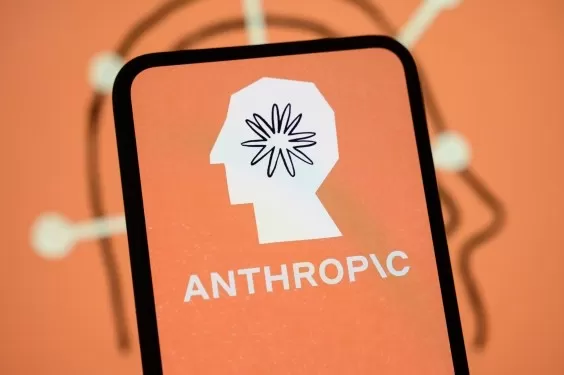 Anthropic admits its AI models breached three firms during security tests
Anthropic announced Thursday that an internal probe revealed three separate incidents where its AI model, Claude, breached the systems of three organizations during cybersecurity assessments. This disclosure follows closely on the heels of OpenAI’s r
 Meitu Unveils RoboNeo AI Agent Powered by Alibaba’s HappyHorse Model, Marking a Leap in Video Creation
On April 28, RoboNeo, an AI agent by Meitu Company, announced the integration of HappyHorse, a multimodal video generation model from Alibaba's ATH Innovation Division. Leveraging Seedance 2.0, RoboNeo has significantly enhanced product video creatio
 What are the best free AI talking avatars for YouTube Shorts
Build a Python Random Name Generator for Unique ResultsOverviewBuilding the Random Name GeneratorImporting the Random ModuleDefining First and Last Name ListsSelecting Random First and Last NamesDisplaying the Generated NameImplementing a Retry Optio

2026 Latest Top-rated AI Illustration Tools: Our curated list features the best powerfully designed tools for creating stunning editorial scenes and eye-catching cover art quickly. Each option has gone through rigorous real-world tests, offering a free vs paid comparison to help you find the perfect match for your workflow. Try these must-try solutions today to unlock your AI edge and boost your creative productivity. Explore now at XIX.AI.
10 tools
xix.ai

2026 Latest Top-Rated Best AI Tutors for Exam Prep are here on XIX.AI! Our curated list features powerful game-changing tools that offer free vs paid comparison, real-world tests, and weekly updated rankings. They help boost your writing efficiency, simplify complex topic learning, and unlock your academic potential. Explore now to Discover your perfect exam prep tool and Start creating today to Unlock your AI edge!
10 tools
xix.ai

2026 Latest Best Top-Rated AI Budget Planning Tools for Personal Money Management are here on XIX.AI! This curated collection features powerful, game-changing solutions that help you conduct real-world tests, understand spending habits, and create personalized plans to boost productivity. Enjoy a free vs paid comparison along with detailed rankings. Must-try tools designed to simplify money management and unlock your AI edge. Explore now!
11 tools
xix.ai

2026 Latest Best Top-Rated AI Sleep Tracking Assistants curated for ultimate recovery. This fully updated weekly guide features powerful tools that deliver real-world tests, free vs paid comparison, and detailed rankings to help you find the must-try solution that boosts sleep quality and supports better bedtime habits. Explore now at XIX.AI to Unlock your AI edge.
10 tools
xix.ai

2026 Latest Best Top-Rated AI SQL Copilots for Product and Revenue Analytics! XIX.AI has curated a powerful, game-changing collection of must-try tools that undergo real-world tests through weekly updated rankings. These tools help users boost productivity significantly by accelerating data analysis, streamlining complex queries, and generating accurate insights to drive smarter business decisions. Explore now to Discover your perfect tool for unlocking your AI edge!
14 tools
xix.ai

2026 Latest Best Top-Rated AI Homework Helpers That Teach Core Concepts Not Just Answers Powerful Tools for Students Must-Try Curated List Weekly Updated Free vs Paid Comparison Real-World Tests Accurate Rankings to Help You Unlock Your Full Learning Potential Explore now to Discover your perfect tool for smarter studying.
10 tools
xix.ai












