


 Home
Xiaomi Technology Team Open-Sources MiMo Code, Advancing AI Programming

On June 11, Xiaomi's MiMo technology team officially launched MiMo Code, a new AI-powered coding assistant. Built on the OpenCode technology foundation, this tool provides developers with efficient and intelligent coding support through a series of deep optimization features.
MiMo Code incorporates several cutting-edge technologies in its architecture, including a persistent memory system and infinite context processing capabilities, enabling it to better understand developers' logical needs. It also supports model Agent collaborative optimization and features an innovative Compose mode, further simplifying the execution of complex programming tasks. In terms of ecological compatibility, MiMo Code demonstrates high flexibility, supporting integration with major industry models such as DeepSeek, Kimi, and GLM, allowing developers to choose the most suitable computing model for their project requirements.
As an open-source product under the MIT license, MiMo Code encourages global developers to participate in its iteration and optimization. To help users get started quickly, it includes a time-limited free multimodal model called MiMo V2.5. By deeply integrating AI with code, it aims to significantly improve developers' daily coding efficiency and experience.
Industry analysts believe that Xiaomi's open-sourcing of MiMo Code not only showcases its deep investment in the AI development toolchain but also provides developers with a more autonomous and scalable programming assistant, further promoting the growth and prosperity of the domestic AI ecosystem.
Related article
 OpenAI Launches Open-Source Codex Security CLI to Uncover Vulnerabilities in CI
On July 29, OpenAI introduced a specialized security scanning tool for code repositories. Named Codex Security CLI, this open-source command-line utility is designed to help developers scan codebases, detect and verify security vulnerabilities, and s
Anthropic Hits $1.5B Copyright Deal to Compensate 500,000 Works
On Monday, a U.S. federal court granted final approval for a $1.5 billion class-action settlement between Anthropic and a coalition of authors and publishers, as reported by Reuters. The deal resolves ongoing litigation regarding Anthropic’s alleged
WeChat WeMM-Embedding Powers Moments Search and Video Highlights With 1 Billion Daily Calls
On September 4, WeChat AI announced the open-source release of its general multimodal embedding model, WeMM-Embedding. Available in 2B, 4B, and 9B versions, the model supports text, images, videos, visual documents, and any interleaved multimodal inp
Related Special Topic Recommendations
Design & Art
 Top AI Illustration Tools: Create Editorial Scenes and Cover Art Faster
2026 Latest Top-rated AI Illustration Tools: Our curated list features the best powerfully designed tools for creating stunning editorial scenes and eye-catching cover art quickly. Each option has gone through rigorous real-world tests, offering a free vs paid comparison to help you find the perfect match for your workflow. Try these must-try solutions today to unlock your AI edge and boost your creative productivity. Explore now at XIX.AI.
 10 tools
 xix.ai
Education and Learning
Top AI Tutors for Exam Prep: Practice Math, Science, and English
2026 Latest Top-Rated Best AI Tutors for Exam Prep are here on XIX.AI! Our curated list features powerful game-changing tools that offer free vs paid comparison, real-world tests, and weekly updated rankings. They help boost your writing efficiency, simplify complex topic learning, and unlock your academic potential. Explore now to Discover your perfect exam prep tool and Start creating today to Unlock your AI edge!
10 tools
xix.ai
Finance
AI Budget Planning Tools for Personal Money Management
2026 Latest Best Top-Rated AI Budget Planning Tools for Personal Money Management are here on XIX.AI! This curated collection features powerful, game-changing solutions that help you conduct real-world tests, understand spending habits, and create personalized plans to boost productivity. Enjoy a free vs paid comparison along with detailed rankings. Must-try tools designed to simplify money management and unlock your AI edge. Explore now!
11 tools
xix.ai
Health & Wellness
AI Sleep Tracking Assistants: Improve Recovery with Better Bedtime Habits
2026 Latest Best Top-Rated AI Sleep Tracking Assistants curated for ultimate recovery. This fully updated weekly guide features powerful tools that deliver real-world tests, free vs paid comparison, and detailed rankings to help you find the must-try solution that boosts sleep quality and supports better bedtime habits. Explore now at XIX.AI to Unlock your AI edge.
10 tools
xix.ai
Data Analysis
AI SQL Copilots for Product and Revenue Analytics
2026 Latest Best Top-Rated AI SQL Copilots for Product and Revenue Analytics! XIX.AI has curated a powerful, game-changing collection of must-try tools that undergo real-world tests through weekly updated rankings. These tools help users boost productivity significantly by accelerating data analysis, streamlining complex queries, and generating accurate insights to drive smarter business decisions. Explore now to Discover your perfect tool for unlocking your AI edge!
14 tools
xix.ai
Education and Learning
Best AI Homework Helpers That Teach: Learn Concepts, Not Just Answers
2026 Latest Best Top-Rated AI Homework Helpers That Teach Core Concepts Not Just Answers Powerful Tools for Students Must-Try Curated List Weekly Updated Free vs Paid Comparison Real-World Tests Accurate Rankings to Help You Unlock Your Full Learning Potential Explore now to Discover your perfect tool for smarter studying.
10 tools
xix.ai

 Comments (1)
0/500
![RaymondRoberts]()
小米开源这个挺实在的,最近写代码老卡壳,有个AI助手能省不少事,期待后续更新!
On June 11, Xiaomi's MiMo technology team officially launched MiMo Code, a new AI-powered coding assistant. Built on the OpenCode technology foundation, this tool provides developers with efficient and intelligent coding support through a series of deep optimization features.
MiMo Code incorporates several cutting-edge technologies in its architecture, including a persistent memory system and infinite context processing capabilities, enabling it to better understand developers' logical needs. It also supports model Agent collaborative optimization and features an innovative Compose mode, further simplifying the execution of complex programming tasks. In terms of ecological compatibility, MiMo Code demonstrates high flexibility, supporting integration with major industry models such as DeepSeek, Kimi, and GLM, allowing developers to choose the most suitable computing model for their project requirements.
As an open-source product under the MIT license, MiMo Code encourages global developers to participate in its iteration and optimization. To help users get started quickly, it includes a time-limited free multimodal model called MiMo V2.5. By deeply integrating AI with code, it aims to significantly improve developers' daily coding efficiency and experience.
Industry analysts believe that Xiaomi's open-sourcing of MiMo Code not only showcases its deep investment in the AI development toolchain but also provides developers with a more autonomous and scalable programming assistant, further promoting the growth and prosperity of the domestic AI ecosystem.








 OpenAI Launches Open-Source Codex Security CLI to Uncover Vulnerabilities in CI
On July 29, OpenAI introduced a specialized security scanning tool for code repositories. Named Codex Security CLI, this open-source command-line utility is designed to help developers scan codebases, detect and verify security vulnerabilities, and s
 Anthropic Hits $1.5B Copyright Deal to Compensate 500,000 Works
On Monday, a U.S. federal court granted final approval for a $1.5 billion class-action settlement between Anthropic and a coalition of authors and publishers, as reported by Reuters. The deal resolves ongoing litigation regarding Anthropic’s alleged
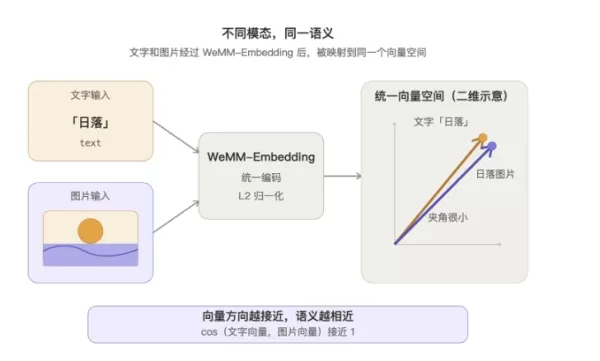 WeChat WeMM-Embedding Powers Moments Search and Video Highlights With 1 Billion Daily Calls
On September 4, WeChat AI announced the open-source release of its general multimodal embedding model, WeMM-Embedding. Available in 2B, 4B, and 9B versions, the model supports text, images, videos, visual documents, and any interleaved multimodal inp

2026 Latest Top-rated AI Illustration Tools: Our curated list features the best powerfully designed tools for creating stunning editorial scenes and eye-catching cover art quickly. Each option has gone through rigorous real-world tests, offering a free vs paid comparison to help you find the perfect match for your workflow. Try these must-try solutions today to unlock your AI edge and boost your creative productivity. Explore now at XIX.AI.
10 tools
xix.ai

2026 Latest Top-Rated Best AI Tutors for Exam Prep are here on XIX.AI! Our curated list features powerful game-changing tools that offer free vs paid comparison, real-world tests, and weekly updated rankings. They help boost your writing efficiency, simplify complex topic learning, and unlock your academic potential. Explore now to Discover your perfect exam prep tool and Start creating today to Unlock your AI edge!
10 tools
xix.ai

2026 Latest Best Top-Rated AI Budget Planning Tools for Personal Money Management are here on XIX.AI! This curated collection features powerful, game-changing solutions that help you conduct real-world tests, understand spending habits, and create personalized plans to boost productivity. Enjoy a free vs paid comparison along with detailed rankings. Must-try tools designed to simplify money management and unlock your AI edge. Explore now!
11 tools
xix.ai

2026 Latest Best Top-Rated AI Sleep Tracking Assistants curated for ultimate recovery. This fully updated weekly guide features powerful tools that deliver real-world tests, free vs paid comparison, and detailed rankings to help you find the must-try solution that boosts sleep quality and supports better bedtime habits. Explore now at XIX.AI to Unlock your AI edge.
10 tools
xix.ai

2026 Latest Best Top-Rated AI SQL Copilots for Product and Revenue Analytics! XIX.AI has curated a powerful, game-changing collection of must-try tools that undergo real-world tests through weekly updated rankings. These tools help users boost productivity significantly by accelerating data analysis, streamlining complex queries, and generating accurate insights to drive smarter business decisions. Explore now to Discover your perfect tool for unlocking your AI edge!
14 tools
xix.ai

2026 Latest Best Top-Rated AI Homework Helpers That Teach Core Concepts Not Just Answers Powerful Tools for Students Must-Try Curated List Weekly Updated Free vs Paid Comparison Real-World Tests Accurate Rankings to Help You Unlock Your Full Learning Potential Explore now to Discover your perfect tool for smarter studying.
10 tools
xix.ai

小米开源这个挺实在的,最近写代码老卡壳,有个AI助手能省不少事,期待后续更新!












