


 Home
HomeValve Rolls Out Major Steam Deck Update, Extends Support to AMD Handheld Rivals

After months of preparation, starting with a preview, progressing to a beta, and now culminating in a stable release, Valve is launching a new version of SteamOS. This update introduces exciting new features for the Steam Deck and, for the first time, extends official support to third-party handhelds such as the Lenovo Legion Go and Asus ROG Ally series.
SteamOS 3.7.8 marks the first stable build to include official support for the Lenovo Legion Go S. It also provides an official recovery image, enabling installation on other AMD-based handhelds like the ROG Ally and the original Legion Go. This fulfills a promise Valve made back in January.
Related
- Valve will officially let you install SteamOS on other handhelds as soon as this April
- The Steam Deck has finally been surpassed — by a fork of Valve’s own experience
Previously, users who wanted to run SteamOS on Windows handhelds had to rely on workarounds using the original Steam Deck recovery image or alternatives like Bazzite. Now, Valve offers specific instructions for installing the image on the Legion Go and ROG Ally, while cautioning that "support for devices not officially 'Powered by SteamOS' is not yet final."
Even if you're solely a Steam Deck user, SteamOS 3.7.8 delivers significant improvements. A long-awaited feature, the ability to use a Bluetooth earbud's microphone, is finally available in desktop mode (though not yet in gaming mode) via HFP/HSP profiles. Additionally, you can now wake an LCD Steam Deck remotely with a Bluetooth controller—a feature once exclusive to the OLED model—which is perfect for TV-docked gameplay.
For those who frequently keep their device plugged in, a new Battery Charge Limit option lets you cap charging at 80% to preserve battery health. The update also introduces support for frame-limiting variable refresh rate displays and grants control over the P-state frequency on certain AMD CPUs.
Under the hood, the system is built on updated versions of Arch Linux, new Mesa graphics drivers, and a significantly newer Plasma desktop environment. The complete changelog for SteamOS 3.7.8 is available for review.
An updated FAQ from Valve suggests an expansion of SteamOS beyond its current hardware. The statement, "We’re currently working with select partners on officially licensed Powered by SteamOS devices. Please reach out to us at [email protected] for more information about licensing SteamOS for your device," indicates a broader licensing strategy.
Meanwhile, the tech industry is buzzing with anticipation for Valve's next moves. Persistent rumors suggest the imminent launch of a wireless VR headset, codenamed "Deckard," and the possibility of a SteamOS-powered living room console. Valve's methodical approach suggests a cohesive master plan for Steam Machines may finally be materializing.
Related article
 Duolingo Faces New Competition as Google Integrates Language Learning into Translate
Google is introducing AI-driven language learning tools directly into its Translate application. This new beta feature personalizes language lessons to match your proficiency and specific goals, like preparing for an international trip.Initially, the
EcoFlow Launches Plug-In Solar Power Systems for US Households
The United States is now introducing EcoFlow's DIY balcony solar system, which I previously reviewed in Europe. EcoFlow states that its Stream Series will be the first plug-and-play solar products available domestically, enabling homeowners and rente
Google Launches Gemini CLI for Developers
Google has launched a new open-source AI agent that brings the coding, content generation, and research power of Gemini directly into developer terminals. Dubbed Gemini CLI, Google describes it as a "fundamental upgrade to your command-line experienc
Related Special Topic Recommendations
Video creation
Duolingo Faces New Competition as Google Integrates Language Learning into Translate
Google is introducing AI-driven language learning tools directly into its Translate application. This new beta feature personalizes language lessons to match your proficiency and specific goals, like preparing for an international trip.Initially, the
EcoFlow Launches Plug-In Solar Power Systems for US Households
The United States is now introducing EcoFlow's DIY balcony solar system, which I previously reviewed in Europe. EcoFlow states that its Stream Series will be the first plug-and-play solar products available domestically, enabling homeowners and rente
Google Launches Gemini CLI for Developers
Google has launched a new open-source AI agent that brings the coding, content generation, and research power of Gemini directly into developer terminals. Dubbed Gemini CLI, Google describes it as a "fundamental upgrade to your command-line experienc
Related Special Topic Recommendations
Video creation
 AI Short-Form Video Hook Generators for Reels, Shorts, and Product Launch Campaigns
2026 Latest Best AI Short-Form Video Hook Generators for Reels Shorts and Product Launch Campaigns! XIX.AI curates top-rated powerful game-changing tools that deliver must-try results through real-world tests. This weekly updated page offers free vs paid comparison rankings to help you find the perfect solution for boosting content creativity and productivity. Explore now to Unlock your AI edge!
 11 tools
 xix.ai
writing
AI Article Outline Tools for Long Form Writing
xix.ai
writing
AI Article Outline Tools for Long Form Writing
2026 Latest Best Top-Rated AI Article Outline Tools for Long Form Writing! This curated collection features powerful, game-changing tools that deliver accurate, structured outlines with real-world tests to boost writing efficiency significantly. XIX.AI is part of this elite selection. Get a free vs paid comparison to help you choose the perfect tool. Explore now and Unlock your AI edge!
9 tools
xix.ai
chatbot
Best AI Roleplay Chat Apps for Language Practice, Interview Prep, and Daily Fluency
2026 Latest Best Top-rated AI Roleplay Chat Apps for Language Practice, Interview Prep, and Daily Fluency! XIX.AI curates a powerful game-changing collection that offers free vs paid comparison, real-world tests, and updated rankings weekly. These must-try tools help you boost writing skills, overcome fluency challenges, and improve communication efficiency across all daily scenarios. Explore now to discover your perfect tool for language growth!
10 tools
xix.ai
Music composition
AI Stem Separation Tools for Remix Production, Sampling Prep, and Karaoke Masters
2026 Latest Best Top-rated AI Stem Separation Tools Curated for Remix Production, Sampling Prep, and Karaoke Masters. These powerful game-changing tools offer real-world tests to deliver precise audio isolation, boosting productivity significantly. XIX.AI provides a weekly updated free vs paid comparison guide to help you find the must-try solution that suits your needs. Explore now to unlock your AI edge.
8 tools
xix.ai
Data Analysis
AI SQL Copilots for Revenue Dashboards, Funnel Analysis, and Product Metrics
2026 Latest Best AI SQL Copilots Ranked Top-Rated! XIX.AI curates a powerful game-changing collection for weekly updated real-world tests. These must-try tools help you generate accurate revenue dashboards, analyze sales funnels, and track product metrics swiftly, boosting productivity massively. Explore now to Discover your perfect tool for data-driven decision making! 238 characters
9 tools
xix.ai
Music composition
Best AI Melody Writing Tools for Song Drafts
2026 Latest Best Top-Rated AI Melody Writing Tools for Song Drafts! XIX.AI has curated a highly powerful game-changing collection that goes through rigorous real-world tests to deliver the best writing experience. You can find detailed free vs paid comparisons, accurate rankings, and must-try options designed to help you create stunning song drafts effortlessly and boost your creative productivity significantly. Explore now to discover your perfect tool!
8 tools
xix.ai

 Comments (1)
0/500
Comments (1)
0/500
![PatrickCarter]()
SteamOS这次更新把对手的掌机也纳入了支持范围,感觉有点像谷歌安卓的策略?挺好奇未来会不会有更多开放掌机生态的竞争。不过比起这个,我更期待什么时候能在国产掌机上原生装这个系统呢?🤔
After months of preparation, starting with a preview, progressing to a beta, and now culminating in a stable release, Valve is launching a new version of SteamOS. This update introduces exciting new features for the Steam Deck and, for the first time, extends official support to third-party handhelds such as the Lenovo Legion Go and Asus ROG Ally series.
SteamOS 3.7.8 marks the first stable build to include official support for the Lenovo Legion Go S. It also provides an official recovery image, enabling installation on other AMD-based handhelds like the ROG Ally and the original Legion Go. This fulfills a promise Valve made back in January.
Related
- Valve will officially let you install SteamOS on other handhelds as soon as this April
- The Steam Deck has finally been surpassed — by a fork of Valve’s own experience
Previously, users who wanted to run SteamOS on Windows handhelds had to rely on workarounds using the original Steam Deck recovery image or alternatives like Bazzite. Now, Valve offers specific instructions for installing the image on the Legion Go and ROG Ally, while cautioning that "support for devices not officially 'Powered by SteamOS' is not yet final."
Even if you're solely a Steam Deck user, SteamOS 3.7.8 delivers significant improvements. A long-awaited feature, the ability to use a Bluetooth earbud's microphone, is finally available in desktop mode (though not yet in gaming mode) via HFP/HSP profiles. Additionally, you can now wake an LCD Steam Deck remotely with a Bluetooth controller—a feature once exclusive to the OLED model—which is perfect for TV-docked gameplay.
For those who frequently keep their device plugged in, a new Battery Charge Limit option lets you cap charging at 80% to preserve battery health. The update also introduces support for frame-limiting variable refresh rate displays and grants control over the P-state frequency on certain AMD CPUs.
Under the hood, the system is built on updated versions of Arch Linux, new Mesa graphics drivers, and a significantly newer Plasma desktop environment. The complete changelog for SteamOS 3.7.8 is available for review.
An updated FAQ from Valve suggests an expansion of SteamOS beyond its current hardware. The statement, "We’re currently working with select partners on officially licensed Powered by SteamOS devices. Please reach out to us at [email protected] for more information about licensing SteamOS for your device," indicates a broader licensing strategy.
Meanwhile, the tech industry is buzzing with anticipation for Valve's next moves. Persistent rumors suggest the imminent launch of a wireless VR headset, codenamed "Deckard," and the possibility of a SteamOS-powered living room console. Valve's methodical approach suggests a cohesive master plan for Steam Machines may finally be materializing.








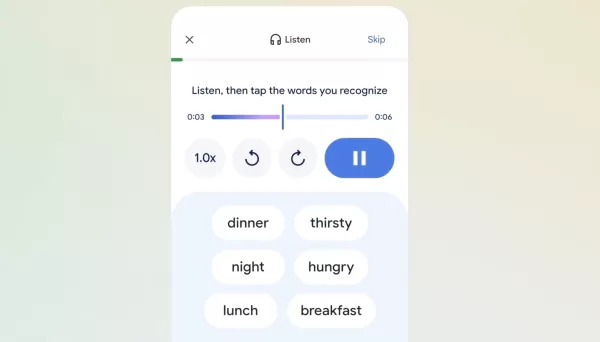 Duolingo Faces New Competition as Google Integrates Language Learning into Translate
Google is introducing AI-driven language learning tools directly into its Translate application. This new beta feature personalizes language lessons to match your proficiency and specific goals, like preparing for an international trip.Initially, the
Duolingo Faces New Competition as Google Integrates Language Learning into Translate
Google is introducing AI-driven language learning tools directly into its Translate application. This new beta feature personalizes language lessons to match your proficiency and specific goals, like preparing for an international trip.Initially, the
 EcoFlow Launches Plug-In Solar Power Systems for US Households
The United States is now introducing EcoFlow's DIY balcony solar system, which I previously reviewed in Europe. EcoFlow states that its Stream Series will be the first plug-and-play solar products available domestically, enabling homeowners and rente
EcoFlow Launches Plug-In Solar Power Systems for US Households
The United States is now introducing EcoFlow's DIY balcony solar system, which I previously reviewed in Europe. EcoFlow states that its Stream Series will be the first plug-and-play solar products available domestically, enabling homeowners and rente
 Google Launches Gemini CLI for Developers
Google has launched a new open-source AI agent that brings the coding, content generation, and research power of Gemini directly into developer terminals. Dubbed Gemini CLI, Google describes it as a "fundamental upgrade to your command-line experienc
Google Launches Gemini CLI for Developers
Google has launched a new open-source AI agent that brings the coding, content generation, and research power of Gemini directly into developer terminals. Dubbed Gemini CLI, Google describes it as a "fundamental upgrade to your command-line experienc

2026 Latest Best AI Short-Form Video Hook Generators for Reels Shorts and Product Launch Campaigns! XIX.AI curates top-rated powerful game-changing tools that deliver must-try results through real-world tests. This weekly updated page offers free vs paid comparison rankings to help you find the perfect solution for boosting content creativity and productivity. Explore now to Unlock your AI edge!
11 tools
xix.ai

2026 Latest Best Top-Rated AI Article Outline Tools for Long Form Writing! This curated collection features powerful, game-changing tools that deliver accurate, structured outlines with real-world tests to boost writing efficiency significantly. XIX.AI is part of this elite selection. Get a free vs paid comparison to help you choose the perfect tool. Explore now and Unlock your AI edge!
9 tools
xix.ai

2026 Latest Best Top-rated AI Roleplay Chat Apps for Language Practice, Interview Prep, and Daily Fluency! XIX.AI curates a powerful game-changing collection that offers free vs paid comparison, real-world tests, and updated rankings weekly. These must-try tools help you boost writing skills, overcome fluency challenges, and improve communication efficiency across all daily scenarios. Explore now to discover your perfect tool for language growth!
10 tools
xix.ai

2026 Latest Best Top-rated AI Stem Separation Tools Curated for Remix Production, Sampling Prep, and Karaoke Masters. These powerful game-changing tools offer real-world tests to deliver precise audio isolation, boosting productivity significantly. XIX.AI provides a weekly updated free vs paid comparison guide to help you find the must-try solution that suits your needs. Explore now to unlock your AI edge.
8 tools
xix.ai

2026 Latest Best AI SQL Copilots Ranked Top-Rated! XIX.AI curates a powerful game-changing collection for weekly updated real-world tests. These must-try tools help you generate accurate revenue dashboards, analyze sales funnels, and track product metrics swiftly, boosting productivity massively. Explore now to Discover your perfect tool for data-driven decision making! 238 characters
9 tools
xix.ai

2026 Latest Best Top-Rated AI Melody Writing Tools for Song Drafts! XIX.AI has curated a highly powerful game-changing collection that goes through rigorous real-world tests to deliver the best writing experience. You can find detailed free vs paid comparisons, accurate rankings, and must-try options designed to help you create stunning song drafts effortlessly and boost your creative productivity significantly. Explore now to discover your perfect tool!
8 tools
xix.ai

SteamOS这次更新把对手的掌机也纳入了支持范围,感觉有点像谷歌安卓的策略?挺好奇未来会不会有更多开放掌机生态的竞争。不过比起这个,我更期待什么时候能在国产掌机上原生装这个系统呢?🤔












