


 Home
US regulations on Anthropic timely as European OpenAI rival takes off, urges less reliance on US

The U.S. government recently imposed export controls on a safety-focused model from AI giant Anthropic, prompting the company to suspend access to that model entirely. Yet this restriction has validated long-standing warnings from competitor Mistral AI, strengthening its push in the European market.
Export Controls Expose the Risks of External Dependence
Mistral AI, a French startup often called the "European OpenAI," has warned European officials for over a year about the risks of relying too heavily on American large language models. The company has stressed that American firms hold the keys to these models, meaning European businesses and governments effectively hand over control to foreign suppliers without realizing it.
The recent export controls on Anthropic and the subsequent service suspension have made Mistral's "AI sovereignty" argument more compelling to outsiders. Since ultimate control over cutting-edge AI typically rests with the supplier and its home government, policy tightening could leave overseas users without independent technology vulnerable to being cut off at any time.
Sticking with Open-Source Architecture to Capture the Sovereignty Market
To address this uncertainty, Mistral has built its strategy around "AI sovereignty" and actively promotes "open-weight models" to European government and enterprise clients. This approach lets customers deploy large models on their own infrastructure and customize them deeply with their own data, ensuring full control over their data.
Though Mistral still trails companies like Anthropic in valuation and user base, its core message is gaining traction with European governments. Mounir reiterated that Europe urgently needs to build its own AI infrastructure, or risk permanent dependence on American tech giants in the future.
Related article
 AliVideo Unveils Wan3.0, Delivering Ultra-Long Video Generation and Multi-Dimensional Consistency
On August 24, Alibaba unveiled Wan3.0, its latest video generation large model. This release represents a major leap forward for Alibaba’s video technology, delivering significant improvements in duration, universal creation, reference handling, and
MiniMax Large Model Mispronounces Names - Xiyu Technology: Insufficient Training After Specific Tokens
MiniMax recently published a technical report detailing why its M2 series models struggled to accurately generate specific names like "Ma Jiaqi." This apparent error highlights a systemic flaw in current large language model training.Token Offset: Th
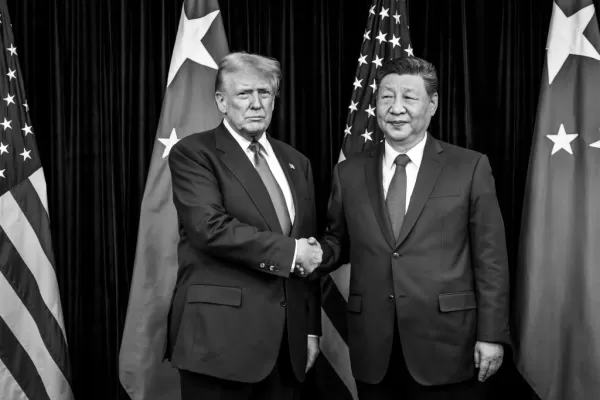
Nvidia H200 China deal survives Trump-Xi summit, but not as expected
President Trump traveled to Beijing with Jensen Huang joining the delegation at the eleventh hour, departing two days later with vague remarks about potential chip export developments. No deal materialized. Since Trump first authorized sales in Decem
Related Special Topic Recommendations
Design & Art
 Top AI Illustration Tools: Create Editorial Scenes and Cover Art Faster
2026 Latest Top-rated AI Illustration Tools: Our curated list features the best powerfully designed tools for creating stunning editorial scenes and eye-catching cover art quickly. Each option has gone through rigorous real-world tests, offering a free vs paid comparison to help you find the perfect match for your workflow. Try these must-try solutions today to unlock your AI edge and boost your creative productivity. Explore now at XIX.AI.
 10 tools
 xix.ai
Education and Learning
Top AI Tutors for Exam Prep: Practice Math, Science, and English
2026 Latest Top-Rated Best AI Tutors for Exam Prep are here on XIX.AI! Our curated list features powerful game-changing tools that offer free vs paid comparison, real-world tests, and weekly updated rankings. They help boost your writing efficiency, simplify complex topic learning, and unlock your academic potential. Explore now to Discover your perfect exam prep tool and Start creating today to Unlock your AI edge!
10 tools
xix.ai
Finance
AI Budget Planning Tools for Personal Money Management
2026 Latest Best Top-Rated AI Budget Planning Tools for Personal Money Management are here on XIX.AI! This curated collection features powerful, game-changing solutions that help you conduct real-world tests, understand spending habits, and create personalized plans to boost productivity. Enjoy a free vs paid comparison along with detailed rankings. Must-try tools designed to simplify money management and unlock your AI edge. Explore now!
11 tools
xix.ai
Health & Wellness
AI Sleep Tracking Assistants: Improve Recovery with Better Bedtime Habits
2026 Latest Best Top-Rated AI Sleep Tracking Assistants curated for ultimate recovery. This fully updated weekly guide features powerful tools that deliver real-world tests, free vs paid comparison, and detailed rankings to help you find the must-try solution that boosts sleep quality and supports better bedtime habits. Explore now at XIX.AI to Unlock your AI edge.
10 tools
xix.ai
Data Analysis
AI SQL Copilots for Product and Revenue Analytics
2026 Latest Best Top-Rated AI SQL Copilots for Product and Revenue Analytics! XIX.AI has curated a powerful, game-changing collection of must-try tools that undergo real-world tests through weekly updated rankings. These tools help users boost productivity significantly by accelerating data analysis, streamlining complex queries, and generating accurate insights to drive smarter business decisions. Explore now to Discover your perfect tool for unlocking your AI edge!
14 tools
xix.ai
Education and Learning
Best AI Homework Helpers That Teach: Learn Concepts, Not Just Answers
2026 Latest Best Top-Rated AI Homework Helpers That Teach Core Concepts Not Just Answers Powerful Tools for Students Must-Try Curated List Weekly Updated Free vs Paid Comparison Real-World Tests Accurate Rankings to Help You Unlock Your Full Learning Potential Explore now to Discover your perfect tool for smarter studying.
10 tools
xix.ai

 Comments (0)
0/500
The U.S. government recently imposed export controls on a safety-focused model from AI giant Anthropic, prompting the company to suspend access to that model entirely. Yet this restriction has validated long-standing warnings from competitor Mistral AI, strengthening its push in the European market.
Export Controls Expose the Risks of External Dependence
Mistral AI, a French startup often called the "European OpenAI," has warned European officials for over a year about the risks of relying too heavily on American large language models. The company has stressed that American firms hold the keys to these models, meaning European businesses and governments effectively hand over control to foreign suppliers without realizing it.
The recent export controls on Anthropic and the subsequent service suspension have made Mistral's "AI sovereignty" argument more compelling to outsiders. Since ultimate control over cutting-edge AI typically rests with the supplier and its home government, policy tightening could leave overseas users without independent technology vulnerable to being cut off at any time.
Sticking with Open-Source Architecture to Capture the Sovereignty Market
To address this uncertainty, Mistral has built its strategy around "AI sovereignty" and actively promotes "open-weight models" to European government and enterprise clients. This approach lets customers deploy large models on their own infrastructure and customize them deeply with their own data, ensuring full control over their data.
Though Mistral still trails companies like Anthropic in valuation and user base, its core message is gaining traction with European governments. Mounir reiterated that Europe urgently needs to build its own AI infrastructure, or risk permanent dependence on American tech giants in the future.








 AliVideo Unveils Wan3.0, Delivering Ultra-Long Video Generation and Multi-Dimensional Consistency
On August 24, Alibaba unveiled Wan3.0, its latest video generation large model. This release represents a major leap forward for Alibaba’s video technology, delivering significant improvements in duration, universal creation, reference handling, and
 MiniMax Large Model Mispronounces Names - Xiyu Technology: Insufficient Training After Specific Tokens
MiniMax recently published a technical report detailing why its M2 series models struggled to accurately generate specific names like "Ma Jiaqi." This apparent error highlights a systemic flaw in current large language model training.Token Offset: Th
 Nvidia H200 China deal survives Trump-Xi summit, but not as expected
President Trump traveled to Beijing with Jensen Huang joining the delegation at the eleventh hour, departing two days later with vague remarks about potential chip export developments. No deal materialized. Since Trump first authorized sales in Decem

2026 Latest Top-rated AI Illustration Tools: Our curated list features the best powerfully designed tools for creating stunning editorial scenes and eye-catching cover art quickly. Each option has gone through rigorous real-world tests, offering a free vs paid comparison to help you find the perfect match for your workflow. Try these must-try solutions today to unlock your AI edge and boost your creative productivity. Explore now at XIX.AI.
10 tools
xix.ai

2026 Latest Top-Rated Best AI Tutors for Exam Prep are here on XIX.AI! Our curated list features powerful game-changing tools that offer free vs paid comparison, real-world tests, and weekly updated rankings. They help boost your writing efficiency, simplify complex topic learning, and unlock your academic potential. Explore now to Discover your perfect exam prep tool and Start creating today to Unlock your AI edge!
10 tools
xix.ai

2026 Latest Best Top-Rated AI Budget Planning Tools for Personal Money Management are here on XIX.AI! This curated collection features powerful, game-changing solutions that help you conduct real-world tests, understand spending habits, and create personalized plans to boost productivity. Enjoy a free vs paid comparison along with detailed rankings. Must-try tools designed to simplify money management and unlock your AI edge. Explore now!
11 tools
xix.ai

2026 Latest Best Top-Rated AI Sleep Tracking Assistants curated for ultimate recovery. This fully updated weekly guide features powerful tools that deliver real-world tests, free vs paid comparison, and detailed rankings to help you find the must-try solution that boosts sleep quality and supports better bedtime habits. Explore now at XIX.AI to Unlock your AI edge.
10 tools
xix.ai

2026 Latest Best Top-Rated AI SQL Copilots for Product and Revenue Analytics! XIX.AI has curated a powerful, game-changing collection of must-try tools that undergo real-world tests through weekly updated rankings. These tools help users boost productivity significantly by accelerating data analysis, streamlining complex queries, and generating accurate insights to drive smarter business decisions. Explore now to Discover your perfect tool for unlocking your AI edge!
14 tools
xix.ai

2026 Latest Best Top-Rated AI Homework Helpers That Teach Core Concepts Not Just Answers Powerful Tools for Students Must-Try Curated List Weekly Updated Free vs Paid Comparison Real-World Tests Accurate Rankings to Help You Unlock Your Full Learning Potential Explore now to Discover your perfect tool for smarter studying.
10 tools
xix.ai












